Prioritizing Eye Health for a Vibrant Life After 60
Maintaining visual clarity is essential for preserving independence as you age. Research indicates that adults aged 50 to 80 who report excellent or very good vision are statistically more likely to report superior overall physical health. Conversely, undiagnosed vision loss often correlates with increased risks of falls, social isolation, and long-term cognitive decline.
Preventative monitoring serves as your primary defense against common age-related conditions like cataracts, glaucoma, and macular degeneration. Because many of these diseases progress painlessly, medical bodies including the American Optometric Association recommend comprehensive eye exams every one to two years for individuals over age 65.
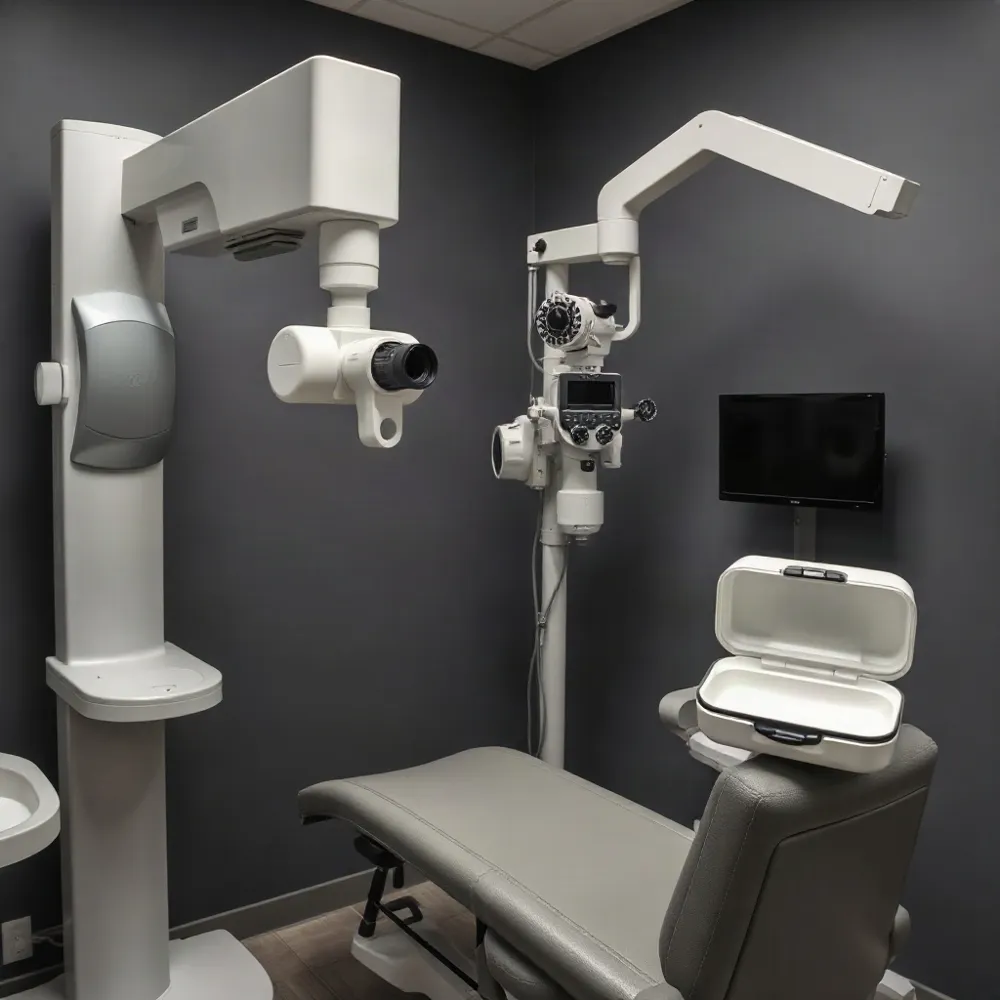
For residents of El Paso, local specialists provide more than standard screenings. Practices like Apple Eye Care integrate advanced diagnostics, such as the DRI OCT Triton, to monitor retinal nerve health with high precision. By combining these modern technologies with personalized management for chronic issues like dry eye and cataracts, patients can ensure their vision remains sharp enough to support a vibrant and active lifestyle well into their later years.
Understanding Natural Vision Changes and Presbyopia
 The medical term for the age-related impairment of near vision is presbyopia, a word derived from the Greek meaning "old eye." It is a natural part of the aging process that typically begins to affect individuals shortly after age 40, occurring as the eye's natural lens becomes less flexible and rigid. As a result, the eye loses its ability to easily change shape to focus on close-up objects, often leading individuals to hold reading materials further away to see them clearly. Common symptoms include difficulty with near-vision tasks, eye strain, and headaches. While presbyopia cannot be reversed, it is a very common condition that optometrists at Apple Eye Care can effectively address through options such as eyeglasses, contact lenses, or specialized surgical solutions.
As you enter your 40s and beyond, it is normal to experience changes in how your eyes function. You may also notice an increased need for brighter lighting to perform daily tasks, as well as heightened sensitivity to glare from headlights or reflective surfaces. Additionally, the lens inside your eye can experience discoloration, leading to difficulty distinguishing between certain shades of color. Natural aging also results in reduced tear production, which can cause eyes to feel dry, irritated, or symptomatic. While these shifts occur over time, it is essential to schedule regular comprehensive eye exams with our team at Apple Eye Care to monitor these changes and ensure your long-term ocular health.
- Contrast sensitivity typically declines, making it harder to distinguish objects from backgrounds of similar colors, such as a white cup on a white table.
- Reduced depth perception becomes more prevalent, which often impacts daily activities like driving or safely navigating stairs.
- The vitreous humor, the gel-like substance inside the eye, may shrink and pull away from the retina, occasionally causing floaters or flashes of light.
While many age-related changes are standard, identifying when a shift moves beyond the normal spectrum is critical. Research from the American Academy of Ophthalmology notes that maintaining up-to-date prescriptions and keeping eyewear clean are vital safety measures for older adults to combat glare and visual distortion. Apple Eye Care provides personalized consultations to help you manage these natural transitions, ensuring that your vision remains both comfortable and reliable as you navigate daily life.
Identifying and Managing Common Age-Related Eye Conditions
 As we age, the structural integrity of the eye naturally changes, leading to common conditions such as cataracts, glaucoma, age-related macular degeneration (AMD), and diabetic retinopathy. These diseases are particularly challenging because they often progress silently, causing permanent damage before symptoms become noticeable.
What is the most common age-related eye problem and how can it be managed? Cataracts, which involve the clouding of the eye's natural lens, are highly prevalent among individuals over the age of 65. Because early-stage eye diseases are frequently asymptomatic, clinicians advise comprehensive eye examinations every one to two years per the American Academy of Ophthalmology. These visits are essential not only for vision correction but also for identifying broader systemic health issues like hypertension and diabetes.
At Apple Eye Care, the management of these conditions prioritizes early detection through advanced diagnostics. The practice utilizes tools like the DRI OCT Triton to provide precise retinal imaging, allowing for the observation of subtle changes in nerve and tissue health that standard charts might miss. Beyond clinical imaging, the team offers specialized support for chronic concerns like dry eye syndrome. For individuals struggling with persistent vision shifts or contrast sensitivity, personalized care helps restore comfort and functional independence in daily activities.
| Condition | Primary Risk | Detection Method |
|---|---|---|
| Cataracts | Cloudy lens | Slit-lamp exam |
| Glaucoma | Optic nerve damage | Tonometry/Imaging |
| AMD | Central vision loss | Dilated eye exam |
Preventative Care: Lifestyle Adjustments and Routine Monitoring

How can I maintain good eye health as I age?
Maintaining visual clarity into your later years requires a combination of conscious daily habits and consistent medical partnership. Quitting smoking is one of the most effective ways to preserve sight, as tobacco use significantly raises the risk of Age-Related Macular Degeneration, the leading cause of blindness in the United States. Additionally, maintaining a healthy weight helps prevent systemic complications like type 2 diabetes and hypertension, which are notorious for accelerating cataracts and damaging retinal blood vessels.
Environmental protection plays an equally vital role. Chronic exposure to ultraviolet light can compromise the structural integrity of your eyes, so wearing high-quality sunglasses that offer UVA and UVB protection is essential. When selecting eyewear, consider frames that cover the sides of the face to minimize stray light. Physical activity also supports your ocular health, as it promotes better systemic circulation and has been associated with less vision loss over time compared to a sedentary lifestyle, per National Institute on Aging data.
How often should seniors undergo a comprehensive eye exam?
For individuals aged 65 and older, local experts recommend undergoing a comprehensive eye exam at least once every year. These annual visits are essential because serious conditions like glaucoma often progress without noticeable symptoms in their early stages. While standard vision charts test for sharpness, your eye care team must also evaluate your contrast sensitivity and glare response, which are often the first markers of impending vision changes.
At a practice like Apple Eye Care, exams serve as a vital benchmark for tracking long-term shifts in your ocular health. Specialists here use advanced imaging like the DRI OCT Triton to monitor retinal nerve health with a level of precision that routine screenings cannot match. By establishing this baseline, your practitioner can identify subtle indicators of systemic health issues, such as hypertension or early signs of stroke, before they escalate. While these are clinical guidelines, patients with a family history or existing conditions like diabetes may require more frequent monitoring, which your doctor will tailor to your specific health profile.
Safety and Urgency: Protecting Mobility and Reacting to Emergencies
Does vision loss affect balance and fall risk?
Vision loss significantly affects balance and increases the risk of falls, particularly among older adults. Sight is essential for maintaining stability and spatial orientation, and impairment reduces your ability to navigate surroundings accurately. Beyond direct vision problems, reduced sight often coexists with systemic issues like heart disease or diabetes, which may require medications causing dizziness or muscle weakness. At Apple Eye Care, our team understands these risks and utilizes advanced diagnostics like the DRI OCT Triton to screen for subtle changes early. By prioritizing routine exams, you take a proactive, personalized step toward preserving your mobility and independence.
When should I be concerned about sudden changes in vision?
Any sudden change in your vision should be treated as a medical emergency. You should seek immediate professional evaluation if you experience severe eye pain, persistent flashes of light, a new shower of floaters, or a curtain-like shadow moving across your visual field, as these are classic signs of a retinal detachment.
Additionally, seek urgent care for sudden, painless vision loss, as this may indicate a stroke, a blocked blood vessel, or an optic nerve emergency. Other red flags include the rapid onset of double vision, significant swelling, or eye bulging, particularly following any physical trauma. Because early intervention is vital to preventing permanent damage, please contact your local eye care office or emergency services immediately if these symptoms appear. While other providers may offer standard screenings, the team at Apple Eye Care is specifically equipped to manage these urgent medical eye concerns with the compassion and clinical precision required for seniors.
Commitment to Long-Term Vision Care in El Paso
Consistency serves as the best strategy for protecting your sight. Because many serious conditions like glaucoma progress without clear warning signs, the American Optometric Association recommends annual examinations for adults over age 60. These visits do more than update prescriptions; they allow for early detection of systemic health issues through detailed retinal analysis.
At Apple Eye Care, we integrate advanced diagnostics like the DRI OCT Triton to monitor nerve and tissue health with precision. While other clinics may offer generic screenings, our team, led by Dr. Stephen Applebaum, emphasizes a compassionate, family-focused approach to managing conditions like cataracts and dry eye syndrome. We help patients translate complex diagnostic results into actionable, personalized plans.
Proactive management remains the most effective tool to maintain independence and visual quality. Whether you need specialized dry eye treatment or a comprehensive annual exam, our staff is ready to support your long-term wellness. You may schedule an appointment by calling (915) 833-0633 or visiting us at 865 N. Resler Dr, Suite F, in El Paso to begin a partnership dedicated to your sight.