Comprehensive Optometry and the Future of Preventive Healthcare
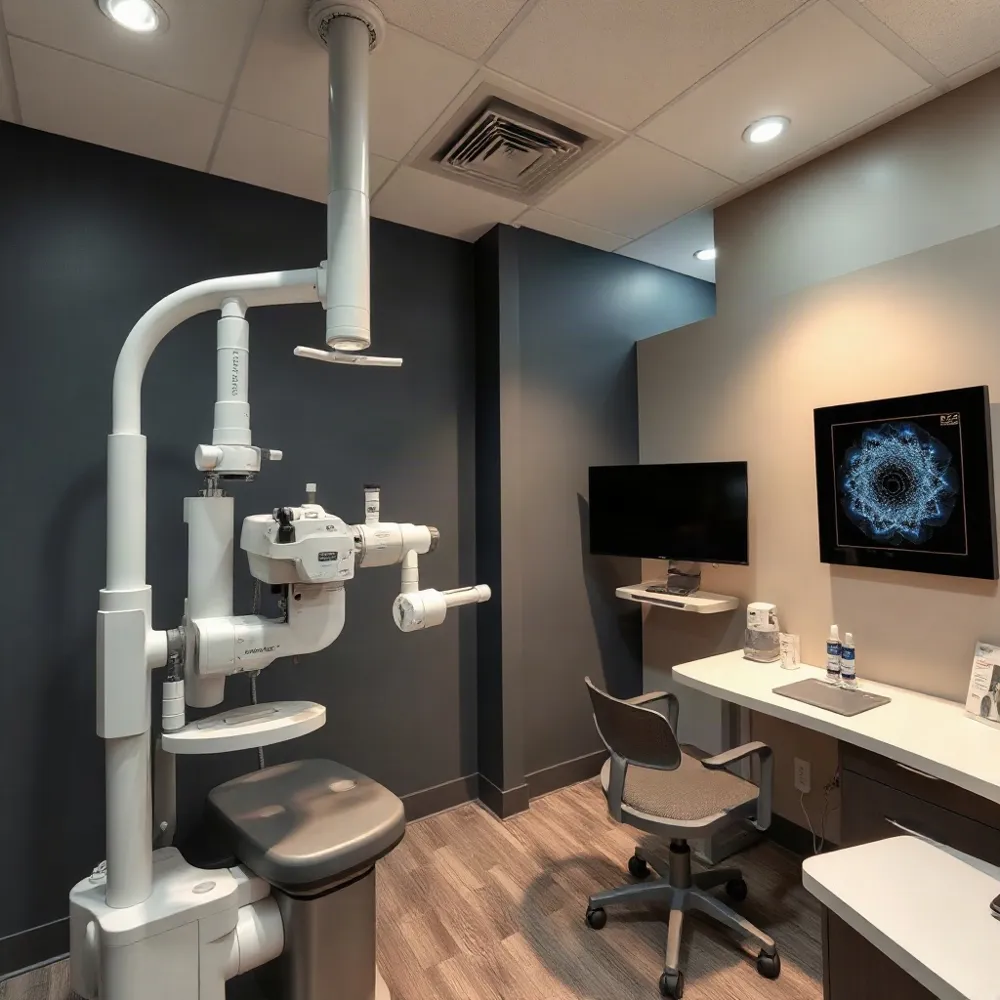
Modern optometry has evolved significantly, shifting from simple vision correction to a comprehensive model of preventive healthcare. At Apple Eye Care, this transition is central to every patient interaction. Under the leadership of Dr. Stephen Applebaum, the practice in El Paso, TX, integrates advanced diagnostics like the DRI OCT Triton to uncover underlying health issues that might otherwise go unnoticed.
Many patients assume a visit to the eye doctor is only for updating a prescription. However, a comprehensive eye exam offers a window into the systemic health of the entire body. By examining blood vessels and internal ocular structures, clinicians can often detect early markers of conditions such as diabetes, hypertension, and neurological disorders before external symptoms appear.
Unlike practices that prioritize high-volume throughput, the philosophy at Apple Eye Care emphasizes personalized attention and compassionate care. This approach ensures that every diagnostic result, whether tracking changes in the retina or managing chronic glaucoma, is communicated with the clarity and individual focus necessary for effective long-term ocular maintenance. By combining cutting-edge technology with a family-focused environment, the practice helps patients maintain their vision and overall quality of life.
The Vital Importance of Annual Comprehensive Eye Examinations
 Regular comprehensive eye exams are an essential part of maintaining your overall health, as many eye conditions do not present symptoms in their early stages. By scheduling routine check-ups, providers like Apple Eye Care can detect serious diseases such as glaucoma, cataracts, and macular degeneration at a stage when treatment is most effective at preventing vision loss, according to the American Optometric Association.
Early Detection and Quality of Life
Many sight-threatening conditions develop silently without pain, potentially causing irreversible damage before a patient notices any change in vision. Early detection is a critical preventive health measure that protects your independence and daily quality of life. Consistent eye health management directly supports safety in tasks like driving and performance in work or education. Furthermore, these exams allow doctors to evaluate visual acuity and identify the specific need for corrective lenses, ensuring you maintain optimal vision for your daily requirements.
Recommended Exam Frequency
Determining how often you should visit the eye doctor depends on your specific age and medical risk factors. While the CDC notes that standard recommendations exist, your personal health history may necessitate a more frequent schedule. Individuals with chronic conditions like diabetes require annual dilated eye exams to monitor for retinopathy, while specific high-risk groups for glaucoma may benefit from evaluations every two years. Adults before the age of 40 should have at least one comprehensive eye exam to establish a health baseline and identify potential risks early.
| Risk Category | Recommended Frequency | Primary Focus |
|---|---|---|
| Children | Ages 6mo, 3yr, and school-age | Detecting amblyopia |
| Healthy Adults | Annually or biennially | Baseline health |
| Diabetic Patients | Annually | Retinal monitoring |
| Seniors (65+) | Annually | Cataracts and AMD |
Systemic Health Insights From Advanced Ocular Screenings
Your eyes serve as a unique window into your internal health, as they are the only place in the body where a doctor can directly observe living blood vessels, nerves, and connective tissues without invasive surgery. Through a comprehensive eye exam, optometrists at Apple Eye Care can identify subtle changes that often precede the manifestation of symptoms in other parts of the body. This ability to spot early markers of systemic disease is why the American Optometric Association emphasizes these screenings as a critical component of preventive healthcare.
By examining retinal microvasculature, practitioners can identify signs of diabetes before a patient has been clinically diagnosed. Similarly, hypertension often leaves a trail in the form of unusual bends or bleeding in the blood vessels at the back of the eye. Other chronic issues detectable during these sessions include high cholesterol, which may manifest as lipid deposits in the retina, and various autoimmune or inflammatory conditions, such as lupus or rheumatoid arthritis, which often present through ocular tissue inflammation.
What health conditions and diseases can be detected during a comprehensive eye exam?
Comprehensive eye exams serve as a vital window into your overall health, allowing eye doctors to detect systemic conditions often before symptoms appear elsewhere in the body. Beyond diagnosing common eye diseases like glaucoma, cataracts, and macular degeneration, these exams can reveal early signs of serious health issues such as diabetes, hypertension, and high cholesterol. Specialized diagnostics can also uncover evidence of life-threatening conditions, including aneurysms, brain tumors, and certain cancers. Furthermore, an exam may identify indicators of autoimmune and neurological disorders like lupus, multiple sclerosis, and giant cell arteritis. By examining the delicate blood vessels and nerves in the eye, your optometrist can provide critical early detection that helps safeguard both your vision and your long-term systemic well-being.
Early ocular indicators provide a foundation for prompt medical intervention, which is essential for managing complex diseases effectively. For instance, early detection and treatment of diabetic retinopathy can prevent or delay blindness in 90% of cases. Patients in El Paso can benefit from this advanced diagnostic approach at Apple Eye Care, where the use of DRI OCT Triton technology allows for deep, high-resolution imaging that facilitates the early identification of these systemic risks.
Advanced Diagnostic Precision with the DRI OCT Triton System
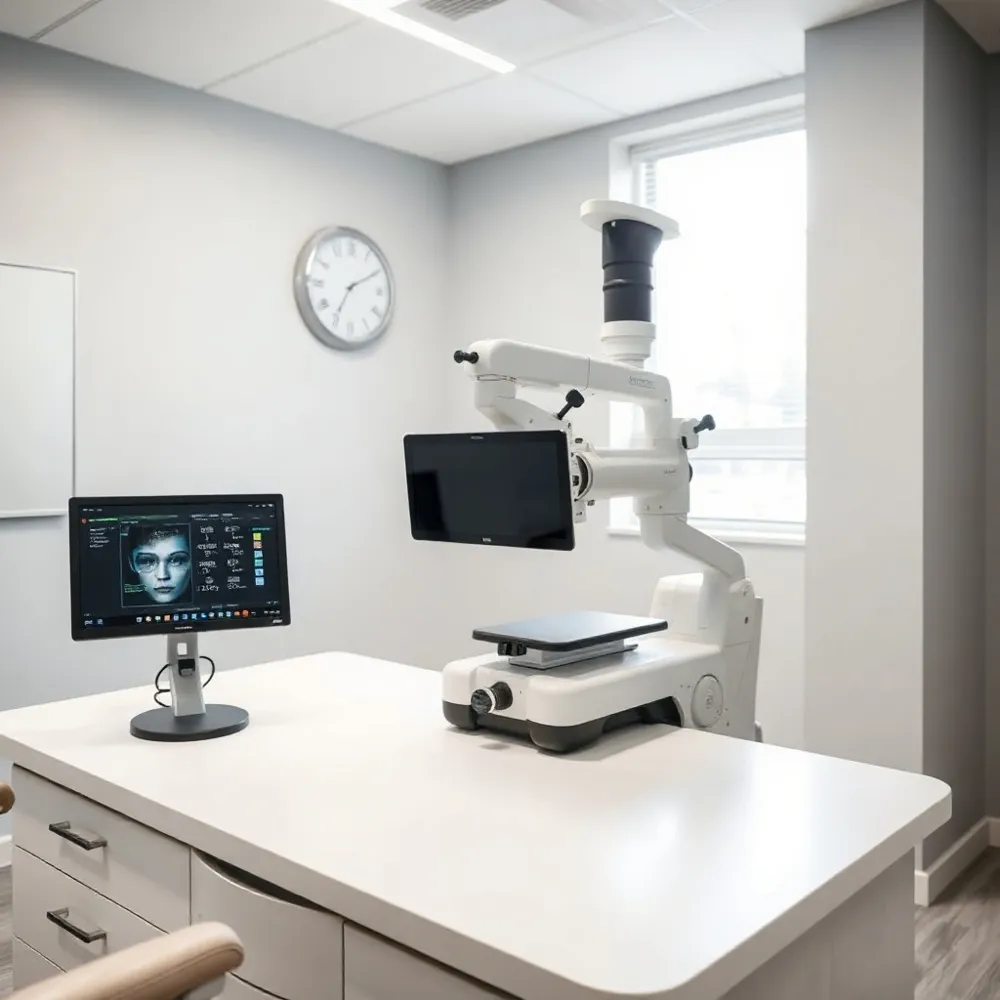 Optical Coherence Tomography (OCT) is a non-invasive, advanced imaging technology that uses light waves to capture detailed, cross-sectional images of your eye’s internal structures. By allowing our team at Apple Eye Care to examine the retina and optic nerve in precise layers, it enables us to map and measure their thickness with high accuracy. This diagnostic tool is essential for the early detection and ongoing management of various sight-threatening conditions, including glaucoma, age-related macular degeneration, and diabetic retinopathy. Because we can compare these high-resolution scans over time, OCT is invaluable for monitoring subtle changes in your eye health and guiding personalized treatment plans. Ultimately, this technology provides a deeper, microscopic view of your ocular health that standard examinations cannot capture.
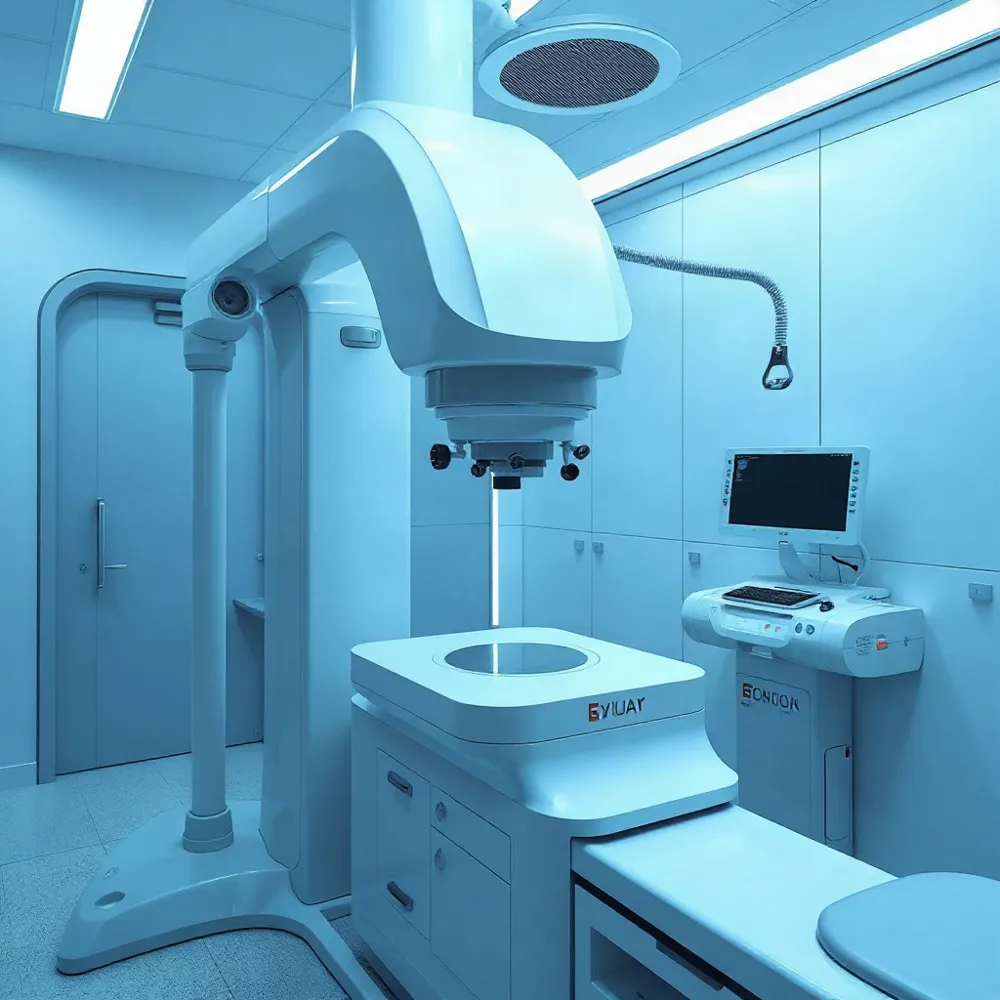
The DRI OCT Triton represents a significant leap in diagnostics by utilizing swept-source OCT technology. Unlike traditional systems that rely on shorter wavelengths, the 1,050nm light source used by this platform provides superior penetration through ocular media such as cataracts or vitreous hemorrhages. This capability ensures that our doctors at Apple Eye Care obtain high-quality images of the choroid and sclera even when anatomical obstructions are present.
Can the Topcon DRI OCT Triton be used to diagnose glaucoma?
The Topcon DRI OCT Triton is an indispensable tool for diagnosing and managing glaucoma. It utilizes advanced technology to produce high-quality images that allow for precise evaluation of the optic nerve and retinal structures. The device provides essential diagnostic metrics, including peripapillary retinal nerve fiber layer (RNFL) thickness and macular ganglion cell layer analysis, which are critical for detecting early signs of the disease. Furthermore, it supports the detailed assessment of glaucoma by identifying structural defects in glaucoma-vulnerability regions with greater accuracy.
Beyond its diagnostic depth, the system improves efficiency through multimodal imaging. By combining color fundus photography and OCT-Angiography in a single capture, the process is faster and more comfortable for patients. Its high scanning speed of 100,000 A-scans per second minimizes motion artifacts, while the invisible light source keeps patients focused, reducing the need for repeated scans.
Standard Procedures and Specialized Evaluations at Apple Eye Care
A comprehensive eye exam is a thorough preventive health measure that extends beyond checking vision clarity. At Apple Eye Care, Dr. Stephen Applebaum and his team prioritize a modern clinical approach to assess your ocular health through several key procedures.
What specific tests and procedures are performed during a comprehensive eye exam?
Your appointment includes a visual acuity test to measure sharpness and an external examination of the eye's outer structures. Depending on individual needs, the team may conduct color vision assessments and visual field tests to detect peripheral vision loss. To achieve high precision, the practice utilizes the DRI OCT Triton, a multimodal imaging system capable of visualizing deep ocular structures. These assessments allow for the early screening and management of conditions such as glaucoma, cataracts, and diabetic retinopathy, which often present without early warning signs.
What is the difference between a standard comprehensive eye exam and one that includes a contact lens evaluation?
A standard exam establishes baseline health and determines your prescription for glasses. A contact lens evaluation is a separate service because lenses rest directly on the eye, necessitating specialized measurements to ensure safety and comfort. During this process, the doctor evaluates corneal curvature, tear film quality, and the specific fit of the lens to your eye's unique shape. While a routine comprehensive eye exam is the standard of care for maintaining ocular health, the contact lens evaluation is necessary to select materials and sizes that promote long-term eye health.
Understanding Costs and Insurance for Routine Ocular Maintenance
 Navigating the financial side of eye care requires understanding the difference between vision and medical insurance. Vision insurance typically covers comprehensive eye exams and standard refractive needs, whereas medical insurance generally applies when a visit centers on diagnosing or managing systemic health issues and specific eye diseases.
How are comprehensive eye exams generally managed regarding insurance coverage and out-of-pocket costs?
Patients often find that billing depends on the primary reason for their appointment. While a national average copay for insured visits sits at approximately $25, those without vision-specific plans may face out-of-pocket costs averaging $136. These figures remain estimates that shift based on individual provider locations and specific diagnostic needs.
At Apple Eye Care, we prioritize transparency regarding your investment in ocular health. Whether you utilize your insurance benefits or opt for self-payment, you can manage remaining costs by using your Health Savings Account (HSA) or Flexible Spending Account (FSA). These tax-advantaged accounts provide a practical way to cover preventive screenings and specialized treatments while ensuring your vision stays clear for years to come.
Prioritizing Your Vision for a Healthier Tomorrow
Proactive eye care serves as a fundamental pillar of lifelong health. By viewing routine exams as a preventive measure rather than a reactive solution, you safeguard your independence and quality of life. Whether you are managing chronic conditions or simply maintaining healthy vision, early detection remains the most effective strategy against irreversible damage.
At Apple Eye Care, Dr. Stephen Applebaum and his team combine this preventive philosophy with advanced technology like the DRI OCT Triton. This swept-source OCT platform allows for deeper visualization of ocular structures, ensuring precise diagnostics within a compassionate, family-focused environment. We invite you to schedule your comprehensive exam at www.appleeyecare.com today to secure your ocular health for the future.