Prioritizing Vision Through Proactive Optometric Care
A comprehensive eye exam performed by an optometrist serves as a critical foundation for total body wellness, extending far beyond the basic evaluation of visual acuity. While many individuals view an appointment as merely a moment to secure or renew a prescription, professional eye care is a vital preventative health maintenance tool used to monitor systemic health.
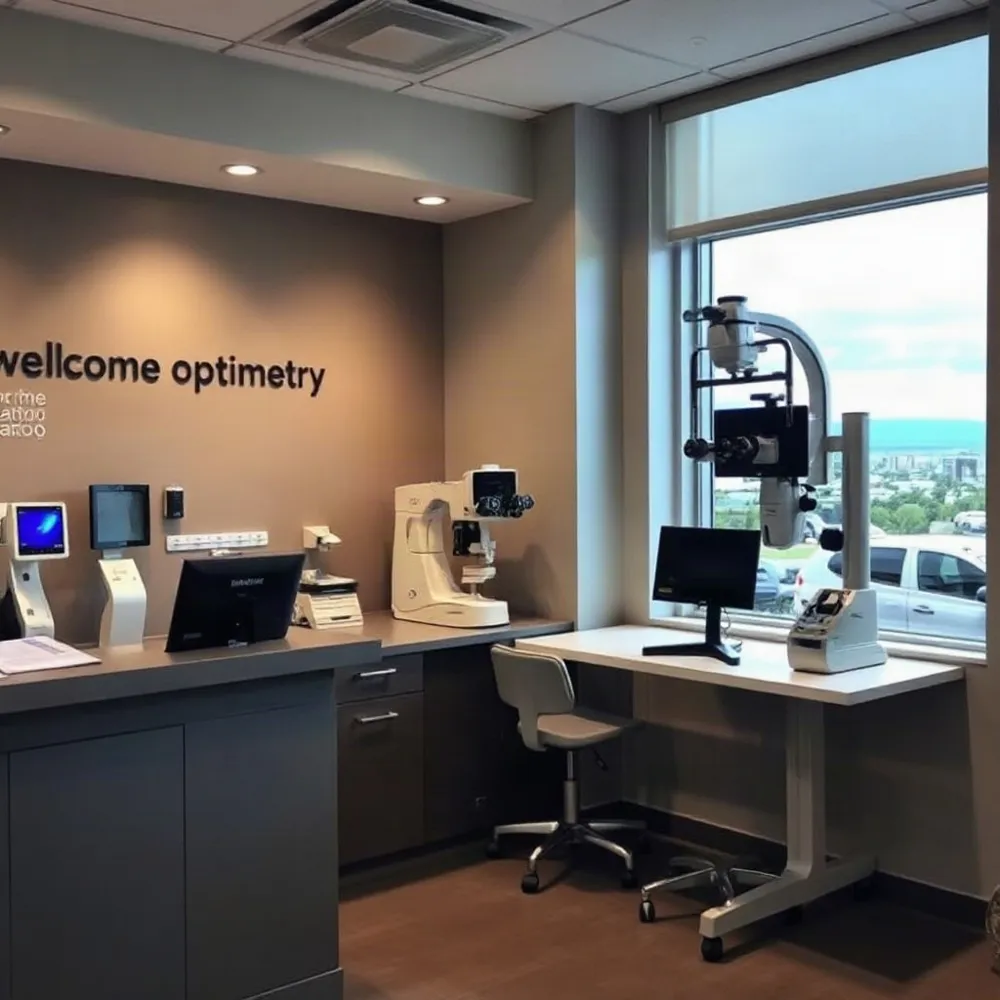
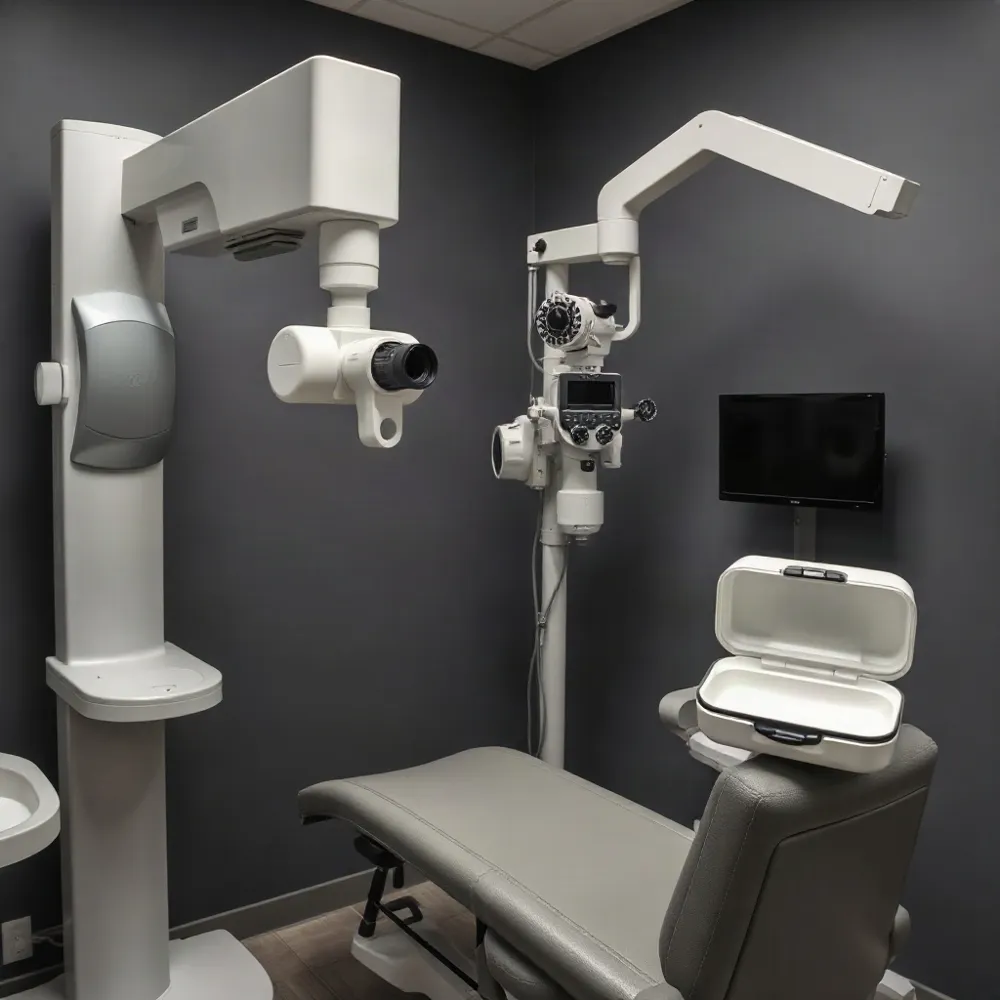
The human eye is the only part of the body where medical providers can directly observe blood vessels, nerves, and connective tissues without performing invasive surgery. At Apple Eye Care, we integrate advanced diagnostics like the DRI OCT Triton to assess these internal structures precisely. This approach helps identify early warning signs of systemic conditions such as hypertension and diabetes, which often remain asymptomatic in the eyes until reaching advanced stages.
Establishing a routine baseline exam is essential, as experts recommend a dilated eye exam starting at age 40 to monitor for age-related conditions like glaucoma and macular degeneration. Unlike generic screenings that may miss subtle changes, a thorough professional evaluation ensures that potential issues are identified before they cause permanent vision loss. By prioritizing these regular assessments, patients maintain better long-term control over their health and visual independence.
Uncovering Systemic Health Through The Window Of The Eye
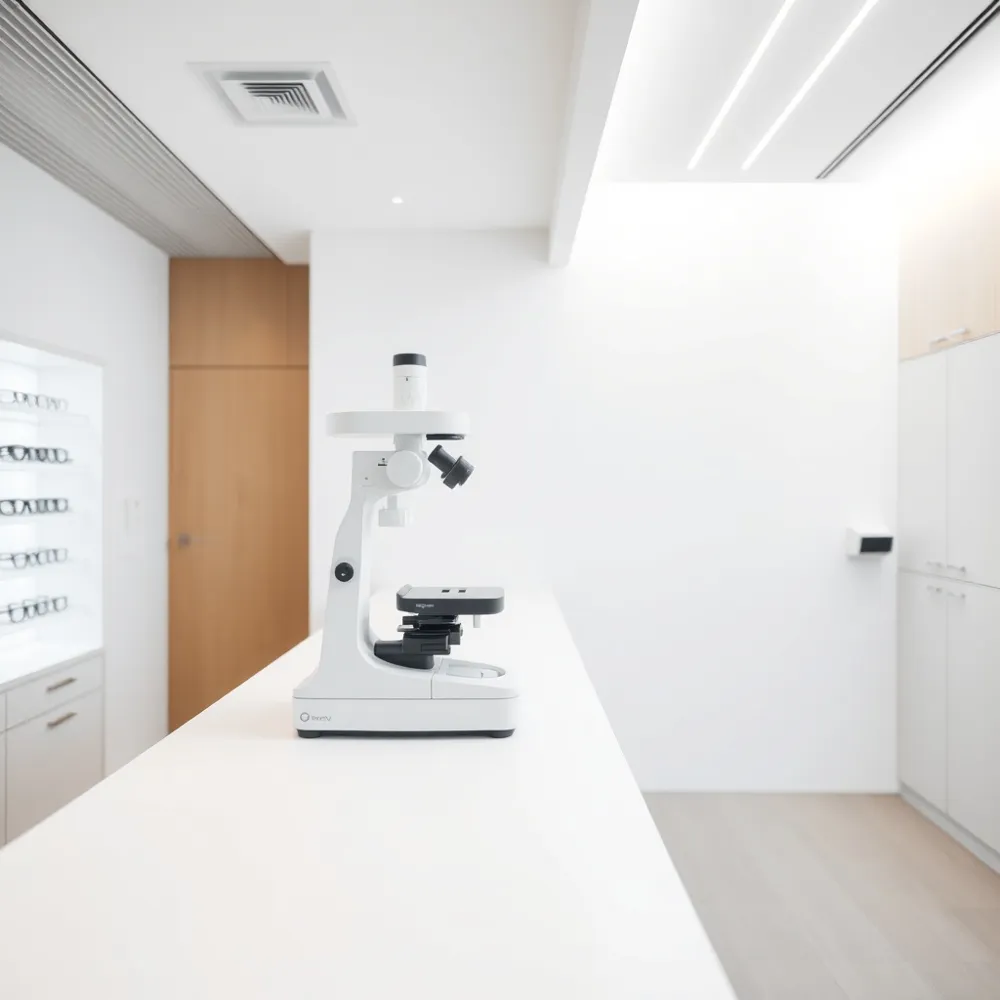 The human eye represents the only site in the body where medical professionals can directly observe blood vessels, nerves, and connective tissue without performing surgery How Optometry Can Save Lives. This unique accessibility makes the eye a powerful diagnostic window into your broader health status. At Apple Eye Care, we utilize advanced diagnostics such as the DRI OCT Triton to map these internal structures in high resolution, allowing us to identify subtle physiological changes long before you might experience a physical symptom.
- Hypertension is frequently detected through changes in retinal blood vessels, such as narrowing, swelling, or bleeding How Optometry Can Save Lives.
- Diabetic retinopathy often surfaces during routine exams as high blood sugar damages delicate retinal vessels, serving as a critical diagnostic indicator How Optometry Can Save Lives.
- Autoimmune conditions like lupus or rheumatoid arthritis can trigger inflammation in the cornea or uvea, which our clinical team evaluates during a comprehensive eye examination.
Beyond vascular and metabolic markers, the eyes act as a conduit for detecting neurological health issues. Optic neuritis, an inflammation of the optic nerve, can serve as an early clinical sign of multiple sclerosis before other systemic symptoms emerge How Optometry Can Save Lives. We also monitor for papilledema, or swelling of the optic nerve, which can indicate increased intracranial pressure related to an aneurysm or other brain-related conditions.
- What are the primary benefits of receiving a comprehensive eye exam?
- A comprehensive eye exam provides a critical, in-depth evaluation of your vision and overall ocular health that goes far beyond a simple vision screening. By utilizing advanced diagnostics like the DRI OCT Triton, Dr. Applebaum can examine the internal structures of your eyes to detect common conditions such as cataracts, glaucoma, and age-related macular degeneration at their earliest, most treatable stages. Additionally, these exams allow optometrists to identify systemic health issues—such as diabetes or high blood pressure—that often manifest signs behind the eyes before other symptoms appear. At Apple Eye Care, we also assess your peripheral vision, color perception, and tear film quality to address specific concerns like dry eye or digital eye strain. Ultimately, regular comprehensive exams are essential for maintaining long-term eye health, ensuring accurate vision correction, and preventing irreversible vision loss through proactive, personalized care.
What Happens During A Comprehensive Clinical Evaluation
 A comprehensive eye examination begins with a detailed review of your personal and family medical history. This foundation provides the necessary context for your optometrist to understand your specific risks and past ocular symptoms, which often go unnoticed in daily life. Unlike brief screenings, this process is designed to uncover conditions that are frequently asymptomatic in their early stages, such as glaucoma or diabetic retinopathy.
To evaluate your functional health, the doctor measures your visual acuity using standardized charts to assess how your eyes distinguish fine details at distance and near. Following this, refractive error testing determines if you need assistance with myopia, hyperopia, or astigmatism. At Apple Eye Care, we enhance this process with advanced diagnostic technology. This sophisticated system allows for high resolution imaging of the retina and optic nerve, often providing a detailed view of these internal structures without the physical discomfort sometimes associated with traditional dilation.
Diagnostic tools and techniques
Specialized instruments are essential for protecting your long term visual independence. Tonometry is a routine diagnostic step used to measure intraocular pressure, which serves as a critical indicator for glaucoma management. Simultaneously, a slit lamp biomicroscopy provides a magnified, stereoscopic view of the anterior and posterior segments of the eye, allowing the doctor to observe the cornea, iris, and lens with precision.
Optometrists also use a penlight as a vital preliminary diagnostic tool during the initial stages of every consult. By observing pupil reactivity to light and assessing ocular symmetry, a clinician can quickly identify concerns such as potential optic nerve issues or neurological anomalies. This handheld light also enables a rapid inspection of the eyelids, conjunctiva, and cornea, helping the doctor determine when advanced imaging or follow up procedures are necessary to ensure the health of your eyes.
Establishing A Personalized Schedule For Your Eye Health
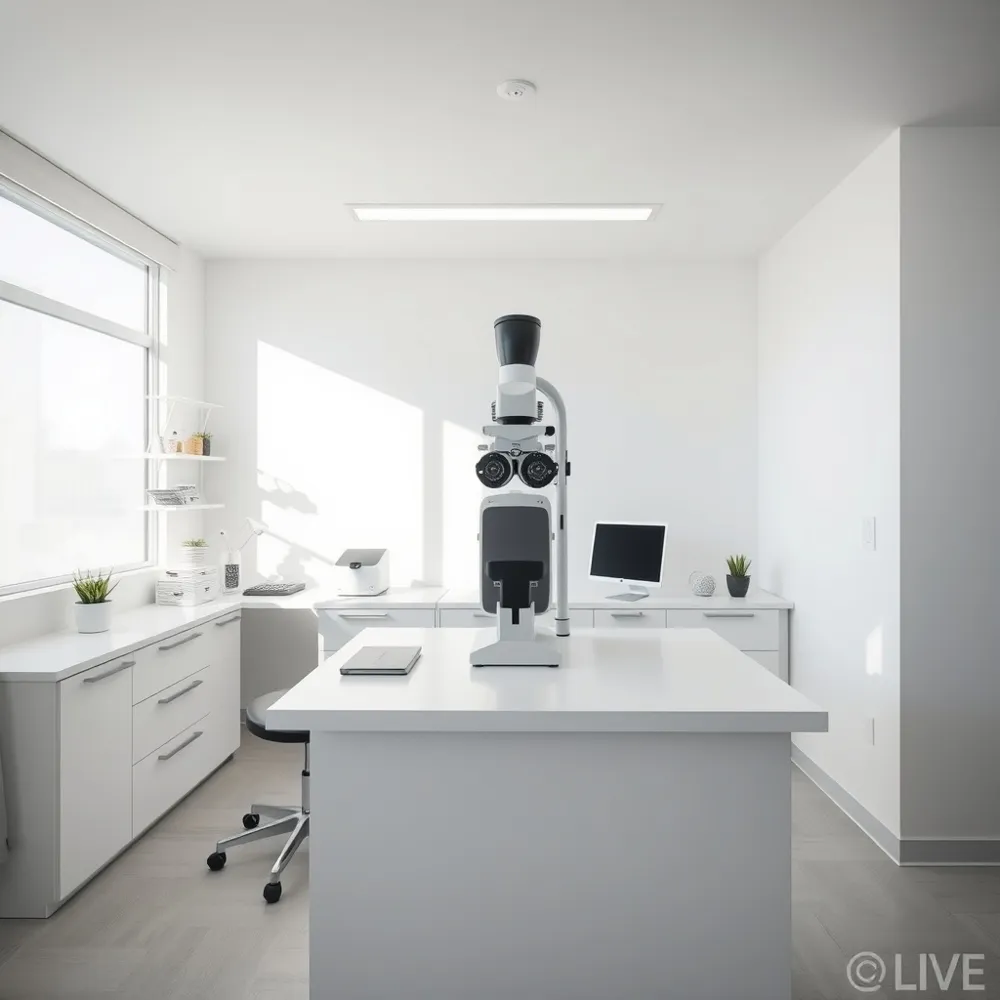 Regular, comprehensive eye exams serve as a vital benchmark for your long-term ocular health, even when your vision feels perfectly clear. Because many eye diseases lack early warning signs, establishing a consistent cadence is the most effective defense against irreversible vision loss. At Apple Eye Care, we tailor visit schedules to your specific health profile, ensuring that you receive the personalized attention needed for early detection of conditions like glaucoma, cataracts, or age-related macular degeneration.
How often should individuals undergo a comprehensive eye exam?
Guidelines for testing frequency evolve as you age. While the American Academy of Ophthalmology recommends a baseline screening at age 40, younger adults should maintain exams every two years. Once you reach age 50, professional recommendations suggest annual or biennial visits. Pediatric care is equally critical, with the US Preventive Services Task Force advising at least one screening between ages 3 and 5 to identify early signs of amblyopia.
Risk factors and urgent warnings
Certain circumstances necessitate a more aggressive schedule. Individuals with a family history of glaucoma, or those living with systemic conditions such as diabetes, should receive more frequent dilated exams to monitor their vascular health. At Apple Eye Care, we utilize advanced diagnostic imaging, such as the DRI OCT Triton, to detect subtle changes in retinal tissue that standard exams might miss. You should seek an immediate consultation if you experience sudden symptoms, including double vision, persistent pain, flashing lights, or a sudden increase in floaters, as these signs often require urgent clinical attention.
Essential Lifestyle Habits For Sustaining Clear Vision
Maintaining long-term ocular health requires a combination of professional monitoring and daily wellness choices. While advanced diagnostics like the DRI OCT Triton used at Apple Eye Care provide an internal look at your eye health, your habits outside the clinic play a significant role in preventing vision loss.
Supporting your eyes through nutrition
Your diet directly influences the underlying tissues of your retina. Consuming a variety of colorful fruits, dark leafy greens like kale and spinach, and fish high in omega-3 fatty acids (such as salmon or tuna) provides the antioxidants necessary for long-term health. These nutrients, including lutein and zeaxanthin, help shield your eyes from oxidative damage and reduce the risk of Age-Related Macular Degeneration and cataracts.
Integrated habits for long-term protection
Smoking Cessation. Tobacco use significantly elevates your risk for optic nerve damage and blindness. Cessation is one of the most effective steps you can take to lower your chance of developing serious eye conditions.
UV Protection. Sunlight can cause permanent ocular damage. Wearing sunglasses that block 99% to 100% of UVA and UVB radiation is critical for preventing degenerative lens and retinal changes.
Digital Eye Strain. To mitigate eye fatigue, follow the 20-20-20 rule: every 20 minutes, focus on an object 20 feet away for at least 20 seconds. This simple practice helps your eye muscles reset after periods of screen usage.
Weight management serves as a final pillar of eye health. Obesity increases systemic risks such as diabetes and hypertension, both of which can lead to vision-threatening complications. By maintaining a healthy weight and staying physically active, you improve total body circulation, which benefits your eyes just as much as your heart.
Committing To Your Long-Term Visual Independence
Prioritizing your eye health is one of the most effective ways to preserve your autonomy as you age. While many individuals rely on periodic vision screenings, these limited checks often miss the subtle, silent progression of diseases like glaucoma or diabetic retinopathy. Comprehensive eye examinations serve as a complete diagnostic foundation, allowing for early intervention that keeps your vision sharp and independent.
At Apple Eye Care, we integrate advanced diagnostics like the DRI OCT Triton with a compassionate, patient-focused approach to ensure your specific health profile is managed accurately. Unlike standard providers who focus strictly on prescription updates, our team monitors the functional health of your ocular system to prevent avoidable vision loss. We invite you to move beyond reactive care by establishing a consistent partnership with our practice, ensuring your eyes receive the long-term support required to sustain your quality of life. Visit www.appleeyecare.com today to schedule your next comprehensive evaluation.