A Focus on Trust: The Foundation of Glaucoma Care
Glaucoma is a group of eye diseases that damage the optic nerve, often through fluid buildup that raises intraocular pressure. Without treatment, it can cause irreversible vision loss and is a leading cause of blindness worldwide, an estimated 60 million people are affected globally. The disease is a silent threat because it typically has no early symptoms, and by the time a person notices vision changes, significant damage may have already occurred.
Managing a condition like glaucoma requires a long-term partnership between patient and provider. Trust in that relationship is essential because treatment often spans decades and depends on consistent monitoring, adherence to medication schedules, and shared decisions about procedures like selective laser trabeculoplasty or MIGS. Apple Eye Care builds that trust by putting the patient at the center of every care plan, using advanced technology for early detection and creating individualized strategies to protect vision for the long term.
The practice's approach mirrors the collaborative care model used at leading institutions such as the Mayo Clinic, where optometrists with specialized glaucoma training work alongside ophthalmologists to deliver high-quality, efficient care. Apple Eye Care offers comprehensive glaucoma services including advanced diagnostics like the DRI OCT Triton, which provides micrometer-resolution imaging of the optic nerve, and a full range of treatment options from prescription drops to surgical procedures. For patients in El Paso, this means they can receive sophisticated glaucoma management close to home, with the support and expertise of Dr. Stephen Applebaum and his team.
What Glaucoma Is and Why Early Detection Matters
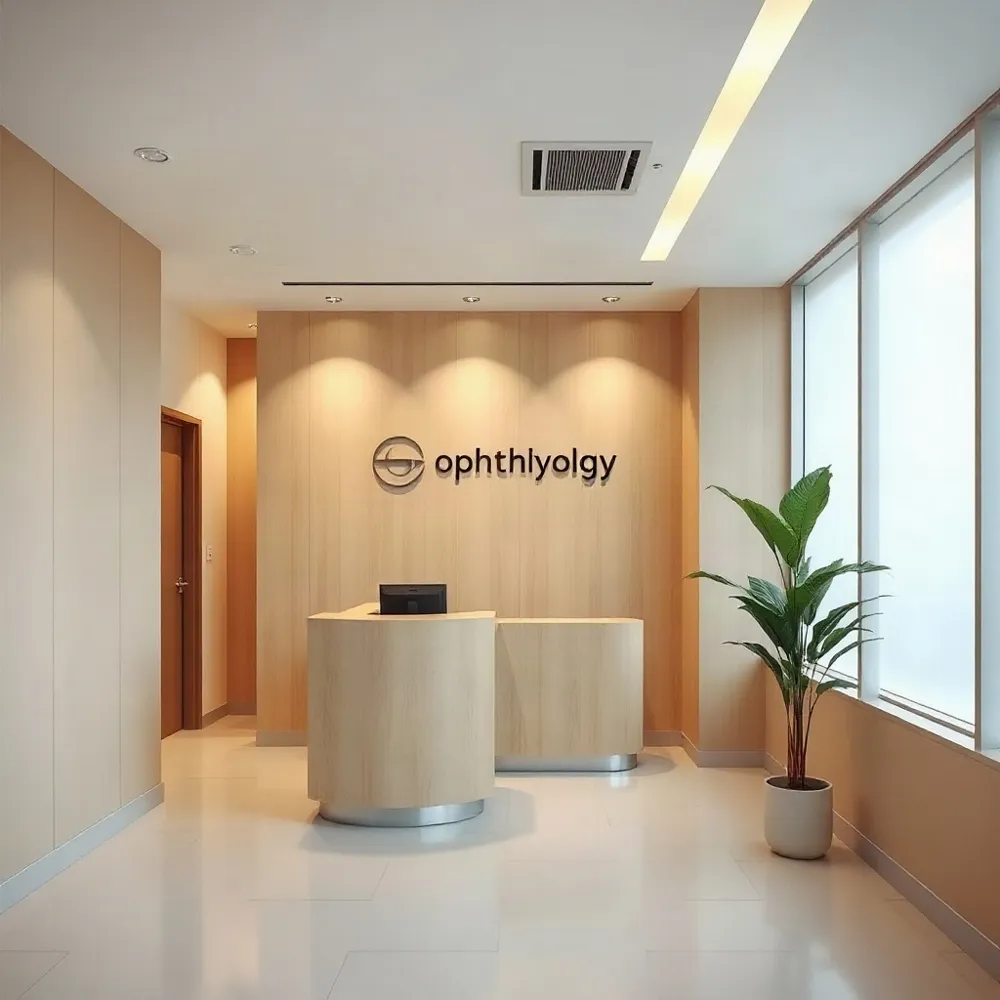 Glaucoma is a group of eye conditions that damage the optic nerve, which carries visual information from the eye to the brain. This damage is often caused by fluid buildup that increases intraocular pressure (IOP). It is a leading cause of blindness worldwide, and early detection is critical for preserving vision.
Types of Glaucoma and Their Onset
Open-angle glaucoma. The most common form, accounting for about 90% of cases. The eye’s drainage canals become less efficient, causing pressure to rise gradually. This type often has no early symptoms, making it a silent thief of peripheral vision.
Angle-closure glaucoma. A less common but more urgent condition where the iris blocks the eye’s drainage angle. It can cause rapid, severe symptoms such as eye pain, headache, nausea, and blurred vision. This is a medical emergency requiring immediate treatment to prevent rapid blindness.
Congenital and secondary glaucoma. Congenital glaucoma appears at birth or during infancy due to an abnormal drainage system. Secondary glaucoma results from an underlying condition, such as an eye injury, inflammation, certain medications (like long-term steroid use), or diabetes.
Elevated IOP is the most well-known risk factor, but glaucoma can also develop with normal eye pressure (normal-tension glaucoma). Other risk factors include age over 50, a family history of glaucoma, African American or Hispanic heritage, diabetes, high myopia, and long-term steroid use.
Why Early Detection Matters
Glaucoma typically affects peripheral vision first and moves inward, but most people do not notice changes until significant, irreversible vision loss has occurred. Routine screening eye exams can detect damage long before a patient notices symptoms.
At Apple Eye Care, Dr. Stephen Applebaum uses advanced technology such as the DRI OCT Triton to capture high-resolution images of the optic nerve. This advanced imaging allows the team to detect subtle structural changes, such as optic nerve thinning, before vision loss begins, enabling earlier and more effective treatment.
Advanced Diagnostics to See What Others Miss
Catching glaucoma early requires technology that can see damage before a patient notices vision loss. Apple Eye Care uses the DRI OCT Triton, a device that captures micrometer-resolution cross-sectional images of the retina and optic nerve. This level of detail allows clinicians to measure the retinal nerve fiber layer (RNFL) thickness with high precision, making it possible to detect the subtle thinning that signals early glaucoma.
One benchmark in OCT monitoring is the "rule of five": a decrease in RNFL thickness of 5 micrometers or more between visits is often considered a sign of progression. Because the DRI OCT Triton delivers such consistent measurements, clinicians can rely on this threshold to spot changes early and adjust treatment before vision loss advances.
Building a Complete Picture
A thorough glaucoma evaluation combines several tests. Visual field testing checks for peripheral vision loss that may not yet be noticeable. Tonometry measures intraocular pressure (IOP), while gonioscopy examines the eye's drainage angle. Pachymetry gauges corneal thickness, which can affect pressure readings. A dilated eye exam gives the doctor a direct view of the optic nerve's health. Together, these tools at Apple Eye Care create a detailed baseline that can be compared with future visits.
Some patients worry about screen time. While prolonged digital device use can cause temporary IOP increases after 20–40 minutes, current research does not show that screens directly cause glaucoma. For those already diagnosed, healthy habits such as following the 20-20-20 rule and taking regular breaks can help manage digital eye strain without affecting glaucoma risk.
By integrating objective imaging data from the first visit, Apple Eye Care reduces trial-and-error in treatment planning and turns each routine exam into a proactive strategy for preserving sight.
Personalized Treatment Plans Backed by Proven Options
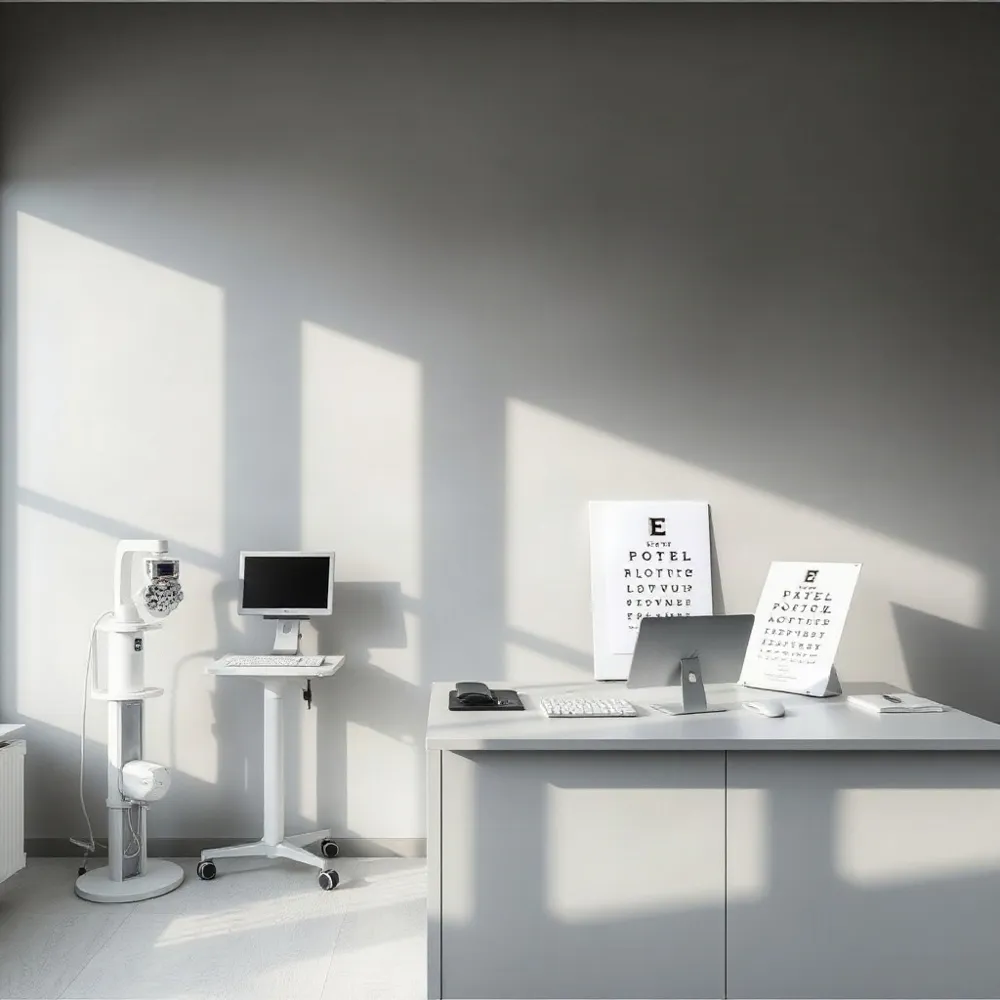 No two cases of glaucoma progress the same way. For one patient, daily eye drops may control pressure for years. For another, the same drops might cause irritation or fail to lower pressure enough. That is why treatment plans are tailored to individual needs — the right option depends on the type of glaucoma, the level of eye pressure, and the patient's overall health and lifestyle.
First-line treatment typically begins with prescription eye drops. Different classes, such as prostaglandin analogs or beta blockers, work by either reducing fluid production or improving drainage from the eye. These drops are often effective on their own, but some patients need more than one type or cannot tolerate the side effects.
For those with open-angle glaucoma, an in-office laser procedure called Selective Laser Trabeculoplasty (SLT) is a highly effective and painless option. It takes about five minutes and stimulates the eye's natural drainage system to lower pressure. Many patients find they can reduce or even stop using daily drops after SLT.
When medication and laser are not enough, Minimally Invasive Glaucoma Surgery (MIGS) offers a safe, effective next step. Procedures like the iStent, Hydrus micro-bypass stent, or Kahook Dual Blade create new drainage pathways with tiny incisions and a much faster recovery than traditional glaucoma surgery.
A newer innovation is the iDose TR implant, a time-release medication pump placed inside the eye that provides continuous pressure control for months without the daily hassle of eye drops. Apple Eye Care incorporates these advanced options into personalized care plans, helping patients find the solution that fits their needs.
Why Lifestyle Choices Matter in Glaucoma Management
 While medical treatment is the cornerstone of glaucoma care, everyday habits can influence eye pressure and optic nerve health. A balanced lifestyle supports your treatment plan and may help slow disease progression.
Diet: What to Eat and What to Limit
Best foods. Antioxidant-rich foods like dark leafy greens, colorful fruits and vegetables, and fatty fish (salmon, tuna) help protect the optic nerve. Whole grains and a varied plant-based diet are recommended to support overall eye health.
Foods to watch. Caffeine—found in coffee, tea, and dark chocolate—can temporarily spike intraocular pressure. Moderate your intake, especially if you are sensitive to its effects.
Dietary changes complement, but never replace, your prescribed medication or treatment plan. Always follow your eye doctor's recommendations.
Exercise and Screen Habits
Moderate aerobic exercise—such as brisk walking, cycling, or swimming—has been shown to help lower intraocular pressure. However, avoid heavy lifting or inverted yoga poses, as these can temporarily raise eye pressure.
Extended screen time can contribute to eye strain. Follow the 20-20-20 rule: every 20 minutes, look at something 20 feet away for 20 seconds. Use proper lighting at your workstation and take regular breaks to reduce fatigue.
Smoking and UV Protection
Smoking increases oxidative stress and damages blood vessels, which can worsen glaucoma. Quitting smoking is one of the most impactful lifestyle changes you can make. Wear sunglasses that block 99 to 100 percent of UVA and UVB rays whenever you are outdoors to reduce risk of cataract and support long-term eye health.
Apple Eye Care integrates lifestyle guidance with objective imaging data from tools like the DRI OCT Triton. By combining healthy habits with personalized monitoring, patients in El Paso build a sustainable strategy for preserving vision alongside their medical care.
Collaborative Care: A Connected Approach to Vision Health
Glaucoma management is a team effort that blends the strengths of optometrists and ophthalmologists to deliver consistent, high-quality care. In collaborative care models, optometrists with specialized training in glaucoma handle routine follow-ups, medication management, and patient education, while ophthalmologists oversee complex diagnoses, set target intraocular pressure levels, and perform surgeries when needed. This approach ensures patients receive timely attention from the right provider at every stage of their care journey.
Leading institutions such as the Mayo Clinic and the Kellogg Eye Center have adopted structured collaborative models where optometrists and ophthalmologists share responsibilities, reporting high patient satisfaction and strong clinical outcomes. Studies confirm that optometric involvement in glaucoma care produces diagnosis and management recommendations comparable in accuracy to hospital eye services, and patients report high satisfaction with reduced wait times and shorter travel distances.
At Apple Eye Care in El Paso, Dr. Stephen Applebaum integrates this collaborative philosophy by co-managing patients with local surgeons if laser treatment or surgery becomes necessary. The practice uses the DRI OCT Triton for high-resolution imaging and creates personalized treatment plans that coordinate follow-up schedules, medication adjustments, and lifestyle guidance. For patients, this means reduced travel, shorter clinic visits, and consistent, individualized attention from a team that communicates closely on every aspect of their care.
What Patients Can Expect at Apple Eye Care in El Paso
Patients at Apple Eye Care begin with a comprehensive glaucoma evaluation. This includes intraocular pressure measurement, optic nerve assessment, OCT imaging using the DRI OCT Triton, and visual field testing to track changes over time. The goal is to detect damage before noticeable symptoms emerge.
Based on the results, the team creates a personalized follow-up schedule. Patients with early-stage or well-controlled glaucoma may be seen every six to twelve months, while those with advanced disease or rapid progression are monitored more frequently. This risk-based approach ensures that treatment adjustments happen promptly, and patients receive clear education on drop adherence and lifestyle integration.
If laser therapy, MIGS, or traditional surgery becomes necessary, Apple Eye Care coordinates a seamless referral to a trusted ophthalmologist or glaucoma specialist. Dr. Stephen Applebaum leads the family-focused team, emphasizing consistent monitoring, modern technology, and a supportive atmosphere. The practice acts as the patient's home base for routine care, while the specialist handles surgical intervention when advanced procedures are indicated.
This collaborative approach reflects the broader trend in glaucoma management, where optometrists work closely with specialists to maximize efficiency and patient access. Studies at institutions like the Mayo Clinic and Kellogg Eye Center have shown that such models produce high-quality outcomes and high patient satisfaction.
Why Patients Trust Us for Their Glaucoma Journey
From advanced diagnostics like the DRI OCT Triton to personalized treatment plans and lifestyle guidance, Apple Eye Care brings together all the elements that make glaucoma management effective. The practice's commitment to early detection extends beyond routine testing, aiming to preserve vision for life by catching subtle optic nerve changes before symptoms develop.
Trust grows from consistent monitoring, thorough patient education, and a compassionate approach. Dr. Stephen Applebaum and his team ensure each patient understands their condition and treatment options, fostering a partnership that prioritizes long-term eye health.
If you or a loved one are ready to take the next step in protecting your vision, schedule a comprehensive eye exam at Apple Eye Care. The practice's family-focused environment and modern technology provide the foundation for a glaucoma care journey you can rely on.