A Choice Shaped by Your Eyes
LASIK, PRK, and SMILE all reshape the cornea to correct refractive errors and may reduce reliance on glasses or contact lenses. They differ in how they reach and change corneal tissue, which affects healing, recovery, and who may be eligible. Mayo Clinic’s overview of LASIK and the Cleveland Clinic’s guide to SMILE explain these procedures and their individual considerations.
The right choice depends on more than a prescription. Corneal shape and thickness, eye health, dry-eye concerns, daily activities, and recovery priorities all matter. A clinical discussion of matching patients to these procedures emphasizes individualized assessment rather than a universal best option (Review of Ophthalmology).
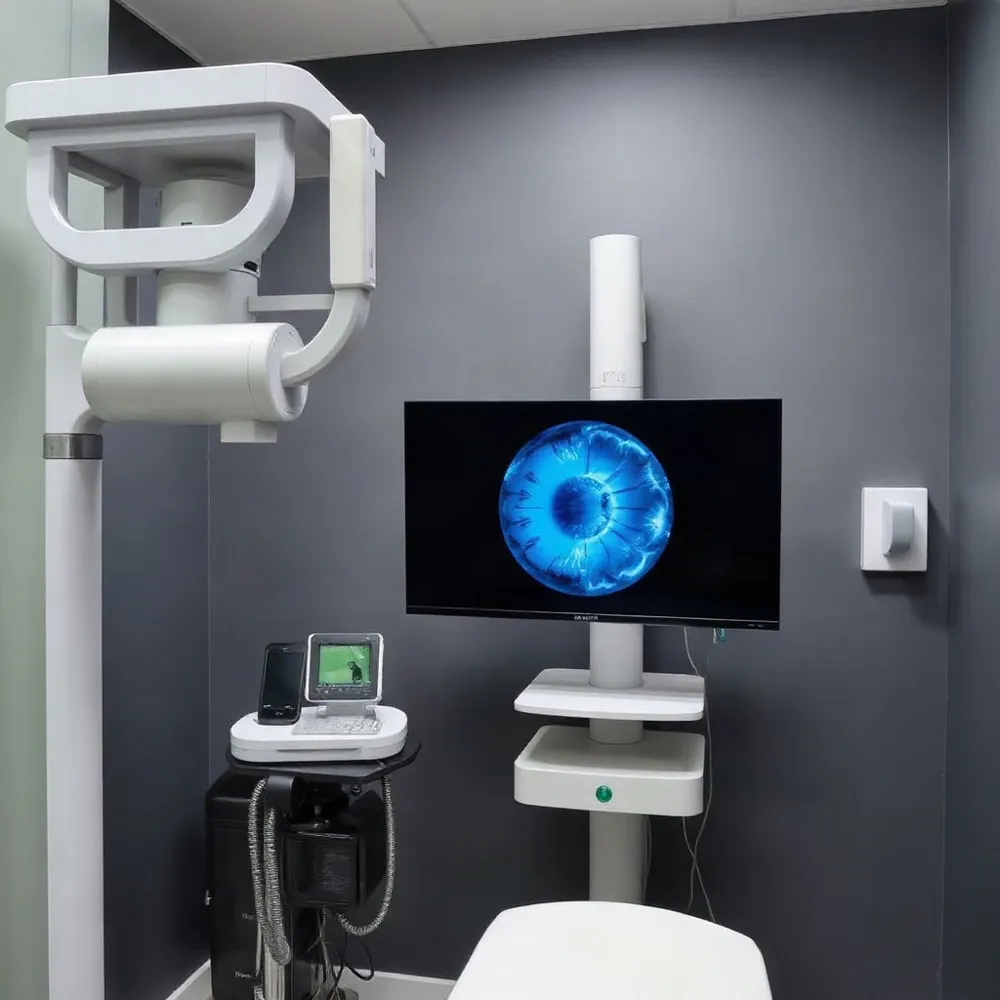
At Apple Eye Care in El Paso, comprehensive eye exams and advanced diagnostics, including DRI OCT Triton, support personalized assessment of eye health. An examination can help clarify what questions to raise with a refractive-surgery professional before choosing a procedure.
How the Three Procedures Reshape the Cornea
 LASIK, PRK, and SMILE reshape corneal tissue in different ways, so the method matters as much as the vision correction a patient hopes to achieve.
How does each procedure change the cornea?
With LASIK, the surgeon creates a thin flap, reshapes the corneal tissue beneath it with a laser, then returns the flap to position. Many patients value its fast early visual recovery, but the cornea must be thick and healthy enough for the planned treatment. Temporary dry-eye symptoms are also possible. LASIK’s procedure and considerations describes the flap and the need for a preoperative eye evaluation.
PRK is a surface procedure. The surgeon removes the outer epithelial layer and reshapes the cornea without making a flap. It may be considered for some people with thinner corneas or a higher chance of eye trauma, but the surface needs time to heal and recovery can be slower. These factors do not establish candidacy on their own.
SMILE uses a femtosecond laser to create a small piece of corneal tissue, called a lenticule, which the surgeon removes through a small incision. It does not create a LASIK-style flap. Cleveland Clinic’s overview of SMILE explains the procedure and its treatment range.
Which prescriptions can they treat?
LASIK and PRK can treat nearsightedness, farsightedness, and astigmatism within appropriate limits. SMILE is used for nearsightedness and some astigmatism within approved indications, but it does not treat farsightedness. The right option depends on prescription, corneal shape and thickness, eye health, lifestyle, and recovery priorities. A clinical discussion of matching patients with LASIK, SMILE, or PRK emphasizes this individual assessment.
At Apple Eye Care, comprehensive eye exams and advanced diagnostics, including DRI OCT Triton, support evaluation of eye health and vision needs. These findings can inform a conversation about options; they do not mean every patient is a candidate for every procedure. All three methods can provide strong results in carefully selected patients, but none guarantees freedom from glasses or contacts.
Candidacy Requires More Than a Prescription
 A prescription that falls within a procedure’s treatment range is only one part of candidacy. The clinician also considers whether vision is stable, the eyes are healthy, the cornea has suitable shape and thickness, and expectations fit what surgery can achieve. Age and prescription-stability requirements vary by procedure and individual assessment.
At Apple Eye Care in El Paso, an eye exam and advanced diagnostics, including DRI OCT Triton imaging, help assess eye health and identify concerns that may need attention before discussing vision correction. A refractive evaluation may include corneal topography or tomography, thickness measurements, refraction, and an examination of the tear film and ocular surface. These findings help clinicians assess corneal stability and whether treatment could leave enough healthy tissue.
Thin or irregular corneas, keratoconus, significant dry eye, unstable vision, and active infection or inflammation can rule out surgery or mean it should be postponed. Glaucoma and some systemic illnesses or medications may also affect risk or healing. Pregnancy and nursing can change measurements, so clinicians may recommend waiting until vision and the ocular surface are stable. Clinical guidance on matching patients with LASIK, SMILE, or PRK emphasizes assessing corneal shape, thickness, eye health, and patient expectations together.
Activities matter, too. Contact sports or work with a risk of eye injury may affect whether a flap-based procedure is a suitable choice. Not qualifying for LASIK does not automatically rule out PRK, SMILE, or options that do not reshape the cornea; each has its own limits. Apple Eye Care also provides dry eye treatment and care for conditions such as glaucoma, which can help address eye-health concerns as part of an individualized evaluation. A qualified eye-care professional can explain which options, if any, fit the examination findings.
Risks and Expectations After Surgery
Temporary dryness, light sensitivity, glare, halos, and blurry or fluctuating vision can occur while the eyes heal after LASIK, PRK, or SMILE. Some symptoms improve over time, but duration and severity vary. At Apple Eye Care, evaluation of eye health includes attention to conditions such as dry eye, which can affect how a patient weighs vision-correction options.
Each procedure has distinct considerations. LASIK creates a corneal flap, so rare complications can include wrinkles or displacement. PRK removes the surface layer of the cornea, which can mean more immediate discomfort and slower healing, along with a very low risk of corneal haze. LASIK complication risks and the differences among procedures should be discussed during an individual assessment.
SMILE does not create a LASIK-style flap, so it avoids flap-related complications, but it is not risk-free. Dry eye, glare, halos, or other healing issues can still occur. A comparison of LASIK and SMILE notes that dry-eye symptoms may differ during early recovery, while outcomes vary across patients and over time. LASIK and SMILE risks should not be treated as a prediction of any one person’s experience.
Other possible concerns across refractive surgery include residual prescription or regression, infection, inflammation, and corneal weakening or ectasia. The likelihood of these problems depends on factors such as eye health, prescription, screening results, and healing. Apple Eye Care’s eye exams and advanced diagnostics, including DRI OCT Triton, help assess eye health, but a refractive-surgery professional must determine procedure-specific risks and candidacy.
Laser correction also does not stop age-related vision changes such as presbyopia. Some people may still need glasses for reading, night driving, or other activities, either soon after surgery or later in life. Discussing these limits in advance can help set realistic expectations for the result.
Recovery Timelines and Returning to Activities
 The first days after surgery can look different depending on the procedure. Many LASIK patients regain vision suitable for routine activities within a day or two, while vision after SMILE often improves quickly but may take several days to become crisp. Mayo Clinic’s LASIK overview notes that vision can keep improving as the eyes heal.
PRK usually requires more patience because the corneal surface must heal. Discomfort and blurry vision are common during the first few days. Some people return to daily activities after about a week, but visual improvement can continue for weeks or months. Apple Eye Care’s eye exams and advanced diagnostics, including DRI OCT Triton, support thorough assessment of eye health before discussing vision correction options.
These are general patterns, not promises. Seeing more clearly does not necessarily mean healing is complete, and activity restrictions depend on the procedure and the individual. Cleveland Clinic describes SMILE recovery as typically taking a day or two, with vision continuing to improve afterward (SMILE recovery guidance).
Follow the treating surgeon’s instructions for prescribed drops and follow-up visits, and ask when it is safe to drive, return to work, exercise, swim, or resume contact sports. Do not drive until your vision is adequate and your clinician has cleared you. Apple Eye Care also provides dry eye treatment, which can be relevant when discussing ocular-surface health and recovery expectations.
Understanding Costs and Coverage
How much do LASIK, PRK, and SMILE cost, and may insurance cover any of the expense? One supplied estimate puts LASIK at about $4,492 total, or roughly $2,250 per eye. Treat that as a general reference, not a guaranteed price: the amount can vary by provider, technology, prescription, and the follow-up care included.
PRK and SMILE may cost within a similar range, but there is no single national price that applies to every patient. Request an individualized quote and ask whether it covers preoperative testing, follow-up visits, medications, and any necessary enhancements.
Standard health insurance often treats laser vision correction as elective and may not cover it. Some vision plans may provide discounts or other benefits, so check directly with your insurer before budgeting. Financing options and eligible FSA or HSA funds may also help pay for treatment.
Make the Decision With an Examination
A comparison of LASIK, PRK, and SMILE can help you prepare questions, but it cannot determine which procedure is right for your eyes. A qualified eye-care professional needs to assess your prescription, corneal shape and thickness, tear-film health, and overall eye health. Clinical guidance on matching patients to each procedure emphasizes that these factors, along with lifestyle and expectations, inform an individualized recommendation.
At Apple Eye Care in El Paso, comprehensive eye exams and advanced diagnostics, including DRI OCT Triton, support evaluation of eye health and vision needs. Bring up your daily activities, concerns about recovery, and what you hope surgery will achieve. The discussion can clarify whether laser correction is appropriate, which trade-offs matter in your case, and whether glasses, contact lenses, or another option may better fit your needs.