Start With Everyday Family Routines
Family eye care can grow from small, repeatable habits: scheduling checkups, serving leafy greens and fish, taking screen breaks, and choosing protective eyewear for risky activities. These routines make it easier for children and adults to look after their vision as part of everyday life.
At Apple Eye Care, comprehensive optometry includes eye exams and advanced diagnostics, alongside personalized attention from a family-focused team in El Paso. Home habits matter, but they cannot replace an exam or advice tailored to a person’s health and risks. The CDC’s eye-care guidance recommends discussing exam timing with an eye-care professional, since needs vary.
Family Eye Health Practices
- Comprehensive dilated eye exams can detect eye diseases that vision screenings may miss; exam frequency depends on age, health, vision, and risk factors.
- The CDC recommends children have at least one eye exam between ages 3 and 5; people with diabetes or high blood pressure should ask how often they need exams.
- Share family eye-health history with an eye-care professional because inherited conditions, including glaucoma, may affect screening recommendations.
- A varied diet with leafy greens, fruits, vegetables, and omega-3-rich fish supports eye health, but no single food guarantees better eyesight.
- Regular activity, a healthy weight, and not smoking support overall health and may help reduce risks associated with eye problems.
- Choose sunglasses that block 99% to 100% of UVA and UVB radiation; a hat provides added shade but does not replace sunglasses.
- Use the 20-20-20 rule during screen use: about every 20 minutes, look roughly 20 feet away for at least 20 seconds.
- Prolonged screen use can cause temporary dryness, tiredness, irritation, blurred vision, and headaches; seek professional advice if symptoms persist or worsen.
- Use hazard-appropriate protective eyewear for repairs, yard work, sports, and chemical experiments; regular glasses and sunglasses may not withstand impacts.
- Contact lens wearers should wash their hands before handling lenses and follow care and replacement instructions; persistent redness, pain, drainage, or vision changes warrant professional assessment.
1. Make Comprehensive Eye Exams Routine
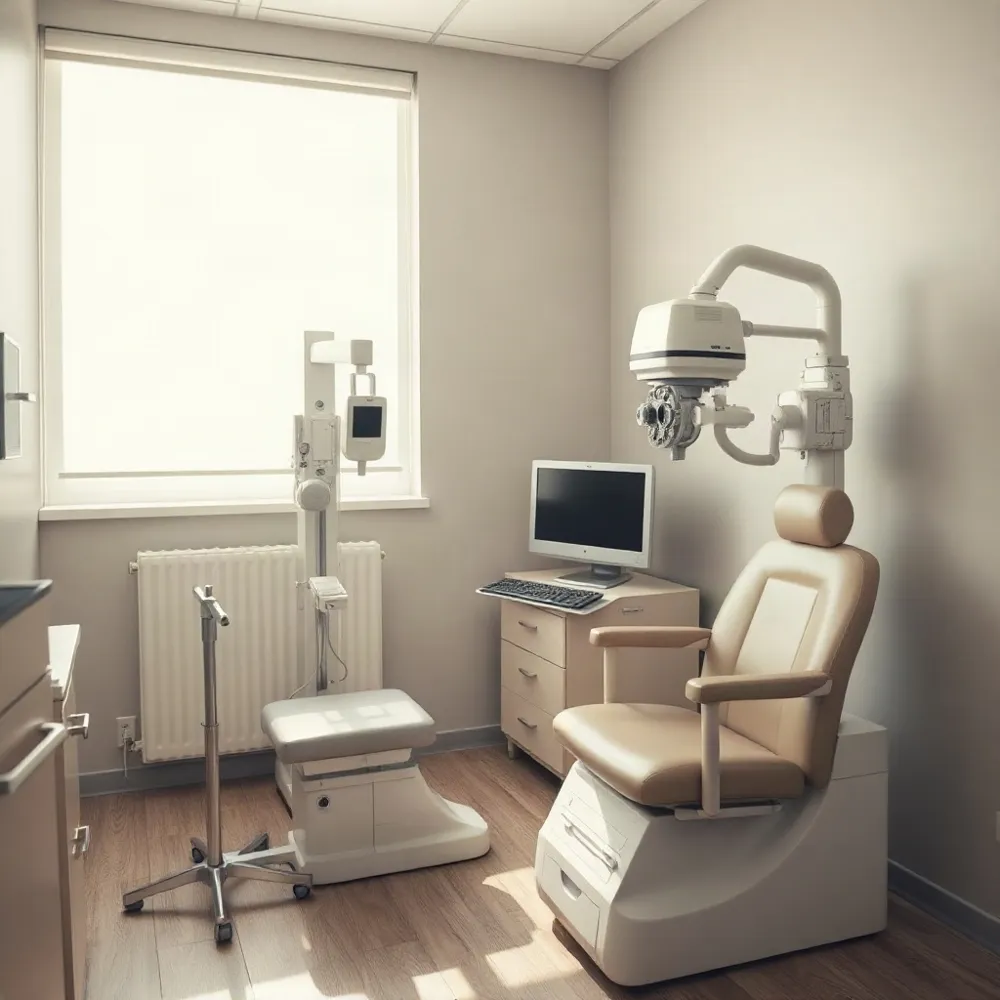 A vision screening checks how clearly someone sees at near or far distances, but it may not detect eye diseases that develop without noticeable symptoms. A comprehensive dilated eye exam lets an eye-care professional examine the retina and optic nerve and look for problems early. Learn more about comprehensive dilated eye exams.
How often should you have a comprehensive eye exam? The right schedule depends on age, health, vision, and risk factors, so ask an eye-care professional rather than relying on a single interval. The CDC says children should have at least one eye exam between ages 3 and 5. People with diabetes or high blood pressure should ask how often they need exams, since many need them yearly.
Share your family’s eye-health history at appointments. Some conditions, including glaucoma, can run in families, and that information may affect screening recommendations. At Apple Eye Care in El Paso, comprehensive exams and advanced diagnostics are part of its optometry services, allowing care to be tailored to each patient’s needs.
2. Build Eye-Friendly Meals and Active Habits
Which foods and nutrients support eye health? A varied diet can include dark leafy greens such as spinach, kale, and collard greens, along with omega-3-rich fish such as salmon, tuna, trout, or halibut. The National Eye Institute’s healthy vision guidance also recommends a mix of fruits and vegetables.
No single food or nutrient guarantees better eyesight, and supplements are not a substitute for balanced meals. Ask a health professional before starting supplements, especially if a family member has a health condition or takes medication.
Regular physical activity and maintaining a healthy weight support overall health and may help protect vision by lowering the risk of conditions linked to eye problems. Apple Eye Care’s comprehensive optometry care in El Paso includes attention to conditions such as diabetic eye disease, alongside personalized guidance from an eye care professional.
Avoiding smoking is another practical way to support eye health. The CDC includes not smoking among its recommendations for taking care of your eyes.
3. Protect Eyes From Sun and Smoke
Make sun protection a family routine: keep sunglasses handy by the door, in the car, or in a day bag so they are easy to wear outdoors. Choose lenses that block 99% to 100% of both UVA and UVB radiation, as recommended by the National Eye Institute.
Repeated ultraviolet exposure can raise the risk of cataracts and age-related macular degeneration over time. A hat can add shade, but it does not replace sunglasses. At Apple Eye Care in El Paso, families can discuss eye-health concerns and personalized care with an optometry team.
A smoke-free home and car are another shared habit that supports eye health. Smoking is associated with cataracts, macular degeneration, and damage to the optic nerve; avoiding secondhand smoke also helps limit exposure. The CDC’s eye-care guidance recommends quitting smoking or never starting as part of protecting vision.
4. Make Screen Breaks Part of the Day
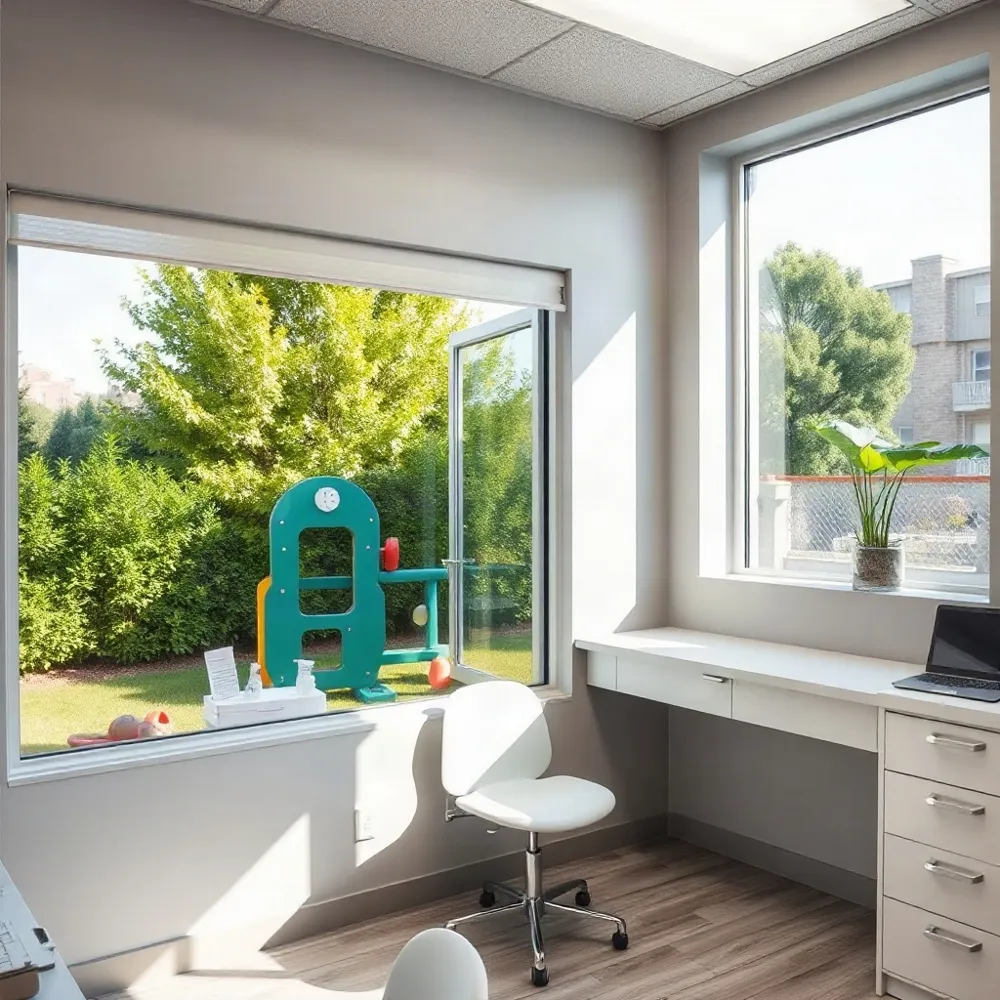 The 20-20-20 rule gives families an easy screen-break cue: about every 20 minutes, look at something roughly 20 feet away for at least 20 seconds. This brief pause interrupts close focusing, though it is not a guaranteed fix for discomfort. The National Eye Institute’s screen guidance recommends the same routine.
Regular blinking, reduced screen glare, comfortable brightness, and good room lighting can make viewing easier. During longer stretches of homework or gaming, encourage children to take a proper break and shift to an activity that does not involve close-up focus. Apple Eye Care’s comprehensive eye exams can help assess vision and eye health when concerns arise.
Screen use can cause temporary dry or tired eyes, headaches, or blurred vision, but those symptoms alone do not mean permanent damage. Near work and less time outdoors are associated with childhood nearsightedness; screens alone have not been shown to cause it. Balance reading and device use with outdoor play, and contact an eye care professional if discomfort persists.
5. Help Children Speak Up About Vision
Children may not realize that blurry vision or trouble seeing the board at school is unusual. Encourage them to tell a parent, caregiver, or teacher if they squint, have headaches, struggle with schoolwork, or notice eye discomfort. The National Eye Institute offers healthy vision tips for children, including speaking up about changes.
Routine screenings are useful, but they may not identify every concern. Ask an eye-care professional whether a comprehensive exam is appropriate, especially when symptoms persist. At Apple Eye Care in El Paso, comprehensive exams and advanced diagnostics can help assess a child’s vision and eye health.
For comfortable viewing, keep screens at a reasonable distance, use good lighting, and build breaks into near work. Outdoor play gives children time away from close-up tasks. Seek professional care promptly for ongoing pain or blurry vision, and urgently for sudden changes.
6. Use Protective Eyewear for Risky Tasks
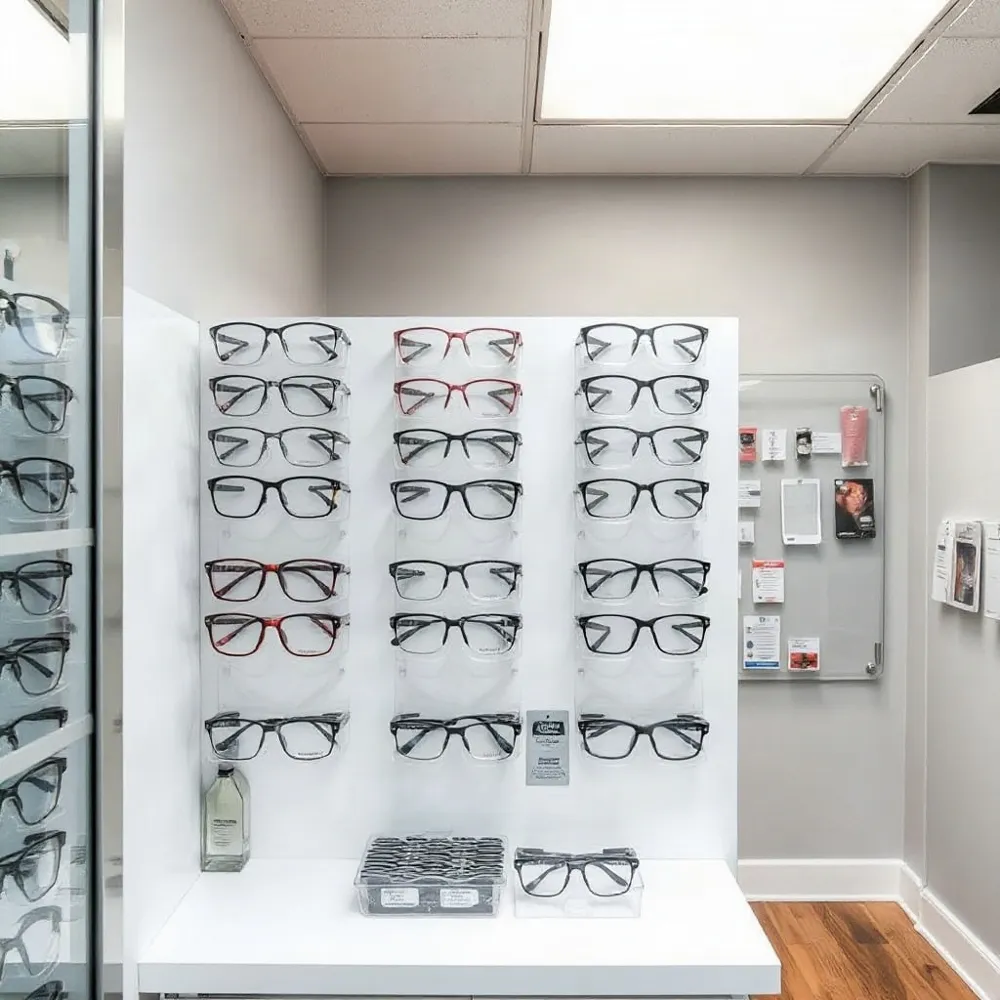 How can you prevent eye injuries? Make protective eyewear part of any activity that could send debris, chemicals, or an object toward the eyes. At home, Apple Eye Care’s family-focused optometry includes practical guidance on prevention and professional care when an injury occurs.
Regular glasses and sunglasses are not designed to withstand every impact, so choose safety eyewear suited to the hazard. For home repairs, painting, and yard work, keep a pair of ANSI-approved protective eyewear with household tools. Sports require protection made for the activity, and science experiments involving chemicals call for appropriate goggles.
Keep children and other bystanders out of active work areas, or have them wear suitable eye protection. Children should use sports protection during practices as well as games. If an eye injury occurs, seek prompt professional medical attention.
7. Keep Contact Lenses and Glasses Clean
Clean lenses and washed hands help make everyday eyewear safer to use. Contact lens wearers should wash their hands before putting lenses in or taking them out, then follow the care and replacement instructions provided for their lenses. These steps help lower the risk of eye infections, as MedlinePlus explains.
Avoid rubbing your eyes, especially with unwashed hands, which can transfer dirt and germs. For glasses, clean smudged lenses so they do not interfere with clear vision, and ask an adult for help with cleaning or safe storage when needed. Apple Eye Care offers comprehensive optometry services in El Paso, including personalized care for families with different vision needs.
Do not rely on home care alone if redness, pain, drainage, or changes in vision persist. Contact an eye-care professional for an assessment, particularly if symptoms worsen.
Recognize Digital Eye Strain Symptoms
What are common symptoms of digital eye strain? After prolonged screen use, eyes may feel tired, sore, dry, irritated, or red, and may water. Blurred vision, trouble focusing, and headaches can occur too. Some children also feel neck or shoulder discomfort during extended close-up tasks, as described by Children’s Hospital of Philadelphia.
A pause from screens may ease temporary discomfort. If symptoms continue, worsen, or interfere with daily activities, arrange advice from an eye-care professional. At Apple Eye Care in El Paso, an eye exam can assess persistent concerns and help determine whether they relate to screen habits or another vision issue.
Turn Small Steps Into Lasting Care
Regular eye care works best as part of family life: keep up with professional exams, healthy routines, screen breaks, and protective eyewear for risky activities. Apple Eye Care offers eye exams and advanced diagnostics, including DRI OCT Triton, in its El Paso practice.
Ask an eye-care professional how often each family member needs an exam, and seek advice for persistent symptoms or an eye injury. The CDC’s eye-care guidance also recommends discussing personal risk factors and family history with a provider.