Look Beyond Clear Vision
Seeing clearly does not always mean your eyes are healthy. Some eye diseases develop without noticeable early symptoms, so vision changes may appear only after a condition has progressed. A comprehensive eye exam looks beyond how sharply you can read a chart, assessing eye health and checking for signs that may need further attention. The CDC explains why comprehensive dilated exams can help detect eye disease early.
Modern diagnostic tools can add detail to that assessment. Optical coherence tomography, or OCT, creates cross-sectional images of structures such as the retina and optic nerve, helping an eye-care provider evaluate possible concerns and monitor changes. OCT supports assessment of eye structures, but its findings are interpreted alongside an examination and a person’s health history.
At Apple Eye Care in El Paso, comprehensive optometry services include advanced diagnostics with DRI OCT Triton. Technology contributes useful information, while the eye-care professional’s examination and judgment guide what it means for each patient.
What A Comprehensive Exam Can Reveal
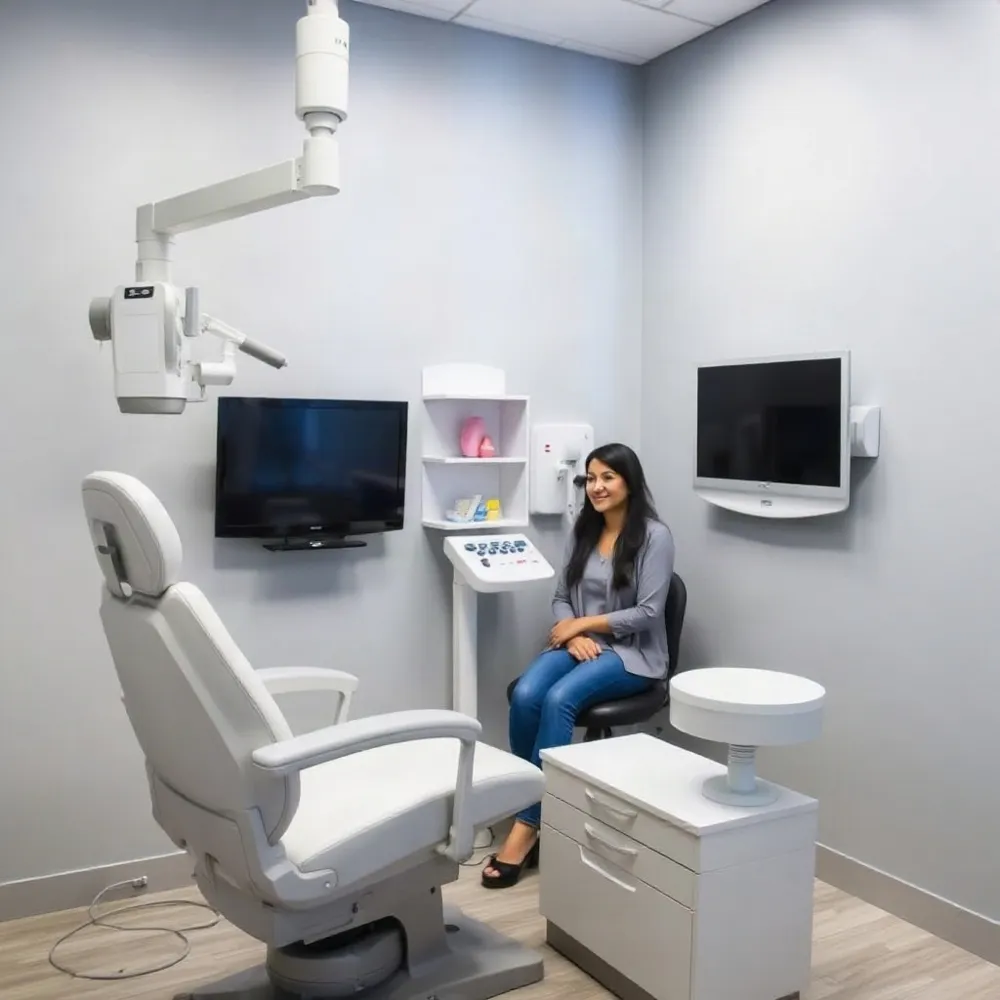 A comprehensive eye exam looks beyond how sharply you can read a chart. It assesses vision, eye health, and how the eyes work together, with tests selected to fit your history and findings. Regular exams can identify changes in vision and signs of conditions that may not cause early symptoms, such as glaucoma or diabetic retinopathy. The CDC explains why comprehensive exams matter, including their role in detecting some eye diseases before vision loss occurs.
The visit commonly starts with a review of your health history and concerns, followed by visual acuity testing and refraction to determine whether you need corrective lenses. Your optometrist may also assess eye coordination and visual fields, measure eye pressure, and examine the front and internal structures of the eyes. Dilation or retinal imaging may be appropriate; additional tests such as OCT depend on your symptoms, risk factors, and examination findings. At Apple Eye Care, advanced diagnostics, including DRI OCT Triton imaging, can support assessment alongside the exam and the doctor’s clinical judgment.
A brief vision screening can flag a possible problem, but it does not thoroughly assess eye health or diagnose the cause. Passing one does not rule out eye disease, so it should not replace a comprehensive examination. Findings in the eyes may also suggest broader health concerns, such as diabetes or high blood pressure, though further medical evaluation may be needed to confirm them.
A contact lens evaluation may be added to the same visit, but it is a separate service. It can include measurements, fit assessment, trial lenses, and guidance on safe lens care. Ask when scheduling about the time needed and any additional fees.
Why Finding Changes Early Matters
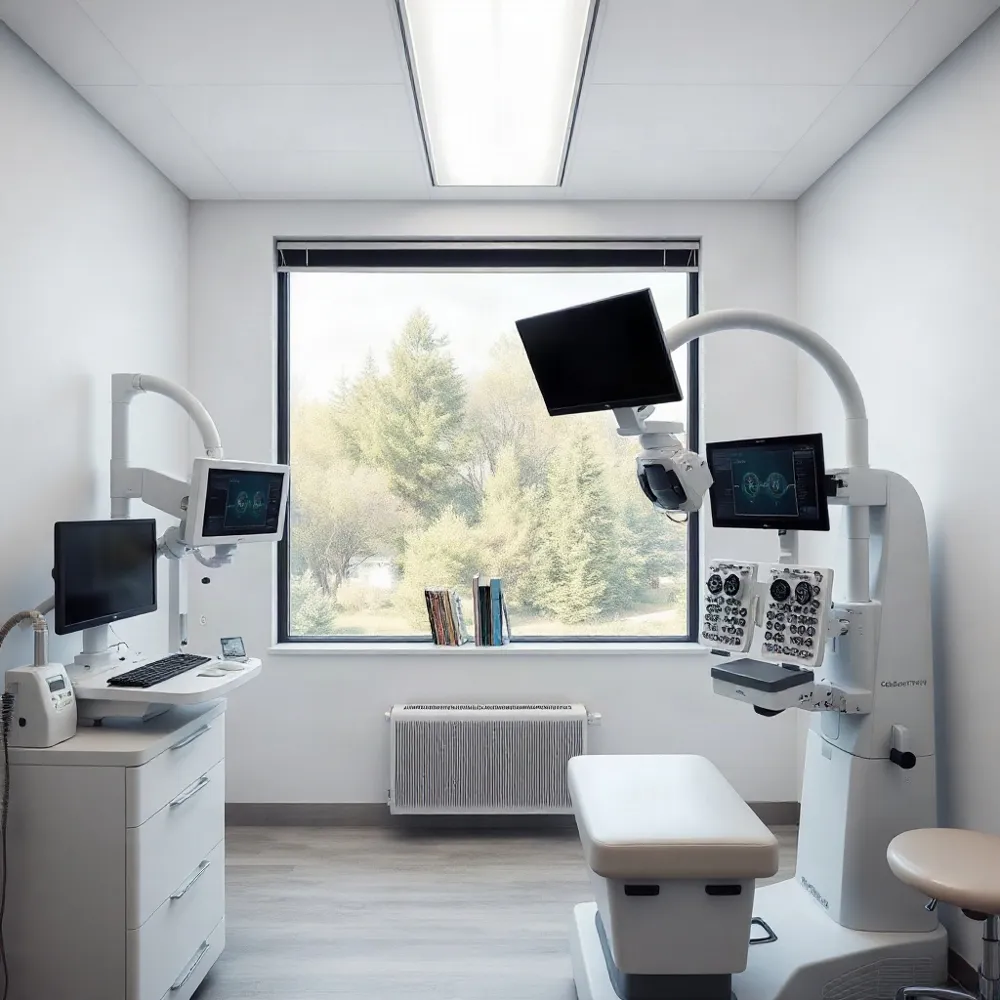 Glaucoma, cataracts, diabetic retinopathy, and age-related macular degeneration can change slowly, sometimes before a person notices a difference in vision. Regular exams at Apple Eye Care pair a vision check with assessment of eye health, so changes can be discussed even when sight seems normal. The CDC explains why comprehensive eye exams matter, including for detecting disease before symptoms appear.
Finding a problem early gives an eye-care professional an opportunity to assess it and discuss appropriate monitoring, treatment, or referral before substantial vision loss occurs. The CDC reports that early detection and treatment can prevent or delay blindness in 90% of people with diabetes-related retinopathy. Outcomes vary, and early care cannot guarantee a cure or reverse vision loss that has already occurred.
Changes in retinal blood vessels or the optic nerve may also offer clues to health conditions such as diabetes or high blood pressure. They are not diagnoses on their own; a clinician may recommend follow-up with a primary care provider or specialist. At Apple Eye Care, advanced diagnostics such as the DRI OCT Triton can support assessment of eye structures, alongside the clinician’s examination and judgment.
Eye care matters at every life stage. The CDC recommends at least one eye exam for children between ages 3 and 5 to detect amblyopia, also called lazy eye, or risk factors for it. Adults should follow their eye-care professional’s advice about how often to return, since intervals can depend on age, health, and personal risk.
Do not wait for a routine appointment if you notice decreased vision, eye pain or redness, double vision, floaters, halos, or flashes of light. Prompt evaluation can help determine whether further care is needed.
How OCT Adds A Closer View
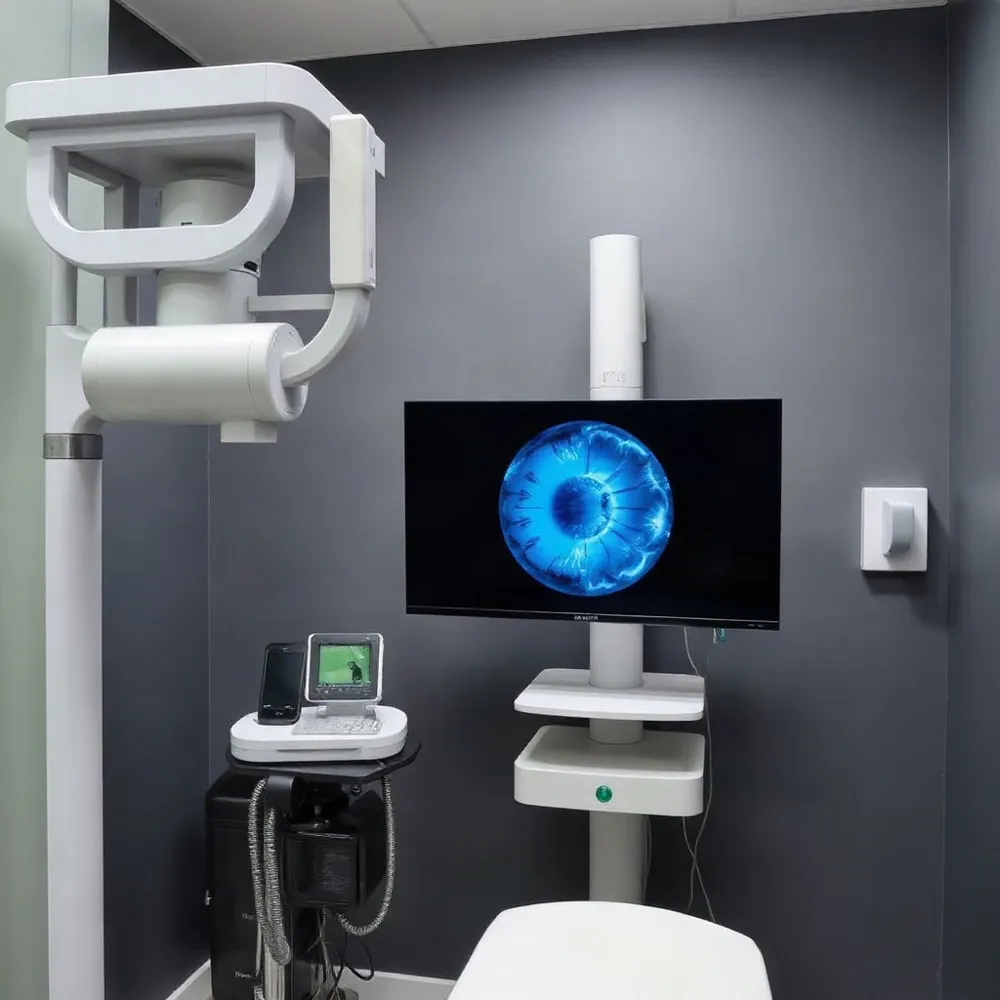
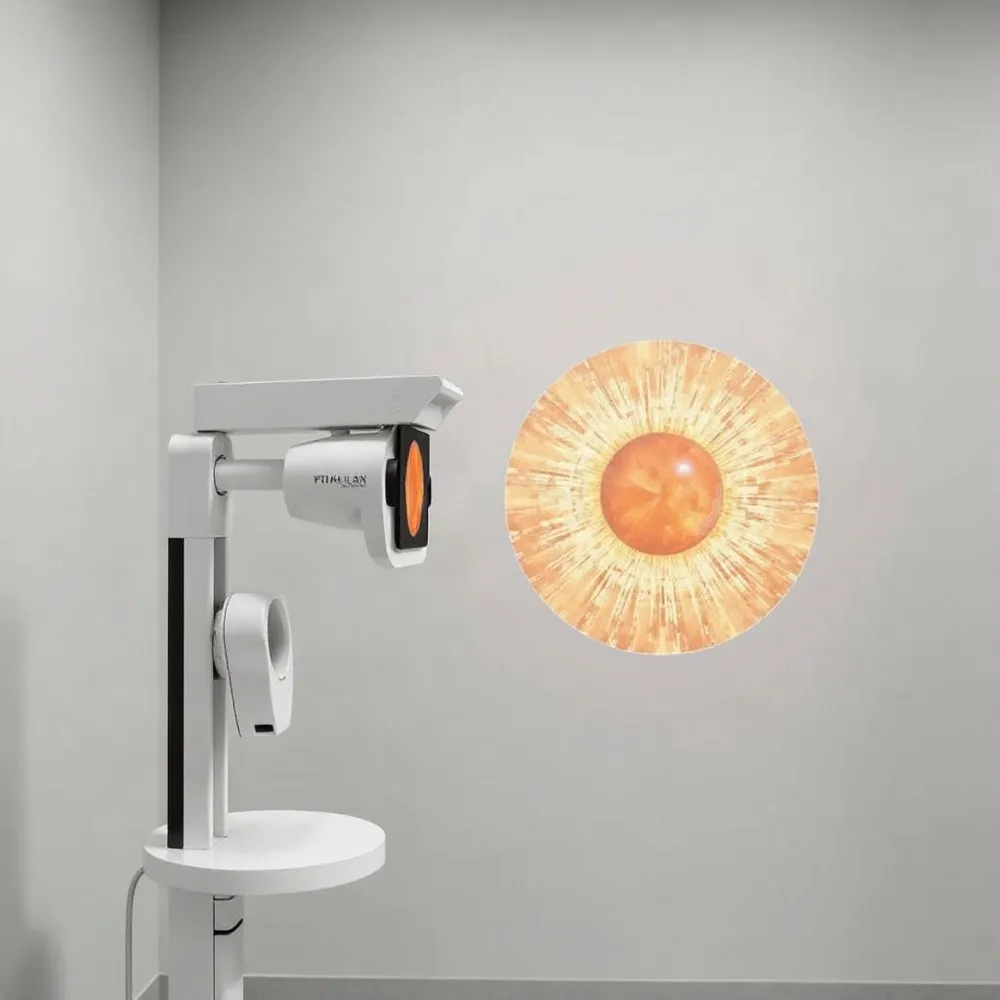 Optical coherence tomography (OCT) is a noninvasive imaging test that uses reflected infrared light to create detailed, cross-sectional views of structures such as the retina and optic nerve. Unlike an examination that requires contact with the eye, OCT captures layered images and measurements without touching it. An eye-care provider may recommend a scan to investigate symptoms, assess a finding, or monitor an eye condition. The scan usually takes only a few minutes. If dilating drops are used, temporary light sensitivity or blurry vision may follow.
At Apple Eye Care in El Paso, the practice’s stated use of the DRI OCT Triton reflects its focus on modern diagnostic tools. OCT can help clinicians assess or monitor glaucoma, diabetes-related retinopathy and macular edema, age-related macular degeneration, and other retinal disorders. Its images offer information about eye structures, but they do not guarantee a diagnosis or outcome. OCT imaging is one part of an eye-care provider’s assessment.
Comparing scans from different visits can help a clinician see structural changes and consider whether further testing, treatment, or follow-up is appropriate. OCT findings are interpreted alongside symptoms, examination results, and other tests, rather than in isolation.
A normal scan means no concerning change was identified in the structures captured on that scan. A flagged measurement may point to something that needs closer review, but it is not a diagnosis by itself. Image quality, eye movement, cataracts, and other factors can affect results. Your optometrist can explain what the images show and whether monitoring or additional evaluation makes sense. Clinical guidance on OCT also describes imaging as a support for, not a replacement for, the clinician’s examination and judgment.
Practical Questions About Cost And Screens
How much does a comprehensive eye exam cost without insurance, and is it usually covered by insurance?
The supplied estimate for an uninsured comprehensive eye exam is about $50 to $200, with a national estimate near $136. These are approximate figures, not Apple Eye Care prices; fees vary by practice, location, tests performed, insurance, and individual benefits. Contact lens fitting, retinal imaging, and other specialized tests may cost extra.
Vision insurance often covers routine exams, subject to plan limits, copays, or allowances. Medical insurance may cover an exam needed to evaluate or manage a health condition. Before scheduling, check your benefits and ask the practice what the fee includes. Apple Eye Care offers comprehensive exams and advanced diagnostics, so asking which tests are planned can help clarify expected costs.
How much does an OCT eye scan cost, and is it worth having one?
The supplied information gives a published national average charge of about $103 for optic nerve OCT, but this is not a guaranteed price or an estimate of Apple Eye Care’s fees. Costs and coverage vary by practice, insurer, and imaging needs. Ask both the practice and your insurer about your out-of-pocket cost and whether coverage depends on medical need.
OCT can provide detailed images to help an eye-care professional assess or monitor conditions affecting the retina or optic nerve, but it may not be needed at every visit. OCT imaging is one tool used alongside an examination; discuss with your optometrist how a scan would inform your care. Apple Eye Care uses DRI OCT Triton diagnostic technology as part of its services.
What is the 10-10-10 rule for reducing digital eye strain?
The 10-10-10 rule is a simple screen-break habit: every 10 minutes, look at something about 10 feet away for at least 10 seconds. Shifting focus gives your eyes a brief pause from sustained near work, and blinking fully during breaks may also help. It is not a guaranteed treatment. If headaches, dry eyes, or blurred vision persist, arrange an eye-care evaluation, since these symptoms can have different causes.
Make Preventive Care Personal
Imaging can add detail, but it does not replace an eye-care professional’s examination and interpretation. At Apple Eye Care in El Paso, the DRI OCT Triton supports modern diagnostic care as part of a broader clinical assessment.
Do not wait for symptoms or rely on a screening alone. Ask your provider how your health history, family history, and vision concerns affect recommended tests, follow-up, and costs. The CDC’s guidance on eye exams explains why comprehensive exams matter even when changes are not obvious.
Regular, individualized care can help protect vision and contribute to overall health. At Apple Eye Care, conversations with the care team can help make preventive attention fit your needs.