The Evolution of Personalized Eye Care
Traditional eye care often relied on a one-size-fits-all approach, prioritizing standardized prescriptions over individual nuance. Modern optometry now embraces patient-centered care, which treats patients as active partners in their health journey rather than passive recipients of clinical services. At Apple Eye Care, this evolution means integrating advanced diagnostics like the DRI OCT Triton to develop treatment plans that reflect a patient's unique lifestyle and specific medical history.
The shift toward personalization is essential in managing chronic conditions such as glaucoma or cataracts. While some providers follow a rigid, disease-centric model, a patient-centered approach leverages open-ended questions and reflective listening to uncover the social and clinical needs of the individual. As noted by the College of Optometrists, building this level of trust is a fundamental component of effective eye health management.
At Apple Eye Care, Dr. Stephen Applebaum and his team prioritize this compassionate, family-focused model to ensure patients feel comfortable during routine exams and complex consultations. By treating eye health as a collaborative, systems-based effort, optometrists can better identify barriers to adherence and align treatment trajectories with personal goals. This partnership ensures that patients receive care that is not only medically precise but also responsive to their daily visual demands and comfort.
Key Pillars of Modern Personalized Eye Care
- Up to 90% of sight loss is preventable through early detection and intervention.
- The DRI OCT Triton provides high-resolution data for identifying subtle ocular changes.
- Shared decision-making increases patient adherence to prescribed treatment plans.
- Personalized care plans incorporate a patient's lifestyle and specific visual demands.
- Clear communication reduces patient anxiety and fosters trust during complex examinations.
- Evidence-based practice utilizes longitudinal data to track chronic conditions like glaucoma.
- Family-focused models prioritize human connection alongside technical diagnostic precision.
- Quality improvement measures help practices reduce variation in service delivery.
- Artificial intelligence functions as an enhancement tool rather than a replacement for clinicians.
- Effective optometry balances clinical data with a compassionate, patient-centered philosophy.
1. Early Detection of Asymptomatic Eye Conditions
 Many vision-threatening conditions such as glaucoma and cataracts often develop without noticeable warning signs. Because these diseases can progress silently for years, routine screening serves as the foundation for preserving visual function. Early intervention is critical, as it is estimated that up to 90% of sight loss is preventable when conditions are identified and treated at their initial stages.
At Apple Eye Care in El Paso, TX, the clinical team moves beyond standard testing by utilizing advanced diagnostics like the DRI OCT Triton. This imaging technology allows for precise, high-resolution views of the ocular structure, enabling the identification of subtle changes before a patient experiences any physical symptoms. By integrating sophisticated tech with comprehensive baseline exams, the practice creates a proactive strategy tailored to each patient's specific health profile.
Treating patients as active partners in their own health journey, led by Dr. Stephen Applebaum, ensures that diagnostic results are translated into clear, actionable care plans. Unlike clinics that rely on uniform protocols, this personalized approach allows for the early recognition of retinal detachment and other asymptomatic issues. By catching these conditions early through diligent, unhurried examinations, patients can avoid more invasive interventions later and maintain their long-term eye health.
2. Enhanced Treatment Adherence Through Active Partnership
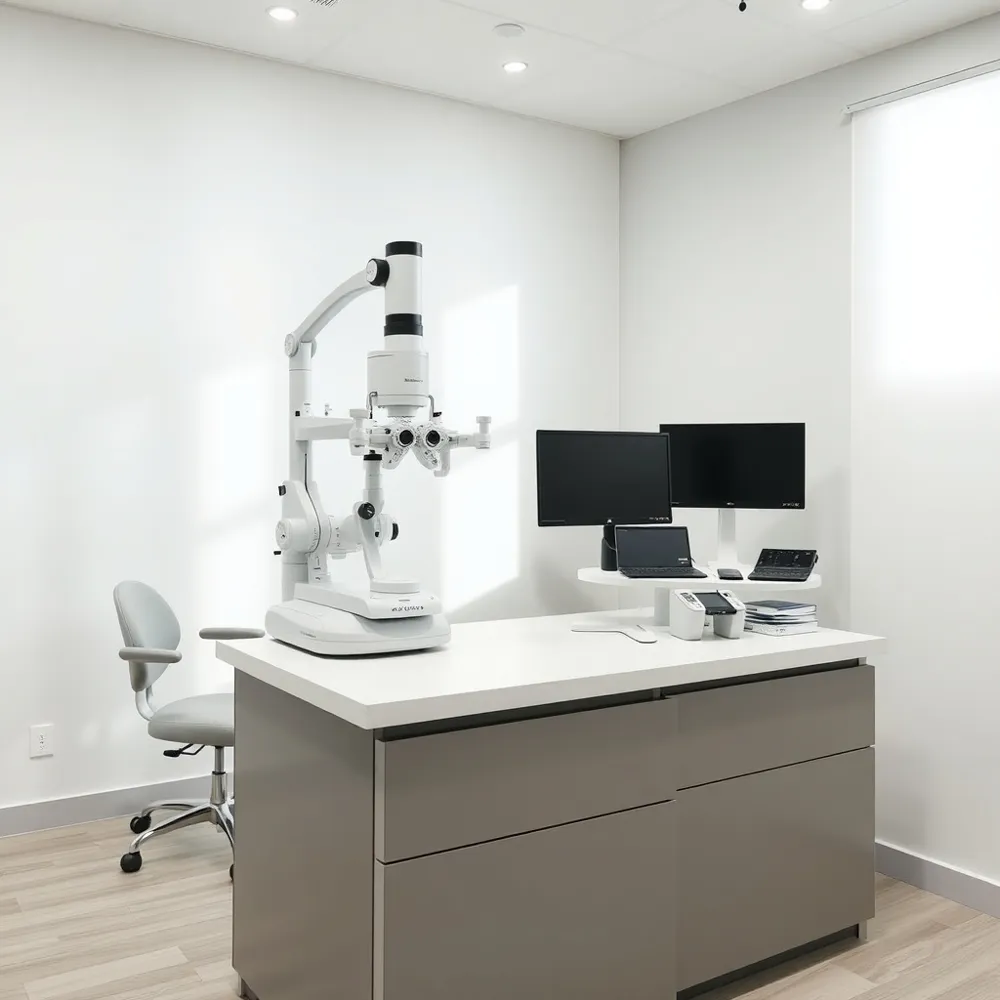 Effective eye care requires shifting away from a model where patients are passive recipients to one where they act as active partners in their own health journey, per guidance from the American Academy of Ophthalmology. At Apple Eye Care, this transition begins with a family-focused approach where Dr. Stephen Applebaum and his team prioritize transparent, open-ended communication to understand each person's unique concerns.
Shared decision-making is a cornerstone of this process. When clinicians discuss the pros and cons of various treatments, patients are significantly more likely to follow their plans, according to the College of Optometrists. By contrast, traditional practices that dictate instructions without patient input often see declining adherence rates.
Motivating long-term compliance often requires connecting medical necessity to the patient's personal aspirations, such as maintaining the ability to read to grandchildren or drive safely at night. Research indicates that aligning therapeutic goals with these lifestyle milestones leads to better engagement than generic, one-size-fits-all advice, as noted in a systems-based approach to patient-centered care. Apple Eye Care supports its patients by utilizing advanced tools, such as the DRI OCT Triton, to show clear, objective data that makes the relationship between treatment adherence and vision outcomes tangible and easier to manage.
3. Tailored Solutions for Unique Visual Demands
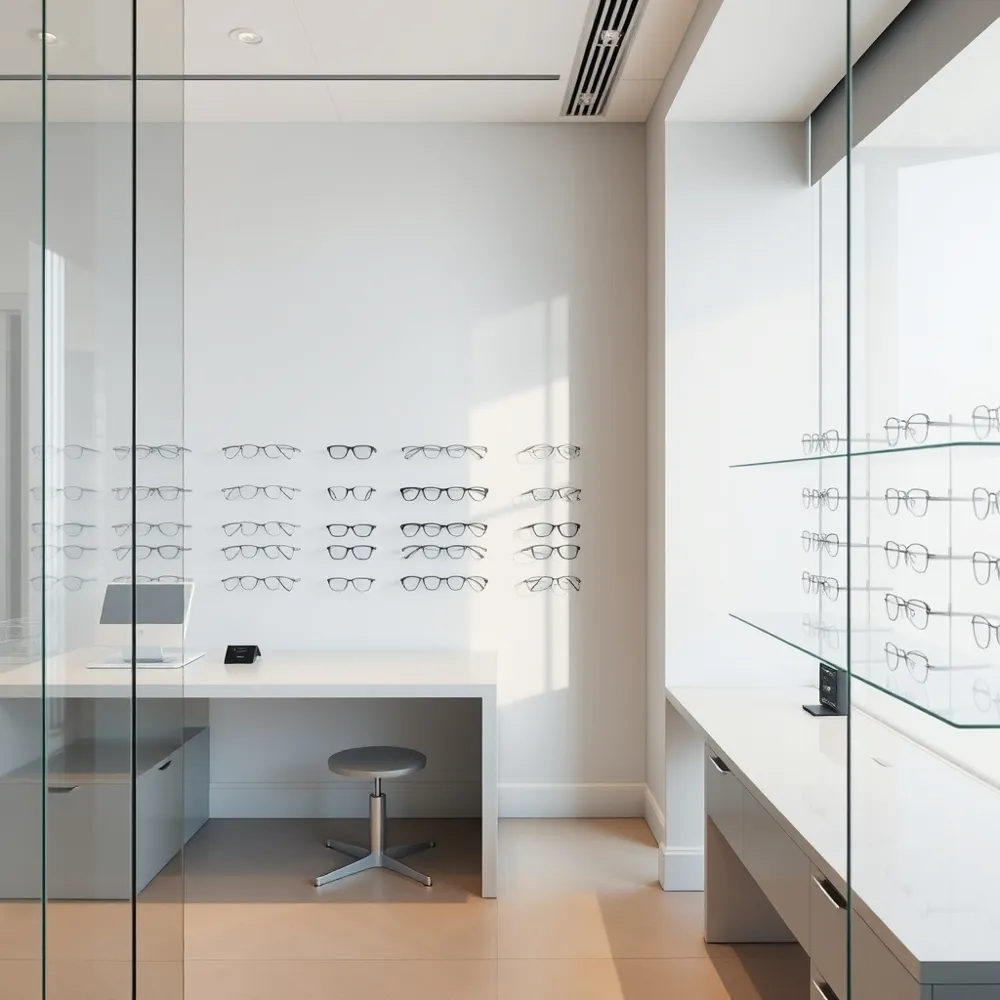 Personalized vision care goes beyond standard prescriptions by integrating a patient's daily habits into their core treatment plan. At Apple Eye Care, Dr. Stephen Applebaum and his team use detailed lifestyle histories to ensure every recommendation supports a patient's specific vocational and domestic needs. This contrasts with high-volume retail chains that often apply uniform lens protocols without accounting for the intense digital strain inherent in modern professional environments.
Corrective lens strategies must reflect how a patient interacts with the world throughout the day. Whether a patient spends their hours managing complex reports under office lights or engaging in intricate hobbies at home, personalized options account for these unique visual demands. By documenting specific screen time habits and workspace configurations, practitioners can move beyond basic clarity to achieve lasting visual comfort.
Effective communication acts as a foundation for these tailored solutions. Research from the College of Optometrists emphasizes that explaining diagnoses in clear language reduces anxiety and empowers patients to take an active role in their care. Utilizing visual aids serves as another professional standard, helping individuals grasp the nuances of their vision changes.
Clinics can further enhance these outcomes by employing sophisticated tools to bridge the gap between clinical findings and daily experience. For example, Rendia's simulation tools help patients visualize the impact of their current condition compared to post-treatment outcomes, making the case for specific customized eyewear much more compelling. Through these targeted efforts, optometrists ensure that every patient receives a plan built around their individual lifestyle, rather than a generic template.
4. Data-Driven Precision for Chronic Eye Conditions
Moving beyond generalized standards in eye care requires a shift toward precision diagnostics. While traditional protocols often rely on static measurements, Apple Eye Care utilizes advanced technology like the DRI OCT Triton to integrate a patient's longitudinal health history with high-resolution imaging. This data-driven approach allows for more accurate tracking of disease progression for conditions such as glaucoma and dry eye.
Precision medicine helps clinics optimize care by identifying markers that standard exams might overlook. Per research from the National Center for Biotechnology Information, integrating modern diagnostic data with a patient's clinical history enables treatments that are significantly more effective for an individual's specific needs. For example, rather than applying a blanket treatment for persistent discomfort, practitioners can analyze ocular surface data to tailor specific management plans.
This commitment to data-driven, personalized attention addresses the unique physiology of every patient. By layering electronic records with real-time diagnostic outcomes, doctors can make informed decisions that improve treatment adherence. This strategy mirrors the family-focused care at Apple Eye Care where Dr. Stephen Applebaum and his team combine technical precision with compassionate service to ensure that long-term eye health trajectories remain on course.
5. Compassionate Care Supporting Mental and Clinical Well-being
Compassionate care is a fundamental component of quality eye health that encourages patients to feel confident in their diagnosis and treatment options, per the American Academy of Optometry. By prioritizing the human experience, providers can significantly lower patient-related anxiety during clinical examinations. At Apple Eye Care in El Paso, for instance, Dr. Stephen Applebaum and his team utilize a family-focused approach to create a calm, supportive environment that treats every patient as a partner in their own health journey.
Clear communication serves as the primary tool for reducing fear when patients face unfamiliar machinery or complex conditions. According to the College of Optometrists, explaining procedures in simple terms instead of jargon helps patients express their specific concerns more comfortably. While some clinical settings may struggle with time constraints, this engagement is essential for managing chronic conditions like glaucoma, where medication adherence improves when patients feel heard and understood.
Empathy-based interactions, such as mirroring body language and employing open-ended questions, help practitioners build the trust necessary for effective long-term eye health outcomes. Apple Eye Care differentiates itself from generic clinics by combining this compassionate service with advanced diagnostics like the DRI OCT Triton. This balance ensures that while clinical precision drives the treatment, the family-focused atmosphere keeps the patient feeling valued and secure throughout their care progression.
Quality Improvement Initiatives in Clinical Practice
Quality improvement serves as a framework to systematically refine clinical care, ensuring that an optometry practice consistently meets high standards of patient safety and effectiveness. By utilizing structured data and quality measures, practices can track performance, reduce variations in service, and ensure predictable clinical results for conditions like glaucoma or dry eye.
These initiatives involve the ongoing development, testing, and implementation of better workflows that translate clinical evidence into daily practice. At Apple Eye Care, in El Paso, TX, this commitment to excellence allows the team to utilize modern diagnostics, such as the DRI OCT Triton, to guide clinical decision-making. By incorporating such advanced technology, the practice ensures that every diagnostic finding directly informs a patient's personalized treatment plan.
Ultimately, this focus on precision allows providers to move beyond generic standards and offer data-driven attention that enhances the patient experience. Through systematic feedback loops and performance monitoring, a family-focused practice like Apple Eye Care can continuously adapt its approach, ensuring that patient-centered strategies remain both effective and relevant as individual visual demands evolve over time, per guidance from the American Academy of Ophthalmology.
The Practical Benefits of Personalization
Personalizing eye care allows practitioners to move beyond a one-size-fits-all model by tailoring diagnostics and treatment plans to a patient's unique medical history, daily lifestyle, and visual demands. At Apple Eye Care, this transition is supported by advanced tools like the DRI OCT Triton, which provides the precise imaging necessary to move from generalized protocols to precision diagnostics for complex conditions like glaucoma and cataracts.
When care is framed as a collaborative partnership, patients are more likely to stay engaged with their long-term health strategies. This patient-centered approach fosters trust and empowers individuals to take an active role in their own wellness, which significantly improves treatment adherence per findings from the College of Optometrists. By integrating a patient's personal context into every visit, clinicians can identify and mitigate barriers to care before they impact visual outcomes.
Enhanced satisfaction is a direct result of these individualized journeys. Because personalized healthcare ensures that communication aligns with specific patient preferences, individuals feel more heard and valued. At Apple Eye Care, we prioritize this family-focused model to ensure that every patient in El Paso benefits from compassionate, consistent, and proactive service that evolves as their vision needs change over time.
AI and the Future of Optometry
Artificial intelligence will not replace optometrists. Instead, it serves as a powerful enhancement tool for modern eye care. While AI-driven technologies excel at streamlining administrative workflows and assisting in diagnostic analyses, they lack the essential human elements of clinical judgment and compassionate interaction. At Apple Eye Care, we integrate advanced diagnostics to support our team, ensuring you receive the highest standard of precision in your care. An optometrist’s role reaches beyond data interpretation, requiring a deep understanding of your unique health history to provide truly personalized treatment plans. Ultimately, AI functions as a sophisticated assistant that empowers our practitioners to focus more heavily on what matters most: your long-term vision.
These digital innovations are transforming optometry by providing advanced tools that analyze retinal images with unprecedented precision to detect diseases like glaucoma. AI algorithms can identify subtle biomarkers in vast datasets that remain invisible to the human eye, enabling clinicians to intervene sooner. Beyond diagnostics, software streamlines practice management by automating routine tasks, which allows doctors more time for complex patient needs. Technologies like the DRI OCT Triton at Apple Eye Care function as a powerful extension of our expertise, blending high-tech clinical efficiency with the compassionate, family-focused connection that defines our practice.
Building a Future of Better Vision Together
Personalized care transforms the patient experience by moving away from generic protocols toward precision diagnostics and tailored treatment paths. By utilizing advanced technology like the DRI OCT Triton, clinics can identify subtle risk factors for conditions such as glaucoma and cataracts before they impact daily life. This shift replaces passive observation with proactive strategies, ensuring that every solution aligns with a patient’s specific lifestyle and goals.
Effective eye health is a partnership that thrives on consistent, long-term commitment. At Apple Eye Care, the team led by Dr. Stephen Applebaum emphasizes this collaborative approach to help patients maintain clear vision through every stage of life. By making regular, comprehensive exams a priority, you become an active partner in your health journey, ensuring that your vision remains as vibrant and functional as possible for years to come.