Materials Shape the Wearing Experience
A contact lens is more than a clear surface for correcting vision. It is an engineered polymer, and its ingredients and design influence how oxygen passes through, how the lens handles moisture and deposits, and how it moves against the eye. Small material differences can shape both lens performance and a wearer’s experience, as described in this clinical review of contact lens materials.
Oxygen matters because the cornea receives most of its supply from the air, while a lens can slow that flow. Yet oxygen delivery alone does not determine comfort: surface wetting, fluid movement, lens thickness, and fit also play a part. The relationship between material and design is outlined in this overview of contact lens material properties.
There is no universal best material or wearing schedule. A lens that feels comfortable for one person may not suit another, and the right choice depends on eye health, vision needs, daily habits, and examination findings. At Apple Eye Care in El Paso, optometry services include eye exams and advanced diagnostics, which help inform individualized care. An optometrist can assess fit and comfort, then recommend a material and schedule suited to the wearer.
From Glass to Modern Polymers
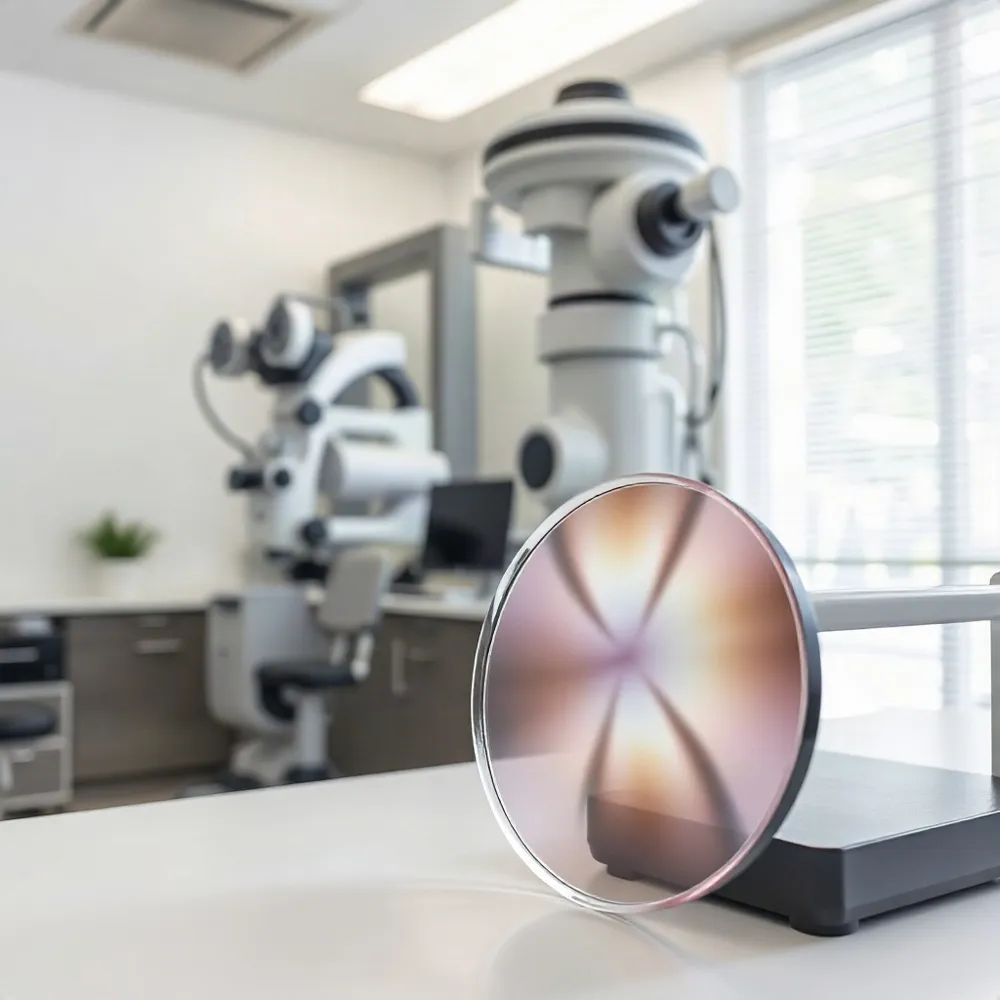 Modern contact lenses are made from specialized polymers, not glass. Early lenses were made of glass and covered much of the eye, which made them uncomfortable and limited how long they could be worn. Today’s designs use materials shaped for vision correction, oxygen flow, fit, and wear.
Soft lenses are made mainly from hydrogel or silicone hydrogel. Hydrogels absorb water, which makes them soft and flexible; their oxygen transport is tied partly to water content. Silicone hydrogel lenses also contain water-loving components, while silicone helps oxygen pass through the material. The balance differs among designs, so water content alone does not tell you how a lens will perform.
Rigid gas-permeable lenses use firmer polymers that hold their shape while allowing oxygen through the material. Hybrid lenses pair a rigid center with a soft outer edge, combining features of both lens styles. These material families differ in how they handle oxygen, water, surface wetting, and deposits, as described in this clinical review of contact lens materials.
What are contact lenses made of, and are they ever made of glass? Although glass appeared in early designs, it is not used for modern contact lenses. Current lenses are made from polymers whose ingredients and cross-linking affect oxygen transport, water content, surface wetting, strength, shape stability, and susceptibility to deposits. Small differences in composition can change how a lens behaves on the eye.
Those properties matter in an eye exam because the material must suit the prescription, fit, and wearing needs, not just feel comfortable at first. At Apple Eye Care in El Paso, comprehensive eye exams and advanced diagnostics such as DRI OCT Triton help inform care based on each patient’s eye health and vision needs.
How Hydrogel Materials Differ
Conventional hydrogel lenses carry oxygen mainly through the water held in their polymer. In general, increasing a hydrogel’s water content raises its oxygen permeability. But permeability describes the material, not oxygen delivery through the finished lens. A thicker lens can reduce oxygen transmissibility, so water content alone does not show how much oxygen reaches the cornea. A clinical review of contact lens materials explains why both material and lens thickness matter.
Silicone hydrogel lenses combine silicone-containing materials with hydrogel components. Silicone provides much of the oxygen permeability, making oxygen transport less dependent on water content than it is in conventional hydrogels. The hydrogel portion supports water and ion movement, which helps the lens move on the eye.
A 2002 review reported that the early silicone hydrogel material lotrafilcon A had 24% water content and a Dk of 140 barrers, while balafilcon A had 36% water content and a Dk of 110 barrers. These are historical examples from that review, not a current product comparison. Dk measures oxygen permeability through a material; Dk/t also accounts for lens thickness and is more informative about a particular lens’s oxygen transmissibility.
Higher oxygen permeability does not make silicone hydrogel the right choice for every wearer. Surface wetting, deposits, comfort, prescription, fit, and wear schedule also affect how a lens performs. At Apple Eye Care in El Paso, an eye exam and assessment of the ocular surface can help guide material selection; the practice also provides dry eye care when symptoms need evaluation.
Hydrogel and silicone hydrogel are both soft lens materials, but their different designs involve trade-offs. An eye-care professional can assess how a lens fits and feels in practice, rather than choosing by oxygen permeability or water content alone.
Understanding Oxygen Throughput
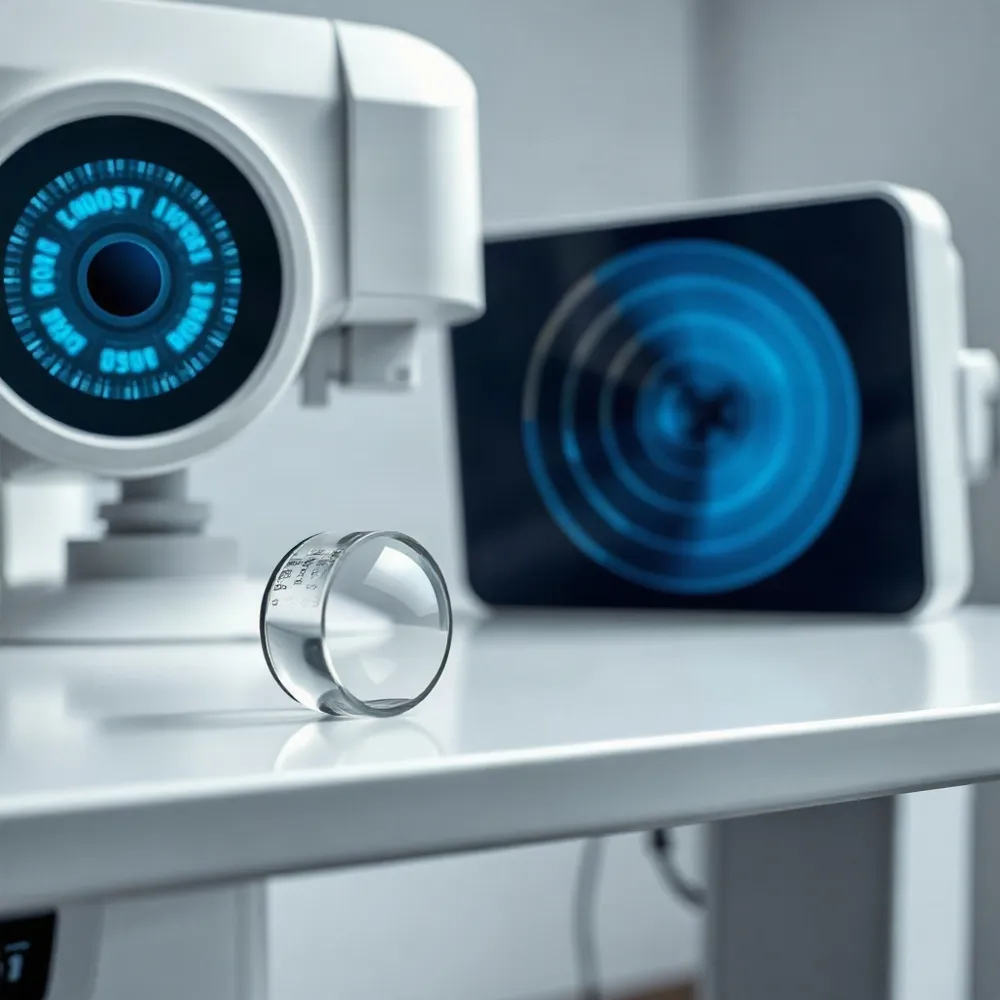 Oxygen permeability, written as Dk, describes how readily oxygen passes through a lens material. Oxygen transmissibility, or Dk/t, also accounts for lens thickness, making it a more practical measure of oxygen passage through a particular lens. The distinction is explained in this clinical review of contact lens materials.
Thickness matters because a thicker lens can transmit less oxygen than a thinner lens made from the same material. Lens design and prescription can affect thickness, so a material’s Dk alone does not show how much oxygen reaches the eye through the finished lens.
The cornea has no blood vessels and obtains most of its oxygen from the atmosphere. A contact lens can impede that supply, which is why oxygen transmission is an important part of lens design and clinical assessment. At Apple Eye Care in El Paso, an eye exam and contact lens evaluation can place this measure alongside vision needs and examination findings.
A 2002 clinical review cited average minimum Dk/t research values of 24 × 10⁻⁹ barrer/cm for daily wear and 87 × 10⁻⁹ barrer/cm for overnight or extended wear. These are historical research figures, not current prescribing targets or individualized recommendations. Appropriate lens choices and wearing schedules depend on professional assessment.
Dk/t is useful, but it cannot determine comfort or safety on its own. Fit, surface properties, tear-film interaction, and the intended wearing schedule also matter. Oxygen performance is one consideration among several that an optometrist weighs when selecting or troubleshooting lenses.
Comfort Depends on More Than Oxygen
Oxygen delivery matters, but comfort also depends on how a lens holds moisture, moves with each blink, and interacts with the eyelids and tear film. Material chemistry can affect all of these properties, along with surface wetting and deposit buildup, so a breathable lens is not automatically the most comfortable choice for every wearer.
Hydrogel lenses can lose water during wear, but dehydration varies with the material, lens thickness, environment, wearing time, and individual differences. A clinical review found no consistent link between dehydration and perceived discomfort, so dryness should not automatically be blamed on water loss alone. At Apple Eye Care, an examination can also assess the tear film and ocular surface when symptoms persist.
Silicone-containing materials provide high oxygen permeability, but their surfaces may be less naturally wettable. Surface treatments and fluid movement can help support wetting and lens movement, yet lipid deposits may still affect some wearers. Deposits from tears can also blur vision, reduce comfort, or contribute to inflammation. Clinical research on silicone hydrogel material and surface properties describes the balance between oxygen transmission, surface wetting, and fluid transport.
Stiffness brings another trade-off: a firmer lens may be easier to handle, but fit becomes especially important. A lens that sits poorly or moves incorrectly can feel uncomfortable, regardless of its oxygen performance. Apple Eye Care’s comprehensive optometry services include eye examinations and advanced diagnostics, supporting evaluation of eye health alongside contact lens concerns.
For reusable lenses, deposits can build up over time, and a more frequent replacement schedule may help limit accumulation. Persistent dryness or irritation calls for an individualized review of lens fit, replacement schedule, surface deposits, and ocular-surface health rather than an assumption that one material property is responsible. Follow the prescribed wear and care instructions, and remove lenses and seek professional advice if pain, redness, or blurred vision develops.
There Is No Universal Best Material
No. Silicone hydrogel is not automatically a better choice than conventional hydrogel. It can transmit more oxygen through the lens, but oxygen performance is only one part of how a lens works on the eye.
Hydrogel lenses are flexible and carry oxygen through their water content, qualities that may suit some wearers. Silicone hydrogel uses silicone to provide high oxygen permeability, while its hydrogel components support water and fluid movement. Material design still involves trade-offs, including surface wetting and deposits described in this clinical review of silicone hydrogel properties.
Some silicone hydrogel lenses may feel stiffer than conventional hydrogels, and surface wetting or deposits can be concerns for certain wearers. That does not mean every person with dry or sensitive eyes will prefer hydrogel. Comfort varies with the individual, the lens fit, and the condition of the tear film and ocular surface.
At Apple Eye Care in El Paso, an optometrist can consider vision needs, eye health, comfort, handling, and intended wear schedule when assessing lens options. The practice also offers dry eye treatment, which can help address ocular-surface concerns as part of a contact lens evaluation. Material choice is a clinical match, not a simple ranking by oxygen transmission.
Daily Wear and Overnight Caution
Wearing contact lenses every day can be appropriate when the lenses are prescribed for you and you follow their instructions for wearing, cleaning, and replacement. Daily wear does not mean sleeping in the lenses: closed eyes reduce oxygen reaching the cornea, and a lens can add to dryness and irritation.
Even lenses with high oxygen transmission are not automatically safe for overnight use. A clinical review explains that oxygen delivery is only one factor in lens performance, and its findings on overnight wear concern specific products and historical studies, not a guarantee of safety for every wearer (review of silicone hydrogel material and surface properties). Ask an eye-care professional whether your particular lenses are approved for overnight wear and suitable for your eyes.
Follow the prescribed wearing schedule, cleaning routine, and replacement date for your specific lenses. At Apple Eye Care in El Paso, contact lens guidance can be considered alongside an eye exam and assessment of eye health, vision needs, and fit.
What should you do if you doze off in your lenses?
Wash and dry your hands before trying to remove the lenses. If a lens feels stuck, do not pull or force it. Use contact-lens rewetting drops to help loosen it, then remove it gently once it moves freely. Avoid putting the lenses back in until your eyes feel comfortable and you have followed your eye-care professional’s advice.
Seek prompt professional attention for eye pain, redness, light sensitivity, discharge, or blurred vision. These symptoms can signal a problem that needs assessment, so remove your lenses if you can do so without forcing them and contact an eye-care professional.
Dispose of Lenses Responsibly
 Most contact lenses are made from durable plastic polymers, so they do not break down naturally under ordinary environmental conditions. Used lenses are also too small for most standard recycling systems, making disposal in the trash the practical choice unless a dedicated take-back program is available.
Never flush lenses down a toilet or wash them into a sink. They can pass through wastewater systems and fragment into microplastics that may reach rivers and oceans, where small plastic particles can affect aquatic environments. Lens material research describes polymers as durable materials whose properties depend on their composition and structure (contact lens material properties).
Separate packaging where local services accept it. Blister-pack cardboard and other recyclable packaging may be placed in the recycling bin if your municipality accepts those materials, but do not assume the lens or its foil seal belongs there. Recycling rules vary by location, so check your local service’s guidance.
If you are unsure about disposal options, ask your eye-care professional whether a suitable take-back program is available nearby. At Apple Eye Care, a family-focused optometry practice in El Paso, patients can discuss lens choices and practical care questions as part of personalized eye care.
Let Eye Care Guide the Choice
Contact lens chemistry helps explain why lenses differ in oxygen transport, wetting, dehydration, deposits, durability, and fit. But a material’s properties alone cannot show which lens will work best for a particular person. Lens thickness and design also affect performance, and wearers may respond differently to the same material, as discussed in this clinical review of contact lens materials.
At Apple Eye Care in El Paso, Dr. Stephen Applebaum and the care team can consider those material factors alongside examination findings and a patient’s vision needs. A fitting can help assess how the lens sits and moves, while follow-up can address ongoing discomfort or changes in vision.
When discussing lens options, mention comfort, eye health, handling, daily activities, and whether you intend to wear lenses only while awake. Follow the wearing, cleaning, and replacement instructions for your specific lenses, and ask your eye-care professional before changing the schedule. A personalized assessment helps ensure the choice reflects both the lens and the eyes wearing it.