Understanding Dry Eye and Your Path to Relief
Dry eye disease is a chronic condition that affects the tear film, the three-layer coating that protects and lubricates the surface of the eye. When the tear film is unstable, the eyes can feel gritty, burn, sting, or even water excessively as the glands overcompensate. Chronic dry eye affects approximately one in ten U.S. adults, and research shows the condition is rising due to factors like increased screen time, aging, and environmental changes.
Finding relief starts with identifying the underlying cause, which falls into one of three categories. Aqueous deficient dry eye means the lacrimal glands do not produce enough watery tears. Evaporative dry eye, often linked to meibomian gland dysfunction (MGD), occurs when the oil layer that prevents tears from drying out too quickly is compromised. Most patients have a low-grade, chronic mixed dry eye that combines both deficiencies.
Because dry eye is a multifactorial condition, effective treatment requires a comprehensive approach that addresses both the root cause and the symptoms. At Apple Eye Care in El Paso, the team led by Dr. Stephen Applebaum uses advanced diagnostics like the DRI OCT Triton to evaluate tear film health, gland structure, and inflammation. This allows them to build a personalized plan that may combine in-office procedures, prescription therapies, and self-care habits backed by the latest clinical research from sources such as the Mayo Clinic and Harvard Health.
Dry Eye Treatments & Key Facts
- Artificial tears with preservatives can cause irritation if used more than four times a day; preservative-free single-use vials are safer for frequent use.
- Prescription drops like cyclosporine (Restasis) and lifitegrast (Xiidra) target inflammation and can take several weeks to reach full effect.
- Miebo (perfluorohexyloctane) is a newer prescription drop that targets tear evaporation by stabilizing the lipid layer, especially helpful for meibomian gland dysfunction.
- Punctal plugs are tiny silicone plugs inserted into tear drainage ducts to conserve moisture; they are available in temporary and semi-permanent forms.
- Warm compresses applied for five to ten minutes daily soften hardened oils in meibomian glands, and lid massage helps express the loosened oil.
- In-office thermal pulsation devices like LipiFlow, iLux, and TearCare apply controlled heat and pressure to unblock meibomian glands.
- A large Harvard-led trial found no benefit of fish oil supplements for dry eye, but Dr. Thomas Dohlman reports it has helped some patients at 2-3 grams per day.
- The 20-20-20 rule (every 20 minutes, look 20 feet away for 20 seconds) helps counter the drop in blink rate from 15-20 blinks/minute to 5-8 blinks/minute during screen use.
- Varenicline (Tyrvaya) nasal spray, FDA-approved for dry eye, is sprayed once into each nostril twice a day to increase tear output without using eye drops.
- Severe chronic dry eye does not typically cause blindness, but can lead to corneal abrasions, infections, and scarring if untreated; early intervention prevents damage.
1. Artificial Tears and Ointments: First-Line Defense
 For most people with occasional or mild dry eye symptoms, regularly using nonprescription artificial tears is often enough to restore comfort. These over-the-counter drops supplement the eye's natural tear film and are widely available.
When selecting eye drops, pay attention to the preservative. Most bottled drops contain preservatives to prevent contamination, but using them more than four times a day can cause irritation. For frequent use, nonpreservative drops (sold in single-use vials) are a safer choice and won't irritate the eyes even when applied many times daily.
For longer-lasting relief, especially at bedtime, consider a lubricating ointment. These thicker products stay on the eye surface longer than drops but can blur vision temporarily, so they are best applied just before sleep. The team at Apple Eye Care can help you decide between drops and ointments based on your daily routine and symptom severity.
2. Prescription Eye Drops: Targeting Inflammation
 When over-the-counter artificial tears are not enough to control symptoms, prescription eye drops that target inflammation can provide more powerful relief. Managing the inflammation that underlies many cases of dry eye is often the deciding factor between temporary comfort and lasting control.
cyclosporine (Restasis) and lifitegrast (Xiidra) are anti-inflammatory drops that work by reducing the immune response on the cornea's surface. Cyclosporine suppresses the activation of certain white blood cells that contribute to inflammation, while lifitegrast blocks the binding of a cell adhesion molecule involved in the inflammatory process. Both are typically used twice a day and can take several weeks to reach full effect.
Corticosteroid eye drops can be prescribed for short-term management of acute flare-ups. However, because corticosteroids are not ideal for long-term use due to potential side effects, they are usually reserved for temporary relief during particularly severe episodes.
Miebo (perfluorohexyloctane). This newer prescription drop takes a different approach by targeting tear evaporation rather than inflammation. It spreads across the tear film's surface to stabilize the lipid layer, which is especially helpful for patients with meibomian gland dysfunction (MGD).
Antibiotic Drops/Ointments. When eyelid margin inflammation (blepharitis) is present, oral or topical antibiotics can help reduce the bacterial load and allow the oil glands to secrete normally again. An eye care specialist can determine if a short course of antibiotics is appropriate.
A comprehensive dry eye evaluation, like the one offered at Apple Eye Care, can help identify which type of inflammation is driving your symptoms and whether a prescription drop is the right next step.
3. Punctal Plugs: Conserving Natural Tears
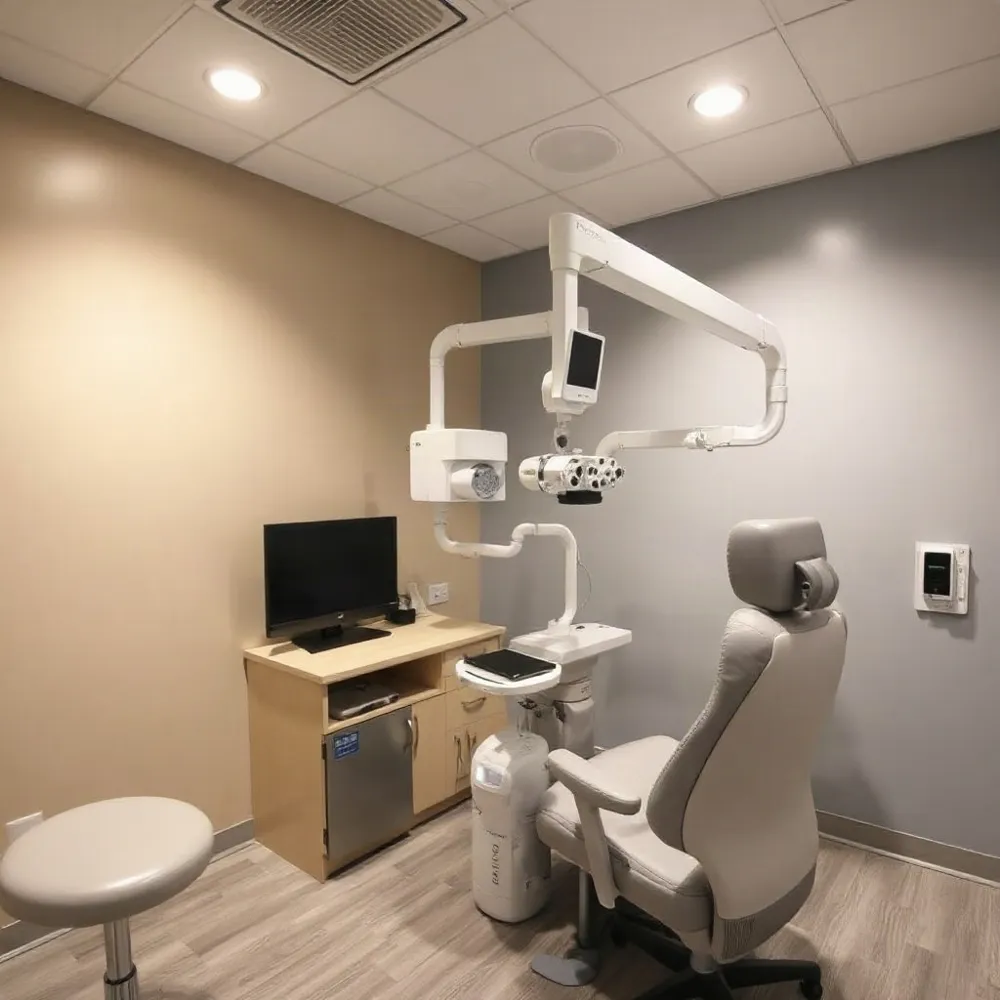 For people whose eyes do not produce enough tears, plugging the drainage openings can be an effective way to keep existing moisture on the eye longer. Tiny silicone plugs, known as punctal plugs, are inserted into the tiny openings (puncta) at the inner corners of the upper and lower eyelids. By blocking these drainage ducts, the plugs help conserve both natural tears and any artificial tears a person has added.
Punctal plugs are available in temporary and semi-permanent forms. The temporary plugs are designed to dissolve over several days or months. A more permanent option, called thermal cautery, uses heat to close the tear ducts. At Apple Eye Care, Dr. Stephen Applebaum can evaluate whether punctal plugs are a suitable option for patients with aqueous deficient dry eye, where the lacrimal glands do not produce enough of the watery layer of tears.
This treatment is particularly well-suited for cases of aqueous deficient dry eye, as it addresses the core problem of insufficient tear volume. The procedure is typically quick and performed in the office, offering long-lasting relief for many patients.
4. Warm Compresses and Lid Hygiene
A daily warm compress routine is one of the most effective at-home treatments for evaporative dry eye, the type most often linked to meibomian gland dysfunction (MGD). When these tiny oil glands along the eyelid margins become blocked, the oily layer of the tear film thins and tears evaporate too quickly. Applying gentle heat to closed eyelids for five to ten minutes each evening softens the hardened oil so glands can release it again.
Giving the eyelids a brief massage immediately after the heat step helps express the freshly loosened oil onto the eye surface. Using a clean fingertip or a cotton pad, stroke from the base of the lashes outward in a gentle rolling motion. This simple combination of heat plus massage can restore tear quality and reduce the gritty, scratchy feeling described in the symptoms of dry eye.
Regular eyelid washing with a mild cleanser, such as diluted baby shampoo or a preservative-free eyelid wipe, keeps the lash margins free of debris and bacterial buildup that can inflame the glands. This daily hygiene step is especially helpful for people with blepharitis, a common eyelid inflammation that often coexists with dry eye. For patients in El Paso's dry desert climate, where low humidity accelerates tear evaporation, even a simple lid-cleansing habit can noticeably improve comfort.
Apple Eye Care can help patients refine their home routine and evaluate whether their meibomian glands are responding to compresses or need additional in-office therapy such as thermal pulsation or intense pulsed light treatment. A professional assessment ensures that self-care efforts address the actual cause of symptoms instead of just masking them.
5. In-Office Thermal Pulsation and IPL Therapy
For people whose meibomian glands remain blocked despite regular warm compresses, in-office thermal pulsation devices offer a more thorough solution. These systems apply controlled heat and gentle pressure directly to the eyelids, melting and expressing hardened oils that cause evaporative dry eye.
Three widely used devices are LipiFlow, iLux, and TearCare. LipiFlow uses Vectored Thermal Pulse technology to deliver heat and pressure simultaneously, often providing significant relief after a single 12-minute session. iLux employs a handheld device that heats and compresses the eyelids, while TearCare uses soft, flexible eyelid devices to apply heat during natural blinking. A thermal pulsation device can be effective, though it is unclear if it provides an advantage over warm compresses for all patients.
Intense Pulsed Light (IPL) therapy is another in-office option that targets inflammation and abnormal blood vessels around the eyes. It is often combined with eyelid massage to improve meibomian gland function. Patients with severe dry eye related to meibomian gland dysfunction may benefit from a series of IPL sessions.
Apple Eye Care in El Paso, TX provides both IPL therapy and meibomian gland expression after thermal heating, using advanced diagnostics from the DRI OCT Triton to assess each patient's gland structure and tear film. Dr. Stephen Applebaum and his team design a personalized treatment plan based on these findings, helping patients achieve longer-lasting comfort than with drops alone.
6. Omega-3s and Nutritional Support
While topical treatments work at the surface, nutritional support addresses dry eye from the inside out. Omega-3 fatty acids, found in foods like salmon, sardines, and flaxseed, help improve the function of the meibomian glands, the tiny oil glands in the eyelids that produce the tear film's protective oily layer. Adding these to your diet, either as food or supplements, may help relieve dry eye signs and symptoms.
The research on omega-3s is not unanimous. A large randomized trial led by Harvard researchers found no benefit of fish oil supplements for dry eye prevention or treatment. However, Dr. Thomas Dohlman of Harvard-affiliated Massachusetts Eye and Ear notes that fish oil has been effective for some of his patients and recommends trying 2-3 grams per day for a month to see if symptoms improve. This is best done after checking with a doctor, especially if you are on blood thinners.
Vitamin A. Essential for maintaining the protective surface of the eye. A deficiency can compromise the cornea and contribute to dryness. Good sources include carrots, sweet potatoes, and leafy greens.
Vitamin D. Inadequate levels of vitamin D have been linked to poor tear quality and surface inflammation. Sunlight exposure and fortified foods are common sources.
Vitamin B12. Considered vital for overall eye health, a deficiency may be associated with dry eye syndrome. It is found in meat, fish, eggs, and dairy products.
If you are concerned a nutrient deficiency may be affecting your eye health, Dr. Stephen Applebaum and his team can help assess your symptoms during a comprehensive eye exam at their El Paso practice. They can discuss how dietary changes, alongside in-office treatments, might support a healthier tear film. Staying hydrated by drinking plenty of water also helps maintain tear production.
7. Manage Screen Time and the 20-20-20 Rule
Spending long hours in front of a screen takes a direct toll on the eyes. Under normal conditions, a person blinks about 15 to 20 times per minute. When focusing on a digital display, that rate can drop to as few as 5 to 8 blinks per minute. Each blink spreads a fresh layer of tears across the cornea, so fewer blinks mean the tear film thins and evaporates faster, leaving the surface dry and irritated.
The 20-20-20 Rule for Digital Eye Relief
The 20-20-20 rule is a simple habit designed to interrupt that cycle: every 20 minutes, look at an object at least 20 feet away for at least 20 seconds. The brief break resets the eye's focusing muscles, triggers a full blink cycle, and re-wets the corneal surface with a fresh tear film. Many patients find it a practical way to reduce the burning and gritty sensation that builds up during a workday.
At Apple Eye Care, Dr. Stephen Applebaum and the team incorporate these screen‑management strategies into personalized dry eye consultations, helping El Paso patients build habits that last.
Workspace Ergonomics That Protect Your Eyes
Beyond taking breaks, adjusting your physical setup can preserve moisture. Position the top of your monitor at or slightly below eye level so you look downward slightly, which reduces tear evaporation. Keep the screen 20 to 26 inches from your eyes and tilt it to reduce glare from overhead lights or windows. Using a humidifier at your desk adds moisture to the air, while avoiding direct airflow from air conditioning vents helps keep the tear film intact.
8. Prescription Nasal Spray and Tear Stimulants
When topical drops and manual therapies are not enough, prescription options that stimulate the body's own tear production offer a different path to relief. The FDA approved varenicline (Tyrvaya) nasal spray specifically for dry eye; patients spray it once into each nostril twice a day to increase tear output. This approach bypasses the eye entirely, making it a useful option for people who struggle with eye drop tolerance or compliance.
Oral cholinergics such as pilocarpine and cevimeline also work from the inside by stimulating the tear glands. They are available as pills, gels, or eye drops, though they can cause side effects like sweating. For severe dry eye that does not respond to other treatments, doctors may recommend autologous blood serum drops, made from the patient's own blood. These drops provide growth factors and nutrients that support the ocular surface, offering an option for the most stubborn cases.
9. Scleral Lenses and Advanced Protective Options
For people with moderate to severe dry eye who do not get enough relief from drops or lifestyle changes, advanced medical devices and procedures can provide a more substantial solution. These options focus on physically protecting the eye's surface, conserving moisture, or correcting structural issues that worsen dryness.
Scleral Lenses and Bandage Contact Lenses
Scleral lenses are large-diameter contact lenses that vault over the entire cornea and rest on the white of the eye (the sclera). This design creates a fluid-filled reservoir between the lens and the eye's surface, continuously bathing the cornea in moisture. According to the Mayo Clinic, scleral lenses and bandage lenses are recommended for people with severe dry eye to protect the eye surface and trap moisture. Apple Eye Care offers comprehensive dry eye evaluations and can help determine if specialty contact lenses are a good fit for a patient's specific needs.
By shielding the cornea from environmental irritants and the friction of blinking, these lenses can dramatically improve comfort and vision quality for patients who struggle with persistent dryness, corneal irregularities, or complications from conditions like graft-versus-host disease. They require careful fitting and daily cleaning, but the relief they provide can be life-changing for those with otherwise unmanageable symptoms.
Dissolving Eye Inserts for Sustained Lubrication
A different approach to advanced moisture delivery is the hydroxypropyl cellulose insert, sold under the brand name Lacrisert. This tiny, rod-shaped insert is placed by a doctor between the lower eyelid and the eyeball, where it dissolves slowly throughout the day, continuously releasing lubricant. The Mayo Clinic notes that this option is designed for moderate to severe dry eye symptoms. It provides an alternative for patients who cannot tolerate or forget to apply drops frequently.
Surgical Correction for Eyelid Malposition
Sometimes the root of persistent dry eye is a structural problem with the eyelids themselves. Conditions like ectropion, where the lower eyelid turns outward, prevent tears from spreading evenly across the eye. In these cases, an eye care specialist may refer the patient to an oculoplastic surgeon for a corrective procedure. Surgical repair can improve tear retention and restore a normal blink pattern, offering a long-term fix when other treatments fall short.
Can Dry Eyes Cause Blindness?
This is a common and understandable concern. Severe, chronic dry eye does not typically cause direct, total blindness. However, if left untreated over a long period, it can lead to complications that damage the cornea and threaten vision.
The tear film does more than just lubricate; it nourishes and protects the cornea. When chronic dryness persists, the cornea can become susceptible to abrasions, infections, and scarring. While rare, prolonged dry eye associated with underlying systemic diseases like Sjögren's syndrome can lead to corneal opacification that significantly impairs sight. The Mayo Clinic notes that complications of dry eye can include corneal ulcers and vision problems.
The good news is that this cycle of damage is largely preventable with early treatment. At Apple Eye Care, Dr. Stephen Applebaum uses advanced diagnostics to identify the specific type of dry eye you have, allowing for a targeted plan to restore tear film health before irreversible damage occurs.
The condition is highly treatable, and with the right combination of professional therapies and consistent at-home care, most patients can find relief and safeguard their long-term vision. Early intervention is the most powerful tool to prevent the transition from simple discomfort to serious ocular harm.
What Are the Signs and Causes of Dry Eye?
Dry eye symptoms go beyond simple dryness. Many people report a stinging or burning sensation, redness, and a scratchy, gritty feeling as though something is in the eye. Blurred vision, sensitivity to light, and eye fatigue are also common. Some patients experience excessive tearing, which occurs when the eyes overproduce a watery layer to compensate for an unstable tear film, but without the proper oil layer, this moisture evaporates too quickly.
The condition generally results from one of two problems: the eyes do not produce enough tears (aqueous deficient dry eye) or the tears evaporate too quickly (evaporative dry eye). The leading cause of the second type is meibomian gland dysfunction, where the oil-producing glands in the eyelids become blocked or fail to secrete enough oil to stabilize the tear film. Age, hormonal changes, certain medications (antihistamines, blood pressure drugs), and environmental factors such as dry or windy air can all contribute. Prolonged screen time reduces blink rate, and contact lens wear can also worsen symptoms.
At Apple Eye Care in El Paso, a comprehensive exam can identify which type of dry eye is affecting you and pinpoint the underlying cause, whether it is meibomian gland dysfunction, medication side effects, or environmental triggers. With advanced diagnostics and a personalized treatment plan, relief is within reach.
Lifestyle Tips for Lasting Comfort
Small adjustments to your daily environment can have a noticeable impact on dry eye symptoms. The goal is to reduce tear evaporation and protect the eyes from irritants.
Humidity and Airflow
Dry indoor air pulls moisture away from the eyes. Running a humidifier, especially in your workspace or bedroom, adds moisture to the air and helps tears last longer (Cleveland Clinic). Keep fans or air vents from blowing directly at your face, as constant airflow accelerates tear evaporation.
Hydration—and Its Limits
Does drinking more water help with dry eyes? Staying hydrated is important for overall health, but drinking extra water beyond what your body needs is not an effective treatment for dry eyes. The vast majority of dry eye cases are caused by evaporative issues, most often due to meibomian gland dysfunction, where the tear film lacks sufficient oil to prevent rapid evaporation. Since this is a problem of oil quality, not a lack of water, simply increasing your water intake does not address the root cause. For most patients, effective relief comes from targeted treatments such as lid hygiene, warm compresses, and medical therapies.
Irritants to Avoid
Smoking significantly increases the risk of dry eye by breaking down the tear film’s lipid layer (AAO). Alcohol and caffeine can be dehydrating and may worsen symptoms. Limiting these and balancing them with water is a sensible precaution.
Protective Eyewear
Wearing wraparound sunglasses outdoors shields your eyes from wind, dust, and dry air. Goggles or moisture-chamber glasses provide an extra layer of protection during activities like cycling or skiing. At Apple Eye Care, we recommend a comprehensive approach to diagnose your specific type of dry eye and provide personalized solutions, rather than relying on hydration alone.
Taking Control of Your Dry Eye Health
Dry eye disease is a chronic condition, but it can be managed effectively with the right combination of professional treatment and daily self-care. Identifying the underlying cause through a comprehensive eye exam is the first step toward lasting relief.
At Apple Eye Care in El Paso, Dr. Stephen Applebaum uses advanced diagnostics like the DRI OCT Triton to pinpoint the specific factors driving your symptoms. Whether the issue involves blocked oil glands, tear film instability, or inflammation, a personalized treatment plan can address it directly.
A well-managed dry eye routine often pairs in-office therapies such as punctal plugs or thermal pulsation with consistent at-home habits like warm compresses, lid hygiene, and screen breaks. With attention from an experienced optometrist and a commitment to daily care, most patients see meaningful improvement in comfort and vision quality.