Reading Reviews With Perspective
People often consider vision correction to rely less on glasses or contact lenses and make everyday activities more convenient. Patient reviews can help show what that change felt like for someone else, including how they experienced communication, support, recovery, and their reported results.
Those accounts are personal, not clinical evidence or a forecast of your own outcome. A positive review cannot establish that a procedure is suitable for your eyes, and a difficult recovery story cannot predict how yours will go. The Mayo Clinic’s LASIK guidance stresses that candidacy and expected results depend on individual eye health and other factors.
Use reviews alongside questions about candidacy, possible risks, alternatives, recovery, and cost, then discuss your circumstances with an eye-care professional. At Apple Eye Care in El Paso, comprehensive optometry services and advanced diagnostics, including DRI OCT Triton, support personalized attention to eye health. Reviews and claims about another practice’s outcomes, technology, or prices should not be treated as Apple Eye Care’s.
Start With an Eye Health Evaluation
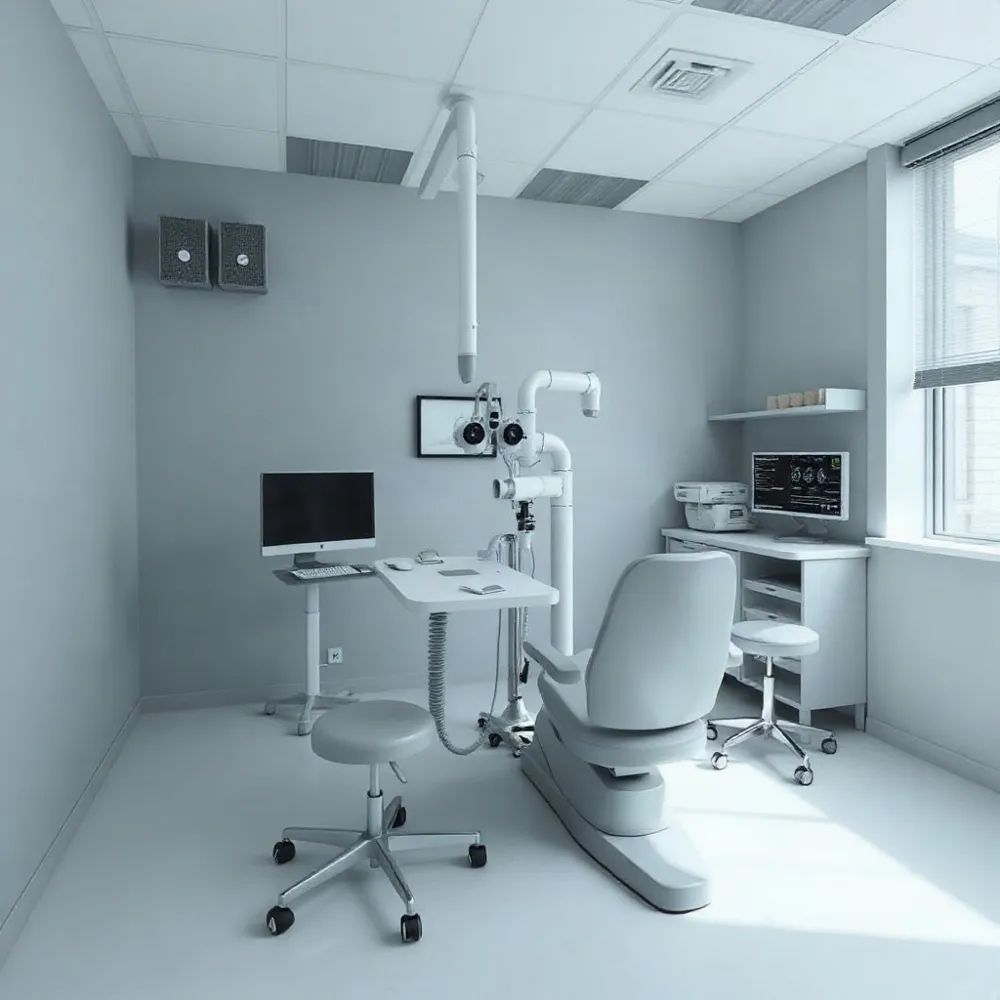 An optometrist examines vision and eye health, identifies problems such as nearsightedness, and can detect or manage common conditions including dry eye and glaucoma. Optometrists prescribe glasses and contact lenses and may recommend appropriate treatments. If you need surgery or specialized medical care, they can refer you to an ophthalmologist. At Apple Eye Care in El Paso, eye exams and care for dry eye and glaucoma are part of the practice’s services.
A comprehensive evaluation can check whether your prescription is stable, assess overall eye health, and measure corneal shape and thickness when relevant to treatment planning. These findings help a clinician discuss whether a procedure may suit your eyes. Reviews can describe someone else’s experience, but they cannot determine your candidacy. The Mayo Clinic’s LASIK guidance explains that suitability depends on individual eye and health factors.
Before the appointment, write down symptoms and questions. Bring your glasses or contact lenses, your previous prescription, a medication list, and relevant personal and family health history. Keep your usual eyewear routine; you do not need to stop wearing glasses or contacts to reset your vision.
Avoid alcohol beforehand, drink water, and consider skipping eye makeup to reduce irritation or smudging during testing. If dilation is possible, bring sunglasses and ask the office whether you should arrange a ride, since vision may be temporarily blurry or light-sensitive. Contact Apple Eye Care with questions about a specific test or how to prepare.
Compare the Available Procedures
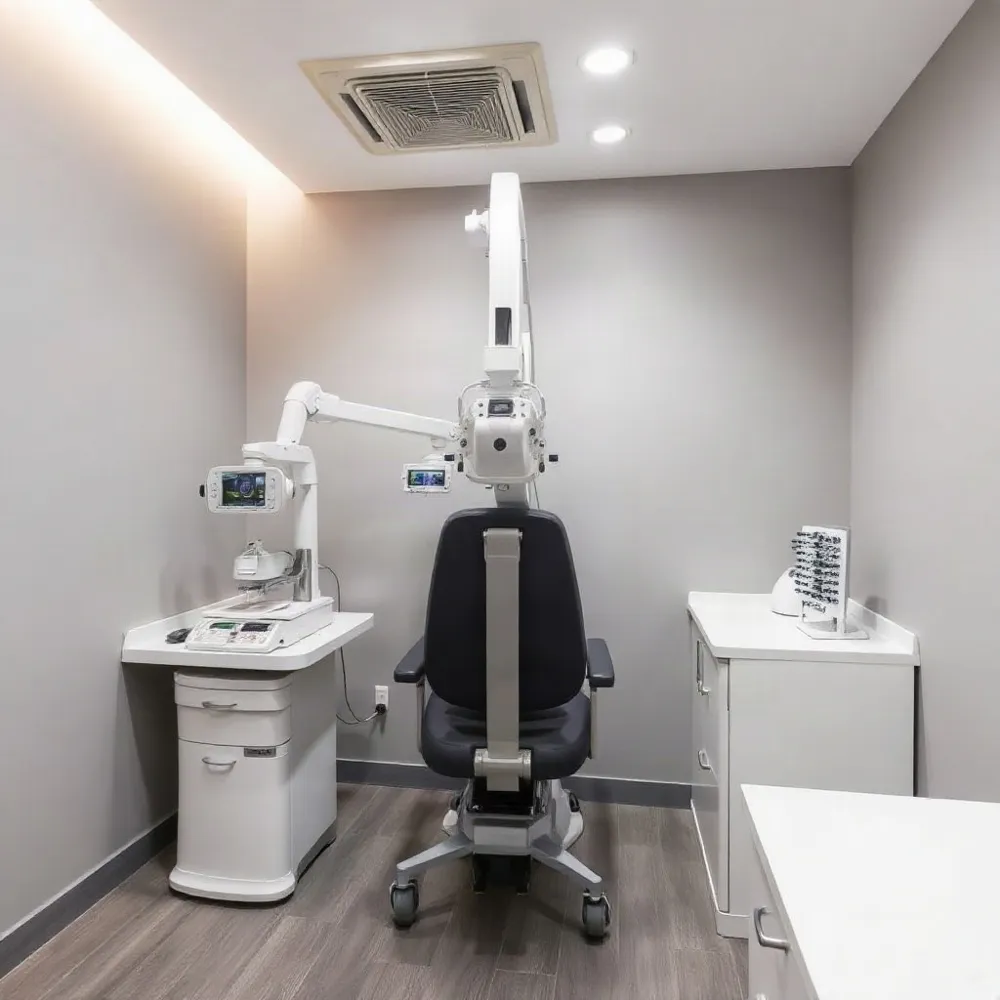 For some people, refractive surgery offers an alternative to glasses or contact lenses for nearsightedness, farsightedness, astigmatism, or selected age-related focusing concerns. Laser procedures reshape the cornea, while lens procedures place an artificial lens inside the eye or replace the natural lens. Surgery may reduce reliance on corrective lenses, but it cannot guarantee that glasses will never be needed again. Refractive surgery options include approaches suited to different prescriptions and eyes.
The procedures differ in how they change the eye and how healing unfolds. LASIK reshapes tissue beneath a thin corneal flap and often allows quicker initial vision recovery. PRK reshapes the corneal surface without a flap, and healing is generally slower. SMILE removes a small disc of corneal tissue through a small incision; it is commonly used for nearsightedness and some astigmatism. An implantable contact lens, also called an ICL, sits inside the eye while leaving the natural lens in place. Mayo Clinic’s overview of LASIK also explains why corneal health and procedure-specific risks matter.
Each option has different eligibility considerations. An evaluation may consider prescription and its stability, corneal thickness and shape, dry eye, overall eye health, daily activities, and risk of eye trauma. An implantable lens also requires enough room inside the eye. Those who are not ready for surgery can continue using glasses or contact lenses, which allow vision correction without a surgical recovery period.
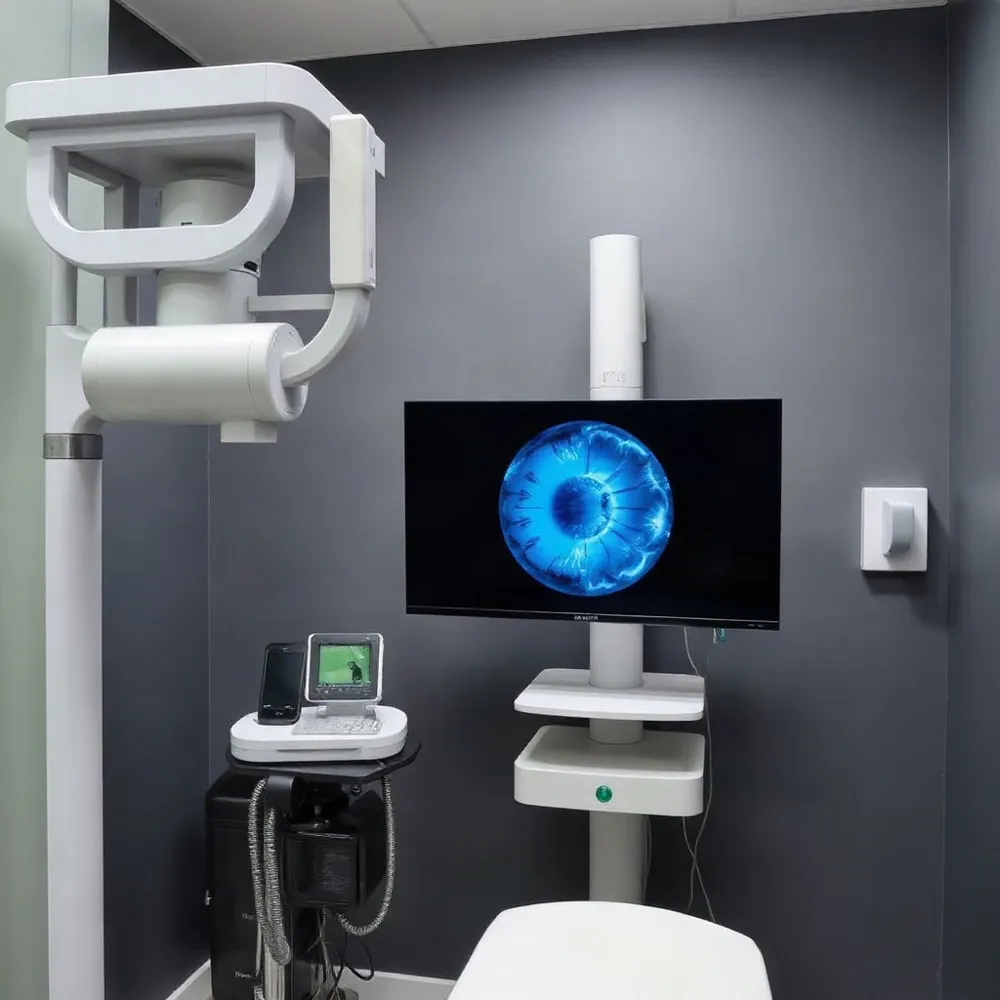
Apple Eye Care provides eye exams and advanced diagnostic testing, including DRI OCT Triton, to assess eye health and discuss vision needs. That evaluation can help clarify which questions to raise with a surgical specialist, but the practice’s listed services do not establish that it offers any of these procedures. A clinician who evaluates the individual eye and prescription can explain which options, if any, are appropriate.
Understand Who May Not Qualify
Laser vision correction is not suitable for everyone. People under 18 or whose prescription has changed recently may need to wait, since stable vision is generally important before surgery. A clinician will assess whether a person’s eyes and health make a procedure appropriate, rather than relying on age or prescription alone.
That evaluation may include checking for thin, damaged, or irregular corneas, keratoconus, significant dry eye, cataracts, and active or previous eye problems. General health also matters: uncontrolled diabetes, some immune conditions, and certain medicines can affect healing. Pregnancy and breastfeeding may temporarily change vision, so treatment is generally delayed until vision stabilizes. See the Mayo Clinic’s LASIK candidacy guidance for factors a surgeon may consider.
These are reasons to seek a professional assessment, not a checklist for self-diagnosis. Someone who is not suited to one laser procedure may be assessed for another approach or may continue with glasses or contact lenses. At Apple Eye Care in El Paso, comprehensive eye exams and advanced diagnostics can help the care team assess eye health and discuss appropriate next steps.
A positive review describes one person’s eligibility and experience, not a universal recommendation. A personalized evaluation is needed to determine whether laser correction, another option, or no procedure is appropriate.
Weigh Benefits Against Possible Risks
LASIK can reduce reliance on glasses or contact lenses by reshaping the cornea to help light focus more clearly. Mayo Clinic reports that more than 99% of people who have LASIK achieve 20/40 vision or better, a level that often supports most daily activities without corrective lenses. That figure is not a promise for an individual, and it does not mean everyone becomes glasses-free.
Some people may still need glasses for night driving, and age-related presbyopia can make reading glasses necessary later in life. Results also vary with a person’s eyes and healing. A clinical assessment at Apple Eye Care can consider overall eye health and help set realistic expectations before discussing vision-correction choices.
Dry eye is a common side effect and may persist for weeks or months. Other possible effects include light sensitivity, glare, halos or starbursts, and difficulty seeing in low light. Undercorrection or overcorrection can leave residual blurry vision; infection and problems involving the corneal flap are also possible. Rare complications can threaten vision. The Mayo Clinic’s overview of LASIK benefits and risks describes these risks and factors that affect candidacy.
Reviews may capture both the appeal of greater convenience and concerns such as discomfort, fluctuating vision, or side effects. These accounts can suggest questions to raise, but they cannot predict how likely a particular outcome is for you. Apple Eye Care’s comprehensive optometry services and advanced diagnostics, including DRI OCT Triton, support assessment of eye health, though they do not by themselves establish whether LASIK is suitable.
Before deciding, discuss your personal risk factors, likely benefits, alternatives, and what follow-up care may involve with an eye-care professional. The Cleveland Clinic’s guide to refractive surgery also emphasizes that procedure choice depends on individual needs and that surgery does not guarantee freedom from corrective lenses.
Plan for Healing and Follow Up
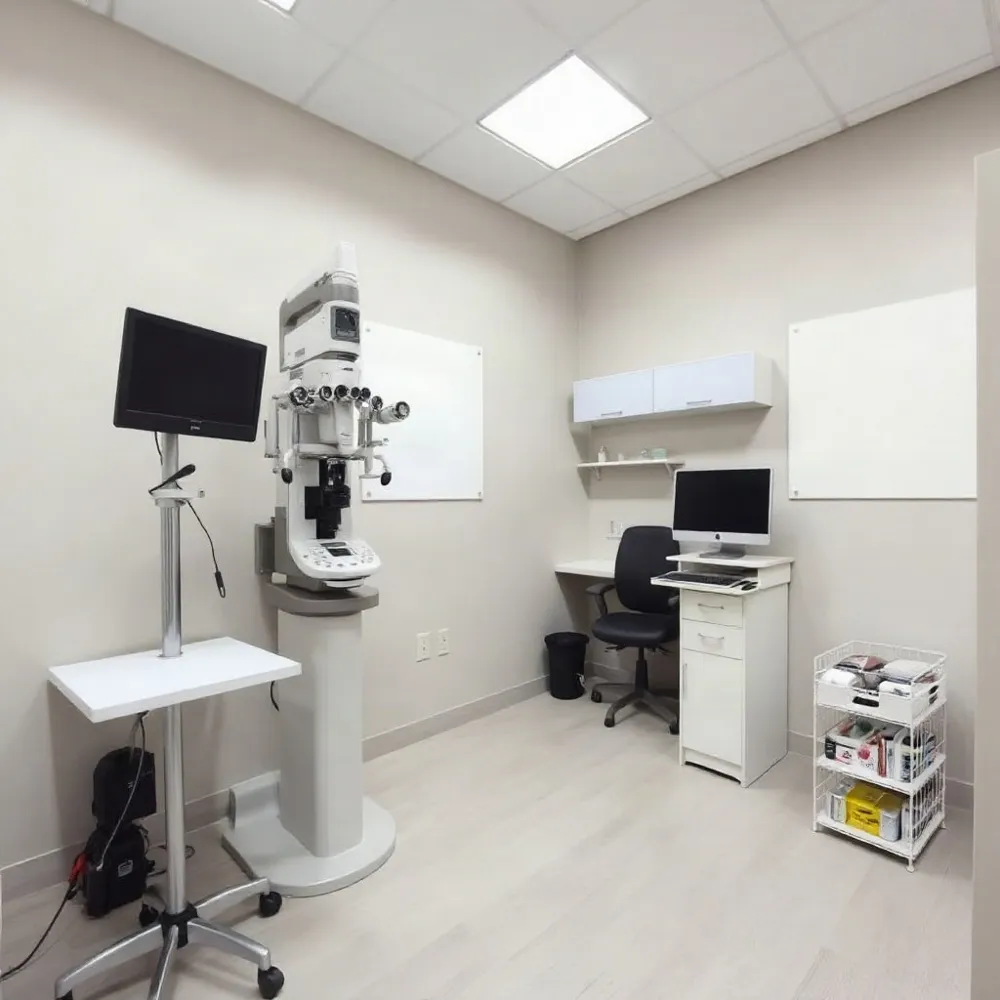 Recovery is a common topic in patient reviews, but one person’s timeline cannot predict another’s. Reviews can help you prepare questions about comfort and follow-up; Apple Eye Care’s comprehensive optometry services and personalized attention provide a setting to discuss your own eye health and concerns.
After LASIK, vision may improve soon, yet it can initially seem foggy or fluctuate. Temporary irritation, tearing, light sensitivity, dryness, glare, or halos may occur as the eyes heal. Many people resume routine activities within a day or two, but visual refinement and monitoring can continue for months. Healing varies from person to person, so ask what timing is realistic for you. The Cleveland Clinic’s refractive surgery guidance also emphasizes that recovery differs by procedure.
Follow the care team’s instructions: rest after surgery, use prescribed drops as directed, avoid rubbing your eyes, and follow advice about protective shields and activity restrictions. Keep postoperative appointments so the provider can assess healing and address questions. Apple Eye Care’s eye exams and ongoing eye-health care can also help monitor vision changes over time, whether or not you have surgery.
Contact an eye-care provider promptly for severe pain, worsening or sudden vision changes, or possible signs of infection. Continue routine eye exams after recovery, since eyesight can change with age. Ask in advance whom to contact if symptoms arise and what follow-up schedule applies to your care.
Turn Reviews Into Better Questions
A review is most useful when it describes something specific: whether the care team explained options clearly, answered concerns, provided follow-up, or helped the patient understand recovery. Star ratings and broad claims about a procedure reveal less about how your own eyes may respond.
Use patient accounts alongside information about clinician qualifications and relevant experience, diagnostic testing, records of complications and satisfaction, and the plan for care after a procedure. Apple Eye Care’s optometry services include eye-health evaluations and advanced diagnostics, which can help inform conversations about your individual needs.
A consultation can turn online research into questions you can discuss with an eye-care professional. The Mayo Clinic’s LASIK guidance recommends asking about candidacy, suitable procedures, personal risks, expected results, and follow-up care.
What should I ask my eye doctor when considering vision correction surgery?
- Am I a suitable candidate, and how do my prescription stability, corneal shape and thickness, eye health, and lifestyle affect that assessment?
- Which options may fit my eyes, and what are the benefits and limitations of each?
- What risks, including dry eye, glare, or halos, are relevant to me, and what results are realistic?
- What testing will guide the recommendation, who will perform the procedure, and what experience do they have with cases like mine?
- What should I expect during recovery, and what follow-up care will be provided?
- What is the total cost, what does it include, and could additional expenses apply?
Most insurance plans classify laser vision surgery as elective and may not cover it, so check your own plan and confirm costs with the provider and benefits administrator. Ask whether payment arrangements are available, without assuming they are.
Share your full health history, medications, concerns, and priorities. Take time to get clear answers; if you still feel uncertain, ask for clarification or another consultation rather than rushing into a decision.
Choose With Evidence and Personal Guidance
Patient reviews can show what people valued or found difficult, but they cannot establish which option suits your eyes. A personalized assessment and discussion with an eye-care professional can account for eye health, prescription, daily needs, and expectations. Apple Eye Care provides comprehensive optometry services in El Paso, including eye exams and advanced diagnostics, to support informed conversations about vision and eye health.
Before deciding, weigh potential benefits against risks, recovery demands, alternatives, and the full cost. Mayo Clinic’s LASIK guidance advises patients to consider candidacy, realistic outcomes, and personal risk tolerance. Reviews and advertised results are not promises of what an individual will experience.
There is no need to rush if questions remain. Bring your concerns and goals to an eye-care professional, ask what the examination shows, and discuss which options, if any, merit further consideration.