Trust Grows Through Everyday Care
Patients may be more inclined to return when eye care pairs thorough examinations with clear explanations, personal attention, and convenient communication. These everyday details help people understand their vision and health, feel heard, and know what to do next.
Apple Eye Care is a family-focused optometry practice serving El Paso since 1999, led by Dr. Stephen Applebaum. Its stated approach centers on individualized care and helping patients understand their results and next steps. That focus gives long-term care a practical foundation: patients can bring questions forward and discuss recommendations in terms of their needs.
The information available for this article includes no named Apple Eye Care patients or verified patient quotations, so none are presented here. Any testimonial should come from a genuine, separately verified account and be shared with the patient’s permission. The discussion that follows describes the clinic’s stated approach, not invented patient experiences.
Personal Attention Makes Care Individual
An eye exam is more useful when it starts with the person, not a standard checklist. Listening to concerns, health history, vision needs, and everyday routines can help an optometrist shape recommendations around what matters to each patient. Screen use, work demands, medications, and hobbies may all affect the questions to ask and options to discuss. Personalized eyecare guidance describes this as an ongoing process, not a one-size-fits-all plan.
Apple Eye Care describes its approach as compassionate and family-focused, with attention to patients’ questions and plain-language explanations of exam results. The practice says Dr. Stephen Applebaum and the team involve patients in decisions, helping them understand their options, whether the discussion concerns vision correction, dry-eye care, or monitoring an eye condition.
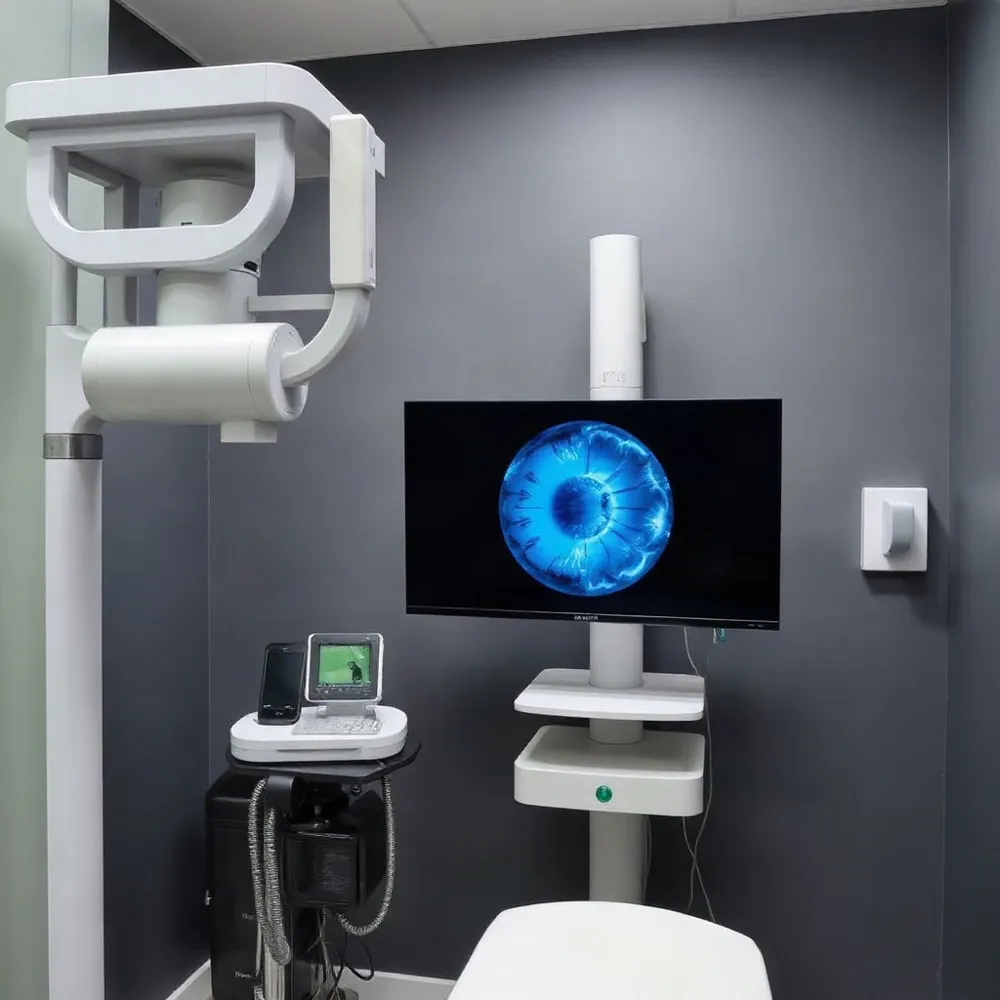
The practice also says its DRI OCT Triton imaging supports precise assessment and early detection. Imaging can inform clinical evaluation, but it does not guarantee a particular diagnosis or outcome. Patients can ask what a test shows and how its results relate to their care plan.
Different eye-care professionals have distinct roles. Optometrists provide exams, prescribe glasses or contact lenses, and manage many eye conditions; their scope varies by state. Ophthalmologists are physicians who treat eye disease and can perform surgery. Opticians fit and adjust eyewear from a prescription, but do not diagnose eye conditions or prescribe corrective lenses. These professionals may coordinate care when needs call for it. At Apple Eye Care, the team offers comprehensive optometry and can help patients understand next steps, including when additional care may be appropriate.
A Comprehensive Exam Looks Beyond Clarity
What is involved in a comprehensive eye exam?
A comprehensive eye exam assesses eye health as well as how clearly you see. The clinician typically reviews your medical and vision history, checks visual acuity and prescription, and evaluates focusing and how the eyes work together. The exam also includes an assessment of the front and internal structures of the eyes.
Depending on your needs, the optometrist may check peripheral or color vision, measure eye pressure, use dilating drops, or take advanced images. Apple Eye Care uses DRI OCT Triton imaging as part of its diagnostic care, and its team explains exam results and answers questions so patients can understand next steps.
After reviewing the findings, the clinician may recommend an updated prescription, monitoring, or treatment. Comprehensive exams can reveal signs of conditions such as cataracts and glaucoma before they cause noticeable vision changes, as described in research on personalized eyecare.
How often should you have a comprehensive eye exam?
There is no single schedule for everyone. Many adults are advised to have an exam every one to two years, while children, adults over 65, and people with diabetes, a family history of eye disease, or an existing eye condition may need a different or more frequent schedule. Your optometrist can recommend an interval based on age, health, vision needs, and risk factors.
Routine visits matter even when your sight seems fine because some eye conditions may have no early symptoms. Annual eye exams can help identify changes early. Apple Eye Care can help El Paso patients determine when to book their next exam.
Follow-Up Supports Long-Term Eye Health
 A return visit can do more than update a prescription. Regular follow-up gives an eye-care professional a chance to track changes over time, review treatment, and respond if a condition progresses. That continuity matters for glaucoma and diabetic retinopathy, which may require monitoring even when a patient notices no change in vision.
The scale of missed follow-up is a concern: an optometry article reports that about 60% of patients with diabetic retinopathy are lost to follow-up each year, while one-third of patients with glaucoma are lost over 10 years. These figures are from the article, not estimates of outcomes at Apple Eye Care, but they show why ongoing care deserves attention. The patient-retention article also describes reminders and clear appointment options as practical ways to support return visits.
At Apple Eye Care, follow-up can connect routine eye exams with services such as vision correction, contact lens fittings, dry-eye treatment, and cataract and glaucoma care. The practice also uses DRI OCT Triton imaging as part of its diagnostic services. The appropriate interval depends on a person’s health and findings, so patients can ask what the next visit is meant to monitor and when it should take place.
Practices can make returning easier by giving patients clear next steps, sending reminders, and offering accessible ways to book or change an appointment. Apple Eye Care lists phone, messaging, and online booking options, while the American Academy of Ophthalmology recommends keeping patients informed about expected waits and using feedback to improve service. The AAO’s patient-satisfaction guidance offers general practice recommendations, not evidence about Apple Eye Care’s specific reminder systems. Patients can ask the clinic which scheduling option best fits their needs.
Addressing Cataract Care Expectations
 Cataract surgery can improve vision, but recovery and results may not match every expectation. During healing, some people notice blurry or fluctuating vision, dryness, irritation, or a scratchy feeling, as if something is in the eye. These symptoms can be uncomfortable, but they do not automatically mean the surgery has failed.
Some patients still need glasses or contact lenses if their final prescription differs from the target, or if their lens choice does not provide the expected distance, computer, or reading vision. Depending in part on the lens and prescription, halos, glare, streaks, or reduced contrast may also affect visual comfort. Months or years later, posterior capsule opacification can cause vision to become cloudy again, though it does not happen to everyone.
Persistent, worsening, or unexpected symptoms deserve an evaluation by an eye-care provider. Some causes can be managed with treatment or a change in vision correction. Apple Eye Care provides cataract monitoring and care coordination, helping patients understand their options and next steps without assuming every concern requires the same response.
Small Habits Help Protect Vision
 Everyday choices can support eye comfort and help reduce avoidable risks. Wear sunglasses that block 99–100% of UVA and UVB rays, and use protective eyewear for sports, work, and home projects where dust or flying debris could injure your eyes.
For screen-related strain, try the 20-20-20 rule: every 20 minutes, look at something about 20 feet away for 20 seconds. Blinking often can help keep the eye surface moist. If you spend long hours at a computer, Apple Eye Care can assess symptoms and discuss options involving ergonomics, habits, or lenses.
A balanced diet with fruits and vegetables, including leafy greens, and regular physical activity support general health. Contact-lens wearers should wash their hands before handling lenses, follow cleaning and replacement instructions, and avoid sleeping in lenses unless directed by their eye-care professional. Try not to rub your eyes, especially with unwashed hands.
These habits do not replace comprehensive exams. Schedule them as often as your eye-care professional recommends, even when your vision seems normal. Apple Eye Care offers comprehensive exams and explains results and next steps. When considering patient stories, look for genuine, approved accounts; general practice reviews or testimonials from other clinics should not be presented as Apple Eye Care patient experiences.
A Reason to Return
Regular eye care is easier to maintain when patients know what to expect, feel heard, and have a clear next step. Research on patient experience highlights the value of attentive communication and personalized care in supporting ongoing relationships with an eye-care practice (American Academy of Ophthalmology).
At Apple Eye Care, thorough exams, compassionate attention, and clear explanations are part of the practice’s stated approach. Patients can ask questions about their results, follow-up, or concerns such as dry eye and glaucoma.
When it is time for an exam, book a visit and share what matters to your vision and health. A conversation about your needs can help make the next step in care clearer.