Vision Care for Every Generation
Vision needs change as children grow, adults work and use screens, and older family members face age-related changes. Family eye care brings those needs into focus, combining age-appropriate exams with everyday habits and guidance from an eye care professional.
Apple Eye Care in El Paso provides comprehensive optometry services, including eye exams and advanced diagnostics such as DRI OCT Triton, with personalized attention from a compassionate team led by Dr. Stephen Applebaum. These visits can help assess vision and eye health, while practical steps such as wearing UV-blocking sunglasses and taking screen breaks support care between appointments. The CDC’s eye-health guidance offers additional ways to protect vision.
Choosing an Exam Schedule
 How often should you have an eye exam? There is no single interval for everyone. Age, vision changes, medical and family history, and other risk factors all shape the schedule, so follow an optometrist’s advice rather than treating a general guideline as a rule.
Many adults without known eye problems may have exams every one to two years, while some people need closer monitoring. At Apple Eye Care in El Paso, an optometrist can consider your health and vision needs as part of comprehensive optometry care.
Diabetes and high blood pressure can affect the eyes. The CDC says most people with either condition need a dilated eye exam every year, but advises asking a doctor how often an exam is right for them. Its guidance also recommends dilated exams every one to two years for people over 60, African Americans over 40, and those with a family history of glaucoma. CDC guidance on eye exams
Do not wait for a routine appointment if your vision worsens or you develop eye pain, double vision, flashes, floaters, redness, or other new symptoms. Contact an eye care professional to ask what care is appropriate.
Building Healthy Vision in Childhood
 Children’s vision changes as they grow, and young children may not know that what they see is different from what others see. They may not be able to describe a problem, so caregivers’ observations and age-appropriate checks matter.
A useful schedule is a first comprehensive eye exam by age one, follow-up exams around age three and before school, then generally every one to two years after age five. The interval can change with a child’s vision, eye health, glasses use, or family history. The American Academy of Ophthalmology’s child screening guidance explains how screening changes with age and when a comprehensive exam is appropriate.
School and pediatrician screenings can flag possible concerns, but they do not diagnose every problem or replace a comprehensive exam. Arrange an assessment if a child fails a screening, results are inconclusive, or you notice misaligned eyes, persistent tearing, or difficulty seeing. Apple Eye Care provides comprehensive optometry services in El Paso, including eye exams; its care also includes advanced diagnostics such as DRI OCT Triton.
Finding a concern early allows an eye care professional to assess it and recommend appropriate care while vision is developing. An exam can help evaluate vision, but it should not be presented as a diagnosis or cure for a learning disability.
What a Comprehensive Exam Can Reveal
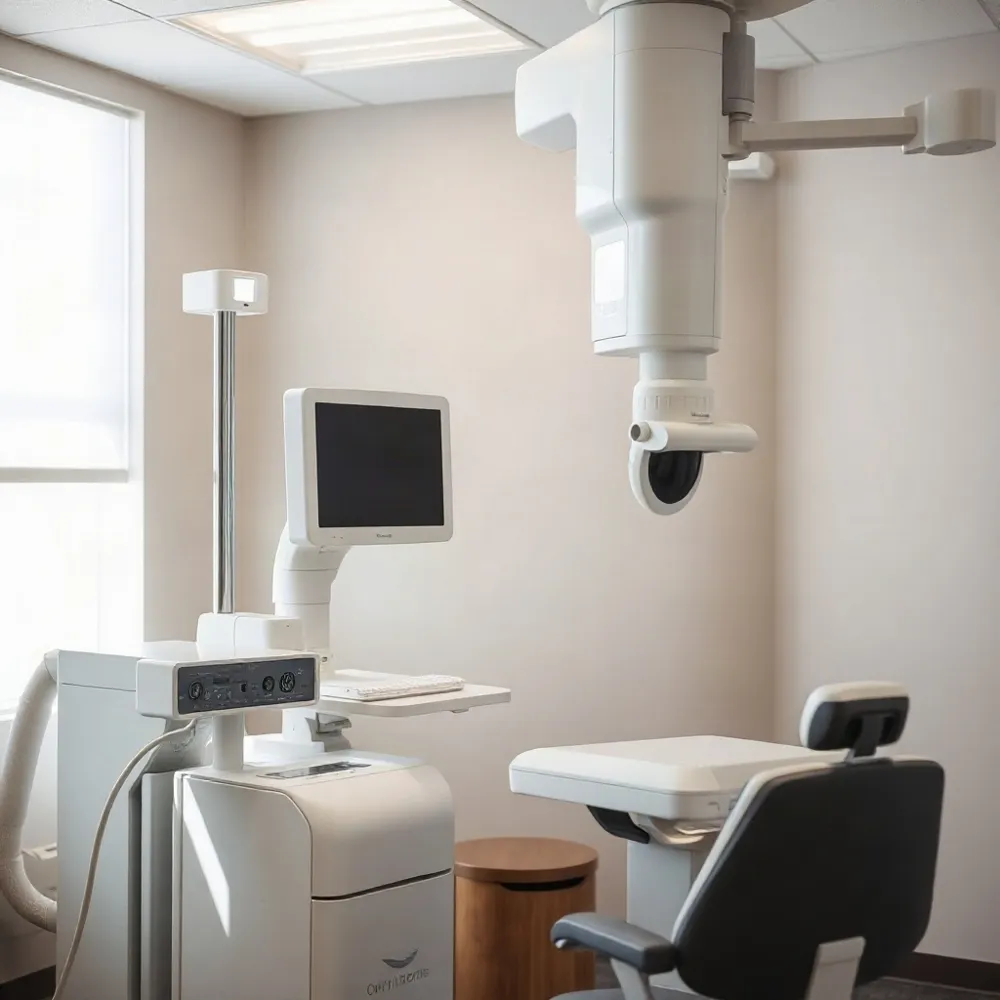 A comprehensive eye exam does more than check whether you can read a chart. It usually begins with questions about your medical, family, and vision history, which help the clinician understand symptoms and possible risks. Sharing a family history of eye disease can help inform care, as the CDC explains.
The clinician may test visual acuity and refraction to assess how clearly you see and determine whether you need a prescription for glasses or contact lenses. They may also check how your eyes move, work together, and focus, and measure eye pressure as part of an assessment for glaucoma.
The exam also includes an evaluation of the external eye and internal structures, including the retina and optic nerve. Dilating drops may widen the pupils so the clinician can see more of the inside of the eye. This differs from a brief screening, which can flag a possible concern but does not diagnose eye disease; the clinician chooses tests based on your symptoms, history, and risk.
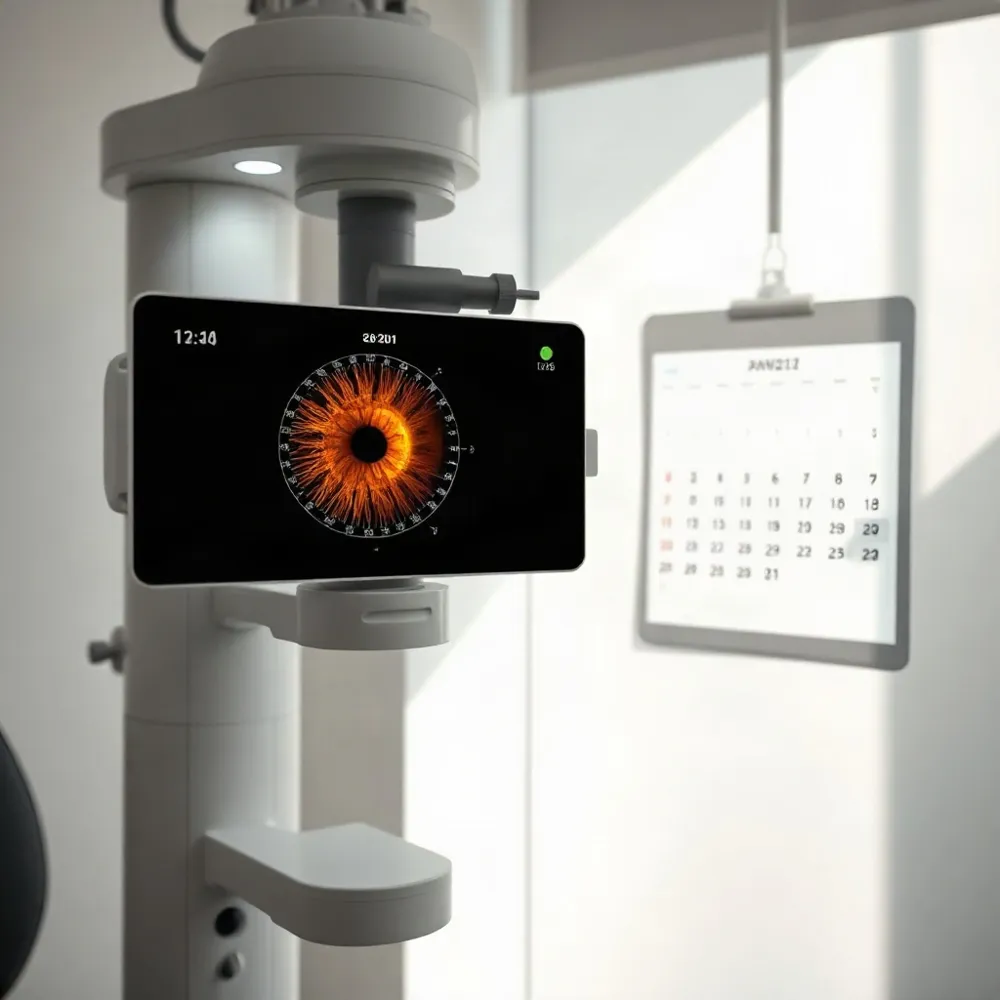
When more detail is useful, retinal imaging or optical coherence tomography (OCT) may be recommended. OCT is a noninvasive scan that creates detailed cross-sectional images of the retina and optic nerve. At Apple Eye Care, comprehensive optometry services include advanced diagnostics with DRI OCT Triton technology, though the tests used depend on each patient’s needs.
Everyday Habits and Screen Comfort
Small daily choices can help protect your eyes and make screen time more comfortable. Wear sunglasses that block 99% to 100% of UVA and UVB rays, and use protective eyewear for sports, yard work, repairs, or other activities that could cause an eye injury. The National Eye Institute’s healthy vision tips offer practical guidance for families.
Wash your hands before touching your eyes or handling contact lenses, and follow the cleaning and replacement instructions for your lenses. A varied diet with leafy greens, colorful produce, and fish, along with avoiding smoking, supports general eye health. Managing conditions such as diabetes or high blood pressure also matters. These habits complement regular exams rather than replace them.
For screen comfort, follow the 20-20-20 rule: every 20 minutes, look at something about 20 feet away for 20 seconds. Blink regularly, position the screen at a comfortable distance and slightly below eye level, and adjust room lighting, screen brightness, and text size to reduce glare and squinting. Longer breaks can also help.
If your eyes feel dry, lubricating drops may offer temporary comfort. Persistent dryness, headaches, blurred vision, or other discomfort should not be managed with drops alone. At Apple Eye Care in El Paso, comprehensive exams and dry eye treatment can help assess ongoing symptoms and guide appropriate care.
Arrange an eye exam if symptoms continue or your vision changes. The CDC’s eye-care guidance also advises seeking professional care for symptoms such as eye pain, redness, double vision, floaters, or flashes of light.
Blurred Vision and Nutrition Questions
Can natural remedies or exercises improve blurry vision? Usually not when blur comes from nearsightedness, farsightedness, astigmatism, cataracts, or another eye condition. Screen breaks, frequent blinking, and preservative-free artificial tears may ease temporary dryness-related blur, but they do not treat every cause. Try the 20-20-20 rule: every 20 minutes, look at something about 20 feet away for 20 seconds, as advised by the National Eye Institute.
If blur persists or gets worse, arrange a comprehensive eye exam rather than relying on exercises or home remedies. Sudden vision loss or severe blurring needs urgent medical attention. At Apple Eye Care in El Paso, comprehensive exams can assess vision and eye health, with advanced diagnostics including DRI OCT Triton.
Which vitamins and foods support eye health? Vitamins C and E, vitamin A, zinc, lutein, zeaxanthin, and omega-3 fatty acids are associated with eye health. Build meals around leafy greens such as kale and spinach, colorful fruits and vegetables, nuts, seeds, beans, eggs, and fish such as salmon or sardines. The National Eye Institute’s healthy vision guidance also recommends leafy greens and fish as part of a varied diet.
A Mediterranean-style eating pattern with vegetables, fruit, whole grains, beans, nuts, olive oil, and seafood supports overall health and may help slow age-related macular degeneration in some people. Food is a sensible starting point, but supplements are not helpful for everyone and can cause harm in excess. If you have macular degeneration, ask an eye care professional whether AREDS2 supplements are appropriate for you.
Understanding Exam Costs
How much does a comprehensive eye exam cost without insurance? The estimate can vary, and no current local price is provided here. Location, provider, exam scope, refraction to determine a glasses prescription, and specialized diagnostic testing can all affect the total. A basic vision screening checks for possible vision problems, while a comprehensive exam also evaluates eye health and may include further testing. The American Optometric Association’s guidance on comprehensive eye exams explains what an eye exam can involve.
At Apple Eye Care in El Paso, advanced diagnostics such as DRI OCT Triton may be part of care when appropriate. Contact the office for a current self-pay estimate, and ask whether refraction and any recommended diagnostic testing are included in the quoted price.
Make Eye Care a Family Habit
Age-appropriate exams and simple protective habits can support vision through every stage of life. The CDC’s eye-care guidance also recommends discussing family history and seeking care when vision changes or symptoms arise.
No single exam schedule or solution fits everyone. At Apple Eye Care in El Paso, Dr. Stephen Applebaum’s team offers personalized optometry care, including advanced diagnostic imaging and management for conditions such as dry eye, cataracts, and glaucoma. Ask an eye care professional what fits your family’s needs.