Understanding Chronic Dry Eye and Its Toll
Dry eye disease is not a minor inconvenience. It affects an estimated 16 million Americans, making it one of the most common and uncomfortable eye conditions [link needed]. For many, the symptoms go beyond simple dryness, creating a persistent cycle of discomfort that can affect every part of daily life.
The impact of chronic dry eye can be significant. The constant irritation—a gritty, burning, or stinging sensation—can make reading, working on a computer, driving, or even watching television a challenge. This discomfort often leads to reduced productivity and can make social activities feel difficult.
The toll is not just physical. Managing the persistent symptoms can be emotionally draining, and the condition can affect a person's ability to work, socialize, and enjoy life [link needed]. This link between dry eye and emotional well-being is now better understood, emphasizing the need for effective, lasting relief.
Because dry eye can be caused by various issues—from meibomian gland dysfunction to inflammation, allergies, or simply reduced tear production—a one-size-fits-all approach rarely works. Lasting relief requires a comprehensive plan tailored to the individual's specific underlying cause, combining professional in-office care with daily habits.
Signs and Symptoms of Dry Eye Disease
 Dry eye disease often announces itself through a stinging, burning, or scratchy sensation, along with redness and a feeling of grittiness — as though something is in the eye. Many also report sensitivity to light, blurred vision, and eye fatigue. These symptoms can make the eyes feel uncomfortable, tired, and painful.
A less obvious sign is watery eyes. When the eye lacks proper lubrication, it can overcompensate by producing excess watery tears. This can lead to stringy mucus around the eyes and a cycle of irritation.
Dry eye symptoms often interfere with daily life. Patients may find it hard to wear contact lenses or struggle with night driving. The discomfort can make reading, using a computer, or watching TV challenging.
Morning vs. Late Day. Some people notice symptoms are worse upon waking, while others feel more irritation late in the day after hours of screen use or exposure to dry air.
Impact on Quality of Life. When left untreated, chronic dry eye can affect the ability to work, socialize, and enjoy everyday activities, according to the Cleveland Clinic. The American Academy of Ophthalmology reports that approximately 16 million Americans are diagnosed with dry eye, making it one of the most common and uncomfortable eye conditions.
While dry eyes do not directly cause blindness, chronic and severe cases can lead to corneal abrasions, infections, and scarring that impair vision. Seeking professional care at the first signs of persistent dryness is the best way to protect long-term eye health.
Why Dry Eye Happens and What Fuels It
 Dry eye disease falls into three categories: aqueous deficient dry eye (not enough watery tears), evaporative dry eye (tears evaporate too quickly), and mixed dry eye (a combination of both).
Evaporative dry eye is the most common form, accounting for up to 86% of cases. It is usually driven by meibomian gland dysfunction (MGD), where the tiny oil glands along the eyelid edges become blocked. Without enough oil to seal the tear film, moisture evaporates rapidly, leaving the eye surface exposed and irritated.
A related condition, blepharitis — inflammation of the eyelid margins — can also block oil glands. Blepharitis is sometimes caused by an overpopulation of Demodex mites, which are believed to cause about half of all anterior blepharitis cases, according to the American Academy of Ophthalmology.
Common Triggers and Risk Factors
A range of factors can tip the tear film out of balance. Age is a major one — tear production naturally decreases as people grow older. Environmental conditions such as dry desert climates, wind, air conditioning, and smoke pull moisture from the eyes. Screen habits also play a role: reduced blinking during computer use can starve the eyes of lubrication.
Medications. Decongestants, antihistamines, antidepressants, blood pressure drugs, and glaucoma treatments can reduce tear production or alter tear composition.
Medical conditions. Autoimmune disorders (Sjögren’s syndrome, rheumatoid arthritis), diabetes, thyroid disorders, and hormonal changes (menopause) are linked to dry eye disease.
Surgeries. LASIK and cataract surgery can disrupt corneal nerves and temporarily or permanently affect tear production.
Lifestyle. Contact lens wear, smoking, and insufficient hydration can worsen symptoms. The Cleveland Clinic also notes that lack of sleep and alcohol consumption can contribute to dry eye.
At Apple Eye Care in El Paso, Dr. Stephen Applebaum and his team use advanced diagnostics — to identify which of these factors is driving a patient’s condition. For many patients living in El Paso’s dry, windy climate, MGD and evaporative dry eye are the primary culprits, and targeting the root cause is the first step toward comfortable eyes.
FDA-Approved Prescription Medications for 2025
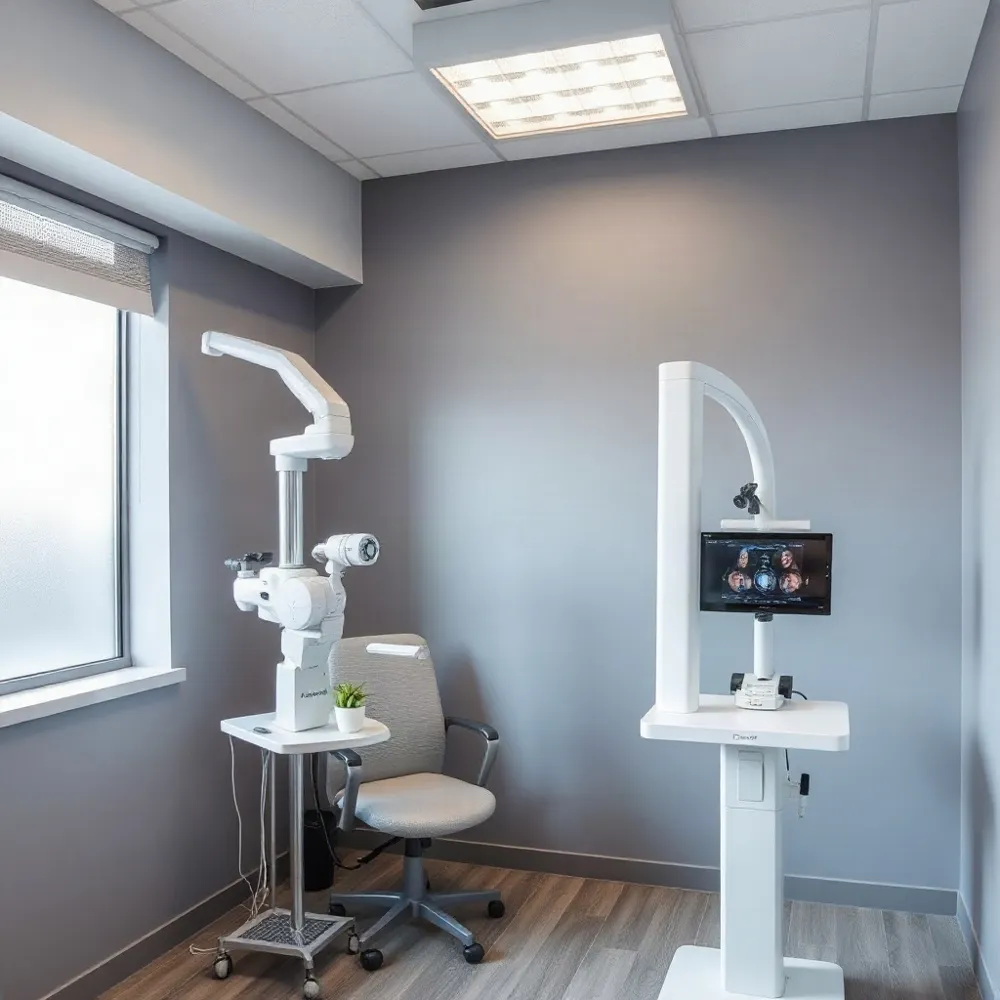 The treatment landscape for dry eye disease has expanded significantly in recent years, with new prescription options targeting specific underlying causes. The "best" medicine depends entirely on the type and severity of your condition, which is why a comprehensive eye exam is the first step. At Apple Eye Care, Dr. Stephen Applebaum uses advanced diagnostics like the DRI OCT Triton to identify the root cause of your symptoms before recommending a treatment.
Miebo: Targeting Evaporative Dry Eye
Miebo (perfluorohexyloctane ophthalmic solution) by Bausch & Lomb is the first FDA-approved prescription eye drop specifically for dry eye associated with meibomian gland dysfunction (MGD). It is a preservative-free drop taken four times per day to stabilize the tear film and prevent evaporation. Patients typically experience a rapid decrease in dryness. This option is ideal for the majority of dry eye cases, as MGD accounts for an estimated 86% of cases.
XDEMVY: Treating Blepharitis from Demodex Mites
XDEMVY (lotilaner ophthalmic solution) by Tarsus Pharmaceuticals is an eye drop administered twice daily to treat blepharitis caused by an overpopulation of Demodex mites. These mites live harmlessly on most people's skin, but an overgrowth on the eyelids can cause inflammation and crusting. If your dry eye is accompanied by eyelid itching and irritation, this targeted therapy may be the right choice.
Other Key Options for Chronic Dry Eye and Flares
For chronic dry eye driven by inflammation, several cyclosporine-based drops are available. Restasis (0.05%) and CEQUA (0.09%) can take 3 to 6 months to begin working. A newer option is VEVYE, a preservative-free, water-free 0.1% cyclosporine drop. Xiidra (lifitegrast) offers an anti-inflammatory alternative, while Tyrvaya is a nasal spray that stimulates natural tear production through the nervous system. For short-term management of acute dry eye flares, Eysuvis is the first FDA-approved ocular corticosteroid, but it can only be used for two weeks at a time due to side effects.
Because each medication targets a different mechanism, choosing the right one requires a clear diagnosis of your dry eye type. At Apple Eye Care, a thorough evaluation ensures you receive the most effective prescription for your unique needs, helping you achieve lasting relief.
Innovative In-Office Therapies for Lasting Relief
When at-home remedies like warm compresses and artificial tears are not enough, in-office therapies can offer longer-lasting relief by targeting the root causes of chronic dryness. For many patients with moderate to severe dry eye, these advanced treatments address the blocked meibomian glands and inflammation that drive evaporative dry eye.
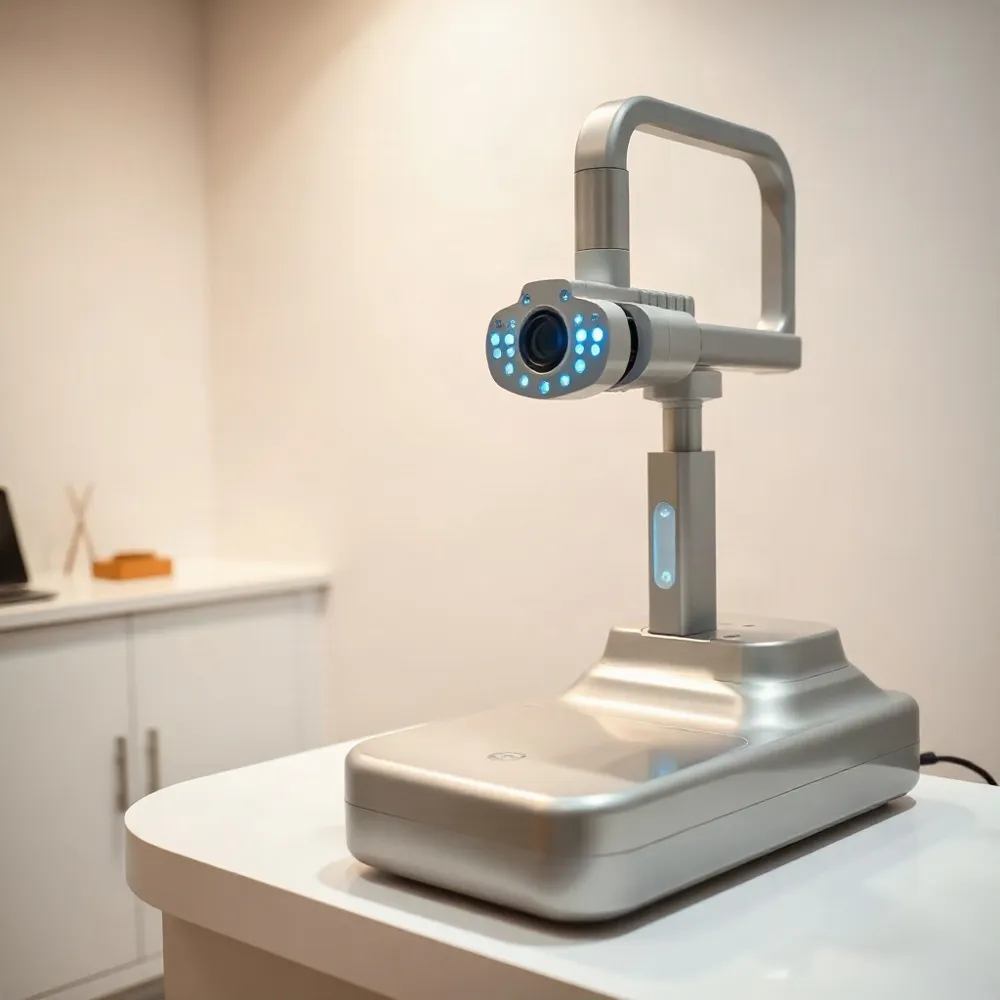
Thermal pulsation treatment is a leading in-office procedure that applies precisely controlled heat and gentle pressure to the eyelids to unblock meibomian glands. Devices such as the Systane iLux and LipiFlow deliver sustained warmth directly to the inner eyelid, melting hardened blockages and allowing natural oil to flow again. This approach is more effective than traditional warm compresses, which often fail to maintain a consistent therapeutic temperature. Another option is the TearCare system, which uses flexible applicators to deliver heat while the patient blinks naturally.
For patients whose dry eye is linked to inflammation, Intense Pulsed Light (IPL) therapy can reduce abnormal blood vessels and improve meibomian gland function. The OptiLight by Lumenis device applies controlled pulses of light to the eyelids in 10-minute sessions, typically four times per year. When combined with in-office gland expression, IPL can significantly improve tear film stability.
Other devices offer targeted solutions for specific needs. The BlephEx tool uses a rotating sponge to remove bacteria and biofilm from eyelid margins, while the portable NuLids system supports daily home maintenance with a one-minute massage. For severe cases involving corneal damage, amniotic membrane devices like Prokera or custom-fit scleral lenses can protect the eye's surface and promote healing.
True advanced care often means combining several approaches. At Apple Eye Care in El Paso, Dr. Stephen Applebaum uses advanced diagnostics to identify the root cause—whether it is meibomian gland dysfunction or inflammation—before recommending a personalized treatment plan. Whether thermal pulsation, IPL, or a combination of therapies proves best, these in-office options provide relief that at-home care alone cannot match.
Natural Remedies and At-Home Care Strategies
For many people, the first approach to managing dry eye symptoms involves changes they can make at home. Several natural and environmental strategies can support the tear film and provide noticeable relief, especially when symptoms are mild or occasional.
Warm Compresses and Lid Hygiene
A warm compress is one of the most effective at-home remedies for dry eye, particularly for evaporative dry eye caused by meibomian gland dysfunction (MGD). Applying a warm, damp washcloth over closed eyes for about five minutes helps loosen hardened oils blocking the glands. Gently rubbing the closed eyelids with a mild soap, such as baby shampoo, can further clear debris and reduce inflammation.
Nutritional Support for the Tear Film
Adding omega-3 fatty acids to the diet, through supplements or foods like salmon and flaxseed, may help relieve dry eye symptoms, according to the Mayo Clinic. Deficiencies in certain vitamins can worsen dryness, with links to inadequate levels of Vitamin A, D, and B12. Staying hydrated by drinking enough water also supports the lacrimal glands in producing healthy tears.
Screen Habits and the 20-20-20 Rule
Reduced blink rate during screen time can worsen dry eye. The 20-20-20 rule suggests that every 20 minutes, you look at something 20 feet away for 20 seconds. While widely recommended, research on its specific effectiveness for dry eye is limited. Practicing conscious blinking and taking regular breaks can help keep the eyes moist.
Environmental Modifications
Small environmental changes can protect eyes from dryness. Using a humidifier adds moisture to the air, while wraparound sunglasses shield eyes from wind and sun. Avoiding direct air from fans, heaters, and air conditioning also helps prevent rapid tear evaporation.
When At-Home Care Is Not Enough
Natural remedies are a valuable first step, but they have limitations. For chronic dry eye, over-the-counter drops and home habits often cannot address the root cause, such as severe gland blockage or inflammation. A comprehensive eye exam at Apple Eye Care can identify underlying issues and recommend professional treatments that natural approaches alone cannot provide.
Advanced Diagnostics and Personalized Care
A precise diagnosis is the first step toward effective dry eye treatment. Because dry eye disease has many underlying causes, a comprehensive eye exam is essential to identify the specific type and severity of your condition. At Apple Eye Care, Dr. Stephen Applebaum and his team use advanced diagnostic tools to go beyond a basic eye exam, measuring tear volume, tear quality, and the health of the meibomian glands.
Diagnostic Tools and What They Reveal
Standard dry eye diagnostics include the Schirmer tear test, which measures tear production by placing a small strip of paper under the lower eyelid for five minutes. Another common test is tear breakup time (TBUT), which uses a special dye to see how quickly tears evaporate. A short TBUT indicates an unstable tear film, often due to meibomian gland dysfunction. A tear osmolarity test measures the salt concentration in tears, with higher levels indicating dryness.
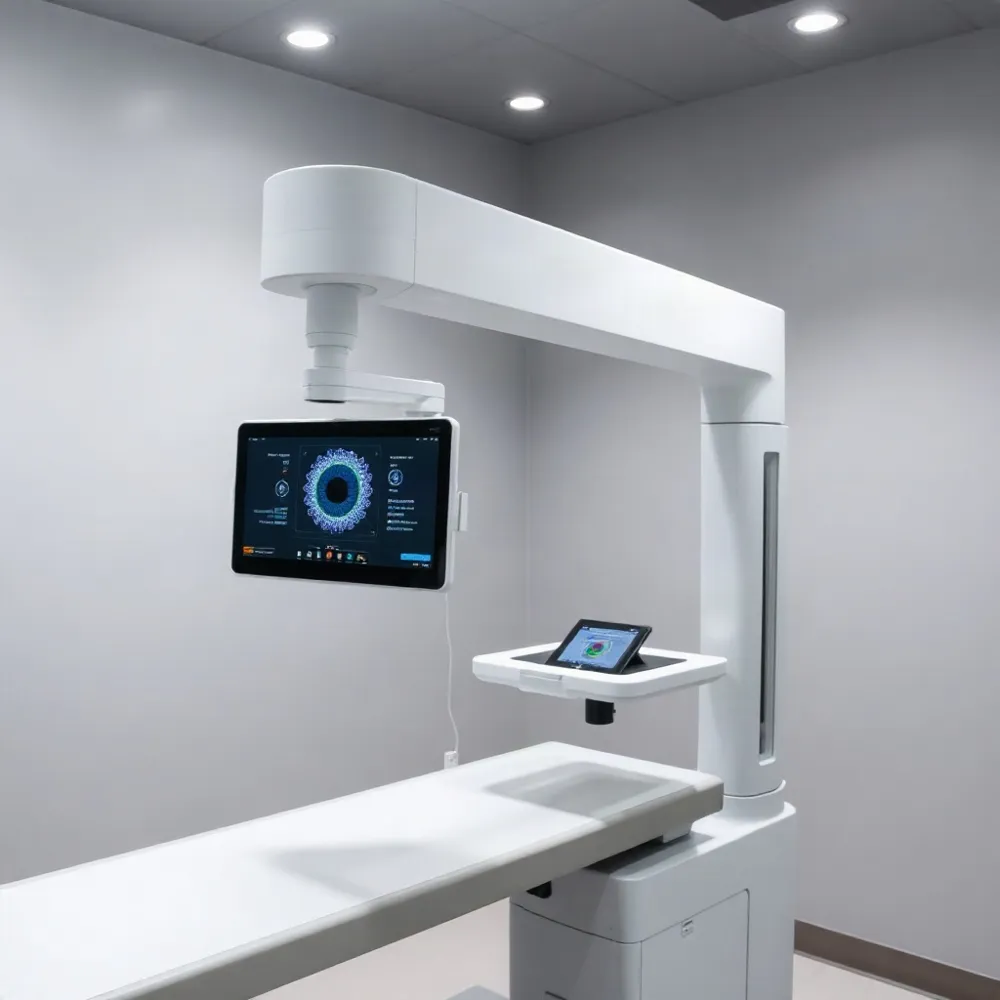
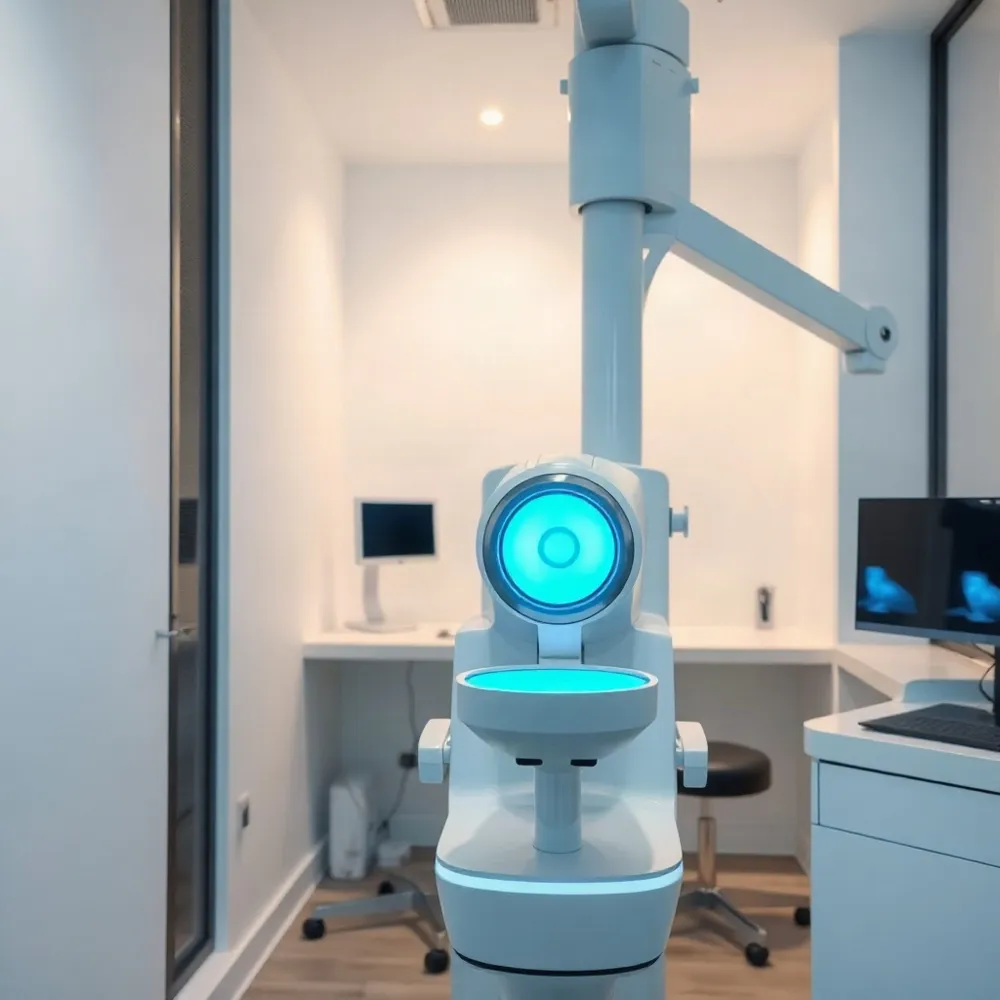
More advanced tools like meibography allow doctors to image the meibomian glands and detect blockages or atrophy. Apple Eye Care uses the DRI OCT Triton, a cutting-edge imaging device that provides high-resolution cross-sectional views of the ocular surface, helping to pinpoint gland dysfunction, corneal damage, and inflammation. These insights guide the development of a personalized treatment plan.
Tailoring Treatment to Your Needs
Based on diagnostic results, the treatment approach can be customized. For aqueous deficient dry eye, the goal is to increase tear production or conserve existing tears. For evaporative dry eye caused by meibomian gland dysfunction, treatments focus on unblocking oil glands and stabilizing the tear film. The American Academy of Ophthalmology's 2023 Preferred Practice Pattern recommends a stepwise, patient-centered approach that starts with optimizing the ocular surface environment and progresses to prescription therapies, in-office procedures, or punctal occlusion as needed.
For many, a combination of approaches works best. At Apple Eye Care, a patient with moderate evaporative dry eye might receive a prescription for Miebo to stabilize tears, along with thermal pulsation therapy to clear blocked glands. The practice also provides at-home care guidance, including warm compresses and lid hygiene, to support long-term relief. With proper diagnosis and consistent management, many patients can restore a healthy tear film and achieve lasting comfort.
Emerging and Future Therapies on the Horizon
The pace of innovation in dry eye treatment is accelerating, with several new drug candidates and advanced biologic approaches moving through clinical trials. These emerging therapies aim to target specific subtypes of dry eye disease more precisely than current options, offering new hope for patients who have not found adequate relief.
Promising Drug Candidates in Clinical Trials
A number of novel drugs are currently in development, each designed to address a different aspect of ocular surface disease. According to the American Academy of Ophthalmology, AZR-MD-001 by Azura Ophthalmics is an ointment that prevents protein buildup in meibomian gland ducts, the blockage of which leads to dryness. A phase 2 trial showed that patients using AZR-MD-001 produced healthier amounts of oil and had reduced dry eye symptoms.
Reproxalap, developed by Aldeyra Therapeutics, is a new anti-inflammatory designed to avoid steroid side effects. It was scheduled for FDA review in spring 2025 after a phase 3 trial showed improvements in dryness, redness, and itching within hours of treatment. Another candidate, IC 265 from Iacta Pharma, is a non-steroid anti-inflammatory showing potential for treating chronic eye allergies by reducing redness and inflammation on contact.
Alcon's Acoltremon aims to increase natural tear production by activating the TRPM8 nerve cell protein on the cornea and eyelid, producing a cooling sensation that signals the eyes to produce tears. An anti-inflammatory treatment called OCS-02 from Oculis is being studied for both dry eye and anterior uveitis, with a phase 2 trial suggesting it can reduce inflammation without causing steroid-type side effects.
Gene Therapy and Stem Cell Approaches
Beyond small-molecule drugs, the field is exploring biologic and cellular therapies. Gene therapy aims to modify the genes responsible for tear production and inflammation, potentially correcting root causes rather than just managing symptoms. Stem cell therapy focuses on regenerating damaged tissues on the ocular surface to provide long-lasting relief. While these approaches are still in early stages, they represent a major shift toward treating dry eye as a chronic condition that can be repaired at the cellular level.
Toward Truly Customized Treatment Plans
As the American Academy of Ophthalmology notes, having a wider breadth of options targeting more subtypes of dry eye will allow eye care professionals to better customize treatments, leading to faster and more effective symptom relief. At Apple Eye Care in El Paso, Dr. Stephen Applebaum uses advanced diagnostics like the DRI OCT Triton to identify each patient's specific root cause and match it with the most current and targeted therapy — whether that is an FDA-approved medication, an in-office procedure, or a combination of approaches.
What Is Stage 4 Dry Eye and When to Seek Help
When dry eye disease progresses to its most severe form, often referred to as stage 4, the condition moves beyond chronic discomfort and into a phase where the health of the eye is at risk. At this advanced stage, the normal signaling between the tear glands and the ocular surface is broken, leading to persistent inflammation and damage that does not respond to basic treatments.
Stage 4 dry eye is defined by constant, intense symptoms: severe pain, a gritty sensation that never subsides, and significant visual disturbances that can interfere with daily activities. Unlike milder cases where symptoms may fluctuate, patients at this stage experience a relentless cycle of irritation and inflammation. The Mayo Clinic notes that untreated chronic dry eye can lead to complications such as corneal abrasions, scarring, and infection, which ultimately threaten vision. While total blindness is rare, the risk of permanent vision impairment is real without proper intervention.
Recognizing when to seek professional help is critical. If you experience persistent pain, a feeling that the eye surface is damaged, or if your vision blurs regularly despite using artificial tears, it is time to consult an eye care specialist. Patients with severe dry eye often require a comprehensive management plan that goes well beyond over-the-counter drops.
A Comprehensive Approach for Advanced Cases
For those with stage 4 dry eye, a multi-layered treatment strategy is essential. This plan may include prescription medications such as cyclosporine (Restasis) or lifitegrast (Xiidra) to control inflammation, in-office procedures like intense pulsed light (IPL) therapy or thermal pulsation to restore meibomian gland function, and punctal plugs to conserve moisture. For the most severe symptoms, specialty scleral lenses or autologous serum drops made from the patient's own blood can provide protection and relief that standard treatments cannot.
At Apple Eye Care in El Paso, led by Dr. Stephen Applebaum, patients with advanced dry eye receive a personalized, long-term management plan that addresses the root causes of their condition. Using advanced diagnostics like the DRI OCT Triton, the team identifies the specific type of damage present and builds a treatment protocol that combines in-office therapies with ongoing home care. For patients with stage 4 dry eye, professional intervention is not just about comfort — it is about preserving the long-term health and function of the eyes.
Toward Lasting Relief and Brighter Days
Advanced therapies now include prescription medications like Miеbo for evaporative dry eye and XDEMVY for Demodex-related blepharitis, alongside in-office devices such as TearCare that apply targeted heat to clear blocked meibomian glands. The field has moved well beyond artificial tears alone.
Effective relief depends on matching treatment to the underlying cause. A comprehensive evaluation with an eye care professional can reveal whether oil-gland blockages, inflammation, or tear-deficiency is driving symptoms. Apple Eye Care uses advanced diagnostics like the DRI OCT Triton to identify root causes before creating a personalized plan.
For El Paso residents living in a dry, desert climate, individualized care makes the difference between temporary comfort and lasting improvement. Patients who combine in-office therapies with customized home routines often experience clearer vision, reduced dependence on drops, and renewed quality of life.
If chronic dryness persists despite self-care, schedule a dry eye evaluation at Apple Eye Care. A dedicated team led by Dr. Stephen Applebaum can recommend the right combination of prescription medications, in-office procedures, and daily habits to help you find sustained relief.