Care Beyond Seeing Clearly
Comprehensive optometry looks beyond whether a person can read the eye chart. An exam can assess vision, check eye health, and help identify concerns that may need monitoring or treatment. The American Optometric Association’s guidance on comprehensive eye exams explains why regular exams are part of caring for both sight and the eyes themselves.
That care can change with age, symptoms, health history, and individual needs. Apple Eye Care serves families in El Paso with eye exams and vision correction, alongside advanced diagnostics and specialized care. Its DRI OCT Triton technology supports diagnostic assessment when clinically appropriate; the specific tests and treatments depend on each patient’s circumstances.
What a Comprehensive Exam Can Reveal
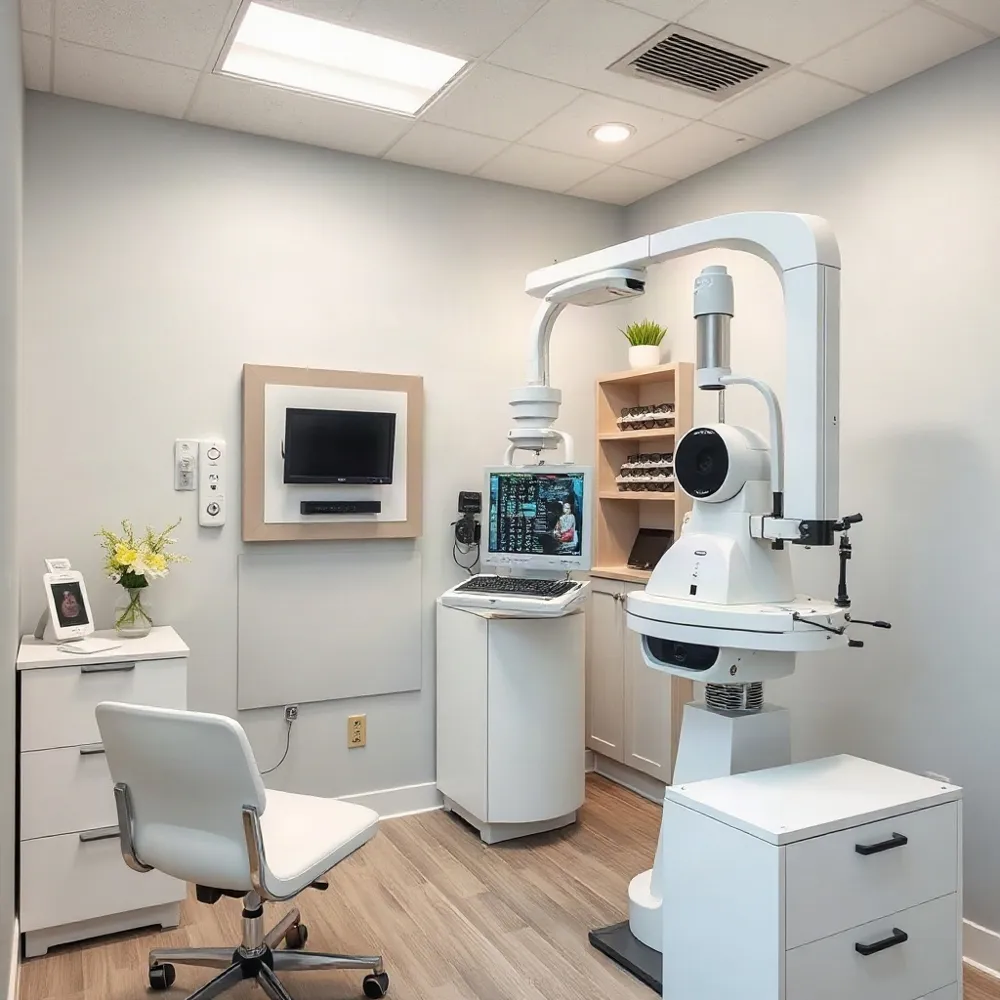 A brief vision screening can flag a possible issue, but it does not provide a full evaluation of eye health or a diagnosis. A comprehensive eye exam assesses both how well you see and the health of your eyes, as described by the American Optometric Association.
The visit commonly includes visual acuity testing and refraction to check clarity and determine whether corrective lenses may help. An eye care professional may also assess pupil responses, eye movements and alignment, inspect the front of the eye, and examine the retina and optic nerve. Pressure measurement, visual-field testing, or retinal imaging may be added when the patient’s history or findings call for them.
These checks can help identify or monitor conditions such as glaucoma, cataracts, and diabetic eye disease, some of which may not cause noticeable early symptoms. Findings in the eyes can also be relevant to broader health concerns, including diabetes or high blood pressure. Apple Eye Care in El Paso uses the DRI OCT Triton as an advanced diagnostic tool when indicated, rather than treating it as a required part of every exam.
The appropriate tests depend on a patient’s age, symptoms, medical and family history, risk factors, and examination findings. For instance, retinal imaging or visual-field testing may provide added information about particular structures or functions; the clinician can explain why a test is recommended and what its results may show.
A Schedule That Fits the Patient
There is no single exam schedule that suits everyone. Age, health, vision needs, and risk factors all matter, so an optometrist can recommend when to return based on your history and exam findings. The American Optometric Association’s guidance on comprehensive eye exams can help frame that conversation.
How often should you have a comprehensive eye exam?
The supplied guidance suggests that most adults have an exam every one to two years, while children, people who wear glasses or contact lenses, and those with health or eye-disease risks may need annual visits. Older adults may benefit from yearly monitoring for cataracts, glaucoma, and macular degeneration. At Apple Eye Care, the recommended interval can reflect a patient’s exam findings and broader health needs; its care includes advanced diagnostics such as DRI OCT Triton.
What should families know about comprehensive eye exams for children?
Children’s vision changes as they grow, and some problems may not be obvious at home or school. A screening can identify a possible concern, but it is not a full eye-health exam. Consider a comprehensive evaluation if a screening raises concerns, a child has symptoms, was born prematurely, or has a family history of childhood eye disease. An exam can assess issues such as amblyopia, eye misalignment, or refractive errors.
Do not wait for a routine visit if you or your child has sudden vision changes or new symptoms. Contact an eye-care professional promptly to ask what care is appropriate.
Vision Correction and the Care Team
A comprehensive eye exam can include refraction, which helps determine whether glasses are needed or whether an existing prescription should be updated. At Apple Eye Care in El Paso, vision correction is part of a broader optometry practice that also offers eye-health examinations and advanced diagnostics.
A contact lens evaluation is a separate service because contacts require additional measurements and checks for fit, comfort, and eye health. It may be possible to arrange one alongside a comprehensive exam, but it can also require extra testing or a follow-up. Ask Apple Eye Care when booking whether both appointments can be coordinated.
Optometrists provide primary vision care, including eye examinations and prescription correction, and can diagnose and manage many common eye conditions. The American Optometric Association’s overview of comprehensive eye exams describes how an exam can assess both vision and eye health.
Ophthalmologists are medical doctors who diagnose and treat eye diseases and perform surgery. An optometrist may identify a concern that needs specialist or surgical care and refer the patient when appropriate. Scope of practice varies, so the right next step depends on the clinician’s training and the patient’s needs.
Dry Eye From Symptoms to Treatment
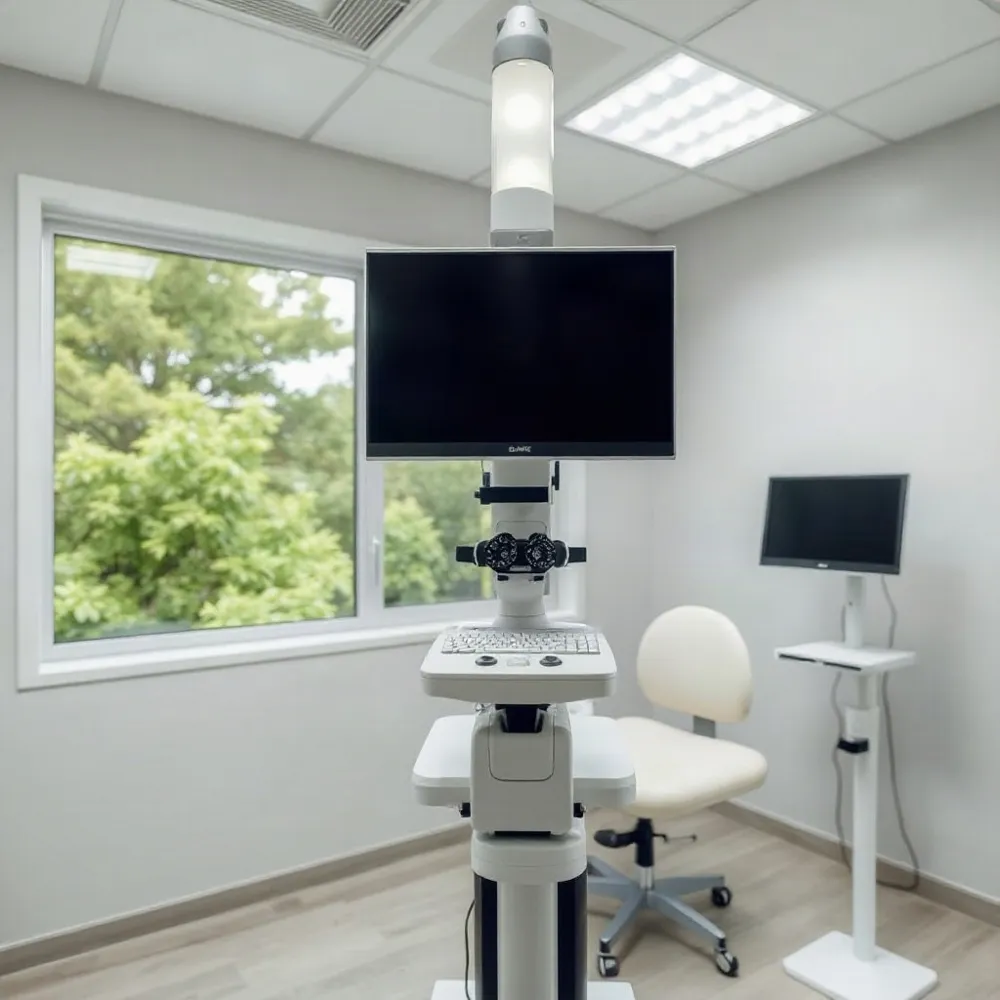 Dry eye can happen when tear production and drainage are out of balance, or when tears do not have the right quality to keep the eye surface lubricated. Symptoms may include burning or stinging, a gritty feeling, redness, light sensitivity, blurred vision, and excessive watering. The American Optometric Association’s dry eye overview explains how changes in the tear film can affect comfort and vision.
Age, some medicines and health conditions, wind or smoke, prolonged screen use with infrequent blinking, and contact lens wear may contribute. An examination can include a review of symptoms and health history, an assessment of eyelids and blinking, and tests of tear quantity and quality. At Apple Eye Care in El Paso, dry eye care is part of a broader optometry practice that also offers advanced diagnostics with DRI OCT Triton.
What are common dry eye symptoms, and what can help relieve them?
For mild symptoms, preservative-free artificial tears may help. Regular blinking and breaks during screen use, avoiding direct airflow from heaters or vents, warm compresses, and gentle eyelid hygiene may also be appropriate, depending on the cause. Persistent or worsening symptoms deserve an eye-care evaluation rather than ongoing self-treatment alone.
What treatments are available for persistent or severe dry eye, including in-office procedures?
Treatment depends on the examination findings and may include prescription drops, gels or ointments, or care for eyelid inflammation and blocked oil glands. Selected patients may be offered in-office warming and expression of the glands, intense pulsed light, or punctal plugs that slow tear drainage. Mayo Clinic’s dry-eye treatment guidance describes options that vary with the cause and severity.
Dry eye is often chronic, so care may focus on easing symptoms and protecting the eye surface over time. Apple Eye Care’s services include specialized dry eye treatment, with choices guided by each patient’s symptoms and clinical assessment.
Planning and Paying for Your Visit
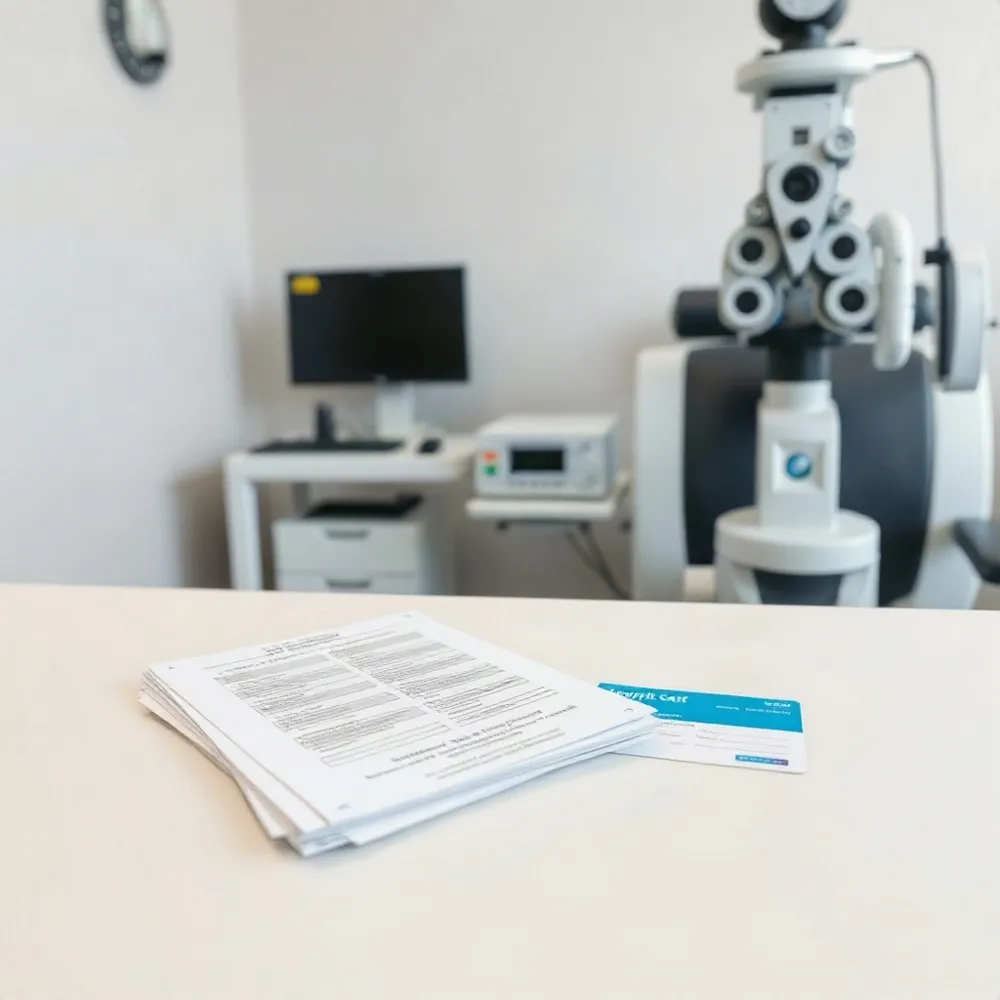
How long does a comprehensive eye exam take, and how should you prepare?
Plan for about 45 minutes to an hour, with extra time possible for a first visit, contact lens fitting, dilation, or additional tests. Bring your glasses and contact lenses, a list of medications, relevant health or vision history, and insurance information. Arriving early can leave time for paperwork and questions.
Ask the office whether dilation is expected. It may temporarily blur vision and increase light sensitivity, so plan accordingly. At Apple Eye Care, patients can ask the team about appointment details and the practice’s diagnostic approach, including its DRI OCT Triton imaging.
Are comprehensive eye exams covered by insurance or Medicare, and what might patients pay out of pocket?
Coverage varies by plan and by whether an exam is routine or medically necessary. Original Medicare generally excludes routine exams for glasses or contact lens prescriptions, though some medically necessary exams may be covered subject to eligibility and plan rules. Confirm benefits, copays, network requirements, and any refraction or other additional fees with your insurer and the office before the visit.
Make Eye Health Part of the Plan
Comprehensive optometry brings together assessment, vision correction, and follow-up, with care guided by a patient’s age, health, symptoms, and exam findings. The American Optometric Association’s eye exam guidance explains why an exam can address more than clear vision.
At Apple Eye Care, advanced diagnostics include DRI OCT Triton technology. Discuss exam timing, testing, dry-eye concerns, and coverage questions with the practice team so your care plan reflects your needs.