A Shared Approach to Healthy Vision
Making eye care part of a family’s health routine can ease the work of keeping everyone’s vision on track. When parents and children attend appointments around the same time, families may have fewer separate visits to coordinate, and children can see that regular eye care is a normal part of looking after their health.
Children may not recognize blurry vision or know how to describe it. Parents can share observations such as squinting, rubbing the eyes, or moving close to a screen, giving the eye doctor useful context. A comprehensive exam assesses more than a brief vision screening, which is designed to flag possible concerns rather than diagnose them. The American Academy of Ophthalmology explains when children may need a comprehensive exam after screening.
This guide covers what family eye exams can assess, how exams differ from screenings, and what to consider when planning care. At Apple Eye Care in El Paso, age-appropriate exams and advanced diagnostics such as the DRI OCT Triton support ongoing attention to eye health.
Building a Child’s Eye Care Routine
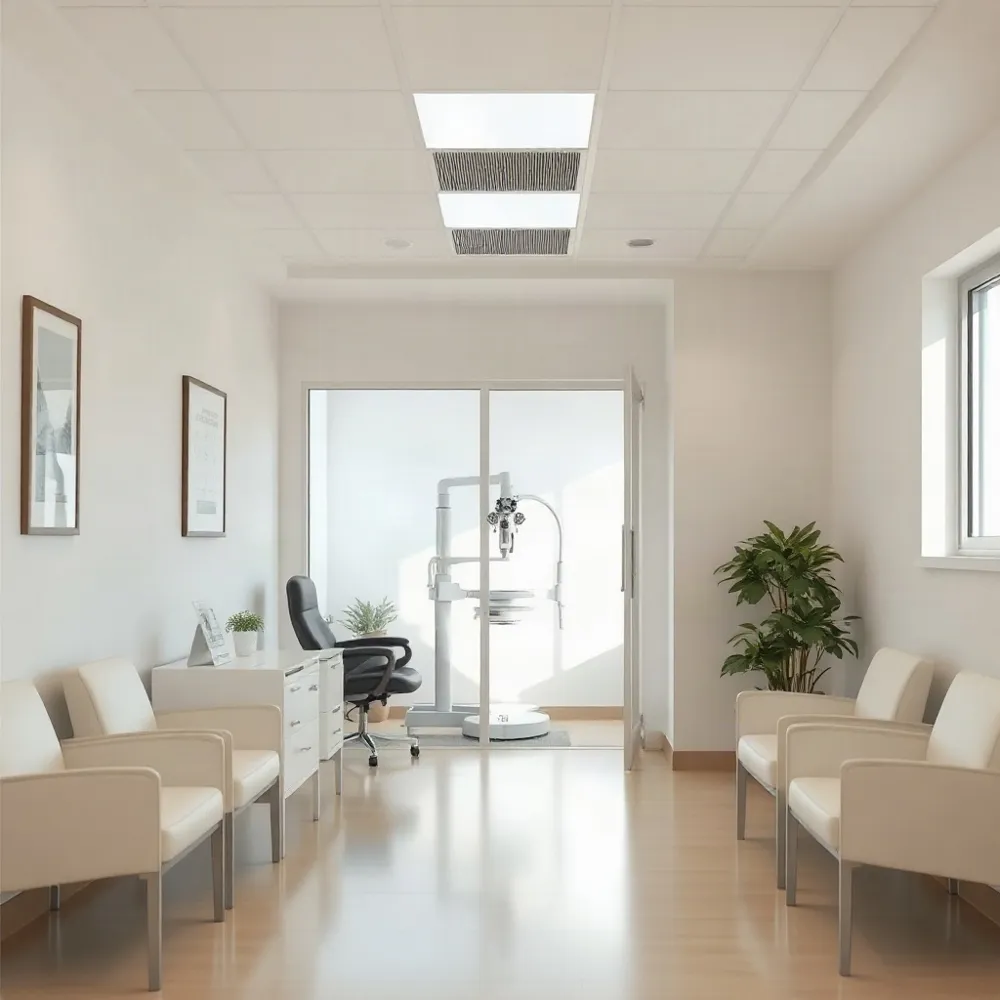 A regular schedule gives an eye-care professional a chance to follow a child’s vision as it develops. General guidance recommends a comprehensive exam between 6 and 12 months, another around age 3, and one before the child starts school. The right timing can vary, so families can confirm a schedule with their child’s clinician.
After those early visits, children without concerns typically need an exam every one to two years. Glasses or contact lenses, symptoms, exam findings, family history, and other risk factors may call for more frequent visits. At Apple Eye Care in El Paso, age-appropriate care and diagnostic technology, including the DRI OCT Triton, support ongoing monitoring as a child grows.
School and pediatrician screenings are useful checks, but they do not diagnose every vision or eye-health concern. The American Academy of Ophthalmology’s guidance on children’s vision screening advises a comprehensive exam when a screening is failed, inconclusive, or cannot be completed. A screening result that raises concern is a reason to arrange follow-up with an eye-care professional.
Parents can also share observations such as squinting, frequent headaches or eye rubbing, holding books or screens unusually close, tilting the head, or losing a place while reading. These clues do not establish a diagnosis, but they can help the clinician decide what to assess. A child does not need to read letters for an exam: picture-based charts and objective tests can provide useful information.
What a Comprehensive Exam Can Reveal
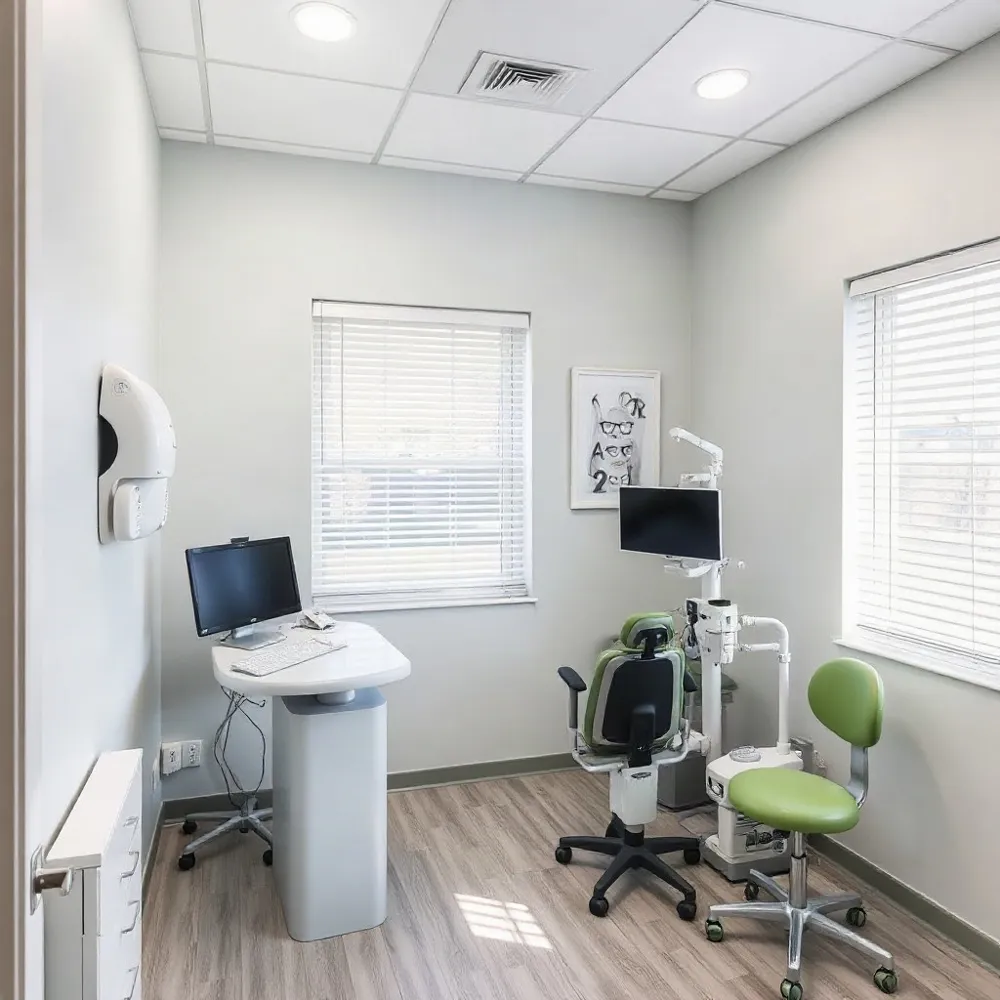 A routine vision check often focuses on how clearly you see and whether your glasses or contact lens prescription needs updating. A comprehensive exam also assesses eye health and how well the eyes function, and may help identify concerns before they affect vision. The American Optometric Association’s guide to comprehensive eye exams explains why an eye exam can extend beyond checking visual clarity.
During an exam, the optometrist may ask about your health, vision concerns, and any changes you have noticed. For a glasses prescription, you will usually read letters or symbols on a chart with one eye covered at a time. Refraction then compares lens strengths to find what gives each eye the clearest view. Bring your current glasses or contact lens details so the clinician can compare them with the findings.
Depending on your history and needs, testing may also check eye movement and alignment, pupil response, visual fields, color vision, or pressure inside the eye. The clinician may examine the front and internal structures, including the retina and optic nerve, and may use imaging when appropriate. Not every patient needs every test; the exam is adapted to age, symptoms, and findings. The Cleveland Clinic overview of eye exams describes the range of assessments a comprehensive visit may include.
For children, a clinician can consider development and a parent’s observations alongside what the child reports. At Apple Eye Care in El Paso, age-appropriate care and DRI OCT Triton diagnostic technology support monitoring eye health over time. Adults can also raise concerns about vision changes during family care visits, so each person’s history and examination findings inform their own care.
Why Adults Need Regular Eye Exams
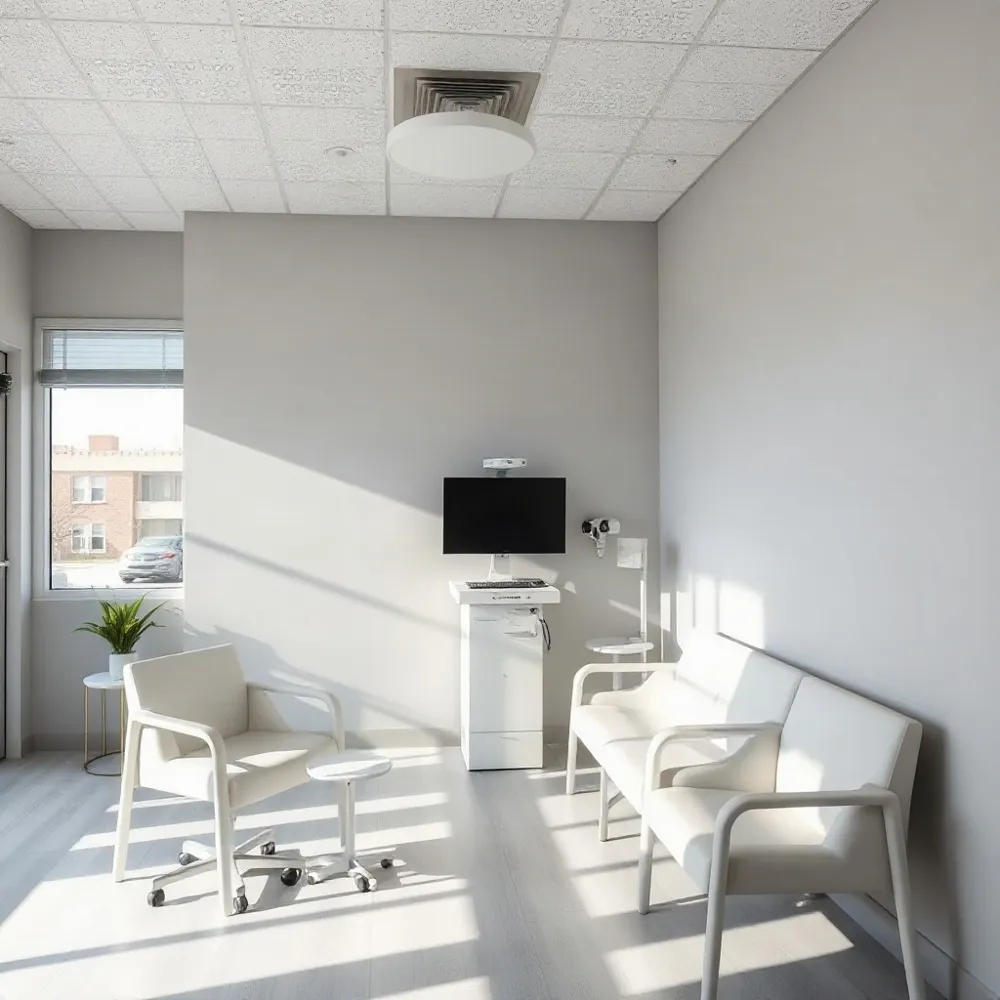 For adults ages 19 to 40, there is no single exam interval that fits everyone. The American Optometric Association recommends a comprehensive exam each year for adults 18 and older, while other guidance allows healthy adults at low risk to wait longer. Ask your optometrist to set a schedule that reflects your needs, rather than assuming annual visits are necessary for every adult.
Vision, overall health, family history, contact lens use, and other risk factors can all affect that schedule. People with diabetes or a family history of eye disease, contact lens wearers, and anyone noticing a change in vision may need earlier or more frequent care. A comprehensive exam can assess vision and eye health, even when symptoms are not obvious, as the Cleveland Clinic’s overview of eye exams explains.
An exam can identify refractive errors and assess concerns such as dry eye, cataracts, glaucoma, and retinal disease. Apple Eye Care in El Paso offers comprehensive eye exams and uses the DRI OCT Triton as part of its advanced diagnostic services to monitor eye health.
Looking at the retina and optic nerve may also reveal changes associated with diabetes, high blood pressure, or circulation problems. These findings are clues, not diagnoses, and may call for follow-up with a primary care clinician or specialist. Eye changes can sometimes be associated with thyroid or autoimmune disease, or neurological concerns such as stroke or increased pressure in the brain, so discuss unexpected findings with your care team without assuming they point to a specific condition.
Share your family history of eye disease with your optometrist. That context can help guide monitoring and make changes easier to track over time. Apple Eye Care’s family-focused care includes attention to personal health history alongside eye testing, helping adults plan visits around their own risks.
Preparing for Testing and Dilation
Dilation is not automatic during a comprehensive eye exam. Your eye-care professional may recommend it based on your age, symptoms, medical and eye health history, and risk of eye disease. Drops widen the pupils, giving the clinician a better view of the retina and optic nerve, where signs of glaucoma, diabetic eye disease, or retinal problems may be visible. A comprehensive eye exam may include dilation when it suits the patient’s needs.
If dilation is inconvenient, ask whether it can be scheduled for another time or whether another test is suitable. Alternatives may not provide as thorough a view of the back of the eye, so discuss what information each option can offer. At Apple Eye Care, advanced diagnostics such as the DRI OCT Triton support monitoring of eye health, while the clinician can explain which tests fit your needs.
After dilation, near vision may be blurry and light may feel unusually bright for a few hours. Sunglasses can help, and some people prefer to arrange transportation rather than drive. Ask the clinic what to expect for your appointment and whether a ride is advisable.
Extensive preparation is usually unnecessary. Do not stop prescribed medication or eye drops unless your clinician tells you to. Contact lens and eye-drop instructions vary by test, so check with the clinic before changing your routine.
Bring your current glasses or contact lenses, a medication list, and relevant medical or vision records. Mention symptoms and questions openly rather than altering your usual habits to influence the results. Cleveland Clinic also recommends bringing current corrective lenses and medication information to an exam.
Planning the Cost of Family Care
Before booking family appointments, ask what each visit is expected to cost. Without insurance, a comprehensive eye exam is often estimated at about $50 to $200, but the price can vary by location, provider, and the tests included. Some estimates are higher, so treat that range as a starting point, not a guaranteed quote.
Request the practice’s self-pay rate and ask whether advanced diagnostic testing or a contact lens evaluation adds a fee. At Apple Eye Care in El Paso, families can ask the practice directly about pricing for comprehensive exams and advanced diagnostics, including the DRI OCT Triton, rather than assuming every test is included in one charge.
Insurance coverage depends on the reason for the visit and the details of the plan. Vision insurance may cover routine exams, subject to limits, copays, and network rules. When an appointment assesses or manages a medical eye condition, medical insurance may apply instead, depending on how the visit is billed.
Before scheduling, check your benefits and confirm coverage and possible out-of-pocket costs with both your insurer and the provider. Ask whether each family member’s visit will be billed as routine vision care or medical care, and whether any recommended testing changes the estimate. Clarifying these details helps parents plan appointments without relying on assumptions about what insurance will pay.
Make Preventive Eye Care a Family Habit
Booking family visits together can make routine care easier to organize, while letting children see eye exams as a normal part of looking after their health. A parent’s example can help make the experience familiar, not something to put off until a problem appears.
A screening is not the same as a comprehensive exam, and the right timing depends on age, symptoms, health, and family history. The American Academy of Ophthalmology’s guidance on children’s eye screening recommends a comprehensive exam when a child fails or cannot complete a screening, or when concerns or risk factors warrant one. Discuss an appropriate schedule for each family member with an eye-care professional.
Families in El Paso can contact Apple Eye Care to ask about comprehensive exams, coordinating appointments, and expected costs. The practice offers personalized optometry care and advanced diagnostic technology, including DRI OCT Triton, for monitoring eye health. A conversation with the team can help clarify what to plan for each family member.