Rethinking Eye Health as a Whole
Prevention. The shift toward proactive care starts with routine comprehensive exams that detect risk factors before symptoms appear. For patients in El Paso, this means regular screenings that go beyond simple vision checks, identifying early signs of conditions like glaucoma and diabetic retinopathy.
Promotion. Modern optometry promotes lifelong eye health through patient education on nutrition, UV protection, and screen-use habits. Practices like Apple Eye Care integrate these wellness principles into every visit, helping patients adopt habits that protect their vision for decades.
Rehabilitation. When vision loss does occur, rehabilitation services help patients adapt and maintain independence. Low vision aids, specialized training, and follow-up care ensure that even complex conditions are managed effectively, allowing patients to continue enjoying daily activities.
This evolution reflects a broader movement within the field. Wellness-driven optometrists are redefining the profession by focusing on whole-person health rather than just correcting refractive error. As noted by Optometry Times, this new generation of practitioners emphasizes lifestyle factors that influence vision, from diet to digital device use.
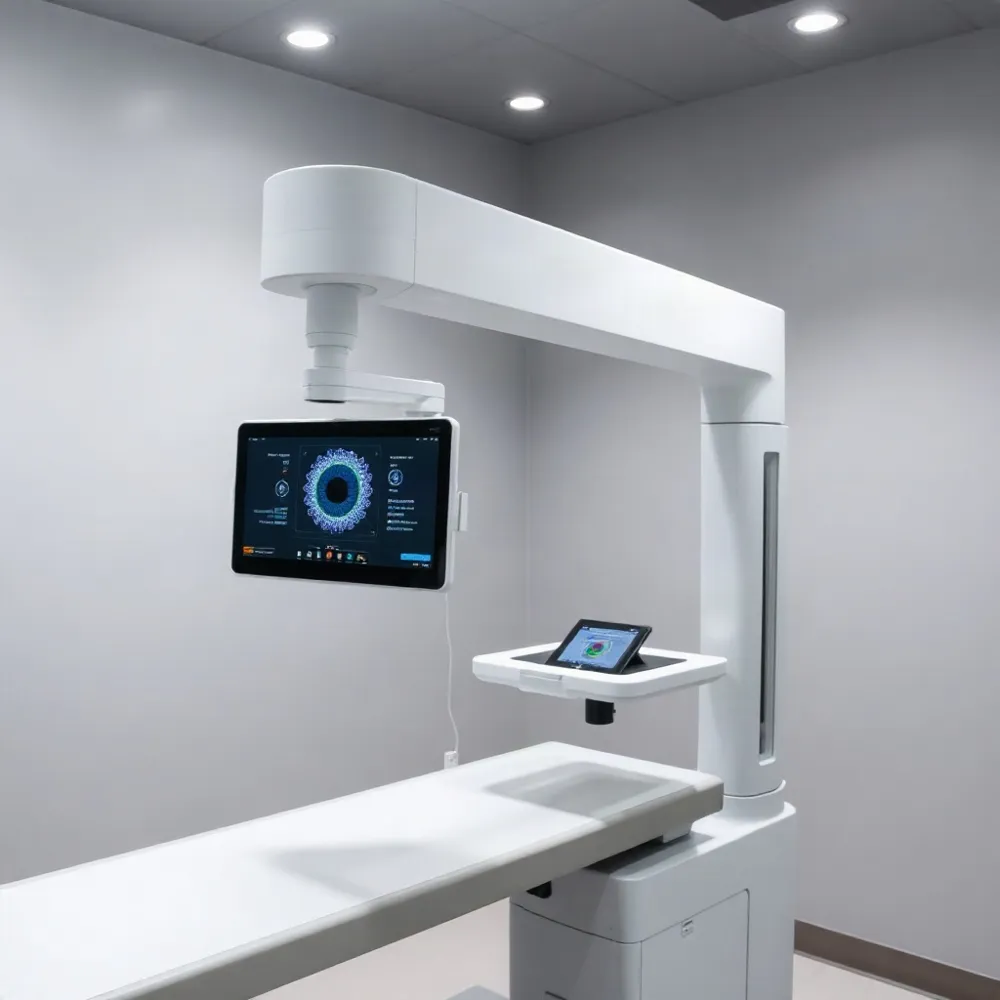
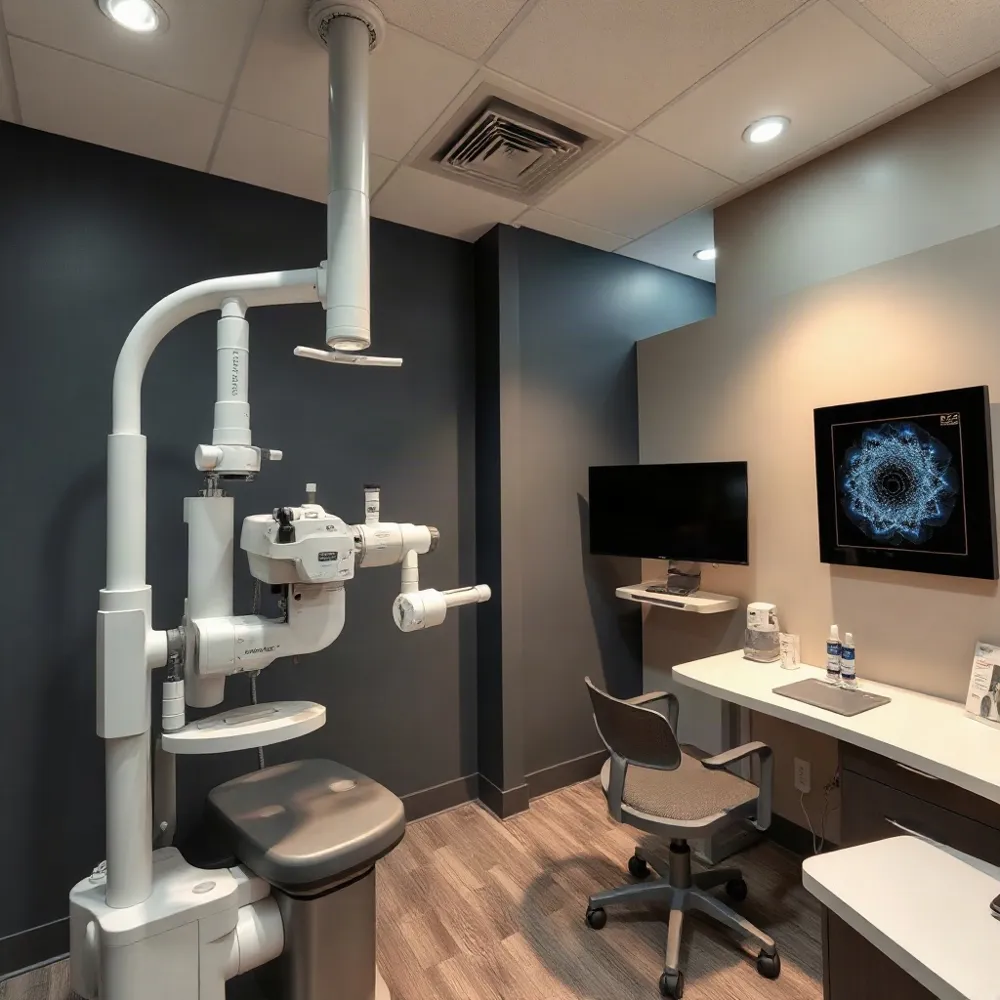
The Comprehensive Eye Care Section of the American Academy of Optometry supports this integrated approach, encouraging optometrists to coordinate with primary care physicians and specialists. At Apple Eye Care in El Paso, this means offering advanced diagnostics like DRI OCT Triton imaging and collaborating with other healthcare providers to manage conditions such as diabetes and hypertension that affect the eyes.
The Scope of Practice in 2025
Modern optometrists are no longer limited to prescribing glasses. Their scope has expanded to include therapeutic management of ocular diseases, minor surgical procedures, and co-management of post-surgical patients. This expansion is documented in the model for integrating eye care services into broader healthcare practice, which shows how optometrists serve as first-line providers for many eye conditions.
For patients, this means more comprehensive care without unnecessary referrals. When an El Paso patient visits Apple Eye Care for dry eye treatment or cataract management, they receive advanced treatment options in a single location. The practice’s family-focused approach ensures that everyone, from children to seniors, receives age-appropriate care, supported by the latest technology and a compassionate team led by Dr. Stephen Applebaum.
| Aspect | Traditional Approach | Modern Approach |
|---|---|---|
| Focus | Corrective lenses | Whole-person wellness |
| Conditions treated | Refractive errors | Chronic diseases, rehabilitation |
| Care coordination | Limited | Integrated with primary care |
| Technology | Basic exams | Advanced diagnostics like OCT |
The Expanding Scope of Modern Optometry
 The days when an eye exam meant little more than reading letters from a chart are behind us. Modern optometry now integrates advanced diagnostic imaging, dry eye therapy, and management of chronic conditions like glaucoma and macular degeneration. This shift mirrors a broader movement in healthcare toward prevention and whole-person wellness, where the eye is treated as a window to systemic health rather than an isolated organ. Patients today expect more than a prescription; they expect a comprehensive understanding of their visual system and its connection to their overall well-being.
This evolution is particularly visible in how optometrists have embraced wellness-driven care models. As noted in professional discussions, a new generation of eye care professionals is moving beyond refraction and disease management to incorporate nutrition, lifestyle counseling, and holistic health into their practice. This aligns with evidence that comprehensive eye care services are essential for addressing both common vision problems and the rising burden of chronic eye disease worldwide. The result is a more patient-centered approach that catches issues earlier and manages them more effectively.
For patients, this expanded scope means that a routine eye exam can now uncover signs of diabetes, hypertension, or high cholesterol before other symptoms appear. Advanced tools like the DRI OCT Triton allow practitioners to view the retina layer by layer, detecting subtle changes that older equipment would miss. At Apple Eye Care in El Paso, this technology is paired with a family-focused philosophy, ensuring that every member of the family, from young children to older adults, receives the same depth of diagnostic care. This is the practical expression of modern optometry: precise, proactive, and personal.
Holistic and Wellness-Driven Eye Care
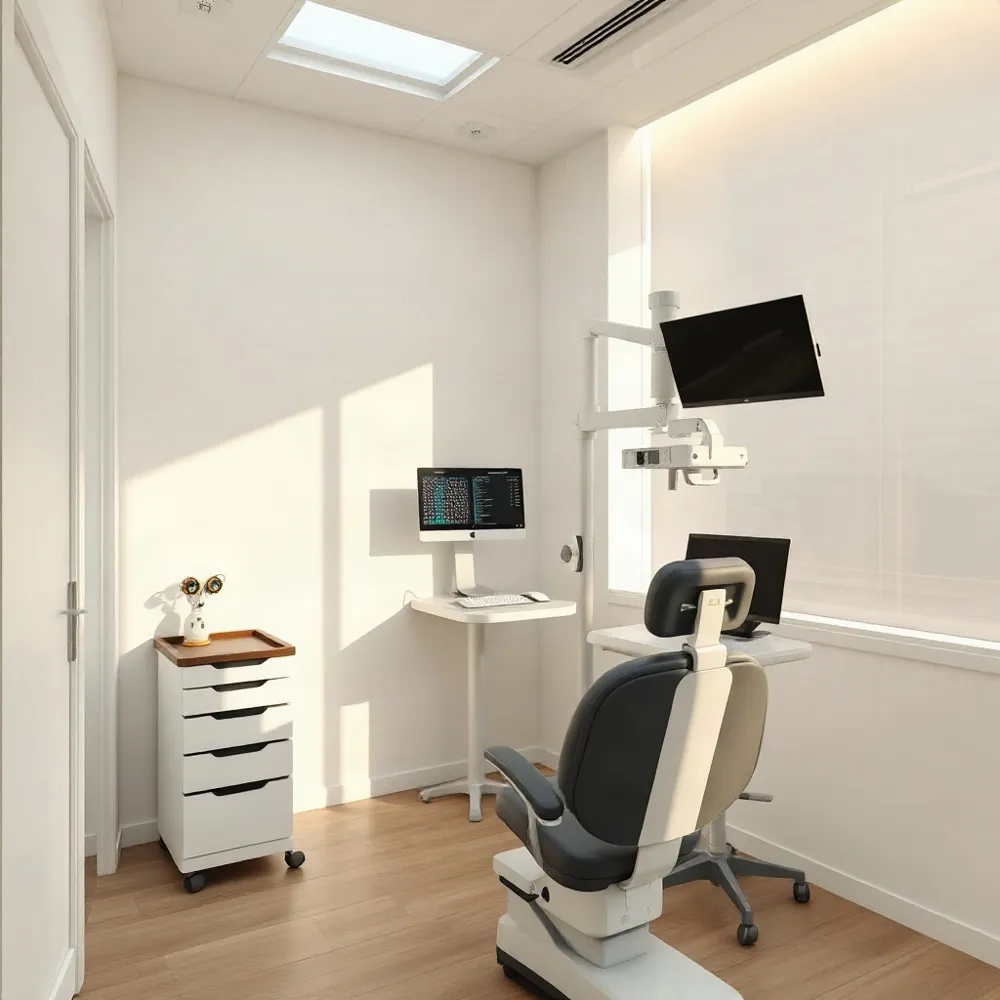 A growing body of research connects what happens in the eyes to conditions affecting the entire body. The eyes are the only place where blood vessels and nerves can be viewed directly and non-invasively, making them a window into systemic health. For example, retinal imaging can reveal early signs of hypertension, diabetes, and even cardiovascular risk, often before other symptoms appear. This is why many optometrists now practice a wellness-driven model of care, looking beyond the front of the eye to assess overall health. A 2020 review in the Indian Journal of Ophthalmology highlighted how comprehensive eye care services are positioned to address not just vision but also chronic disease detection and management, reinforcing the value of routine exams as a preventive tool.
This shift is reflected in a new generation of eye care professionals who integrate nutrition, lifestyle, and holistic health into their practice. Rather than simply prescribing glasses or contact lenses, these clinicians ask about diet, screen time, sleep, and family history. They understand that conditions like dry eye disease, macular degeneration, and even glaucoma are influenced by metabolic and inflammatory factors. As noted by industry observers, wellness-driven optometrists represent a shift toward patient-centered, preventive care, and many are now adopting frameworks that address the whole patient rather than just the eye.
How Nutrition and Lifestyle Affect the Eyes
The same foods and habits that protect your heart and brain also protect your eyes. Diets rich in omega-3 fatty acids, lutein, zeaxanthin, and vitamins C and E have been shown to reduce the risk of age-related macular degeneration and slow cataract progression. Conversely, poor diet, smoking, and excessive screen time can accelerate ocular surface disease and contribute to digital eye strain. A holistic approach to eye care encourages patients to adopt healthier routines, recognizing that nutrition and lifestyle choices are foundational to long-term vision health. This framework, which combines clinical treatment with wellness counseling, is increasingly supported by optometric literature.
For patients in El Paso, TX, this comprehensive philosophy is already in practice at Apple Eye Care. The clinic integrates advanced diagnostics with personalized attention, and its team, led by Dr. Stephen Applebaum, emphasizes whole-person care. Whether it's recommending nutritional supplements for early macular changes or fitting specialized lenses for digital screen users, the practice pairs clinical expertise with practical lifestyle guidance. This approach is not a one-size-fits-all solution but a tailored plan that addresses each patient's unique risk factors and goals.
The Role of Technology in Whole-Body Eye Care
Modern optometry has moved beyond the simple eye chart. Advanced imaging technologies, such as the DRI OCT Triton used at Apple Eye Care, allow clinicians to visualize the retina layer by layer, detecting subtle changes that might indicate systemic conditions like diabetes or glaucoma. These tools enable earlier intervention and more precise monitoring than ever before. When paired with a holistic lens, they provide a complete picture of a patient's health, guiding both ocular and systemic care decisions.
The integration of technology and wellness is what sets contemporary practices apart. While many clinics offer the latest devices, few combine them with the kind of patient education and lifestyle counseling that makes a lasting difference. At Apple Eye Care, the goal is not just to see better but to live healthier. The practice's commitment to comprehensive, whole-person optometry reflects a broader movement in the field, one that positions eye doctors as frontline healthcare providers rather than just vision specialists.
| Traditional Eye Care | Apple Eye Care |
|---|---|
| Focus on vision correction only | Integrates nutrition and lifestyle counseling |
| Treats symptoms as they appear | Detects early signs of systemic disease |
| Routine exams for glasses/contacts | Advanced diagnostics (DRI OCT Triton) for whole-eye health |
| Limited patient education | Personalized prevention and wellness plans |
Non-Communicable Eye Diseases and Their Challenges
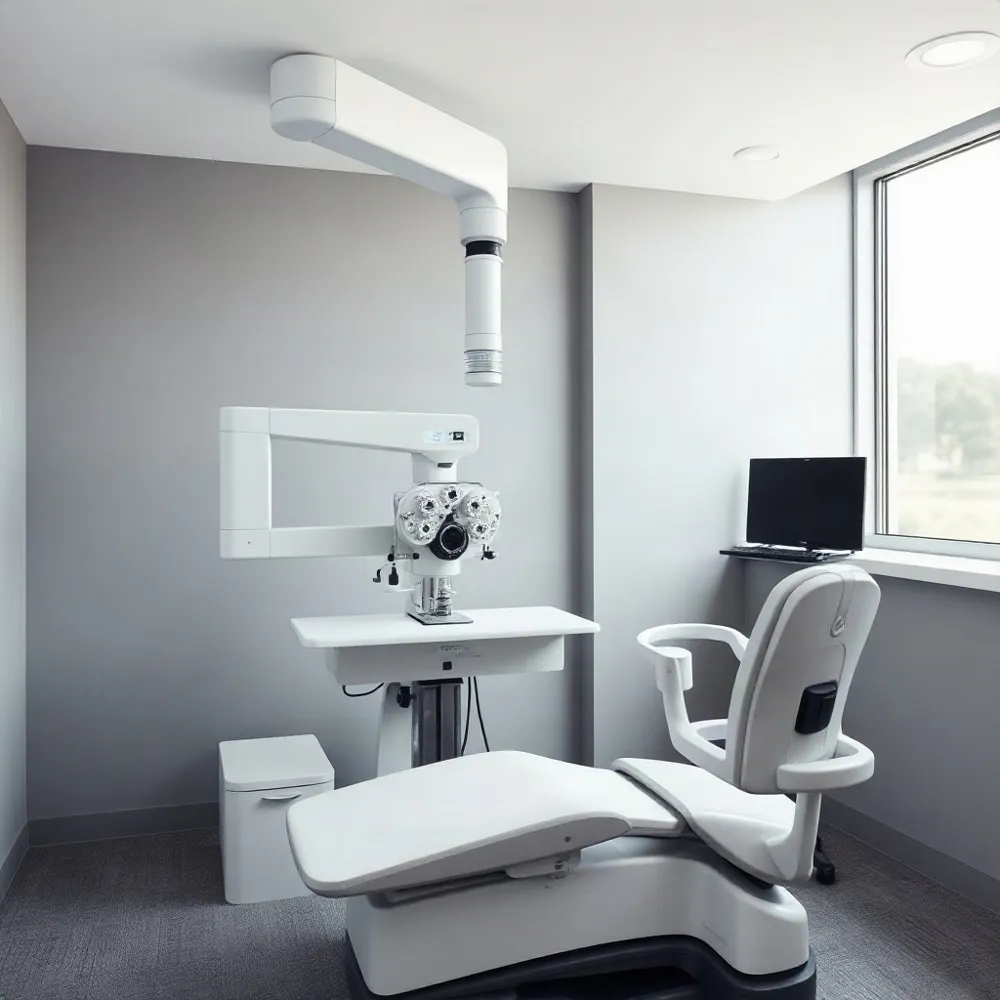 The modern optometrist's role reaches well beyond the traditional eye chart. Comprehensive eye care now spans preventive screening, chronic disease management, co-management of surgical cases, and emerging areas like nutrition and wellness. This broader scope reflects a shift in how practitioners view the eye: not as an isolated organ, but as a window into systemic health and an early warning system for conditions like diabetes, hypertension, and even cognitive decline.
As the population ages, the demand for these expanded services grows. Age-related conditions such as cataracts, glaucoma, and age-related macular degeneration (AMD) are on the rise, alongside a global epidemic of myopia and the visual complications of diabetes. At the same time, patient expectations have evolved. People want more than a prescription; they want a practice that understands their lifestyle, screens for hidden risks, and offers holistic guidance. This is the driving force behind the move toward integrated, patient-centered models of care.
Beyond the Slit Lamp: Diagnostics and Co-Management
Modern optometric practice increasingly includes advanced diagnostic imaging and co-management of surgical patients. Tools like optical coherence tomography (OCT) and visual field testing allow optometrists to detect glaucoma, macular edema, and retinal detachment earlier than ever before. In co-management models, optometrists handle pre- and post-operative care for cataract and refractive surgery patients, working alongside ophthalmologists to provide continuity and reduce the burden on surgical centers.
At Apple Eye Care in El Paso, TX, this comprehensive approach is central to the practice. The team uses the DRI OCT Triton for advanced imaging, enabling precise diagnosis of conditions like glaucoma and macular disease. For surgical co-management, they coordinate closely with local surgeons to ensure seamless care. This integration of diagnostics and collaborative clinical pathways means patients benefit from a broader range of services without the fragmentation that can occur at other practices. While some competitors focus solely on routine exams or single-specialty care, Apple Eye Care's model pairs advanced technology with holistic patient management.
Wellness-Driven Care and the Optometrist's Expanding Role
A growing movement within the profession emphasizes the optometrist as a wellness provider. According to the American Optometric Association, wellness-driven optometrists represent a new generation of eye care professionals who integrate nutrition, preventive health, and patient education into their daily practice. This shift reflects a broader recognition that eye health is deeply tied to overall well-being, and that early intervention can prevent vision loss and systemic complications.
For patients, this means their optometrist should do more than just check visual acuity. They should discuss screen time, sleep, UV protection, and nutritional supplements that support macular health. At Apple Eye Care, this holistic framework is embedded in every exam. The team takes time to review lifestyle factors and family history, offering personalized advice on everything from dry eye management to digital eye strain relief. While generic advice might be a one-page handout, the team at Apple Eye Care tailors recommendations to each patient's daily routine and visual demands.
The Value of Regular Comprehensive Exams
Many eye conditions are silent in their early stages, which is why regular comprehensive exams are critical. Glaucoma, for example, often has no symptoms until significant vision loss has occurred. The same applies to diabetic retinopathy, a leading cause of preventable blindness. Routine dilated eye exams can catch these conditions early, when treatment is most effective.
The American Academy of Ophthalmology recommends that most adults get a baseline comprehensive eye exam at age 40, and more frequently if they have risk factors like diabetes or a family history of eye disease. Let's convert that guidance into a practical checklist:
- Every 1-2 years for adults under 65 with no risk factors
- Annually for adults over 65 or with risk factors like diabetes, hypertension, or a family history of glaucoma or AMD
- More frequently if you wear contact lenses, have had eye surgery, or take medications that affect your eyes
At Apple Eye Care, these evidence-based guidelines translate directly into patient care. The practice schedules comprehensive exams that go beyond just a vision check, using advanced diagnostics to screen for early signs of disease. For existing patients, they send reminders to ensure they stay on schedule, recognizing that preventive visits are the most effective way to preserve sight for a lifetime.
Bridging the Gap: Education, Access, and Technology
Despite the growing role of optometry, access to eye care remains a significant challenge. According to a review in the Indian Journal of Ophthalmology, comprehensive eye care faces issues related to specialty training, infrastructure, and public awareness. Public health initiatives and practice-based innovation are essential to address these gaps, ensuring that all patients have access to the benefits of regular eye exams.
Technology plays a dual role here. On the one hand, it enables earlier detection and more efficient workflows. On the other, it can offer a differentiator for the practice. While many independent practices invest in basic OCT, the advanced DRI OCT Triton at Apple Eye Care provides ultra-wide-field imaging that captures diagnostic data in a single capture. This speeds up the exam and reduces patient time. It's the kind of applied technology that makes a tangible difference in diagnostics and patient experience.
Defining Modern Eye Care: Scope, Technology, and Holistic Vision
To summarize the evolving profession, consider three defining dimensions:
Scope. From refraction to chronic disease management and co-management, the scope of services continues to broaden. At Apple Eye Care, this includes dry eye treatment, cataract and glaucoma management, and advanced diagnostics.
Technology. Diagnostic innovations like OCT are becoming standard. Apple Eye Care's DRI OCT Triton exemplifies how high-tech equipment enhances early detection and precise monitoring, setting the practice apart from colleagues who rely solely on traditional instruments.
Holistic Vision. Integrating nutrition, lifestyle, and patient education into clinical practice reflects the new generation of wellness-driven optometrists. Apple Eye Care's family-focused team embeds this holistic approach into every exam and long-term care plan.
Equity and Access in Comprehensive Care
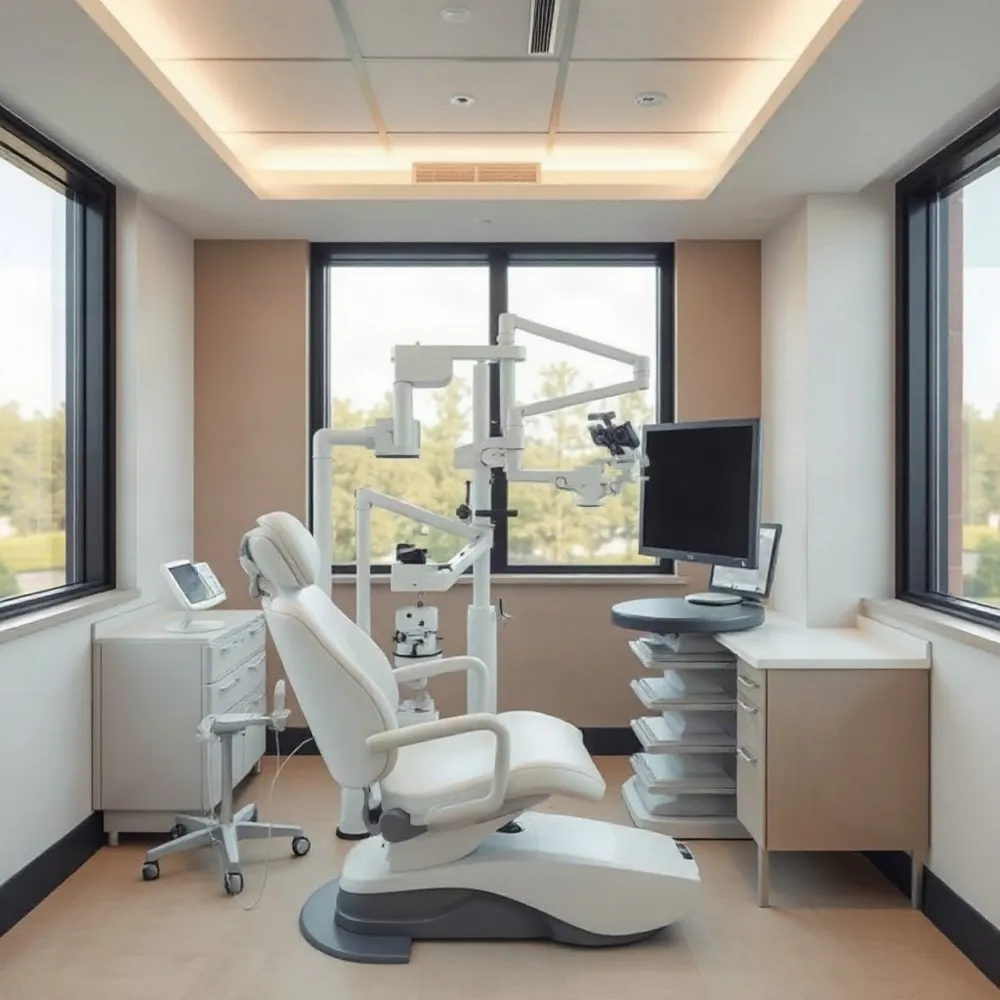 The traditional model of eye care centered on a single measure: visual acuity. The familiar Snellen chart, with its rows of shrinking letters, became the universal standard for judging whether someone could "see well." But that standard is only a fraction of what a comprehensive eye exam actually determines. A modern optometric practice assesses how the eyes work together as a team, how they perform under different lighting, and how effectively they track moving objects. In fact, the shift toward whole-person eye care has been building for years. A 2017 review in the Indian Journal of Ophthalmology observed that the visual system is not an isolated sensory organ but rather an integral component of overall systemic health, with the eye serving as a unique window into vascular, neurological, and metabolic conditions. The review traced how global health priorities evolved from treating blindness to delivering comprehensive, patient-centered vision care that addresses both visual function and ocular disease [1].
This expansion means the role of the optometrist has grown well beyond prescribing glasses. Today's practitioners are trained to detect early signs of diabetes, hypertension, and even certain neurological conditions during a routine exam. The same 2017 review highlighted the challenge: comprehensive eye care remains under-resourced and under-utilized in many parts of the world, even though its integration into primary health systems could improve health outcomes far beyond the eyes [1]. For patients, this broader definition of "eye care" translates into a more thorough exam that goes beyond the letter chart. It includes tests for depth perception, color vision, peripheral awareness, and eye muscle coordination. These are not optional extras; they are essential for detecting conditions that may show no symptoms until vision loss has already occurred.
One of the most significant shifts is the move from treating eye disease in isolation to managing it as part of a patient's overall health. A 2019 systematic review examined models for integrating eye care services into primary health care settings, concluding that collaborative approaches, where optometrists work alongside primary care physicians, improve access and patient outcomes [2]. This integrative philosophy is what separates a transactional visit (get a prescription, leave) from a comprehensive health assessment. At Apple Eye Care in El Paso, TX, this means more than just performing an exam; it means using advanced diagnostics like the DRI OCT Triton to look beneath the surface of the eye, detecting structural changes that often precede visual symptoms. The practice builds each exam around the patient's full health picture, recognizing that conditions like dry eye, cataracts, and glaucoma rarely exist in isolation.
Yet even with this broader clinical scope, many patients still perceive optometry as a narrow service. They come in for a routine check and are surprised when the doctor asks about family history, medication use, or systemic conditions like diabetes. This disconnect is partly a legacy of how eye care was historically delivered. A 2019 commentary in the journal of the American Academy of Optometry noted that wellness-driven optometrists represent a new generation of eye care professionals who view their role not just as vision prescribers but as primary eye care providers addressing overall health [3]. That generational shift is real. It's reflected in the types of questions patients now ask, the services they seek, and the expectations they bring to their eye care provider.
For patients, the practical implication is clear: the scope of modern optometry is no longer limited to the front of the eye. It encompasses everything from detecting systemic disease to managing chronic ocular surface conditions. Whether you're in El Paso, TX, or elsewhere, the best approach is one where the eye doctor acts as a gatekeeper for both vision and general health. That's the model that Apple Eye Care embraces, combining the precision of modern technology with a whole-person philosophy. The next time you sit in the exam chair, remember that the optometrist isn't just checking your eyesight; they're conducting a health screen that reaches far beyond the Snellen chart.
The Eye Care Team Approach
 Optometrists today do far more than refract and prescribe. They serve as the front line for detecting systemic conditions that first appear in the eye, from diabetes and hypertension to autoimmune disorders. A growing body of research supports this broader scope: integrated eye care models are being woven into primary care pathways, recognizing that the retina and optic nerve offer a direct, non-invasive window into overall health. This shift means your eye exam is no longer just about vision; it is a preventive health screening that can reveal risks before symptoms appear elsewhere.
For patients, this coordinated approach translates into earlier diagnosis and better outcomes. When optometrists collaborate with primary care physicians, cardiologists, and endocrinologists, care becomes continuous rather than episodic. The American Optometric Association’s Comprehensive Eye Care Section highlights how optometrists are embracing this expanded responsibility. Yet the depth of that coordination varies widely by practice. At Apple Eye Care, the team treats each exam as a partnership with your broader health journey, ensuring that findings are communicated clearly and follow-up is built into the plan, not left to chance.
From Single Exams to Ongoing Management
The traditional model of a standalone eye exam every year or two is giving way to a more dynamic, lifelong care continuum. Chronic conditions like glaucoma, macular degeneration, and diabetic retinopathy require regular monitoring and timely adjustments, not just an annual check. Research published in Indian Journal of Ophthalmology emphasizes that comprehensive eye care must move beyond episodic visits toward continuous service delivery. This is where a dedicated eye care team, rather than a solo practitioner, makes the difference.
Coordinated care also reduces the burden on patients who might otherwise fall through the cracks between specialists. A clear referral pathway, shared records, and open communication between your eye doctor and your primary care physician can catch issues early and prevent vision loss. A study in BMC Health Services Research models how integrating eye care into primary practice improves access and continuity. At Apple Eye Care, the team embraces this model by using advanced diagnostics like the DRI OCT Triton to detect subtle changes early and by coordinating with your other providers when a systemic condition is suspected.
Wellness-Focused Optometry and the Modern Patient
A new generation of optometrists is shifting the focus from treating disease to promoting wellness. This means looking at nutrition, digital screen habits, UV exposure, and lifestyle factors as part of a holistic eye care plan. Articles in Optometry Times and the Review of Optometry describe how these professionals are integrating nutrition and holistic health into practice, moving beyond the prescription pad. Patients are increasingly seeking a provider who understands this broader context.
Yet, the reality is that many practices still operate on a transactional model, focusing only on the exam and the prescription. At Apple Eye Care, the team, led by Dr. Stephen Applebaum, combines modern technology with a family-focused approach. They take time to understand your daily visual demands, whether that’s hours in front of a screen or time outdoors, and offer guidance on dry eye relief and preventive care. This personalized attention is what sets a wellness-driven practice apart.
The Team Approach: Beyond the Single Doctor
Modern eye care is rarely a one-person job. It involves optometrists, ophthalmologists, opticians, and technicians working together to deliver comprehensive care. This team model ensures that patients have access to the right specialist at the right time, whether for routine exams, medical management, or surgical consultations. A holistic eye care framework underscores the importance of integrating various aspects of vision and health into a single, patient-centered plan.
In El Paso, patients have a range of options, from large surgical centers to community-based practices. However, the level of coordination varies. At Apple Eye Care, the entire team is trained to work cohesively, from the front desk to the exam room, ensuring that your care is seamless. They offer advanced diagnostics like the DRI OCT Triton for early detection of glaucoma and macular issues, and they coordinate with El Paso eye surgeons when surgical intervention is needed. This internal coordination, combined with a compassionate approach, is what makes the practice a reliable partner for the whole family.
| Aspect | Traditional Model | Coordinated Care Model |
|---|---|---|
| Focus | Single exam, treat symptoms | Ongoing management, prevention |
| Team | Solo practitioner | Optometrist, ophthalmologist, PCP |
| Technology | Basic refractors | Advanced diagnostics (OCT, etc.) |
| Patient Role | Passive recipient | Active partner in health |
| Continuity | Episodic visits | Continuous care pathway |
Financing and Insurance for Eye Care
 Today's optometrists do far more than check prescriptions and screen for glaucoma. The profession has grown into a clinical gatekeeper for systemic health, one whose exam room doubles as a window into cardiovascular, metabolic, and neurological status. The shift reflects both patient demand and a wider movement: wellness-driven optometrists now represent a new generation of providers who treat the whole person, not just the eye (optometrytimes.com).
This evolution changes what patients should expect from an eye exam. A comprehensive visit now includes dilated retinal photography, advanced optical coherence tomography (OCT) that maps the retinal layers, and discussions about nutrition, screen time, and lifestyle. The American Academy of Optometry's Comprehensive Eye Care Section formalizes this integrated approach, encouraging clinicians to pair anterior- and posterior-segment findings with systemic risk assessment (aaopt.org). For patients, it means the exam is no longer a static "is my prescription current" check but an annual diagnostic conversation about their overall health.
From Vision Test to Whole-Person Diagnostic
Systemic diseases frequently appear in the eye before they surface elsewhere. Diabetic retinopathy, hypertensive retinopathy, and even some autoimmune conditions can be detected during a routine dilated exam, which is why comprehensive eye care has been described as a critical early-warning system (PMC7003576). A model that integrates eye care with primary care practices shows measurable benefit: when optometrists and family physicians share data, patients see better coordination and fewer missed diagnoses (PubMed 31834149).
This is the model Apple Eye Care in El Paso follows. The practice uses the DRI OCT Triton, a device that images the retinal layers in fine detail, and its optometrists, led by Dr. Stephen Applebaum, routinely look for signs of diabetes, high blood pressure, and glaucoma during the same visit. Where a traditional chain might treat the eye in isolation, Apple Eye Care frames the exam as a snapshot of the patient's broader health, a perspective that pairs naturally with holistic frameworks that integrate nutrition and lifestyle into eye care (fcfamilyeyecare.com).
The result is a practice that doesn't stop at prescribing glasses. Apple Eye Care offers dry eye treatment, cataract and glaucoma management, and advanced diagnostics under one roof, so a patient with diabetes or hypertension can get their eyes checked and their systemic risk explained in a single appointment. It's a level of continuity that matters: when the same team tracks your retina year over year, subtle changes become visible early, before they turn into vision loss.
What the Shift Means for Your Next Exam
For patients, the practical takeaway is simple: an eye exam is no longer just about 20/20 vision. It's a health screening. If your current provider rushes through the appointment, skips dilation, or never asks about your family history, you're not getting the full benefit of modern optometry. A comprehensive visit should include a thorough history, high-resolution imaging, and a conversation about how your lifestyle and medical conditions affect your eyes.
Apple Eye Care delivers this in a family-friendly environment. The practice's El Paso location combines the latest diagnostic tech with a team that explains what they see, so you leave knowing not just your prescription but also your eye health status. Whether it's a child's first exam or a senior managing cataracts, the same meticulous approach applies.
Choosing a provider who treats the whole person, rather than a slot in a production line, can make the difference between catching a problem early and missing it entirely. In that sense, modern optometry's expanding scope is also an opportunity: every comprehensive exam is a chance to see more than your eyes, and a practice like Apple Eye Care is built to help you do exactly that.
Embracing Technology and Future Directions
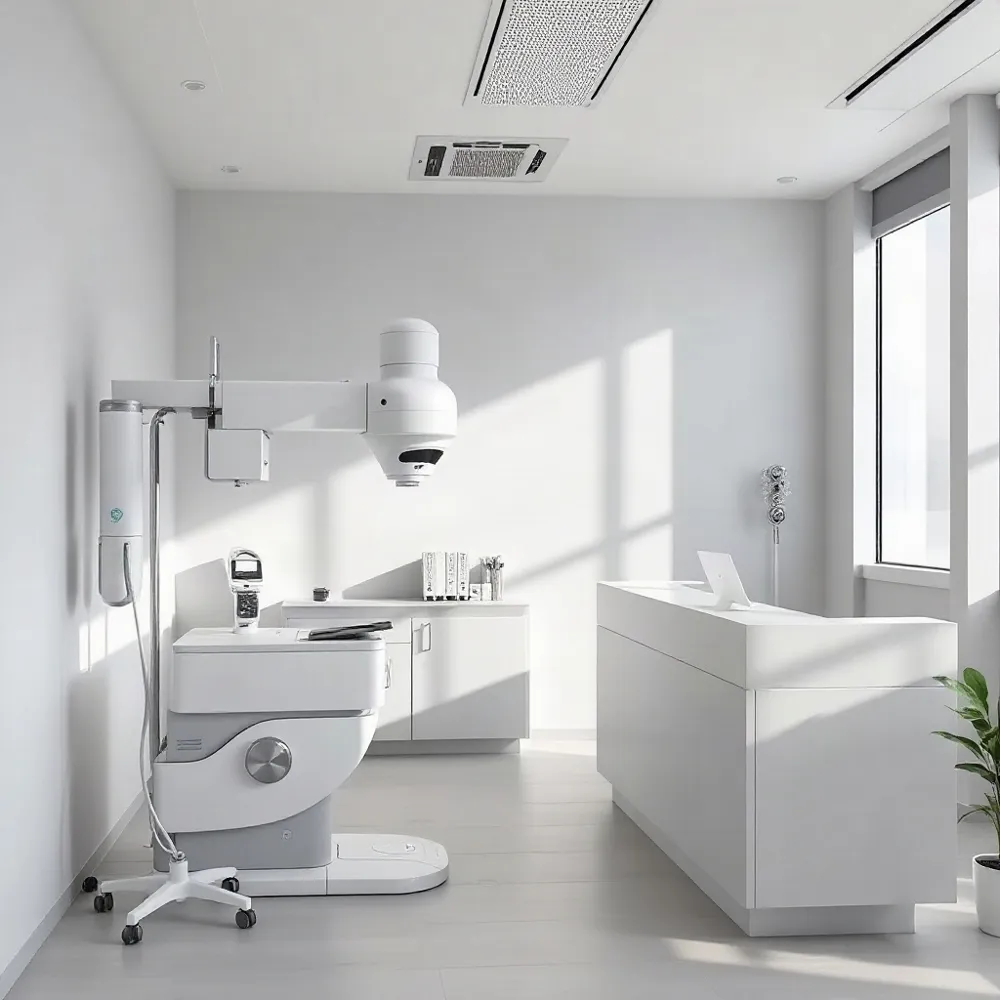 The modern optometrist is far more than the gatekeeper of eyeglass prescriptions. Comprehensive eye care has expanded to encompass chronic disease management, surgical co-management, and preventive wellness, transforming how patients think about their vision and their overall health. This shift is visible in the way practices structure their services, from routine exams to advanced diagnostic imaging.
At Apple Eye Care in El Paso, this expanded scope is reflected in a team that includes both optometrists and ophthalmologists, allowing for a seamless continuum of care under one roof. Whether a patient needs a routine check-up or specialized management of glaucoma or cataracts, the practice is designed to handle it. This integrated approach mirrors the growing emphasis on collaborative, multidisciplinary eye care models that address the full spectrum of patient needs.
Beyond the Eye Chart: Diagnostics and Disease Management
Today's optometrists are equipped with technology that goes far beyond the traditional eye chart. Advanced diagnostics, such as Optical Coherence Tomography (OCT), allow for early detection of conditions like macular degeneration and diabetic retinopathy, often before symptoms appear. Early intervention is critical; per a 2020 review in the Indian Journal of Ophthalmology, comprehensive eye care models that integrate these diagnostic tools can reduce the burden of avoidable blindness [1].
At Apple Eye Care, the use of the DRI OCT Triton is a core part of this approach. This advanced imaging technology enables the doctors to visualize the layers of the retina in high definition, supporting early and accurate diagnosis. This commitment to modern technology ensures that patients receive care that is both proactive and precise, aligning with the wellness-driven approach seen in a new generation of optometrists [2].
The Rise of Preventive and Holistic Care
Beyond treating disease, a growing number of optometrists are focusing on prevention and holistic health. This includes addressing how nutrition, lifestyle, and systemic conditions like diabetes impact vision. The goal is to preserve sight and enhance overall well-being, a shift that has been noted as a defining characteristic of the new generation of eye care professionals [2]. Practices are increasingly integrating nutritional counseling and lifestyle assessments into their standard protocols [3].
For a family-focused practice like Apple Eye Care, this translates into personalized care that considers the whole patient. Whether it's managing dry eye syndrome through advanced treatments or monitoring a child's myopia progression, the approach is to look beyond the symptoms. This holistic framework is becoming a standard part of comprehensive optometry, moving the field away from a purely reactive model to a proactive one [4].
Specialized Services and Patient-Centered Care
Surgical Co-Management. Many optometry practices now work closely with surgical centers, providing pre- and post-operative care for procedures like cataract and LASIK surgery. This partnership allows patients to recover closer to home while maintaining the oversight of their regular eye doctor.
Chronic Condition Management. Conditions like glaucoma and macular degeneration require long-term management. Optometrists play a vital role in monitoring these diseases, adjusting treatments, and ensuring patients adhere to their care plans to prevent vision loss.
Specialized Diagnostics. Access to advanced imaging like OCT and visual field testing is no longer the sole domain of hospitals. In-office diagnostic equipment enables same-day diagnosis and reduces the need for referrals, speeding up the path to treatment.
A Unified Path Forward for Vision
When most people think of an eye exam, they picture a quick vision check: read the chart, get a prescription, done. But the modern optometrist's role reaches far beyond that chair-side interaction. Because the eyes are visible windows into the vascular and nervous systems, a comprehensive eye exam can detect early signs of systemic conditions like diabetes, hypertension, and even high cholesterol. Research highlighted in a National Institutes of Health report notes that integrating eye care with broader health services improves both efficiency and patient outcomes. It's this whole-person perspective, backed by advanced diagnostics, that elevates routine eye care from a convenience to a cornerstone of preventive health.
Wellness-Oriented, Not Just Prescription-Driven
A new generation of optometrists is shifting focus from simply treating visual acuity to championing overall wellness. These wellness-driven optometrists integrate nutritional counseling, screen-time management, and lifestyle interventions into their care plans. At Apple Eye Care in El Paso, this approach means our comprehensive exams include advanced imaging like the DRI OCT Triton to spot early signs of retinal damage, not just updated prescriptions. We pair that diagnostic precision with practical, everyday advice on how your daily habits affect your vision, ensuring your care plan supports your life, not just your chart.
This holistic framework isn't a fad. A model outlined in an integrative care publication demonstrates how blending primary eye care into larger patient-management systems yields better adherence and health results. When your optometrist sees both the whole picture and the microscopic detail, you receive care that's both more efficient and more effective. That's the standard we hold ourselves to, and it's why our patients say their appointments feel both thorough and personal.
Comfort and Communication Matter as Much as Technology
Advanced equipment is only part of the equation. A meaningful exam requires a doctor who explains what they see, answers questions without rushing, and builds trust over time. Many patients tell us they've avoided eye exams because they fear discomfort or feel dismissed in medical settings. At Apple Eye Care, we've redesigned the experience around clear communication and patient comfort—every finding, from a dry eye assessment to a glaucoma risk factor, is explained in plain language. We also use advanced diagnostics like the DRI OCT Triton to catch issues early, when they're often most manageable. Whether you're new to the practice or returning for a routine check, you'll work with a team that knows your history and treats you like a person, not an appointment slot.
| Care Dimension | Traditional Model | Apple Eye Care Approach |
|---|---|---|
| Visit focus | Vision correction only | Whole-health screening |
| Diagnostics | Basic chart and pressure tests | Advanced OCT imaging (DRI OCT Triton) |
| Communication | Rushed, jargon-heavy | Plain-language explanations |
| Long-term health | Reactive symptom checks | Proactive prevention and follow-up |