Your Path to Clearer Vision Starts Here
Vision correction is not a one-size-fits-all decision. From glasses and contact lenses to advanced surgical options like LASIK, PRK, and lens-based procedures, the right choice depends on your prescription, corneal health, age, budget, and daily habits. Whether you are a young professional seeking freedom from contact lenses, a parent balancing family needs, or a patient over 40 noticing presbyopia, there is an option designed for your lifestyle.
Apple Eye Care provides comprehensive optometry services in El Paso, TX, offering a full range of vision correction solutions under one roof. The family-focused practice, led by Dr. Stephen Applebaum, emphasizes personalized attention and uses advanced diagnostics, including the DRI OCT Triton, to evaluate each patient's unique eye anatomy and lifestyle needs for personalized vision correction recommendations.
This guide walks through the full spectrum of vision correction, from routine exams and contact lenses to LASIK, cataract management, and beyond, helping you make an informed decision about your eye health.
What a Comprehensive Eye Exam Reveals
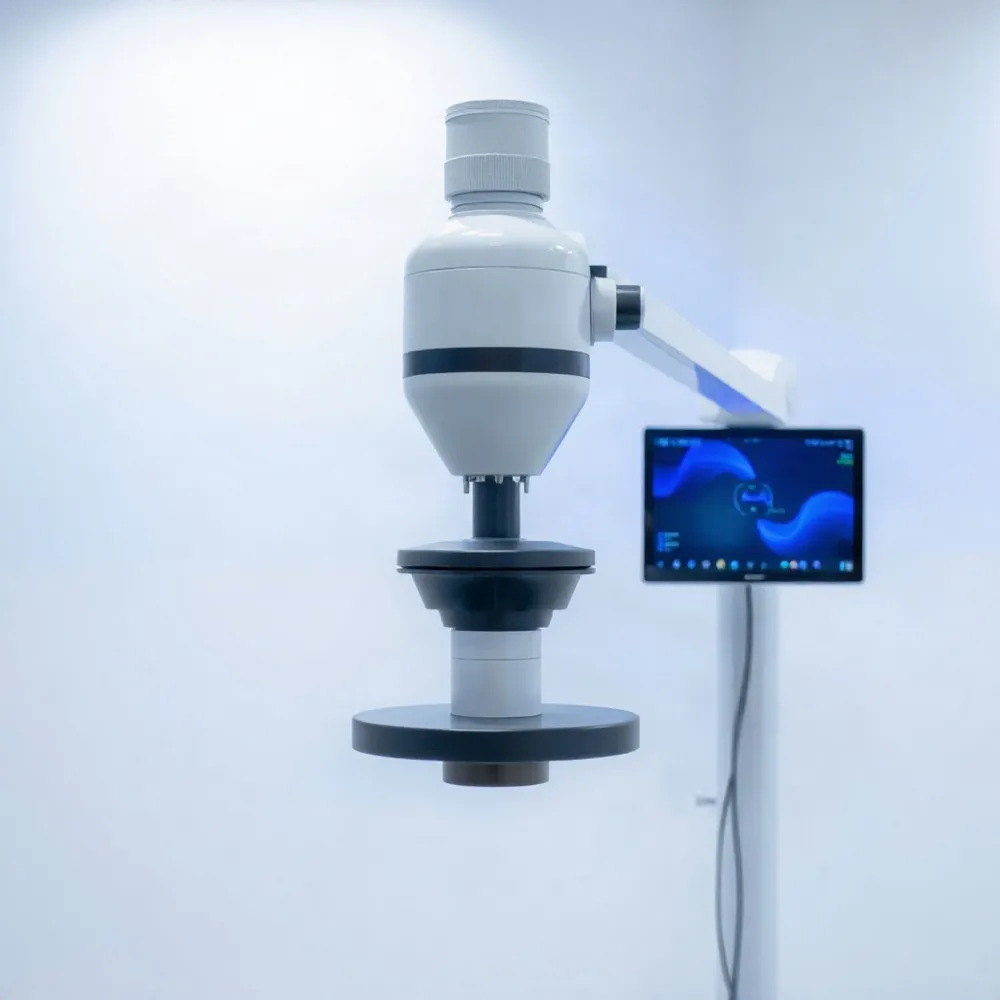 A comprehensive eye exam is far more than a simple vision check. It is a thorough evaluation of your entire visual system, designed to detect not only changes in your prescription but also early signs of eye disease. At Apple Eye Care in El Paso, led by Dr. Stephen Applebaum, these exams go beyond standard testing to create a complete picture of your eye health.
The exam begins with a detailed patient history and general medical observation. The doctor then systematically evaluates 12 core visual system elements, including visual acuity, visual fields, eye movement, and the health of the conjunctiva, eyelids, pupils, iris, cornea, lens, and retina. Intraocular pressure and the condition of the optic nerve are also assessed. When medically necessary, the pupils are dilated to allow a clear view of the internal eye structures, helping the doctor identify issues like tiny cataracts or retinal tears that might otherwise go unnoticed.
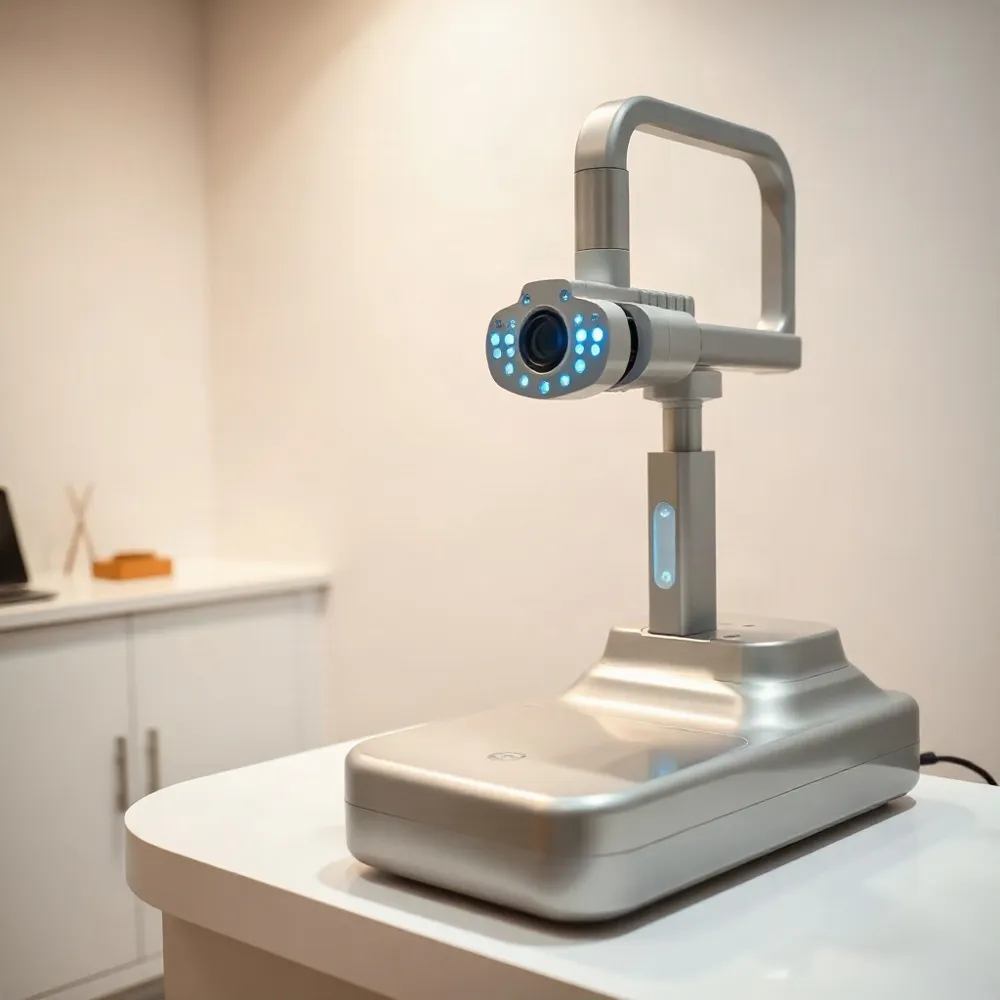
A major advantage at Apple Eye Care is the use of the DRI OCT Triton for advanced imaging. This technology creates detailed, layer-by-layer cross-sections of the retina and cornea, allowing the doctor to detect conditions such as glaucoma, macular degeneration, and diabetic eye disease much earlier than a standard exam alone. The result is a fully personalized diagnostic and treatment plan, whether that means a new glasses prescription, specialized contact lenses, or a referral for vision correction surgery.
Yearly comprehensive exams are essential, even if your vision seems unchanged. Many sight-threatening conditions, including glaucoma and cataracts, develop slowly without early symptoms. A routine annual visit is the most effective way to catch these problems in their earliest stages and preserve your vision for the long term.
Glasses, Contacts, or Surgery: Comparing Your Options
The three primary types of vision correction are glasses, contact lenses, and refractive surgery. Each works differently, and the right fit depends on your prescription, daily habits, and long-term goals.
Glasses are the most straightforward option. They correct refractive errors by bending light as it enters the eye, but they do not change the eye's structure. Take them off, and your natural vision returns. Common drawbacks include fogging, slipping, and peripheral distortion. Contact lenses offer a non-surgical alternative that sits directly on the eye, eliminating many visual obstructions of glasses. However, they require daily cleaning and carry a risk of infection if not handled properly.
Refractive surgery, such as LASIK, PRK, and SMILE, takes a different approach by reshaping the cornea to permanently improve how the eye focuses light. For patients with severe prescriptions or age-related presbyopia, Refractive Lens Exchange (RLE) replaces the natural lens with an artificial one, offering a surgical fix that also prevents future cataracts.
At Apple Eye Care in El Paso, each patient receives a thorough evaluation using advanced diagnostics like the DRI OCT Triton to determine which approach fits their unique eye anatomy and lifestyle. Whether you prioritize non-invasiveness, zero daily maintenance, or long-term cost savings, the choice comes down to what matters most for your vision and daily routine.
Which Vision Correction Surgery Is Right for You?
Each vision correction surgery works differently, and the best choice depends on your eye anatomy, prescription, and lifestyle. A detailed evaluation with modern diagnostic tools helps determine the safest, most effective option.
The most effective eye correction procedure varies by individual. LASIK is the most popular and offers the fastest recovery, making it highly effective for patients with nearsightedness, farsightedness, or astigmatism. For those with thin corneas or active lifestyles, PRK (Advanced Surface Ablation) is a safe alternative that creates no corneal flap. SMILE uses a tiny incision and preserves more corneal nerves, which can reduce the risk of dry eye. EVO ICL is a reversible implantable lens ideal for high myopia or thin corneas, while Refractive Lens Exchange (RLE) replaces the natural lens to address presbyopia and prevent future cataracts.
To determine candidacy, your eye care provider assesses corneal thickness, prescription stability, and general eye health. Most patients must be at least 18 years old, have a stable prescription for one to two years, and be free from uncontrolled eye diseases. When candidacy criteria are met, success rates are high: over 98% of patients achieve 20/40 vision or better, and over 98% report satisfaction, with serious complications occurring in less than 1% of cases.
Innovations in Vision Correction: AI and Beyond
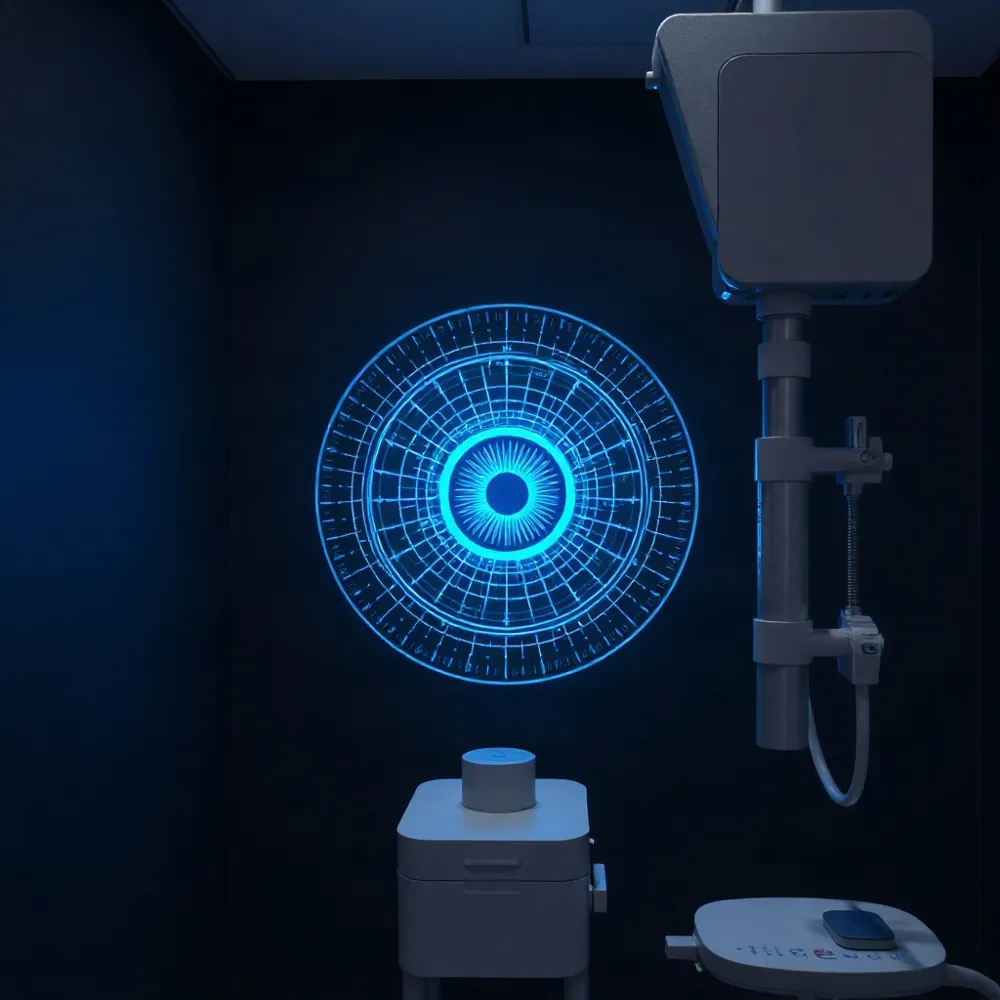
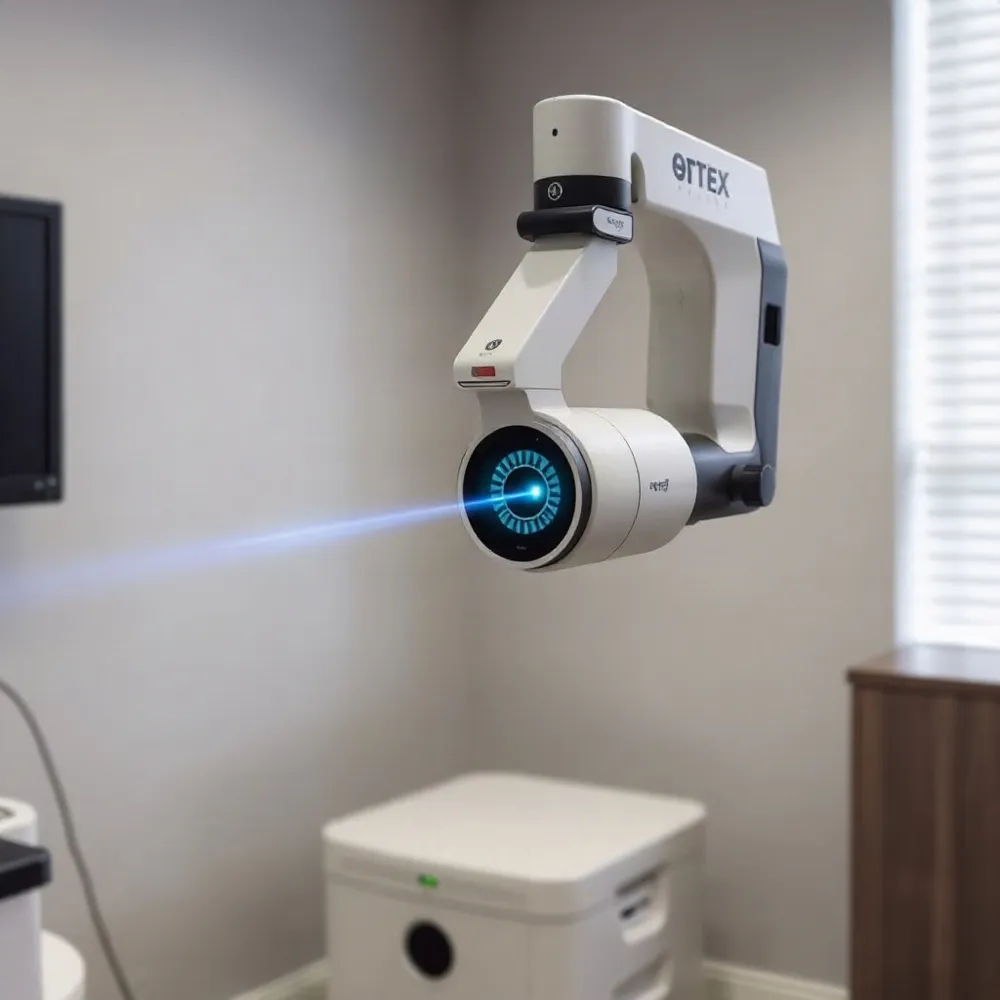 Vision correction technology has moved beyond traditional LASIK into a new generation of AI-driven and non-invasive procedures. The WaveLight® Plus laser system uses artificial intelligence and ray-tracing to create a personalized 3D "eyevatar" of each patient's eye, allowing surgeons to achieve vision as sharp as 20/16, better than the standard 20/20.
An emerging non-laser technique called electromechanical reshaping (EMR) uses mild electrical pulses to temporarily soften and reshape the cornea. This approach requires no incisions, potentially offering a safer, cheaper alternative for patients who want to reduce their dependence on glasses or contacts.
Topography-guided LASIK now uses up to 22,000 data points to map the eye's surface, enabling highly personalized treatments. Bladeless femtosecond lasers have become the standard for creating the corneal flap, improving safety and precision. For patients undergoing cataract surgery, the RxSight Light Adjustable Lens allows post-surgery prescription adjustments through light treatments.
Apple Eye Care uses the advanced DRI OCT Triton diagnostic system to evaluate each patient's unique eye anatomy. This technology, combined with a detailed assessment of corneal thickness and prescription stability, ensures that new procedures are matched to individual needs for the best possible outcome.
Is LASIK Worth the Investment?
 For many people in El Paso, the upfront cost of LASIK raises an immediate question: is the investment worth it? When you look at the long-term financial picture, the answer often becomes clearer. Contact lenses and supplies can total roughly $24,000 over 30 years — a recurring expense that never ends. LASIK, by contrast, is a one-time cost. In the El Paso area, LASIK typically ranges from $1,500 to $5,000 per eye, with all-inclusive pricing at many local centers averaging about $3,500 for both eyes.
The value goes beyond dollars. Over 99% of patients achieve 20/40 vision or better, and serious complications occur in less than 1% of cases. Most people notice clearer vision within hours and return to normal activities within 24-48 hours. Vision typically stabilizes within a week.
That said, LASIK is not without trade-offs. Common temporary side effects such as dry eyes, glare, and halos can persist for weeks to months. Rare risks include flap complications, infection, and under- or over-correction. Between 1% and 5% of patients may need an enhancement procedure years later.
At Apple Eye Care, Dr. Stephen Applebaum and his team use advanced diagnostics like the DRI OCT Triton to evaluate each patient's eye anatomy and lifestyle needs. During a comprehensive consultation, they help you weigh the benefits and risks specific to your eyes. For most eligible patients, the freedom from glasses and contacts and the long-term savings make LASIK a worthwhile investment.
Navigating Insurance and Financing for Surgery
LASIK is classified as an elective procedure, so standard vision insurance plans typically do not cover it as a medical necessity. This means patients in El Paso often pay the full cost out of pocket.
Exceptions exist. Some employers offer vision plans that provide LASIK discounts, and certain providers like VSP offer a Laser VisionCare benefit that reduces costs when using an in-network doctor. Professional athletes and active military members may also qualify for specific coverage.
For those without insurance coverage, financing options make surgery more accessible. CareCredit health-care credit cards and in-house payment plans spread the cost over manageable monthly payments. Health Savings Accounts (HSAs) and Flexible Spending Accounts (FSAs) allow patients to use pre-tax dollars, effectively lowering the net expense.
Some centers offer a Price Match Promise to stay competitive without sacrificing quality. At Apple Eye Care, each patient receives a personalized quote during the consultation, ensuring full transparency about the investment from the start. The cost typically ranges from $1,500 to $5,000 per eye depending on the technology and the patient's prescription.
The program provides no-cost enhancement procedures if medically necessary, offering peace of mind beyond the initial surgery. Asking about such programs during your consultation at Apple Eye Care can help you plan for long-term vision health.
Nutrition and Lifestyle for Lifelong Healthy Vision
What you eat and how you live play a substantial role in preserving your vision as you age. While no single food can correct nearsightedness or eliminate the need for glasses, a nutrient-rich diet supports the structures of the eye and may lower the risk of common age-related conditions.
Can Apples Improve Eyesight?
The old saying "an apple a day keeps the doctor away" has some truth where eye health is concerned, though the connection is often misunderstood. Apples cannot directly improve or correct vision problems like nearsightedness or astigmatism. However, they are a good source of vitamin C, a nutrient that helps produce collagen for a healthy cornea and may reduce the risk of developing cataracts. The role of diet is preventive and supportive, not corrective.
The 20-20-20 Rule and Digital Eye Strain
Prolonged screen time from smartphones, laptops, and smart watches can cause eye strain, fatigue, and headaches. A simple strategy to relieve this is the 20-20-20 rule: every 20 minutes, look at something at least 20 feet away for 20 seconds. This brief break relaxes the eye's focusing muscles and gives the tear film a chance to rebalance, reducing dryness and discomfort.
Protect Your Eyes in Daily Life
After vision correction surgery and in everyday settings, wearing UV-blocking sunglasses is essential. Long-term exposure to ultraviolet light raises the risk of cataracts and macular degeneration. Artificial tears can also help combat dry eye, a common complaint among contact lens wearers and post-surgery patients. For persistent dryness, specialized treatments such as those offered at Apple Eye Care can provide lasting relief.
The Role of Regular Exams
Good nutrition and healthy habits work best when paired with routine professional evaluations. Even after successful vision correction, regular comprehensive exams are needed to monitor for age-related changes like presbyopia, cataracts, or macular degeneration. Early detection of these conditions allows for timely management, keeping your vision clear and comfortable for a lifetime.
Finding the Right Eye Doctor in El Paso
There is no single "best" ophthalmologist for every patient — the right choice depends on your specific needs, whether that is a routine exam, LASIK, cataract surgery, or dry eye treatment. Several highly rated specialists serve the El Paso area. Dr. Lawrence Tafoya at Southwest Eye Institute has received strong patient reviews for his thorough communication and compassionate approach. The team at Buena Vista Eye Care includes board-certified physicians with over 30 years of experience in advanced medical and surgical eye care.
For patients who need walk-in care, University Vision Centre offers emergency eye services at its Westside and Eastside locations. Southwest Eye Institute also provides urgent care services across its multiple clinics. It is always a good idea to call ahead, as walk-in availability can change.
Apple Eye Care, led by Dr. Stephen Applebaum, takes a family-focused approach to comprehensive optometry. The practice offers personalized attention, advanced diagnostics, and co-management with surgical specialists for procedures like LASIK or cataract surgery. Many practices in El Paso, including Apple Eye Care, provide multilingual care in both English and Spanish. Specialists are available across a range of areas, including pediatric and geriatric eye care, dry eye therapy, cornea conditions, and glaucoma management.
Your Vision, Your Life: The Next Step
From routine exams and glasses to advanced LASIK, Apple Eye Care provides tailored solutions for every age and lifestyle. The practice's personalized attention, advanced diagnostic technology like the DRI OCT Triton, and family-focused care led by Dr. Stephen Applebaum ensure patients receive the right path to clearer vision.
The next step is to schedule a comprehensive exam and consultation. This allows the team to assess your unique needs and determine the best vision correction path for you.
Regular follow-up exams remain essential for monitoring eye health over time. With consistent care, you can enjoy lifelong healthy vision.