Clearer Vision Through Advanced Diagnostics
Modern contact lens fitting has moved well beyond simple trial-and-error methods. Standard keratometers measure only the central 3mm of the cornea, a small fraction of the total surface. By contrast, corneal topography uses light-based scanning to capture thousands of data points, generating a detailed, color-coded map of the cornea's curvature and elevation. This map reveals subtle irregularities that traditional methods miss, making it essential for fitting specialty lenses.
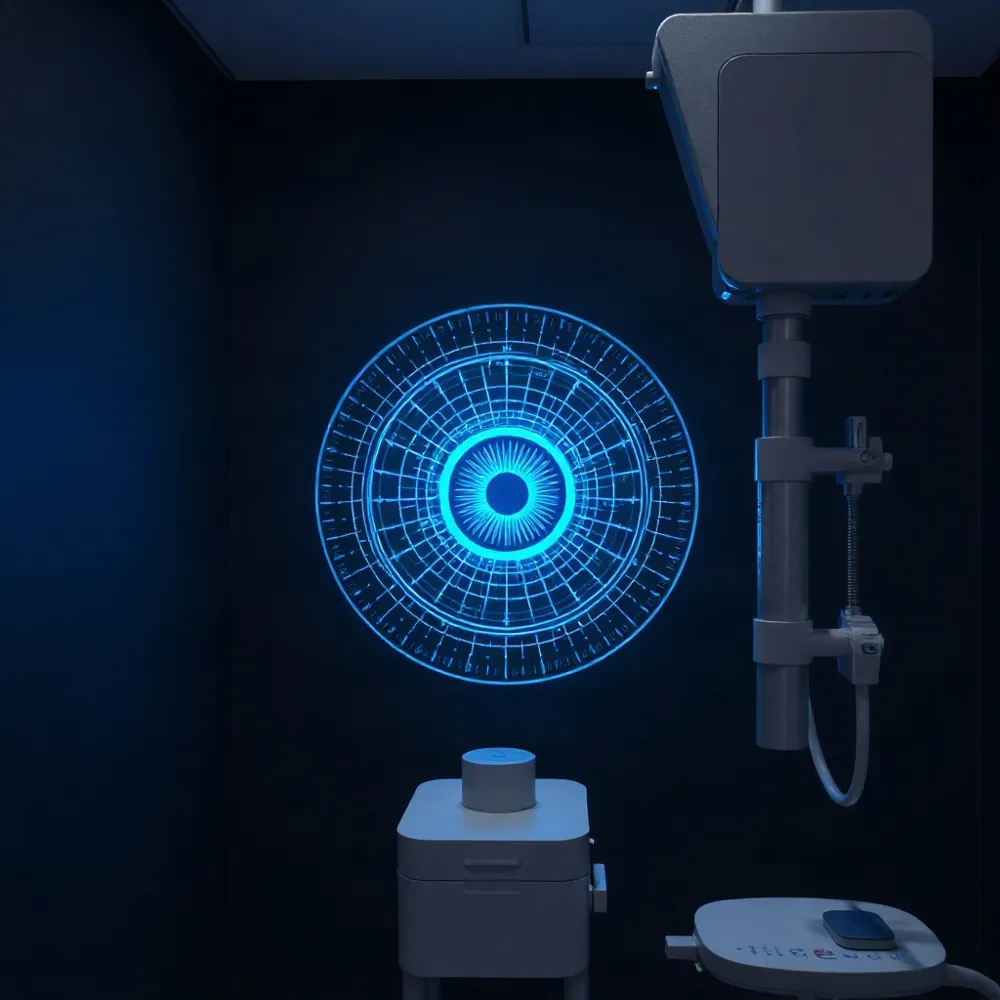
Wavefront technology adds another layer of precision. A wavefront aberrometer measures how light travels through the entire optical system, identifying higher-order aberrations that cause halos, glare, and ghosting. These aberrations cannot be corrected by standard glasses or contact lenses. When combined, topography and wavefront data provide a complete picture of a patient's visual system, allowing practitioners to design lenses that address both surface shape and optical performance.
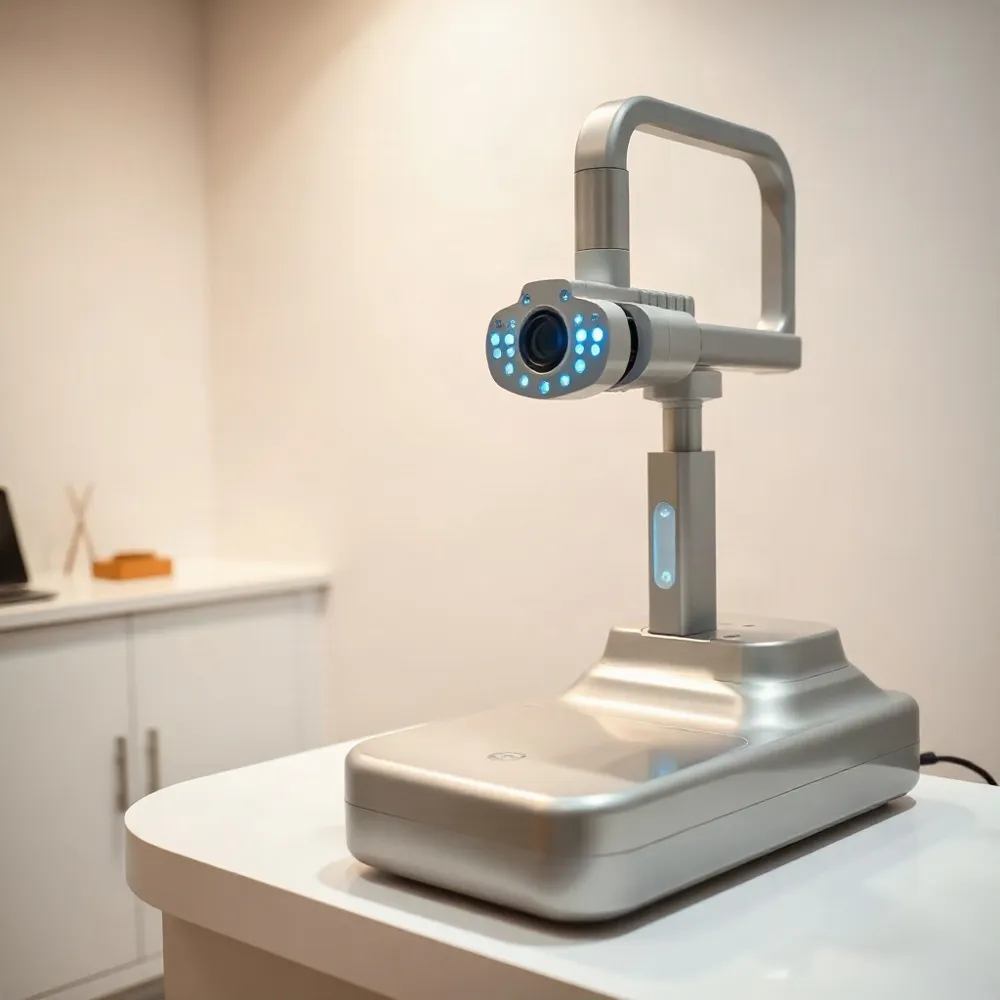
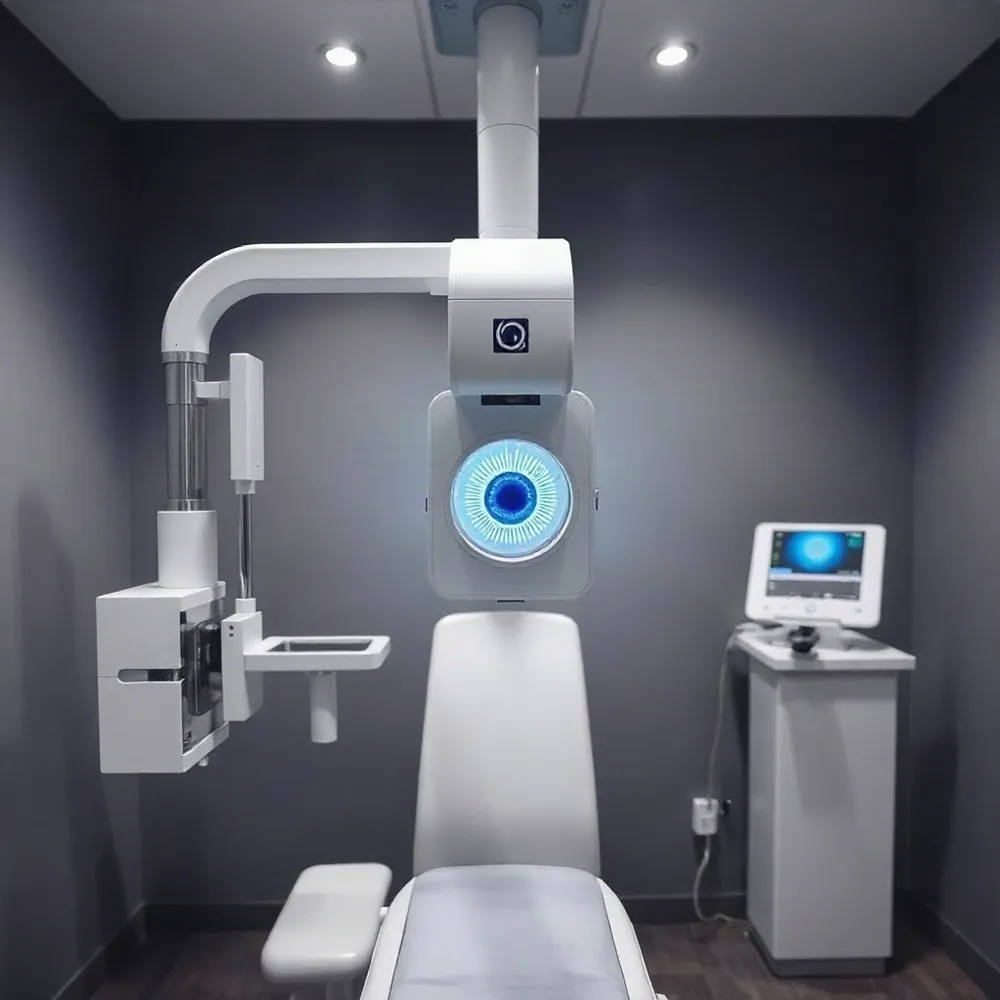
At Apple Eye Care in El Paso, TX, Dr. Stephen Applebaum integrates these advanced diagnostics into every specialty contact lens consultation. The practice uses the DRI OCT Triton, a multimodal swept-source OCT device, to capture high-resolution images of the anterior segment. This technology measures corneal thickness, limbal clearance, and scleral shape with precision that supports confident lens design decisions. By shifting from one-size-fits-all fitting to a data-driven approach, Apple Eye Care helps patients achieve better comfort and clearer vision.
What Is Corneal Topography and Why It Matters
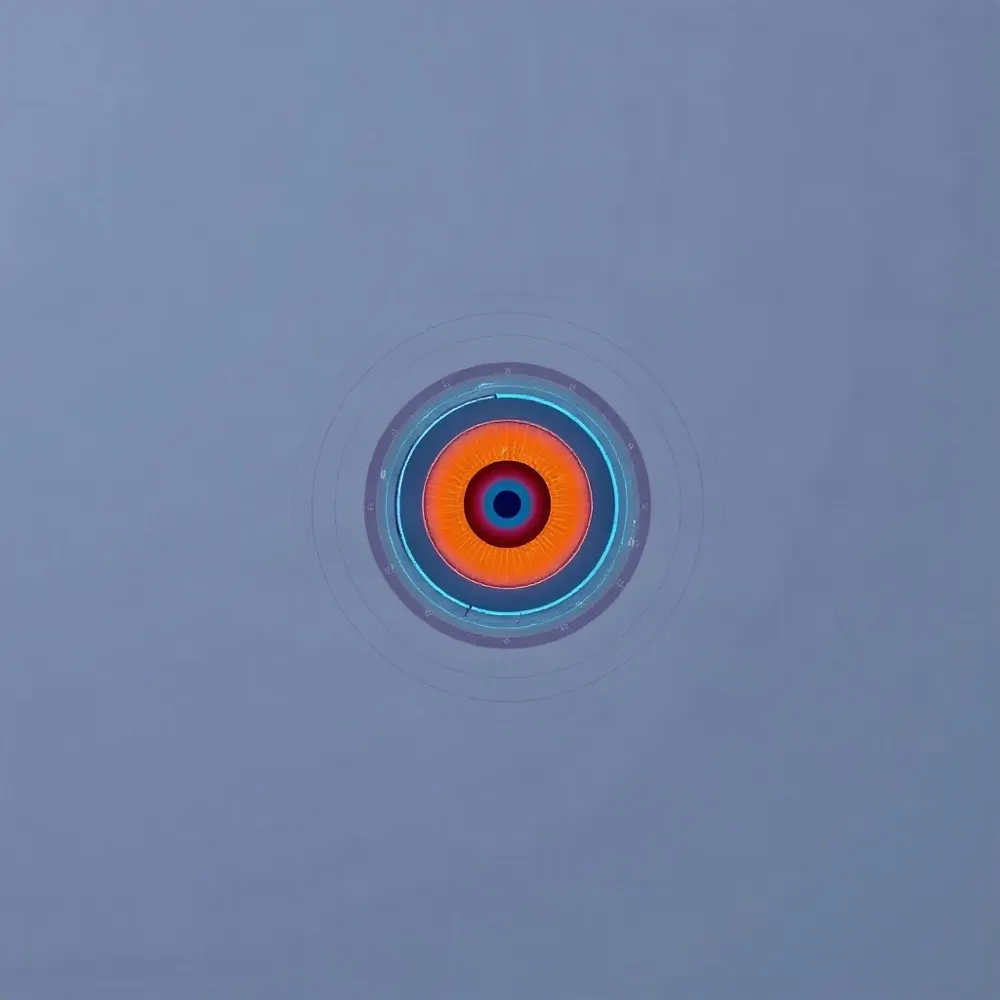 Corneal topography is a non-invasive diagnostic test that creates a detailed, color-coded map of the cornea — the clear front surface of the eye. Much like a topographic map of mountain terrain, it charts the cornea's curvature, elevation, and thickness using thousands of data points. The test is quick and painless: you rest your chin and forehead against the device and look at a target light while a camera captures the images. Nothing touches your eye.
This imaging goes far beyond older methods like manual keratometry, which only measures the central 3 mm of the cornea. A typical cornea is about 11.80 mm in diameter, and relying on just the central zone provides an incomplete picture for accurate lens fitting. Corneal topography covers the entire corneal surface, revealing irregularities that keratometry misses, and is considered the gold standard for mapping subtle changes in the cornea.
The detailed maps help eye care specialists diagnose and monitor conditions like keratoconus, astigmatism, and corneal scarring. They are also essential for planning surgeries such as LASIK and for fitting contact lenses with precision, especially for patients with irregularly shaped eyes. At Apple Eye Care in El Paso, Dr. Stephen Applebaum uses this technology alongside the DRI OCT Triton to tailor contact lens designs to each patient's unique anatomy, ensuring better fit, comfort, and visual quality.
Understanding Wavefront Technology
 Wavefront technology, also known as aberrometry, provides a detailed analysis of how light travels through the entire optical system of the eye, from the cornea to the retina. It identifies subtle optical imperfections, or higher-order aberrations (HOAs), that standard measurements for nearsightedness, farsightedness, and astigmatism miss. These HOAs cause visual disturbances like glare, halos, ghosting, and poor night vision, which cannot be corrected by ordinary glasses or standard contact lenses.
The process involves projecting light through the eye and measuring the distortions in the wavefront as it reflects off the retina. This creates a three-dimensional wavefront map — a unique optical fingerprint of the eye. This map provides objective, repeatable measurements that reduce subjective guesswork in fitting, making it especially valuable for patients with irregular corneas from conditions like keratoconus or post-surgical complications.
Wavefront mapping is relevant for diagnosing complex conditions and guiding precise treatments. Research at the Contact Lens Institute shows that nearly all patients experience a reduction in HOAs with wavefront-guided scleral lenses, with an average 50% reduction in HOAs and an improvement of one to two lines of vision. At Apple Eye Care, Dr. Stephen Applebaum can use this advanced diagnostic data to assess your unique optical profile, determining if wavefront-guided contact lenses are the right path to clearer, sharper vision.
Wavefront Guided Scleral Lenses vs. Standard Lenses
 Standard scleral lenses vault over the cornea and rest on the white of the eye. They correct simple refractive errors and provide comfort for patients with conditions like keratoconus or dry eye. However, they do not correct higher order aberrations (HOAs) — complex optical imperfections that cause glare, halos, starbursts, and ghosting.
Wavefront guided scleral lenses go further. They use wavefront data to map how light travels through the eye and then shape the front surface of the lens to cancel out specific HOAs. This custom design delivers clearer, sharper vision, especially in low light. Clinical data from CLEI shows an average 50% reduction in HOAs, one to two lines of improvement in visual acuity, and roughly 97% patient preference for wavefront guided lenses over standard ones.
These lenses are ideal for patients with keratoconus, post-surgical corneas, or anyone who still sees halos, glare, or ghosting with standard scleral lenses. At Apple Eye Care, Dr. Stephen Applebaum and his team can discuss whether wavefront guided scleral lenses are right for your vision needs.
WAVE Contact Lenses: Custom Design From Topography Data
The transition from diagnostic data to a finished lens is where technology makes the most tangible difference. One of the most established platforms in this space is the WAVE Contact Lens System, a sophisticated CAD/CAM software platform that has been designing custom rigid contact lenses since 1999. Instead of relying on trial sets, WAVE uses corneal topography or tomography data to engineer a lens from the ground up, ensuring the final product matches the patient's unique ocular surface.
The design process follows a straightforward, three‑step workflow. First, the eye care professional imports a patient's corneal topography or tomography map from a compatible device, such as a Medmont topographer, OCULUS Pentacam, or Topcon MYAH. Second, the patient's subjective refraction or over‑refraction from a trial lens set is entered. Third, the software designs a custom lens — whether Scleral, Ortho‑K, Corneal GP, or Multifocal — which is then sent to a lab for manufacturing.
This empirical approach eliminates much of the guesswork in fitting complex cases. WAVE lenses are designed for patients with irregular corneas, high astigmatism, or dry eye, where a standard lens simply cannot provide the necessary stability or visual clarity. At Apple Eye Care, Dr. Stephen Applebaum and his team use these advanced diagnostic tools to ensure that every lens is tailored to the individual patient, addressing not just their prescription but the specific topography of their eye.
Practitioners who want to use the WAVE system must complete a certification process, which includes an online demo, account setup, and coaching sessions. This training ensures that the practitioner can fully leverage the software's capabilities to achieve the best possible fit. For patients with complex vision needs, a WAVE lens often represents the difference between merely functional vision and truly optimized, comfortable sight.
Choosing the Right Base Curve and Fitting Method
The base curve of a contact lens describes the curvature of its back surface, measured in millimeters. A value like 8.4 indicates a steeper curve, while 8.8 is flatter. Selecting the correct base curve is important for fit and comfort.
Using the wrong base curve can cause discomfort, blurry vision, or even restrict oxygen to the eye. Determining the right curve requires a clinical measurement, such as corneal topography or keratometry, performed during a comprehensive exam.
Fitting Methods for Keratoconus
For patients with keratoconus, the severity of the condition guides the fitting method. Scleral lenses are often the top choice for advanced cases, as they vault over the irregular cornea to provide excellent vision and comfort. Rigid gas permeable (RGP) lenses are a classic option that can maintain corneal shape and provide clear vision.
Hybrid lenses combine a rigid center with a soft peripheral skirt, offering an alternative with the visual clarity of an RGP and the comfort of a soft lens. In milder cases, custom soft or even standard toric lenses can be effective. A comprehensive exam determines the best approach for each individual's unique needs.
Advanced Diagnostics at Apple Eye Care
Dr. Stephen Applebaum has been providing eye care to the El Paso community since 1999. His family-focused practice, Apple Eye Care, offers comprehensive services that include routine eye exams, contact lens fittings, and specialized care for dry eye, cataracts, and glaucoma.
The practice is the only optometrist in Texas using the advanced Topcon DRI OCT Triton imaging system. This swept-source optical coherence tomography (OCT) device uses a long 1,050nm wavelength to penetrate deep into the eye, producing detailed, high-resolution images of both the anterior and posterior segments. The system helps Dr. Applebaum detect eye issues early and manage conditions with confidence.
For specialty contact lens fitting, OCT provides critical insights that go beyond standard topography. It can measure corneal thickness, monitor for edema, assess scleral lens settling over time, and evaluate the post-lens tear film. These measurements allow the care team to troubleshoot fitting issues like excessive limbal clearance or conjunctival impingement before they cause discomfort or corneal health problems.
Every patient receives a personalized care plan built on high-resolution diagnostic data. By tracking subtle changes in corneal and scleral shape over time, Dr. Applebaum and his staff can recommend adjustments to lens designs or wearing schedules that preserve long-term ocular health.
Costs and Insurance for Advanced Contact Lenses
The investment in advanced contact lenses reflects the technology behind them. For a single scleral lens, the national average cost is approximately $1,011, with prices typically ranging from $776 to $1,950 before any customization. Professional fitting fees add to this total, covering multiple diagnostic appointments and specialized equipment. Wavefront guided lenses, which require an additional measurement step, also carry a premium. As a point of reference, a single WAVE OrthoK lens retails for $125, but that figure does not include the fitting and exam fees associated with a complete prescription.
Insurance coverage varies significantly. Many plans that cover medically necessary contact lenses, such as those prescribed for keratoconus, may partially cover advanced scleral lens fitting. It is also common for practices to offer financing options like CareCredit to help manage out-of-pocket costs.
At Apple Eye Care, the total cost depends on the specific lens design and the complexity of the fit. The practice uses advanced diagnostic tools, including the DRI OCT Triton, to capture the precise measurements needed for a custom lens design. Because every patient's needs are different, the team recommends scheduling a consultation to receive an accurate, all-inclusive quote that itemizes lens fees, diagnostic imaging, and follow-up care, ensuring there are no surprises.
Personalized Vision Care Through Technology
Wavefront and topography technologies turn contact lens fitting from a one-size-fits-all guess into a truly personalized solution for even the most complex vision needs. At Apple Eye Care, Dr. Stephen Applebaum and his team use advanced tools like the DRI OCT Triton to apply these diagnostics and provide top-tier, family-focused care. Schedule a consultation to explore how these advanced diagnostics can improve your vision and comfort.