Prioritizing Eye Comfort and Long-Term Ocular Health
Dry eye disease is a chronic, multifactorial condition that disrupts the natural balance of the ocular surface. Often resulting from tear film instability or insufficient production, the condition requires a structured approach to care rather than one-size-fits-all remedies. While many patients initially attempt to manage irritation with over-the-counter drops, those with persistent symptoms benefit from a personalized strategy aimed at restoring ocular homeostasis.
At Apple Eye Care, Dr. Stephen Applebaum emphasizes that successful management relies on identifying the specific root causes of each patient's discomfort. By leveraging advanced diagnostic technology such as the DRI OCT Triton, the team can perform precise assessments that go beyond basic observation. This data-driven approach ensures that treatment protocols, including specialized therapies for meibomian gland dysfunction or localized inflammation, are tailored to individual needs.
Achieving lasting comfort is a collaborative process. Consistent follow-up care allows the practice to adjust treatment plans based on a patient's symptomatic progress and environmental stressors. By combining clinical expertise with a family-oriented environment, Apple Eye Care helps patients move past the frustration of chronic symptoms to regain visual clarity and improved daily quality of life.
Recognizing the Symptoms and Risks of Dry Eye
 Dry eye disease is a multifactorial condition that often presents with a range of disruptive sensations. Patients commonly describe a persistent burning, stinging, or gritty feeling, frequently compared to the sensation of having a foreign object stuck in the eye. Other indicators include redness, light sensitivity, and intermittent blurred vision that can hinder daily tasks like driving or reading.
What are the common symptoms of dry eye syndrome?
Many patients express confusion when their eyes feel dry yet constantly water. This phenomenon, known as reflex tearing, occurs when the eye produces an excess of watery tears in a futile attempt to soothe irritation caused by an unstable tear film. Because these reflex tears lack the necessary oil and mucin components required to protect the ocular surface, they evaporate too quickly to provide genuine relief. At www.appleeyecare.com, Dr. Stephen Applebaum and his team prioritize diagnosing the root cause of these symptoms rather than merely addressing surface-level irritation, differentiating this condition from allergic conjunctivitis which typically involves intense itching.
Can dry eye disease lead to permanent vision loss?
While rarely the direct cause of total blindness, chronic dry eye disease left unmanaged poses serious risks to ocular health. Persistent inflammation can eventually damage the corneal epithelium, potentially leading to corneal ulcers, scarring, and long-term visual impairment. The condition progresses over time, making early professional intervention critical. Unlike generic practices that may only prescribe temporary lubricating drops, the team at www.appleeyecare.com utilizes advanced diagnostic tools like the DRI OCT Triton to monitor corneal health and deliver evidence-based treatment plans that protect your long-term vision.
Personalized Diagnostics at Apple Eye Care
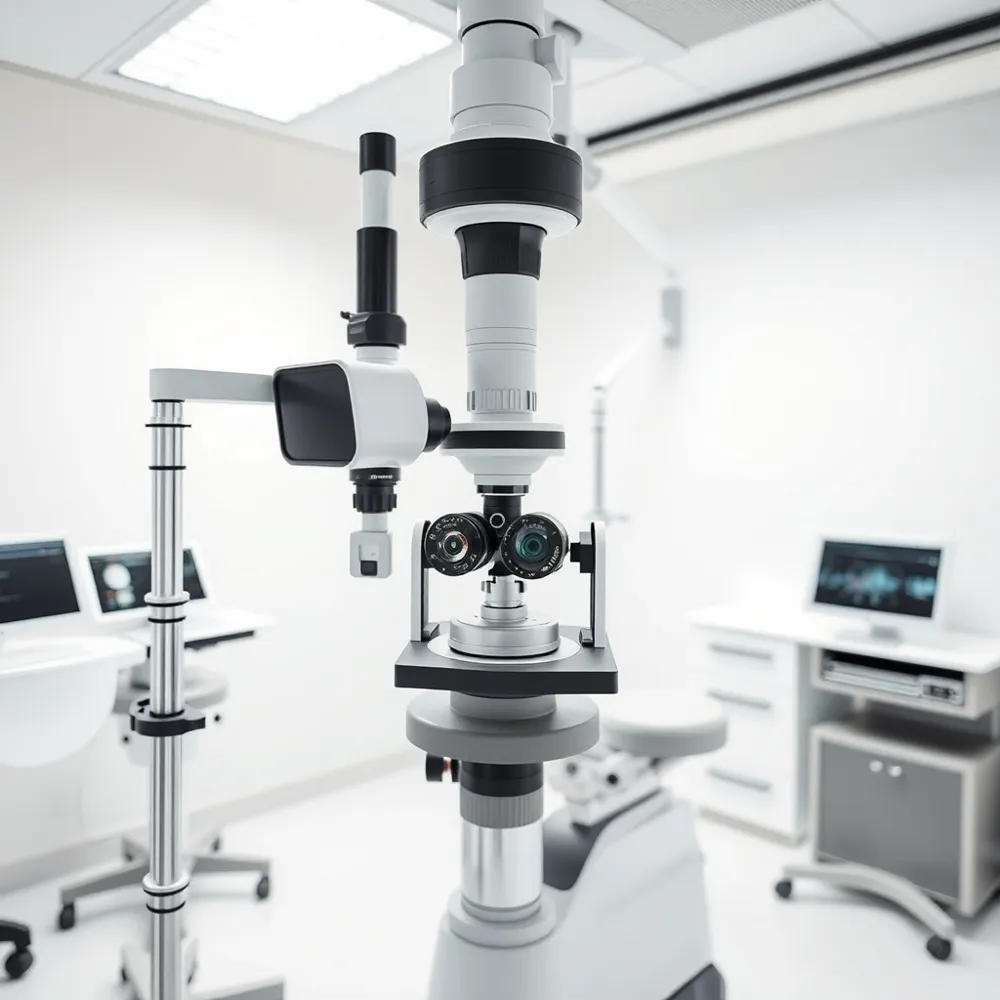 Effective management of dry eye disease requires a move beyond generic symptom checklists and toward precise, objective clinical evaluation. At Apple Eye Care, this process begins with a comprehensive assessment of the ocular surface, enabling our team to identify the specific root causes of tear film instability rather than just masking discomfort.
Our diagnostic approach integrates advanced imaging with functional testing to verify tear production and quality. We utilize the Schirmer tear test and the tear breakup time (TBUT) test to quantify tear volume and evaporation rates. By also performing a tear osmolarity test, we can objectively confirm the presence of desiccating stress on the corneal surface, identifying patients who require targeted intervention.
Because many cases stem from structural issues, we specifically evaluate the health of the meibomian glands, which produce the essential lipid layer of the tear film. This allows us to differentiate between simple aqueous deficiency and evaporative dry eye. Furthermore, testing for clinical markers such as matrix metalloproteinase-9 (MMP-9) helps us detect underlying inflammation, which is often a significant driver of chronic symptoms.
Beyond surface diagnostics, our practice incorporates the DRI OCT Triton technology. While this tool is commonly associated with high-resolution retinal imaging, its role in our comprehensive workflow provides a deeper understanding of the ocular environment, ensuring we can monitor long-term changes and verify the outcomes of personalized treatment plans. This high-resolution approach to monitoring is what distinguishes our family-focused care, providing patients in El Paso with data-driven confidence in their ongoing eye health.
Evidence-Based Lifestyle Adjustments for Dry Eye Relief
 Managing dry eye disease effectively often requires a shift toward proactive, daily habits that stabilize the tear film and reduce underlying inflammation. While advanced clinics like Apple Eye Care deploy sophisticated diagnostics to address the root causes of tear instability, patients can significantly improve their quality of life by adopting consistent home-based care protocols.
What are the most effective natural and lifestyle remedies for dry eyes?
To support ocular surface health, dietary modifications such as increasing the intake of omega-3 fatty acids are highly recommended. These essential nutrients help mitigate inflammatory processes that often compound the discomfort of chronic dry eye. Complementing internal health with external hygiene is equally critical. Implementing a routine of warm, clean, and gentle compresses twice daily helps to unblock oil glands, a step vital for those suffering from meibomian gland dysfunction. Following this compression with targeted eyelid washing using mild, non-irritating soaps can effectively reduce the biofilm and debris that accumulate along the lash line.
Environmental management also plays a central role in symptom reduction. Digital device users should prioritize the 20-20-20 rule to combat the blink-inhibition that occurs during prolonged screen time. This requires looking at a target 20 feet away for 20 seconds, every 20 minutes, to stimulate natural tear distribution. Furthermore, protecting the eyes from direct airflow, such as air conditioning vents or wind during outdoor exercise, helps prevent excessive tear evaporation. For patients seeking additional oversight, Apple Eye Care offers personalized guidance on tailoring these routines to specific environmental stressors and individual ocular needs, ensuring that home care effectively bridges the gap between clinical appointments.
Advanced Clinical Treatments for Chronic Symptoms
When foundational habits and over-the-counter options fail to provide lasting relief, shifting to advanced clinical interventions can address the root cause of chronic dry eye disease. At Apple Eye Care, our professional approach focuses on resolving underlying imbalances in tear film composition and gland function, rather than simply masking surface irritation.
What clinical treatments and prescription medications are available for chronic dry eye?
For patients suffering from evaporative dry eye caused by meibomian gland dysfunction, in-office thermal pulsation therapies like LipiFlow or TearCare are highly effective. These systems utilize localized heat and pressure to clear obstructed glands, with studies indicating that 76% of patients report symptomatic improvement within two weeks. For those who require less invasive measures, we also provide punctal plugs, which are tiny, reversible inserts that block drainage canals to preserve existing natural tears.
For severe, persistent cases, other specialized treatments can protect the ocular surface and reduce chronic inflammation. Intense pulsed light therapy is an off-label procedure that helps melt stagnant meibum and reduce eyelid telangiectasias. In more complex scenarios, our clinical team may recommend Scleral lenses or ProKera amniotic membrane devices, which provide an anti-inflammatory barrier to promote corneal healing and trap essential moisture over the ocular surface.
| Treatment Category | Clinical Purpose | Primary Function |
|---|---|---|
| Thermal Pulsation | MGD | Clear oil obstructions |
| Punctal Plugs | Aqueous Deficiency | Retain natural tears |
| Specialty Lenses | Severe DED | Protect corneal surface |
Modern Pharmacological Innovations in Optometry
For patients whose symptoms persist despite consistent eyelid hygiene and artificial tears, modern optometry offers a range of targeted pharmacological interventions. Rather than masking discomfort with generic drops, these prescription therapies address the underlying inflammatory cascades that drive chronic dry eye disease.
Anti-inflammatory treatments such as Cyclosporine and Lifitegrast are staples in professional care. These medications work by inhibiting the immune-mediated processes that damage the ocular surface, though their onset of action varies. While traditional topical cyclosporine can require several months to achieve peak efficacy, newer formulations like Vevye (cyclosporine ophthalmic solution 0.1%) utilize optimized delivery vehicles to improve corneal penetration, often showing statistically significant symptomatic improvement as early as week four.
The 2025 landscape for dry eye treatment also includes specific agents for complex, multifactorial cases. For evaporative disease linked to lipid deficiency, Miebo provides a novel monomolecular layer to prevent rapid tear evaporation. To tackle the inflammation caused by microscopic parasites, Xdemvy serves as the first FDA-approved medication specifically formulated to eradicate Demodex mites and manage associated blepharitis. Additionally, practitioners now have access to Varenicline nasal sprays, which stimulate the nerves of the nasal mucosa to trigger natural tear production.
At Apple Eye Care, the approach to these medications is highly personalized. Dr. Stephen Applebaum and his team prioritize diagnostics using the DRI OCT Triton to confirm whether an inflammatory or evaporative component is the primary driver of discomfort. By tailoring the selection of prescription agents to the patient's specific ocular chemistry, the clinic ensures that treatments are both effective and sustainable. Unlike practices that offer one-size-fits-all solutions, the team at this El Paso practice monitors how individuals respond to these therapies, adjusting protocols to sustain long-term comfort and ocular surface health.
Navigating Insurance Coverage and Financial Considerations
Managing chronic dry eye disease involves understanding the nuance between routine vision plans and medical insurance. Standard vision plans are generally designed to cover wellness exams and hardware such as glasses or contact lenses, whereas the clinical treatment of an ocular surface condition falls under medical care. At Apple Eye Care, we prioritize tailored care plans that address the root cause of your symptoms, ensuring your treatment reflects actual medical necessity rather than a one-size-fits-all approach.
Are dry eye treatments, such as thermal pulsation or prescription therapy, generally covered by vision insurance plans?
Whether these treatments receive coverage depends on your specific insurance provider and policy, though they are rarely covered by standard vision insurance plans. Many advanced clinical procedures, such as thermal pulsation or specialized in-office therapies, are often categorized by carriers as elective or wellness-related. While medical insurance may sometimes cover office visits or specific prescription eye drops with proper authorization, many innovative dry eye treatments remain out-of-pocket expenses. We recommend contacting your insurance carrier directly or speaking with our team to verify your specific coverage and payment options, as we strive to make effective care accessible.
A Trusted Partnership for Lasting Ocular Comfort
Managing dry eye is often a long-term journey, but you do not have to walk it alone. At Apple Eye Care, we prioritize building a lasting partnership with our patients in El Paso. Dr. Stephen Applebaum and our entire team are dedicated to providing the compassionate, family-focused care you deserve to reclaim your daily comfort. While some practices rely on generic, one-size-fits-all solutions, we tailor our approach to your unique ocular needs using the advanced diagnostic capabilities of the DRI OCT Triton.
If persistent irritation, blurred vision, or eye fatigue affects your quality of life, we encourage you to schedule a consultation at our West Resler Drive clinic. By understanding the root cause of your symptoms, we help shift the focus from temporary relief to sustainable, effective management. Your eye health is a vital part of your well-being, and we are here to support your journey toward lasting comfort every step of the way.