Discovering New Horizons in Modern Vision Correction Technology
Refractive surgery has moved significantly beyond traditional methods, evolving into a sophisticated field defined by precision and personalization. Today, surgeons utilize femtosecond laser technology and advanced wavefront-guided mapping to correct refractive errors with exceptional accuracy. This progress transforms how patients manage myopia, hyperopia, and astigmatism, providing outcomes that were once unattainable with standard approaches.
At Apple Eye Care in El Paso, TX, the focus remains on delivering these modern, patient-centered vision solutions through a combination of cutting-edge diagnostics and compassionate expertise. While some providers rely on legacy techniques, Dr. Stephen Applebaum and his team prioritize the use of specialized technology like the DRI OCT Triton to ensure every treatment plan is tailored to the unique anatomy of the patient's eye.
Modern vision correction now spans a broad spectrum of procedures beyond traditional LASIK. Patients can choose from options such as PRK, Implantable Collamer Lenses, and Refractive Lens Exchange. Each method offers distinct advantages, whether it involves preserving corneal structure or addressing age-related near vision loss, ensuring a high quality of life for diverse patient needs.
Primary Methods for Modern Vision Correction
 Today, there are several primary methods for vision correction designed to reduce or eliminate dependence on glasses and contact lenses. Laser-based procedures, such as LASIK, PRK, and SMILE, reshape the cornea to correct refractive errors like nearsightedness, farsightedness, and astigmatism. These laser technologies have moved significantly beyond traditional methods, evolving into a sophisticated field defined by precision and personalization, per the Cleveland Clinic.
For patients who are not ideal candidates for laser surgery, such as those with high prescriptions or thin corneas, lens-based procedures offer a powerful alternative. Refractive Lens Exchange involves replacing the natural lens with an artificial intraocular lens to address presbyopia and other refractive errors. Similarly, implantable options like the EVO ICL provide a reversible, minimally invasive solution that does not require the removal of corneal tissue, as noted by researchers at UT Southwestern Medical Center.
Selecting the right approach requires a thorough understanding of your ocular anatomy. At Apple Eye Care, Dr. Stephen Applebaum and his team utilize advanced diagnostics to map the unique characteristics of your eyes. These comprehensive evaluations ensure that your treatment plan is tailored specifically to your visual goals and long-term health. Whether you require the surface-level precision of laser correction or the internal benefits of an intraocular lens, a professional assessment is the necessary first step toward achieving lasting clarity.
Technological Breakthroughs Enhancing Surgical Precision
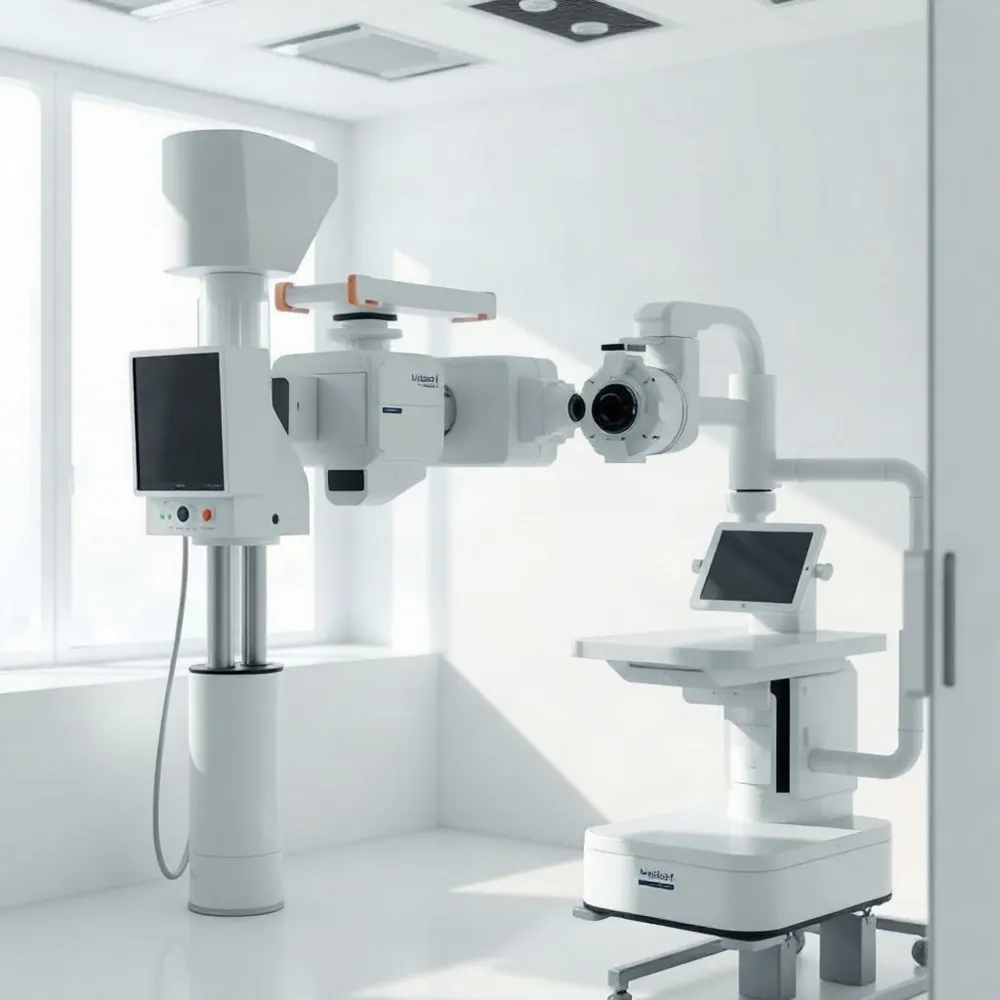 Recent advancements in corrective eye surgery have significantly enhanced precision, safety, and patient recovery times. A primary development is the use of customized eye mapping, such as wavefront and topography-guided systems, which create detailed, three-dimensional images of the eye to tailor treatments to each patient's unique structure. At Apple Eye Care, we integrate these sophisticated diagnostic tools to ensure every patient receives a personalized treatment plan designed for their specific visual requirements.
Traditional methods often relied on mechanical blades to create corneal flaps, but modern femtosecond lasers now provide a safer, high-precision alternative. By creating thinner, more consistent flaps, this technology minimizes surgical trauma and supports a faster, more comfortable recovery period. Compared to the blade-based techniques used in some older practices, the laser-assisted approach at Apple Eye Care delivers superior accuracy, allowing many patients to return to their normal routines within 24 to 48 hours.
The integration of artificial intelligence and machine learning represents a major leap in surgical planning. These systems analyze vast datasets to predict post-operative outcomes and assist surgeons in making precise, real-time adjustments. By leveraging these data-driven innovations, surgeons can now reduce common side effects like glare or halos, which remain a concern with older, less-customized procedures. This commitment to modern technology ensures that our patients benefit from the most effective and reliable vision correction options currently available.
Comparing LASIK and Implantable Contact Lenses
 Selecting the right vision correction procedure often comes down to how a specific technology interacts with your eye anatomy. While LASIK reshapes the cornea using precise laser pulses, an Implantable Collamer Lens (ICL) functions by adding a corrective lens directly into the eye.
How do modern refractive procedures like ICL compare to traditional LASIK?
The primary difference between these procedures is their mechanical approach. LASIK modifies the shape of the cornea to correct refractive errors, which is ideal for many patients but requires sufficient corneal thickness. In contrast, ICL surgery involves placing a biocompatible lens behind the iris, leaving the natural corneal tissue entirely intact.
For patients with higher prescriptions or thinner corneas who might not qualify for standard laser procedures, ICL offers a robust solution. Because the lens is implanted rather than removing tissue, the procedure is considered reversible. This feature allows surgeons to remove or exchange the lens if vision needs change significantly in the future. Furthermore, many modern ICL models include built-in UV protection, adding an extra layer of defense for internal eye structures.
At Apple Eye Care, we evaluate these factors through advanced diagnostics, such as our DRI OCT Triton imaging, to determine which method aligns with your ocular health. While laser procedures typically provide a faster return to daily activities for common refractive errors, ICLs can be a transformative choice for those with specific anatomical constraints. Our team works closely with you to weigh the permanent corneal changes of laser correction against the reversible nature of lens implantation, ensuring your path to better vision is both safe and tailored to your lifestyle.
Targeted Treatments for Astigmatism Management
Astigmatism occurs when the cornea or lens has an irregular curvature, causing blurred vision at all distances. While corrective lenses provide common relief, many individuals now turn to modern refractive procedures to achieve long-term clarity. At Apple Eye Care, our team utilizes advanced diagnostic imaging to create detailed maps of your eye, ensuring each treatment plan is precisely tailored to your unique corneal geometry.
What specific procedures are used to correct astigmatism?
Astigmatism can be effectively corrected through a variety of methods depending on the severity of the condition and the patient's individual needs. For many, the condition is managed using corrective eyewear, such as eyeglasses or contact lenses. When a more permanent solution is desired, refractive surgeries like LASIK are frequently utilized to reshape the cornea. In addition to these options, other surgical procedures such as PRK or the use of specialized intraocular lenses may be considered for patients who are not candidates for standard laser surgery. At Apple Eye Care, we provide comprehensive evaluations to help you determine which of these options is best suited for your vision goals.
Techniques like topography-guided ablation allow surgeons to treat complex astigmatism by addressing specific irregularities on the corneal surface. For patients whose anatomy makes surface reshaping less ideal, lens-based solutions such as toric intraocular lenses can provide stable, high-quality results. These advancements ensure that even those with irregular corneal shapes have access to effective, personalized vision correction.
Understanding Candidacy and Age Requirements
While the FDA requires patients to be at least 18 years old for vision correction surgery, age is not the only determining factor for candidacy. The most critical requirement is ocular maturity, as the eyes must reach a state of stable vision, typically demonstrated by no significant prescription changes over the previous 12 to 24 months. Beyond age and stability, candidates must undergo a comprehensive eye health assessment to evaluate corneal thickness, tear film quality, and the absence of underlying ocular diseases.
At Apple Eye Care, we prioritize these assessments using advanced diagnostic tools to map the eye's unique structure. While other practices may apply a one-size-fits-all approach to candidate selection, Dr. Applebaum and our team determine suitability through a personalized examination to ensure the procedure is safe and effective for your unique needs. This process is essential for identifying whether a patient is a candidate for procedures like LASIK or if alternative methods, such as those discussed in our analysis of modern refractive advancements, are more appropriate.
Lifestyle factors also play a decisive role in surgical planning. Patients who engage in contact sports, perform high-intensity physical activity, or have specific occupational requirements often benefit from tailored recommendations. Our team reviews these daily demands during your initial consultation to align your vision goals with the right refractive technology. By focusing on your specific health data and lifestyle, we ensure that your path toward clear vision is both deliberate and clinically sound.
Navigating Costs and Financial Considerations
Vision correction surgery, such as LASIK, is generally classified as an elective procedure and is typically not fully covered by standard medical or vision insurance plans. While some providers may offer limited discounts, patients often seek alternative financial strategies to manage out-of-pocket costs. At Apple Eye Care, we help patients leverage tax-advantaged accounts like a Health Savings Account (HSA) or Flexible Spending Account (FSA) to make these procedures more accessible.
How do costs vary between different types of vision correction procedures?
The total investment varies based on the specific procedure, the required technology, and your unique refractive needs. While standard laser treatments are effective, options like Refractive Lens Exchange (RLE) or Implantable Collamer Lens (ICL) procedures involve different surgical techniques and premium lens implants, which influence the final price point. When comparing quotes, it is important to confirm exactly what is included, such as follow-up appointments and potential enhancement sessions.
Beyond the immediate cost, many patients view these surgeries as long-term financial investments. While traditional clinics may focus strictly on the initial surgery, Apple Eye Care emphasizes the total value over time. Replacing a lifetime of recurring expenses for prescription glasses, contact lens supplies, and annual vision exams often makes modern procedures a more cost-effective choice for many of our patients.
Taking the Next Step Toward Clearer Vision
Modern vision correction does more than simplify your daily routine by reducing reliance on glasses or contact lenses. These advanced procedures represent a significant investment in long-term ocular health, providing durable results that often last for decades. Whether you are exploring options like LASIK or lens-based solutions, the primary goal remains enhancing your quality of life through precision technology.
Determining which treatment aligns with your specific anatomy requires a professional assessment. At Apple Eye Care, we prioritize personalized patient care by utilizing diagnostics like the DRI OCT Triton to evaluate your unique eye health. Dr. Stephen Applebaum and our dedicated team in El Paso, TX, are here to help you navigate these choices with compassionate, expert guidance.
Your path to clearer sight begins with a comprehensive consultation. By choosing a practice focused on your specific visual needs and lifestyle, you ensure that every step of the process is tailored to your goals. Visit www.appleeyecare.com today to schedule an exam and learn how we can help you achieve your best vision.