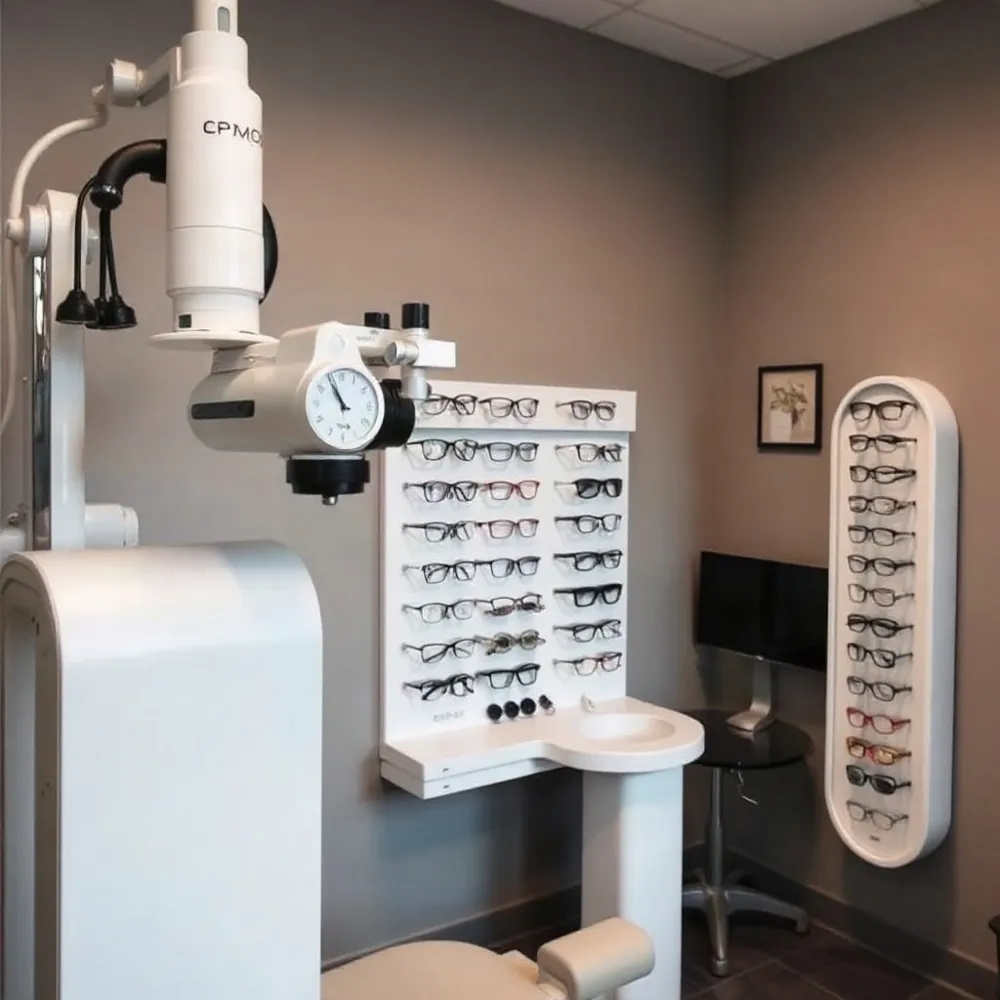
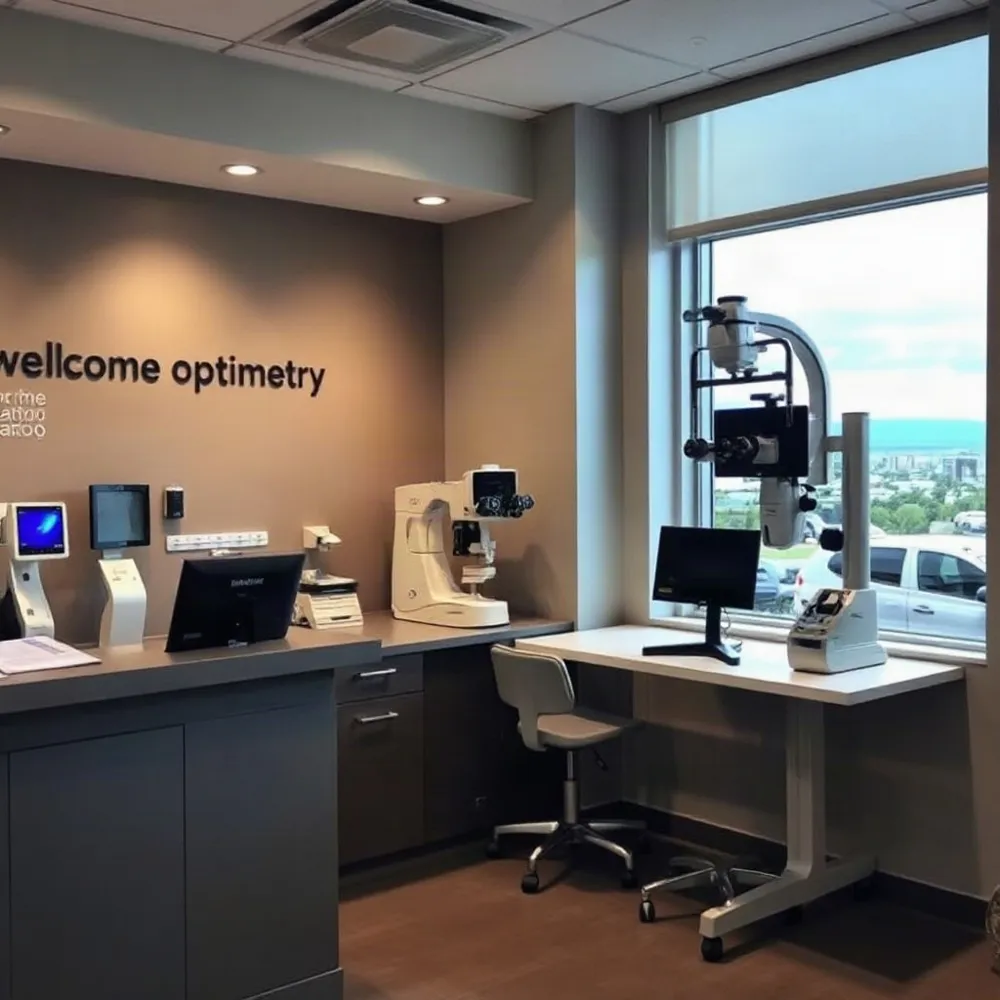
The Apple Eye Care Vision for Family Wellness
At Apple Eye Care, our philosophy in El Paso centers on treating patients as complete individuals rather than focusing only on immediate ocular symptoms. Dr. Stephen Applebaum and our team prioritize a patient-centered approach, ensuring that every examination considers how your lifestyle, systemic health, and environmental factors intersect to impact your long-term vision.
Traditional optometry often addresses eye issues in isolation, but we recognize that eye health is a vital window into your broader wellbeing. Research indicates that comprehensive eye exams can serve as essential diagnostic tools for identifying systemic conditions like hypertension, diabetes, and autoimmune diseases. By viewing care through a holistic lens, we help patients understand how nutrition, stress management, and sleep quality contribute to the stability of their vision.
Our practice differentiates itself by integrating advanced technology like the DRI OCT Triton with a compassionate, family-focused environment. While other providers may treat common conditions with temporary relief, we work to identify the root causes of issues such as dry eye disease or digital eye strain. This proactive stance helps our patients avoid the cycle of chronic medication use, favoring sustainable health solutions instead. Whether you are seeking specialized cataract management or a routine check-up, our team provides the personalized attention necessary to support your family across generations.
Understanding the Holistic Optometry Approach
 A holistic approach to optometry views the eyes as an integrated part of the entire body, mind, and nervous system rather than as isolated organs. Instead of focusing solely on correcting symptoms with prescriptions, this method seeks to uncover and treat the root causes of visual dysfunction. At Apple Eye Care, we apply this philosophy by evaluating how lifestyle factors like posture, stress levels, and daily habits directly influence how a patient processes visual information. By prioritizing prevention and personalized care, this method aims to enhance overall visual function and well-being rather than just achieving 20/20 clarity.
Addressing the Whole Person
Comprehensive eye exams serve as a vital window into systemic health, as practitioners can noninvasively detect conditions like diabetes, hypertension, and autoimmune diseases supporting eye health through a holistic approach to full- body health. While standard clinics might simply issue new lenses, our team works to integrate lifestyle modifications and stress management to address the underlying drivers of discomfort. This practice mirrors the emerging consensus in the field that the gut-eye axis and systemic inflammation play a critical role in chronic issues like dry eye syndrome.
By shifting focus from symptom management to root cause analysis, we help patients avoid the dependency on long-term medications that often characterizes conventional models. We emphasize that eye care is not just about the moment of the exam but about the preventive lifestyle choices made at home. This focus on long-term systemic health ensures that our patients in El Paso receive care that supports their longevity, rather than just immediate visual adjustments.
Why Family Eye Care Matters for Generations
Family eye care serves as a proactive strategy for maintaining long-term wellness by allowing optometrists to track vision changes across generations. When you bring your family to a practice like Apple Eye Care, our team in El Paso uses your shared history to identify hereditary risks earlier than they might appear in isolated check-ups. This lineage-based approach helps us monitor for conditions such as glaucoma or macular degeneration, where early intervention is vital to preventing permanent vision loss.
Beyond focusing solely on sight, comprehensive eye exams act as a diagnostic window into your systemic health. Optometrists can detect early signs of chronic issues like hypertension, diabetes, and autoimmune diseases often before they manifest elsewhere in the body. While many general practices provide standard screenings, the personalized care model at Apple Eye Care emphasizes consistent, routine monitoring for all family members to ensure that any systemic or ocular health shifts are caught in their earliest, most manageable stages.
Early Detection for Lifelong Success
Prioritizing vision health is especially important during childhood, as clear sight is a cornerstone of academic achievement and cognitive development. Undiagnosed vision issues can often mimic learning difficulties or behavioral challenges in the classroom. By establishing a culture of regular eye exams early in life, parents help provide children with the tools they need to succeed in school and beyond.
- Create a comprehensive family health history to share with your optometrist.
- Schedule annual exams for every family member to track longitudinal changes in eye structure and performance.
- Engage children in their own eye care to build healthy habits that last into adulthood.
- Utilize advanced diagnostics to establish a baseline of health that makes future deviations easier to spot.
Identifying Signs of Healthy Vision in Adults
Healthy eyes are typically characterized by clear vision without excessive straining, a white sclera, and the ability to focus comfortably on tasks at varying distances. A key sign of good health is the absence of chronic issues such as persistent dryness, itching, irritation, or frequent headaches related to vision. You should also have consistent visual performance in both bright and dim lighting without sudden blurriness or the appearance of abnormal flashes and floaters.
What are the common signs of healthy eyes in adults?
Beyond these baseline physical markers, true ocular wellness involves staying ahead of systemic health risks. Comprehensive eye exams serve as a diagnostic tool for systemic health issues, including diabetes, hypertension, and autoimmune diseases, per research from Optometry Times. While these indicators suggest good ocular health, many sight-threatening conditions remain asymptomatic in their early stages. At Apple Eye Care, we emphasize that regular, comprehensive professional eye exams remain the only definitive way to confirm that your eyes are truly healthy and to detect hidden concerns before they progress.
If you notice persistent changes or discomfort, those symptoms warrant a professional evaluation to rule out underlying conditions. For instance, dry eye disease often impacts sleep quality and productivity, yet it is frequently overlooked until it becomes chronic. Our team at Apple Eye Care utilizes advanced diagnostics to address such issues at their root, providing a higher level of precision compared to practices that only focus on symptom management.
Protecting Vision in a Digital World
 Maintaining long-term ocular health requires a proactive strategy that balances modern screen use with consistent protective habits. Many patients at Apple Eye Care discover that subtle lifestyle shifts make a significant difference in comfort and visual clarity throughout the workday.
How can I maintain 20/20 vision and reduce digital eye strain?
To maintain your vision and minimize digital eye strain, prioritize comprehensive dilated eye exams, which are essential for detecting early signs of disease that may not yet show symptoms. When working at a computer, follow the 20-20-20 rule: every 20 minutes, take a break to look at something 20 feet away for at least 20 seconds. This simple habit helps reset your focus and reduces the fatigue associated with prolonged near-work tasks.
- Keep your monitor at least an arm’s length away from your face to reduce accommodation stress.
- Ensure your screen brightness is adjusted to match the ambient lighting of your environment to prevent glare.
- Utilize high-quality artificial tears if you experience intermittent dryness or grittiness while working.
- Incorporate a diet rich in leafy greens, omega-3 fatty acids, and essential vitamins to support ocular surface integrity, as discussed in supporting eye health through a holistic approach to full-body health.
Beyond the screen, environmental hazards pose a significant risk to your long-term sight. Protecting your eyes from ultraviolet radiation is non-negotiable, as cumulative exposure is a known risk factor for cataracts and age-related macular degeneration. At Apple Eye Care, we emphasize that consistent use of sunglasses blocking 99% to 100% of UVA and UVB radiation is an essential defense. Whether you are outdoors or using digital devices, these foundational habits guard against systemic inflammation and preserve your visual quality for years to come.
Nutritional Foundations for Ocular Health
Your diet serves as the foundation for both systemic well-being and ocular integrity. At Apple Eye Care, we emphasize that what you consume directly influences your long-term vision, often acting as a primary defense against chronic eye diseases. Integrating nutritional counseling into your routine allows our team to help you target specific health markers that support the gut-eye axis.
What dietary habits negatively impact vision loss?
Dietary habits that contribute to systemic health issues are significant risk factors for vision loss. Consuming high amounts of simple carbohydrates, such as white bread and pasta, can lead to rapid blood sugar spikes, which are linked to an increased risk of age-related macular degeneration. Additionally, diets heavy in processed meats and excessive sodium often result in high blood pressure, potentially causing hypertensive retinopathy and damage to the delicate blood vessels in the eyes. Chronic inflammation from these unhealthy eating patterns can further exacerbate conditions like diabetes and cardiovascular disease, both of which are closely tied to long-term vision decline. Prioritizing whole grains and nutrient-dense foods over highly processed alternatives is a vital step in supporting your ocular and overall health.
To protect your vision, focus on evidence-based nutrient intake. Research from the AREDS and AREDS2 studies confirms that high-dose formulations of vitamins C and E, zinc, lutein, and zeaxanthin significantly slow the progression of advanced macular degeneration. At Apple Eye Care, we go beyond generic advice by helping you select supplements that actually work, ensuring you avoid ineffective products frequently pushed on social media.
- Incorporate fermented foods and high-fiber vegetables to foster a healthy microbiome, which helps modulate the systemic inflammation linked to dry eye syndrome.
- Stay consistently hydrated to support the ocular surface, as dehydration can aggravate chronic discomfort.
- Limit refined sugars to stabilize blood glucose levels, preventing the oxidative stress that damages retinal tissue over time.
The Power of Patient Feedback
Shared experiences among patients serve as a vital guide for clinical practice standards. When individuals share specific details about their interactions, they help shape a culture of transparency that benefits the entire community. At Apple Eye Care, we view every patient story as an opportunity to refine our personalized approach, ensuring that the care provided matches the individual needs of families across El Paso.
How can patients effectively share feedback or express appreciation for their eye doctor?
Patients can effectively express their appreciation by providing detailed online reviews that highlight specific aspects of their experience, such as the doctor's communication style, the thoroughness of the exam, or the helpfulness of the office staff. Beyond just a star rating, sharing a narrative about how the team addressed a personal need, whether it was managing a chronic condition like glaucoma or helping a child feel comfortable during a first exam, offers valuable context that helps others understand the quality of care provided. If you prefer a more personal touch, writing a sincere thank-you note to Dr. Applebaum and his team is a wonderful way to acknowledge their dedication and compassionate service. Providing this constructive, specific feedback not only reinforces positive experiences but also helps our practice continue to provide the best possible care for the El Paso community. We genuinely value your input, as it helps us understand what matters most to our patients and allows us to maintain the high standards you expect from Apple Eye Care.
Testimonials play a major role in building community trust. Many people rely on peer recommendations when choosing a healthcare provider, often valuing these personal accounts more than standard advertising. While some clinics may rely on broad praise, we believe that authentic testimonials reflect the reality of clinical outcomes. By describing specific improvements in vision or comfort after using our advanced tools like the DRI OCT Triton, patients provide future visitors with a clear expectation of the level of expertise they will encounter.
Specialized Care and Modern Technology
 Modern optometry has moved beyond basic vision correction, utilizing high-resolution tools that provide a deeper view of ocular health. At Apple Eye Care, we utilize the DRI OCT Triton to capture detailed images of the retina and optic nerve. This advanced diagnostic equipment allows us to monitor subtle changes associated with glaucoma and macular degeneration, offering a level of precision that older imaging technologies often miss. While some clinics rely on standard, lower-resolution screening tools, our commitment to this technology ensures that we can detect potential complications early.
Managing chronic conditions requires a combination of sophisticated hardware and a personalized treatment strategy. Many practices struggle to provide relief for persistent issues, but our approach integrates targeted therapies that address the root cause of discomfort. For patients suffering from dry eye syndrome, which can severely impact sleep quality and mental well-being, we offer specialized management plans that improve surface integrity and daily comfort.
Technological advancements have also transformed how we approach cataract surgery and lens replacement. Patients today have access to specialized options, including multifocal and Toric lenses, which can correct astigmatism and presbyopia simultaneously. By performing thorough pre-operative evaluations with our diagnostic tools, we ensure that every patient understands their options for restoring vision quality. This high level of integration between diagnostics and surgical planning is what defines the care experience at our El Paso practice, ensuring patients receive the same standard of expertise expected from major specialty centers.
| Specialty Area | Clinical Goal | Technological Approach |
|---|---|---|
| Diagnostics | Early disease detection | High-res DRI OCT Triton imaging |
| Cataract Care | Vision restoration | Advanced lens customization |
| Dry Eye | Chronic relief | Integrated surface therapy |
Commitment to Your Family's Vision
Achieving lasting wellness requires a transition from reactive symptom management to a proactive strategy that treats the individual as a whole. At Apple Eye Care, this philosophy integrates modern diagnostic precision with lifestyle-focused guidance, ensuring that every family member receives care tailored to their unique systemic health needs. Unlike practices that prioritize volume over personalized attention, our approach focuses on understanding the underlying environmental and nutritional factors that influence long-term ocular stability.
Prioritizing your eye health is a foundational step in preserving your overall quality of life. Research consistently shows that a holistic strategy, including the intake of nutrients like vitamins C and E, zinc, lutein, and zeaxanthin, is linked to a reduced risk of age-related macular degeneration. Whether managing chronic conditions or establishing a baseline for pediatric vision development, consistent professional oversight acts as a critical diagnostic tool. These examinations can detect systemic markers for hypertension, diabetes, and autoimmune disorders well before they manifest as severe visual complications.
Building a culture of health within your home starts with small, consistent changes. Simple habits such as monitoring blue light exposure, ensuring adequate time outdoors for children, and maintaining a nutrient-dense diet contribute significantly to systemic inflammation management. These adjustments are most effective when supported by evidence-based care, such as the formulations suggested by the AREDS and AREDS2 studies for patients at higher risk for macular changes.
We invite you to experience the difference that dedicated, comprehensive care makes for your entire family. By leveraging the advanced capabilities of the DRI OCT Triton for high-resolution imaging, our team provides the clarity needed to make informed decisions about your vision. We welcome new and returning patients to visit our clinic to discuss how we can support your journey toward optimal health. Let us help you protect your most valuable sense through expert guidance and a compassionate, family-first environment.