Why Glaucoma Treatment Matters
Glaucoma is a group of eye diseases that can damage the optic nerve and lead to permanent vision loss or blindness. It may progress before noticeable symptoms appear, so regular eye care and follow-up matter even when vision seems unchanged.
Treatment aims to lower pressure inside the eye and protect the vision that remains. It cannot restore vision already lost, which is why an eye doctor’s assessment and ongoing monitoring are central to care. Apple Eye Care provides glaucoma management alongside eye exams and advanced diagnostics, including DRI OCT Triton.
The main approaches are medication, laser procedures, and surgery, used alone or in combination depending on the type of glaucoma and the patient’s circumstances. Patients and their eye doctor can discuss the options and choose an individualized plan, as outlined by the National Eye Institute.
Living With a Glaucoma Diagnosis
 Glaucoma can damage the optic nerve without obvious early symptoms, and vision already lost cannot be restored. Treatment and regular monitoring can often slow further damage and help preserve remaining sight, but they cannot guarantee that the disease will stop progressing. Early detection and ongoing comprehensive eye exams give your eye doctor a chance to track changes and adjust care.
After diagnosis, ask what type of glaucoma you have, how the optic nerve is affected, and what treatment and monitoring schedule your doctor recommends. A comprehensive assessment may include pressure measurement, optic nerve imaging, visual-field testing, and examination of the eye’s drainage angle, as described in Mayo Clinic’s glaucoma diagnosis and treatment guidance.
Follow prescribed treatment and keep follow-up visits, even if your vision seems unchanged. At Apple Eye Care in El Paso, comprehensive eye exams and advanced diagnostics, including DRI OCT Triton imaging, can support individualized glaucoma monitoring. Write down questions or side effects to discuss with your eye doctor, and do not stop or change medication without medical guidance. The National Eye Institute’s information on glaucoma medicines also advises patients to use drops as prescribed and raise concerns with their doctor.
Medication and the Treatment Plan
Glaucoma care aims to lower pressure inside the eye and protect the optic nerve. Prescription drops are a common treatment: some help fluid drain, while others reduce how much fluid the eye produces. Depending on the type and severity of glaucoma, care may also include laser treatment or surgery, and some people need more than one approach. The National Eye Institute’s guide to glaucoma medicines explains how drops work and why they must be used as prescribed.
Different medicines can cause different effects. Prostaglandin analogs may cause redness or stinging, darkening of the iris or nearby skin, or eyelash growth. Beta blockers can affect heart rate, blood pressure, breathing, or energy. Alpha agonists may irritate the eye or cause dry mouth or drowsiness. Carbonic anhydrase inhibitors can sting or burn, while rho kinase inhibitors may cause redness or irritation. Combination drops put more than one active medicine in a bottle.
Some drops enter the bloodstream. Beta blockers such as timolol may slow the heartbeat, lower blood pressure, or affect breathing, so tell your eye doctor about health conditions and other medicines. Ask for advice about concerning symptoms, and do not stop prescribed drops without guidance. Apple Eye Care’s glaucoma management includes advanced diagnostics and care tailored to each patient’s eye health.
Using drops consistently matters, but irritation, cost, and other barriers can make that difficult. Report troublesome effects rather than changing the dose yourself. An eye doctor can review the medication plan and discuss whether another medicine or treatment may suit your needs.
Laser Choices and Expected Results
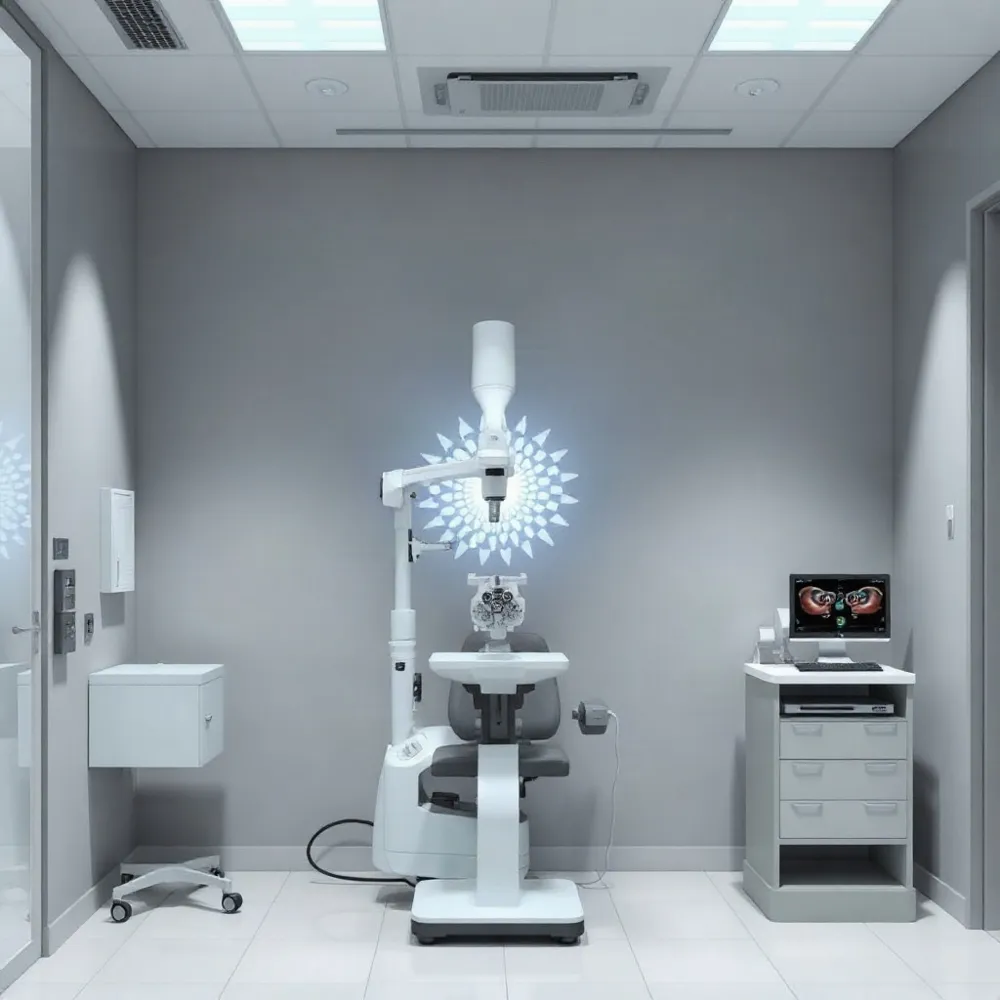 Laser treatment can lower eye pressure by improving fluid drainage or reducing fluid production. The appropriate procedure depends on the type of glaucoma and the eye’s anatomy, so an eye-care professional first assesses the individual eye. At Apple Eye Care in El Paso, glaucoma management includes advanced diagnostics and personalized care to help inform treatment decisions.
Selective laser trabeculoplasty (SLT) and argon laser trabeculoplasty (ALT) improve drainage through the trabecular meshwork and may be used for open-angle glaucoma. Laser peripheral iridotomy (LPI) instead creates a small opening in the iris to help fluid flow when the drainage angle is narrow. Cyclophotocoagulation reduces fluid production and is generally considered later, when other treatments are ineffective or unsuitable. The National Eye Institute’s overview of laser treatment describes these procedures as options selected according to the type of glaucoma.
Are eye drops or laser treatment better for glaucoma? Neither is best for everyone. Drops can lower pressure but require consistent use and may cause side effects; SLT is an initial option for some people with primary open-angle glaucoma. In the LiGHT trial, 74% of participants who started with SLT needed no additional drops to maintain target pressure at three years, according to BrightFocus Foundation’s review of the trial. Individual needs, health, and preferences still matter.
How effective is laser treatment, and can it be repeated? Pressure control and its duration vary, and benefits may fade. SLT may be repeated when it previously lowered pressure, but follow-up checks help determine whether another session is suitable. Some patients continue or later start medication, or need another procedure or surgery. Laser can help manage glaucoma, but it is not a cure.
Laser Treatment and Recovery
Laser treatment is usually done in the eye doctor’s office. The eye is numbed with drops, and a special lens helps direct the laser. You may see bright flashes, but most people feel little or no pain during the procedure, according to the National Eye Institute.
Afterward, temporary irritation, soreness, swelling, dryness, or blurry vision may occur. The laser can sometimes scratch the cornea or leave it very dry, and pressure may rise briefly after some procedures. Arrange a ride home. Many people can return to normal activities the following day.
Follow-up visits let the doctor check eye pressure and assess the result. Prescribed drops may help with discomfort or other effects. Laser treatment may not lower pressure enough, and its effect can fade, so medication, repeat treatment, or another procedure may be needed. Apple Eye Care’s glaucoma management includes advanced diagnostics such as DRI OCT Triton, alongside personalized attention from its care team. Ask your eye doctor which risks and warning signs apply to your procedure.
When Surgery Is Considered
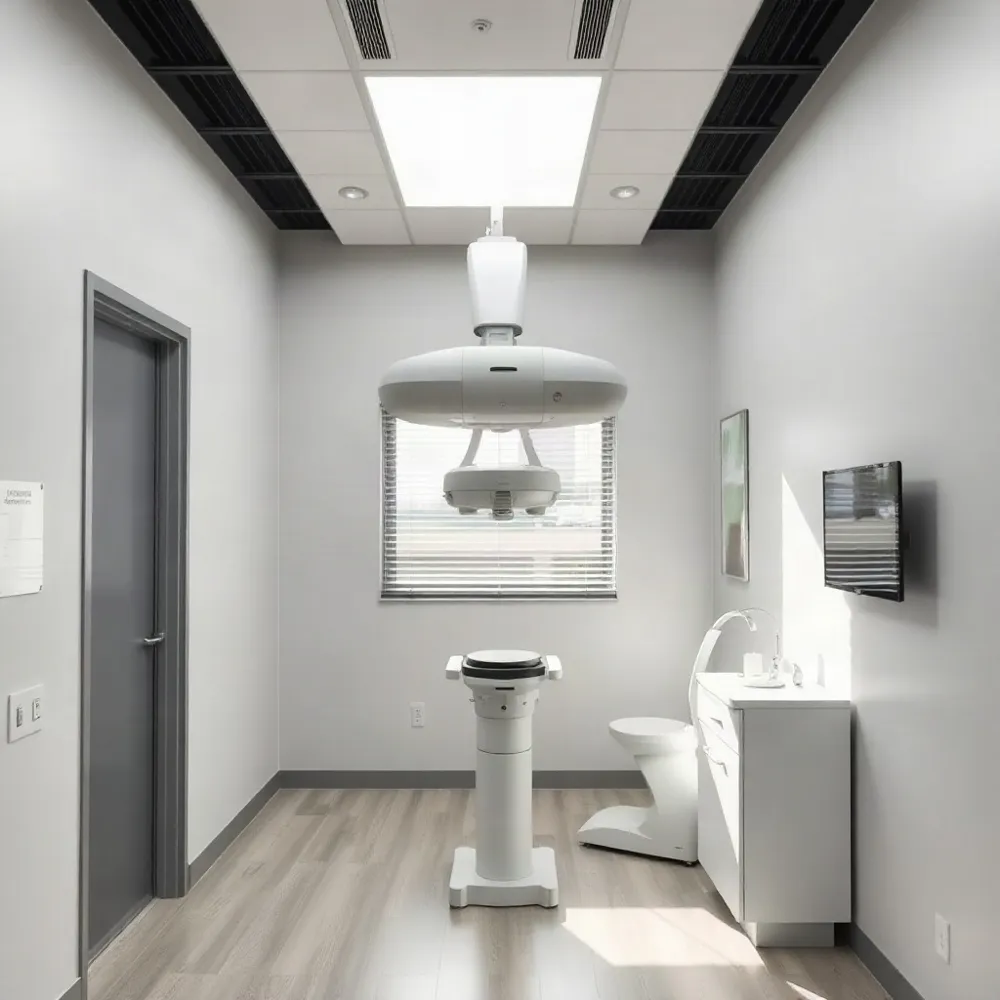 When medicines and laser treatment do not lower eye pressure enough, an eye doctor may recommend surgery. The aim is to improve fluid drainage and help protect the vision that remains, not restore sight already lost. Apple Eye Care provides glaucoma management and advanced diagnostic testing, including imaging with the DRI OCT Triton, to support ongoing assessment and care.
The National Eye Institute describes several surgical approaches: trabeculectomy creates a small opening to help fluid drain, implant surgery uses a tube or shunt, and minimally invasive glaucoma surgery (MIGS) may suit some people with mild glaucoma. The right option depends on the type and severity of glaucoma and the patient’s circumstances (National Eye Institute guidance on glaucoma surgery).
Risks and recovery needs vary by procedure. After surgery, prescribed drops, activity precautions, and follow-up visits help manage healing and monitor pressure. If pressure rises or the drainage pathway becomes less effective, further treatment may be needed. Discuss the specific benefits, risks, and recovery plan with the surgeon before deciding.
How is the cost of glaucoma laser treatment or surgery determined?
Costs depend on the procedure and its complexity, whether one or both eyes are treated, diagnostic testing, clinician and facility fees, and follow-up care. Insurance coverage also varies by plan and procedure, so there is no single estimate that applies to everyone. Before treatment, ask the provider for a personalized estimate of out-of-pocket costs and check benefits with the insurer.
Keep Care Individualized
Glaucoma care is ongoing; medication, laser, surgery, or a combination may suit different stages.
Apple Eye Care in El Paso offers personalized glaucoma management and DRI OCT Triton diagnostics.
Discuss options, side effects, costs, and follow-up, and keep scheduled pressure and vision checks.