Why Precision Matters for Your Contact Lens Experience
A contact lens fitting is a precise medical procedure that goes beyond a standard vision test. While standard off-the-shelf lenses serve many, approximately 23% of the patient population have corneal diameters that fall outside of common manufacturing ranges custom soft contact lenses 2023. Attempting to use generic lenses without professional guidance can lead to lens dropouts, blurred vision, or corneal surface damage.
At Apple Eye Care, Dr. Stephen Applebaum treats each fitting as a unique exercise in customization. Using advanced diagnostic tools like the DRI OCT Triton, the team measures corneal curvature, pupil size, and tear film quality to ensure every lens aligns with your specific eye anatomy. This data-driven approach contrasts with large retail chains that often rely on a one-size-fits-all model, which can overlook individual tear chemistry or irregular corneal shapes.
Beyond the initial measurement, the practice ensures long-term success through a trial period and follow-up visits. These steps verify that the lens material and fit remain optimal for your lifestyle, preventing complications like oxygen deprivation and chronic irritation. By focusing on these granular details, the team provides a level of comfort and visual acuity that standard retail prescriptions frequently miss.
Legal Requirements and the Importance of Annual Evaluations
 Contact lenses are classified as medical devices because they sit directly on the delicate surface of the eye. Federal regulations mandate a professional fitting process for every patient to ensure the specific lens material and design interact safely with the cornea. This requirement exists to mitigate the risk of serious complications, including chronic inflammation, severe infection, and oxygen deprivation, all of which can arise from a lens that does not align with your unique ocular anatomy.
Is a contact lens fitting required by law and why is it necessary annually?
The legal necessity of a fitting is rooted in patient safety, as improper lens parameters can cause physical damage to the corneal surface. At Apple Eye Care, this process involves meticulous measurements of corneal curvature, pupil size, and tear film quality that go far beyond a standard vision prescription. These diagnostics ensure that the selected lens provides appropriate tear circulation, which is critical for maintaining long-term ocular health.
Annual evaluations remain essential even for veteran wearers because the eye is a dynamic organ. Your tear chemistry, eyelid tension, and overall ocular shape can fluctuate over time due to environmental factors, health changes, or age. While some retailers may suggest that a long-standing prescription is sufficient, these one-size-fits-all approaches often ignore subtle physiological shifts that can lead to discomfort or reduced visual acuity.
Skipping your annual checkup places you at a higher risk of developing complications like corneal abrasions or microbial keratitis. During your visit, Dr. Stephen Applebaum and our team use advanced tools like the DRI OCT Triton to monitor these changes and verify that your current lenses continue to provide both comfort and safety. By prioritizing these yearly assessments, you protect your vision and ensure your contact lens experience remains tailored to your specific, evolving needs.
Advanced Diagnostics and the Premium Fitting Process
 A standard contact lens fitting typically focuses on basic, single-vision daily wear requirements. In contrast, a premium contact lens fitting provides a more intensive evaluation for patients with complex vision needs, such as those requiring multifocal, bifocal, or gas permeable lenses. At Apple Eye Care, this process goes beyond basic measurements by utilizing the DRI OCT Triton to map the eye with exceptional precision, ensuring every care plan is rooted in high-resolution, objective data.
What distinguishes a premium contact lens fitting from a standard one? A premium fitting involves advanced diagnostic procedures, including corneal topography and specialized tear film analysis, to confirm a precise fit for unique eye anatomies. Standard fittings may rely on basic curvature measurements, whereas premium services examine the eye's complete surface landscape. By prioritizing these granular metrics, a premium fitting helps mitigate long-term discomfort and complications, particularly for patients with specific vision challenges or irregular corneas.
While standard services aim to confirm general safety, the premium process at Apple Eye Care emphasizes deep personalization. Doctors evaluate how a trial lens centers over the cornea and moves during blinking, adjusting parameters like diameter or base curve to prevent lens-induced debris buildup or impaired oxygen exchange. This detailed diagnostic approach ensures the chosen material and fit align perfectly with the patient's lifestyle and ocular chemistry.
| Feature | Standard Fitting | Premium Fitting |
|---|---|---|
| Diagnostics | Basic curvature | Corneal topography |
| Lens Type | Single-vision | Multifocal or Custom |
| Precision | Estimated fit | Anatomic mapping |
Custom Soft Lenses for Unique Eye Anatomy
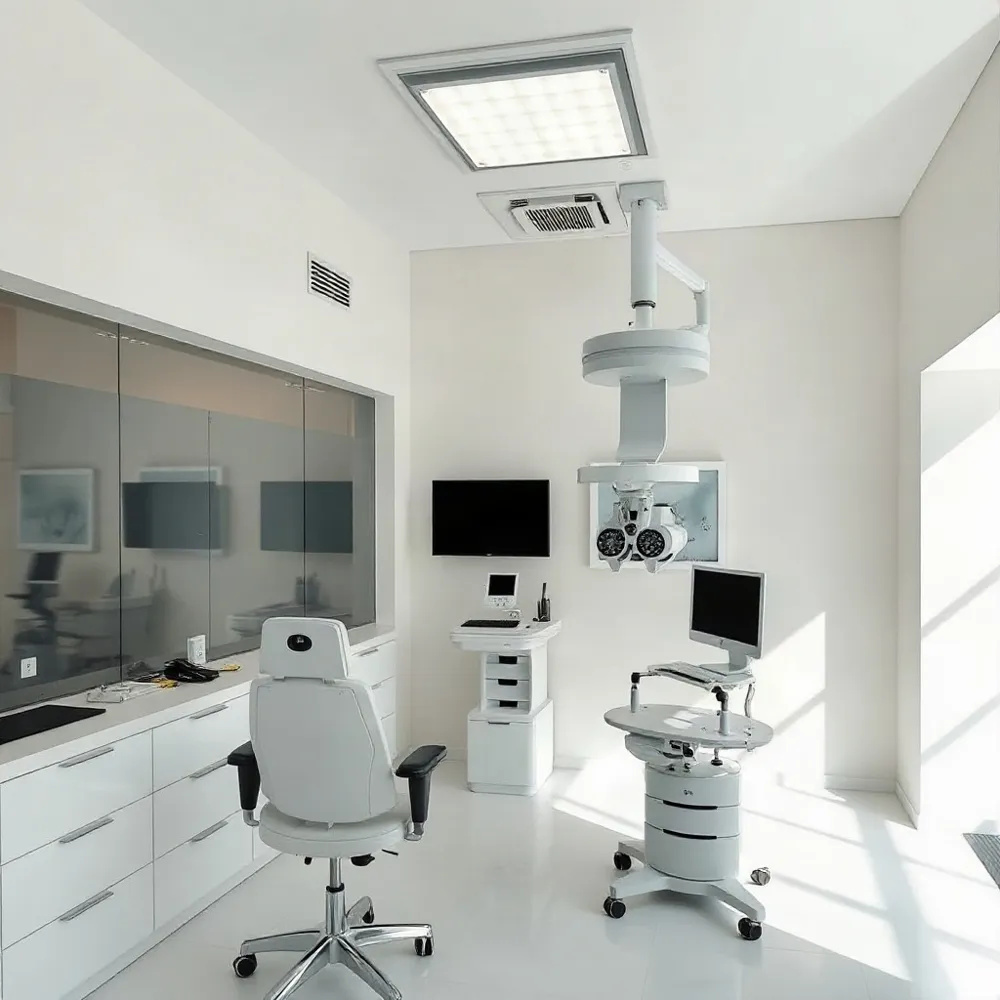 Standard mass-produced lenses rely on a one-size-fits-all model that fails to account for the anatomical diversity of the human eye. Research indicates that approximately 23% of the patient population have a Horizontal Visible Iris Diameter (HVID) outside the parameters offered by typical off-the-shelf options, making these individuals primary candidates for custom soft contact lenses. While many retailers rely on these standard designs, Apple Eye Care prioritizes precise anatomical matching to ensure both comfort and long-term ocular health.
The HVID is a critical measurement when determining the necessary sagittal depth of a lens. If a lens does not provide the correct depth, it can fail to center properly or cause discomfort. At Apple Eye Care, Dr. Stephen Applebaum utilizes advanced diagnostic tools to map the specific curvature of each patient's eye, ensuring the lens rests appropriately on the surface rather than merely sitting on top of it. This attention to detail prevents common issues like lens dropouts and chronic irritation, which often plague wearers who do not fit into standard manufacturing categories.
Custom designs offer significant advantages for patients presenting with irregular astigmatism. These specialized lenses can be engineered with increased center thickness to help mask the irregularities on the corneal surface that standard lenses cannot adequately address. While this modification requires careful balancing to maintain necessary oxygen transmissibility, it provides a functional alternative for patients who may find rigid or scleral lenses difficult to manage. By tailoring lens parameters to individual eye chemistry and topography, the practice ensures that vision correction remains stable, clear, and free from the degradation often associated with poorly aligned, generic options.
Specialized Lens Designs for Superior Visual Acuity
Achieving sharp vision often requires moving beyond standard lens designs to address unique ocular geometries. Specialized contact lenses improve visual acuity by addressing the specific refractive challenges caused by an irregularly shaped cornea or lens. At Apple Eye Care, we determine the most appropriate modality by using the DRI OCT Triton to analyze individual corneal topography, ensuring a precise match that mass-produced options cannot achieve.
How do specialized lenses like RGP, Scleral, and Toric lenses improve visual acuity?
Toric lenses utilize a specialized design to correct astigmatism, ensuring they remain stable and prevent rotation for consistently clear vision. For more complex cases, RGP (Rigid Gas Permeable) lenses offer a firm surface that provides crisp optical correction for those who cannot achieve sharp focus with soft lenses. Scleral lenses, which are large-diameter gas-permeable lenses, vault entirely over the cornea to create a fluid-filled reservoir that neutralizes irregularities and provides essential hydration for conditions like keratoconus or dry eye. By customizing the fit to the unique shape of each patient's eye, these specialized options ensure light focuses correctly on the retina, resulting in superior visual clarity compared to standard lenses.
Selecting the right design relies on detailed diagnostics such as measuring the Horizontal Visible Iris Diameter, or HVID. Research notes that approximately 23% of the patient population have corneal diameters outside the range that standard lenses are designed to fit, making them prime candidates for custom solutions cited in a 2023 study. While generic retailers often rely on off-the-shelf inventories, Apple Eye Care prioritizes these custom designs to resolve the persistent blur or discomfort that standard lenses may induce.
| Lens Type | Primary Application | Mechanism of Action |
|---|---|---|
| Toric | Astigmatism | Rotational stabilization |
| RGP | High refractive error | Firm, tear-masking surface |
| Scleral | Keratoconus/Dry Eye | Fluid-filled vaulting |
Optimizing Daily Comfort and Reducing Digital Eye Strain
Extended screen time frequently disrupts the natural blinking reflex, which is critical for maintaining lens hydration and comfort. For contact lens wearers, this reduction in blink rate often manifests as dryness, irritation, or blurry vision by the end of the day. Unlike generic retail solutions that often push a single lens type regardless of habits, Apple Eye Care prioritizes long-term ocular health by assessing your unique tear film and recommending specific materials, such as silicone hydrogel, to better manage moisture throughout your workday.
What is the 20-20-20 rule for contact lens wearers?
The 20-20-20 rule serves as a simple guideline to help mitigate the strain associated with prolonged digital device usage. It suggests that every 20 minutes, you take a 20-second break to gaze at an object at least 20 feet away. While evidence supporting the clinical efficacy of this habit in preventing vision changes is limited, it remains a common recommendation to encourage more frequent blinking and eye relaxation. By consciously pausing, you help replenish the tear film over the surface of your lenses, potentially reducing the sensation of grittiness often reported by office workers and gamers.
While regular breaks are helpful, persistent discomfort should never be ignored as it often indicates a need for a clinical adjustment. If you experience chronic redness, stinging, or vision that degrades after a few hours, it is time to consult our team. At Apple Eye Care, we evaluate the interaction between your specific lens geometry and your eye surface to determine if a change in lens design or a specialized moisturizing regimen is required. If your current lenses fail to provide lasting comfort, please contact our office for a professional evaluation to ensure your vision and eye health are fully protected.
Essential Hygiene and Sleeping Risks
Can I nap in my daily contact lenses?
It is not recommended to nap or sleep in your contact lenses, even for a short period. When your eyes are closed, your lenses restrict the vital oxygen flow your cornea needs to remain healthy, and reduced tear production during sleep can cause your lenses to dry out. This environment encourages the growth of bacteria and increases your risk of developing painful complications like corneal hypoxia or microbial keratitis. Even a brief nap can lead to discomfort, irritation, and potential vision-threatening infections. To keep your eyes healthy, please remove your lenses before resting and follow the personalized care instructions provided by Dr. Applebaum and our team.
Best Practices for Sanitation
Maintaining a clean lens case and using fresh solution every day are the foundations of eye safety. While some retailers encourage a one-size-fits-all approach to hygiene, we emphasize specific protocols tailored to your tear chemistry and lifestyle. Always wash your hands thoroughly before handling your lenses to prevent the transfer of oils or debris. If you experience persistent redness or discomfort, these are often early warning signs of improper hygiene or a lens fit that requires adjustment.
- Wash hands with soap and water before lens handling.
- Use fresh cleaning solution daily; never top off old fluid.
- Replace your contact lens case every three months to prevent bacterial accumulation.
- Adhere strictly to the wear schedule to ensure optimal oxygen transmission to the cornea.
Proactive Troubleshooting for Long-term Comfort
Achieving consistent comfort with contact lenses often requires a proactive approach to managing your ocular surface. If you experience persistent irritation or dryness, the first step is to ensure you are strictly following your personalized wearing schedule to prevent debris buildup. Incorporating doctor-approved, preservative-free artificial tears can provide essential moisture, while consistent intake of omega-3 fatty acids may improve tear film quality for some patients.
How can I improve comfort when wearing contact lenses?
If discomfort continues, your eye care provider may suggest transitioning to silicone hydrogel lenses. These materials are highly favored in modern fittings, accounting for 78% of global contact lens fittings in 2024, because they provide superior oxygen transmission to the cornea. At Apple Eye Care, we evaluate your tear film composition and corneal measurements using advanced diagnostics like the DRI OCT Triton to determine if your current lens material is effectively supporting your unique anatomy.
A non-negotiable step in maintaining long-term health is the follow-up appointment. This visit is essential because it allows the doctor to verify how the trial lens centers over your eye and how it moves during blinking. While many retailers offer a one-size-fits-all product, Apple Eye Care utilizes a dedicated trial period to assess lens alignment and comfort before finalizing your prescription. If your vision remains stable and clear during this trial, we can confirm the parameters are optimal for your daily lifestyle.
- Monitor for persistent redness or vision degradation after several hours of wear.
- Ensure lens movement is sufficient to allow for healthy fresh tear circulation.
- Address underlying dry eye conditions through personalized care plans rather than relying on over-the-counter masks.
- Schedule annual evaluations to account for natural changes in eye shape and tear chemistry.
Your Personalized Journey to Clearer Vision
Achieving long-term ocular comfort requires more than selecting a standard box of lenses. At Apple Eye Care, patients benefit from a personalized fitting process that contrasts sharply with the one-size-fits-all model used by mass-market retailers. By analyzing individual tear chemistry and corneal topography, Dr. Stephen Applebaum ensures that each lens choice aligns with your specific anatomy rather than settling for generic approximations.
Prioritizing your eye health is a proactive commitment. Since approximately 23% of the patient population have unique corneal dimensions requiring specialized lenses, custom soft contact lenses often provide the stability and clarity that off-the-shelf alternatives cannot match. These tailored options prevent complications like lens dropouts and chronic irritation.
Regular monitoring remains essential for every wearer. Because eye shape and tear quality fluctuate annually, booking an evaluation at www.appleeyecare.com confirms that your prescription remains safe, accurate, and comfortable. Take the next step toward a clear vision experience by scheduling your comprehensive assessment today.