Redefining Eye Care Through Personalized Clinical Partnership
The traditional model of eye care often treats patients as passive recipients of standardized prescriptions. In contrast, Apple Eye Care fosters an active partnership that transforms how patients engage with their long-term ocular health. By prioritizing shared decision-making, practitioners move away from uniform, retail-focused protocols to address the specific vocational and digital demands of every individual.
This shift toward a clinical partnership is essential for improving treatment adherence. Research published in Nature highlights that personalization and engaging digital methods significantly boost patient compliance compared to rigid, traditional approaches. At Apple Eye Care, this means aligning treatment plans with a patient's personal lifestyle and life goals rather than applying one-size-fits-all solutions.
Building a lasting connection requires consistent, professional guidance. Through regular diagnostic assessments and open communication, the team helps patients navigate the complexities of their vision, from early-stage management to chronic care. This bespoke approach ensures that care plans evolve alongside the patient, providing a clear path to sustained eye health.
Advanced Diagnostic Technology and Early Intervention
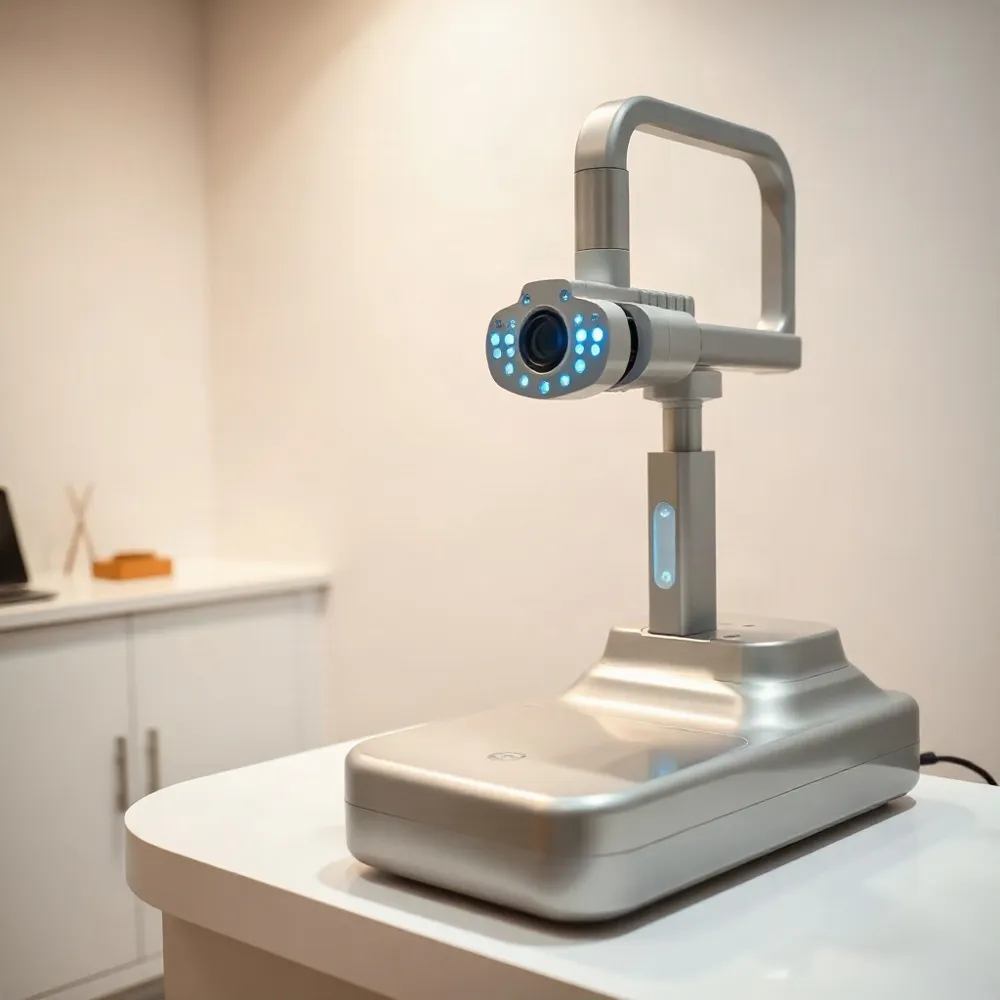
 Modern eye care is undergoing a significant transformation through high-resolution diagnostics like the DRI OCT Triton, which utilizes laser imaging to map the retina in extraordinary detail for early disease detection. Apple Eye Care incorporates this advanced technology into its standard clinical workflow, allowing for the precise analysis of ocular structures to identify conditions like glaucoma and macular degeneration earlier than ever before. While some retail-focused clinics rely on standardized screenings that may overlook subtle anomalies, the practice at www.appleeyecare.com prioritizes longitudinal health data to track individual ocular changes over time.
Early intervention remains the most effective strategy for preserving long-term sight, as up to 90% of vision loss is considered preventable when conditions are managed at their initial stages. High-resolution imaging serves as a foundational element of evidence-based practice, enabling clinicians to transition away from reactive, symptom-driven models. By using objective, data-rich diagnostic insights, optometrists can move beyond uniform treatment protocols to develop care plans that address a patient's specific health trajectory.
What are the latest technological advancements in modern eye care?
The field has increasingly integrated digital therapeutics and machine learning to analyze ocular structures, providing deeper insights than standard examinations allow. For instance, studies on dichoptic treatment demonstrate how personalized digital platforms can significantly improve visual outcomes and treatment adherence by balancing inputs between the eyes. At Apple Eye Care, this commitment to precision extends to managing the rising prevalence of digital eye strain through advanced ergonomics assessments. These technological leaps facilitate highly personalized care, ensuring that diagnostic and treatment plans are specifically tailored to an individual’s unique genetic factors and visual needs, rather than relying on one-size-fits-all solutions.
Customized Solutions for Individual Visual Demands
 Standardized eye prescriptions often fail to account for the unique environments where patients spend most of their time. At Apple Eye Care, Dr. Stephen Applebaum moves beyond one-size-fits-all lens protocols by analyzing a patient's specific vocational, digital, and domestic visual demands. This process transforms a routine eye exam into a strategic assessment that aligns visual correction with actual daily performance requirements.
Do glasses actually improve your eyesight over time?
Glasses do not permanently improve your anatomy or cure refractive errors like nearsightedness, but they act as critical corrective tools that focus light precisely onto the retina. While wearing the correct prescription prevents eye strain and headaches, relying on standardized retail models can often lead to persistent discomfort. In contrast, Apple Eye Care develops tailored vision strategies, including bespoke glasses, specialized contact lenses, or refractive management options, to ensure visual solutions are as dynamic as the patient's lifestyle.
Personalized care is especially vital for younger patients. Myopia control strategies, such as specialized contact lenses, are used to slow the progression of nearsightedness, which can reduce risks for high-prescription-related complications later in life. By moving away from static prescriptions, this adaptive approach ensures that vision support evolves alongside a patient's health history and changing daily habits. This methodology aligns with broader research, which shows that improved adherence and treatment outcomes occur when therapy is customized to individual needs rather than relying on uniform, high-volume interventions.
Evidence-Based Engagement and Therapeutic Efficacy
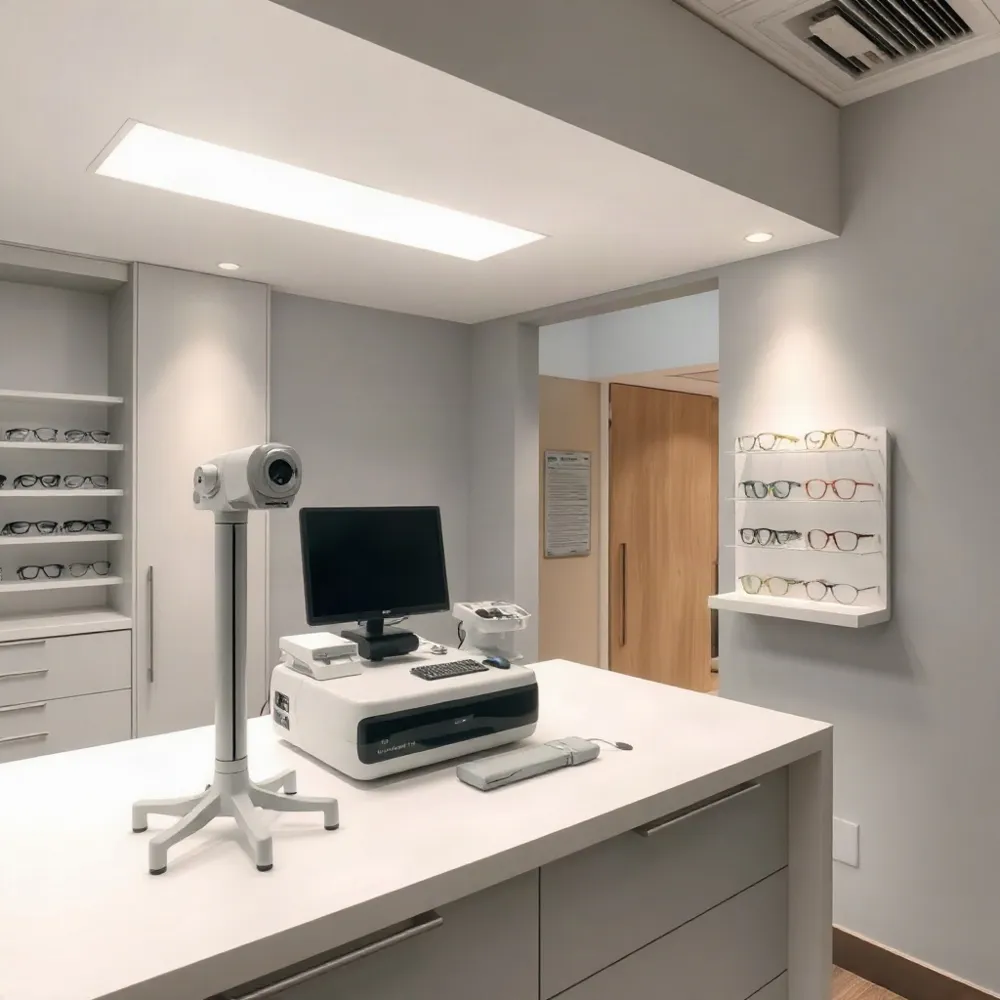 Moving beyond traditional models, a personalized clinical partnership transforms eye care from a passive experience into an active, collaborative journey. At Apple Eye Care, we prioritize shared decision-making to align medical plans with a patient's specific lifestyle, a strategy clinically shown to boost treatment adherence significantly. By discussing options directly, patients gain a clearer understanding of their health trajectory, which naturally lowers anxiety and builds the essential trust required for effective long-term condition management.
Modern digital therapeutics are redefining how we manage complex conditions like amblyopia. Research in Nature highlights that while traditional patching methods often suffer from high failure rates, personalized digital platforms that incorporate patient-selected content can achieve adherence rates of 78%. These tools utilize objective monitoring to provide clinicians with real-time insights, ensuring that therapies remain both engaging and effective. Unlike one-size-fits-all retail approaches, this data-driven method allows for precise adjustments as a patient's visual needs evolve.
How do vision therapy benefits compare to the clinical controversies surrounding its efficacy?
Vision therapy acts much like physical therapy for the eyes, offering structured exercises that can improve alignment and coordination in cases of convergence insufficiency. While certain treatments are supported by strong evidence, the broader medical community remains cautious regarding applications for developmental conditions where rigorous validation is absent. Some behavioral practices lack the standardized clinical data required for universal endorsement, leading to skepticism among ophthalmologists. At Apple Eye Care, we strictly prioritize evidence-based assessments to determine if therapy is a scientifically sound solution for your unique condition. This cautious, data-backed approach ensures that your time and effort are directed toward interventions with proven therapeutic value.
Proactive Lifestyle Management for Longevity
Long-term visual health is rarely the result of a single intervention. Instead, it is built upon a foundation of daily habits and systemic wellness that mirror the personalized care provided at Apple Eye Care. Just as the practice uses the DRI OCT Triton to monitor subtle ocular changes, patients should view their own lifestyle choices as data points in a larger, lifelong health strategy.
What is the 20-20-20 rule for eye health?
The 20-20-20 rule is a practical, easy-to-remember strategy designed to combat digital eye strain caused by prolonged screen time. The practice is simple: every 20 minutes of near-focus work, you should take a break to look at an object at least 20 feet away for a minimum of 20 seconds. This duration allows the muscles in your eyes to relax into a resting state while encouraging you to blink more frequently, which helps prevent dryness and irritation. Although the scientific evidence regarding its effectiveness is still evolving, major eye care organizations recommend this habit to help reduce symptoms like blurred vision, fatigue, and headaches. By incorporating these regular pauses into your daily routine, you can provide your eyes with the necessary relief they need during long hours of digital tasks.
Which dietary habits have the most significant impact on long-term eye health?
Long-term eye health is deeply connected to your cardiovascular system, making dietary habits that manage blood pressure and blood sugar essential. Consuming high amounts of simple carbohydrates, such as white bread and pasta, can lead to blood sugar spikes and an increased risk of age-related macular degeneration. Similarly, processed meats and prepackaged foods are often loaded with sodium, which can elevate blood pressure and lead to hypertensive retinopathy or damage to the retina’s blood vessels. Sugary drinks also pose a significant risk, as they are linked to the development of type 2 diabetes and subsequent diabetic eye conditions. To protect your vision, it is best to prioritize whole grains and low-sodium alternatives while consuming processed foods only in moderation.
Systemic health is a pillar of effective optometry. By maintaining regular appointments at www.appleeyecare.com, patients receive guidance tailored to their specific risk factors rather than generic advice. Digital therapeutics and evidence-based engagement have been shown to boost adherence significantly, with one study noting that personalized digital content can improve patient commitment to treatment by nearly 78% compared to traditional, rigid approaches. Proactive monitoring ensures that your visual system remains robust against the inevitable strains of modern, screen-heavy environments.
The Lasting Value of Independent, Tailored Optometry
Selecting an independent practice like Apple Eye Care offers a distinct advantage over high-volume retail chains. By focusing on a family-oriented, patient-centered approach, Dr. Stephen Applebaum ensures that care is never rushed or standardized. While retail providers often prioritize throughput, this independent model creates an active partnership, which researchers note significantly improves adherence and treatment outcomes.
Empowerment begins when patients understand their specific ocular risks and goals. Using precision diagnostics like the DRI OCT Triton, patients receive data-driven insights that translate into personalized, long-term health strategies. This continuity of care is vital, as early detection is a pillar of success, with up to 90% of sight loss considered preventable through timely intervention.
- Consistent tracking of ocular health prevents small changes from becoming major issues.
- Customized lens and vision solutions accommodate vocational and digital demands that standard protocols ignore.
- Professional guidance on insurance benefits ensures that financial coverage supports the highest quality of care rather than the lowest common denominator.