The Digital Shift in Eye Care Access
Modern patients increasingly view digital convenience as a standard requirement for healthcare. Research shows that 80% of consumers consider the availability of online scheduling when selecting a new provider. For many, the ability to book a visit without a phone call is essential, as nearly 25% of individuals will abandon the process if it is not as simple as making a restaurant reservation.
At Apple Eye Care, we integrate these digital conveniences to ensure every patient journey is as smooth as possible. By providing 24/7 access to our calendar, we allow patients to manage their eye health on their own terms. This digital shift not only improves accessibility but also enables our staff to focus on high-touch patient needs rather than manual coordination.
This article explores how modern tools like online booking, integrated digital intake forms, and patient portals transform the traditional visit. By combining these technologies with the professional expertise of our team, we create a seamless experience that respects your time while maintaining the compassionate, personalized attention that defines our practice.
Why Efficient Scheduling Matters for Your Practice
 Effective appointment management serves as the foundation for both operational efficiency and financial stability in modern eye care. When practices implement streamlined systems, they directly address the persistent challenge of missed visits. Research indicates that online appointment scheduling can significantly lower no-show rates compared to traditional telephone-based booking, often reducing them to as little as 1.8 percent.
At Apple Eye Care, we prioritize this digital accessibility because we understand that seamless scheduling is a primary driver of patient satisfaction. By minimizing friction during the booking process, we ensure that our providers can maintain a steady flow of patients throughout the day, effectively utilizing specialized resources like the DRI OCT Triton for diagnostic imaging without the delays associated with administrative bottlenecks.
Beyond reducing scheduling gaps, automated systems shift the role of our front-desk team. Instead of managing routine phone calls, staff can focus on high-touch patient interactions, such as personalized follow-up care and insurance verification. This shift toward digital efficiency allows for better resource utilization, ensuring that every minute spent in our El Paso office is dedicated to high-quality vision correction and clinical management.
24/7 Convenience: The Core of Online Booking
Modern patients expect the same digital autonomy in healthcare that they receive in retail and travel. By offering 24/7 self-scheduling, practices meet these expectations while allowing patients to book or modify appointments from any device, anytime. Data shows 60% of consumers prefer online scheduling over telephone coordination, and usage spans generations, with 99% of millennials and 92% of Baby Boomers likely to utilize self-service tools when offered according to Apple Eye Care.
What are the primary benefits of implementing an online appointment scheduling system?
Implementing an online appointment scheduling system provides significant benefits by allowing patients to conveniently book, reschedule, or cancel visits 24/7 without manual staff coordination. For medical practices, this automation reduces administrative burdens and frees up staff to focus on direct patient care rather than phone management. The software optimizes clinical workflows by synchronizing appointments with physician availability and treatment room capacity, which improves overall operational efficiency. Furthermore, digital scheduling is proven to reduce no-show rates through automated reminders, ensuring better continuity of care. Ultimately, these integrated tools enhance the patient experience while simultaneously maximizing revenue potential and resource utilization for the practice.
Prioritizing digital access is also a strategic move for growth. Approximately 80% of healthcare consumers cite the availability of online scheduling as a key factor when selecting a new provider per industry research. By adopting these technologies, clinics like Apple Eye Care stay competitive against national retailers, ensuring that patient convenience is built into the very first step of their clinical journey.
Slashing No-Shows with Automated Reminders
 Missed appointments represent a significant challenge for clinic efficiency, but data reveals that digital tools offer a proven solution. A study published in Frontiers in Digital Health found that no-show rates for online-booked appointments dropped to 1.8 percent, compared to 5.9 percent for those scheduled through traditional offline methods.
This drastic improvement stems from the inherent flexibility of digital platforms. When patients manage their own time through an online portal, they gain the ability to reschedule or cancel appointments with ease, which discourages the habit of simply not showing up. At Apple Eye Care, this digital autonomy pairs with automated SMS reminders sent 24 to 48 hours before a visit, a strategy research confirms is highly effective at reducing missed visits.
How can a medical practice effectively improve its patient scheduling process?
Practices can optimize their workflow by combining self-scheduling with automated recall systems. By regularly benchmarking no-show rates, teams can identify specific trends in their patient population and adjust policies accordingly. Clear communication regarding expectations for arrivals and cancellations further encourages accountability, ensuring that diagnostic resources like the DRI OCT Triton are reserved for patients who actively engage with their care.
Streamlining Front Desk and Clinical Workflows
The transition to digital scheduling tools fundamentally transforms office efficiency by moving away from time-intensive manual coordination. While traditional phone-based booking often requires eight minutes per appointment, digital systems can reduce this process to just one minute. This shift allows staff at practices like Apple Eye Care to move away from repetitive administrative cycles and dedicate more time to high-touch patient support.
Digital intake forms provide an additional layer of optimization by gathering essential medical histories and insurance details before the patient arrives. By utilizing required fields and validation rules, these forms improve overall data accuracy and prevent the common errors associated with manual entry or illegible handwriting. At Apple Eye Care, this pre-registration process directly minimizes in-office wait times and ensures that clinical time is used for care rather than clerical tasks.
Integrating these digital workflows with practice management systems creates a unified ecosystem that automates backend operations. This connectivity eliminates the need for manual data transfer, as patient information flows seamlessly from intake forms directly into clinical charts. By adopting such integrated platforms, clinics can maintain a higher standard of care while ensuring their internal processes remain lean and responsive to the needs of modern patients.
Empowering Patients Through Digital Portals
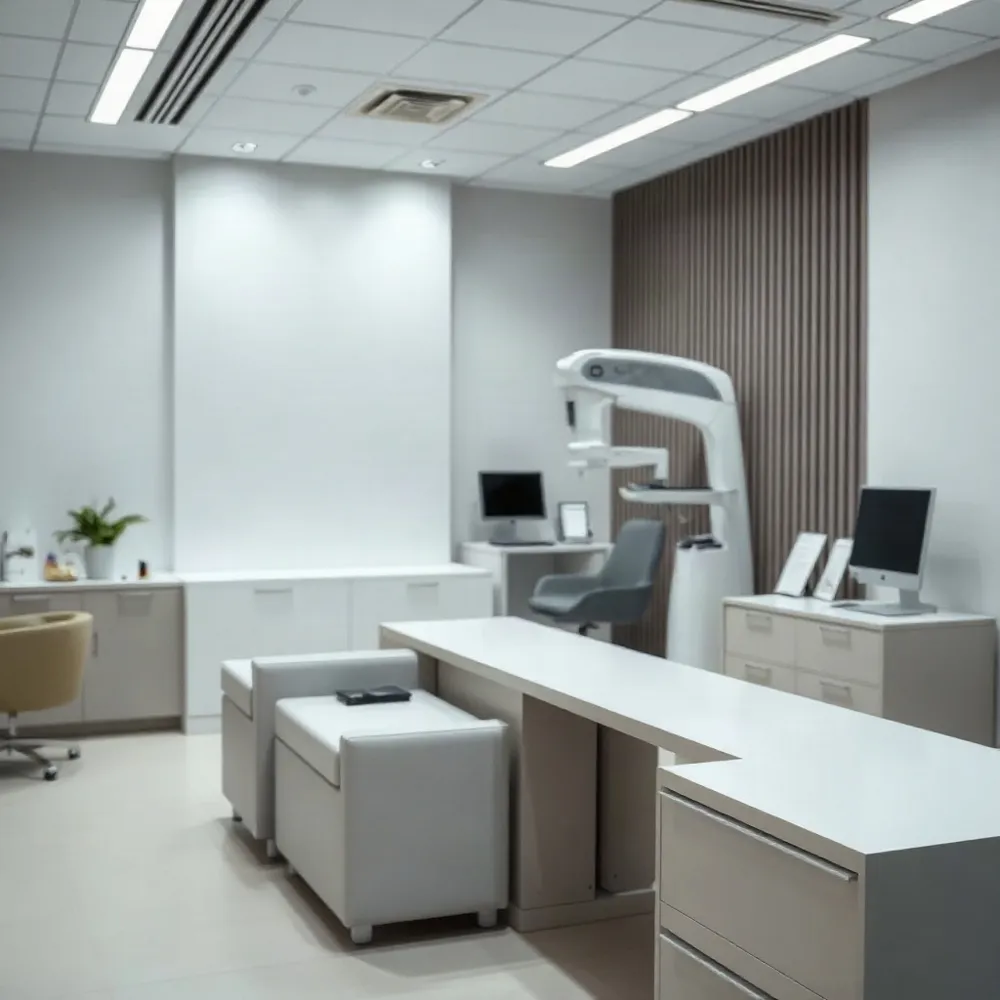 A patient portal serves as a secure, centralized hub that empowers individuals to take an active role in their healthcare by providing 24/7 access to personal medical information and services. Through this digital tool, patients can conveniently view test results, clinical notes, and their comprehensive medical history from any location per 2025 Frontiers in Digital Health findings.
How does a patient portal enhance a patient's access to their health information and services?
Beyond basic record access, these portals significantly streamline administrative workflows. Patients can complete registration forms and conduct insurance verification before arrival, which directly reduces time spent in the waiting room. At Apple Eye Care, this digital integration helps ensure that clinical data is ready for the doctor before the exam begins. This allows for a more focused and efficient diagnostic session, ensuring that high-tech equipment like the DRI OCT Triton is immediately ready for use.
The portal also fosters an informed, engaged patient-provider relationship by facilitating secure messaging for non-urgent inquiries. By reducing the reliance on manual telephone coordination, which research shows takes roughly eight minutes per interaction compared to one minute via digital tools, practices can devote more time to personalized care as noted by Kyruus Health. This combination of autonomy and direct communication ensures that patient satisfaction remains a priority while operational efficiency scales.
Integrated Systems: EHR and Diagnostic Connectivity
Modern Electronic Health Records, such as Compulink Advantage, support optometry practices by providing specialty-specific clinical workflows that go beyond generic documentation. These platforms incorporate refraction tools, contact lens templates, and eye-care-specific ICD-10 codes, ensuring that clinical staff can document complex visits with precision and speed.
Integration of diagnostic tools is a major force multiplier for efficiency. At Apple Eye Care, the use of the DRI OCT Triton diagnostic system benefits from direct software connectivity that syncs high-resolution retinal images straight into the patient's electronic chart. This seamless communication eliminates the need for manual data entry or toggling between disconnected software applications, which directly reduces time spent on administrative tasks and allows doctors more time for patient-facing care.
How do modern EHR systems like Compulink Advantage support optometry practices?
These comprehensive platforms act as all-in-one hubs that bridge the gap between clinical exams and optical shop management. By managing inventory, processing billing for both medical and vision insurance plans, and handling optical point-of-sale transactions within a single interface, practices can avoid the fragmented workflows common in older systems. Advanced features, such as automated patient communication and integrated online registration, further streamline front-office operations. Ultimately, these digital infrastructures reduce provider burnout and enable a higher standard of personalized care.
Maintaining the Human Touch in a Digital World
While digital tools offer immense convenience, their true value lies in how they augment, rather than replace, the provider-patient relationship. Technology should function as a bridge that enables more meaningful interactions, not a barrier to human connection.
At www.appleeyecare.com, the practice prioritizes this balance by using digital efficiency to reclaim time for compassionate, personalized care. By streamlining administrative tasks like scheduling, staff can focus on the nuance of each patient's vision concerns.
This focus remains vital because in-person exams are superior for addressing complex requirements such as astigmatism or progressive lenses, where precise optical measurements are critical. Clinical expertise is also essential for detecting health indicators like glaucoma or macular degeneration, which online diagnostic tools often fail to identify according to carecredit.com.
Competitive Edge: Attracting and Retaining Patients
Modern patients increasingly prioritize convenience when selecting a healthcare provider, making digital access a critical factor in practice growth. Data indicates that 80% of patients cite the availability of online booking as an important factor when selecting a new provider. At Apple Eye Care, this digital-first approach ensures that patients can secure their exams outside of standard business hours, directly addressing the nearly 25% of healthcare consumers who abandon the booking process if the system feels overly complex or manual.
Offering seamless digital scheduling serves as a primary differentiator against online eyewear retailers. While generic retailers focus on transactions, Apple Eye Care competes by pairing digital efficiency with the personalized clinical expertise required for comprehensive eye health. This strategy is reinforced by research showing that direct online scheduling through patient portals is associated with greater continuity of care. By combining this ease of access with flexible financing options, practices can better retain patients who might otherwise be tempted by the convenience of commodity-focused online alternatives.
Efficiency gains from these systems also directly benefit the patient experience. Integrating digital intake and scheduling allows for greater continuity of care, as the administrative burden is reduced for both the staff and the patient. This, combined with professional fitting services and advanced diagnostics, ensures that patients receive the high level of care they expect while enjoying the frictionless digital experience they demand.
A Brighter Future for Vision Care Access
The integration of online booking systems, automated patient forms, and secure portals has fundamentally reshaped how clinics like Apple Eye Care manage patient access. By providing 24/7 self-service scheduling and pre-visit digital intake, these tools significantly reduce administrative friction and improve data accuracy. Research confirms that online appointment scheduling effectively minimizes no-show rates, while integrated workflows allow staff to prioritize personalized clinical interactions over manual record-keeping.
Efficiency gains from digital adoption translate directly into a better patient experience. Patients gain the convenience they expect from modern services, and practices experience higher resource utilization by filling schedule gaps quickly. At Apple Eye Care, this commitment to blending advanced technology like the DRI OCT Triton with compassionate, human-centric care ensures that every patient receives the timely and personalized attention necessary for long-term eye health.