Personalized Vision Care: A New Standard
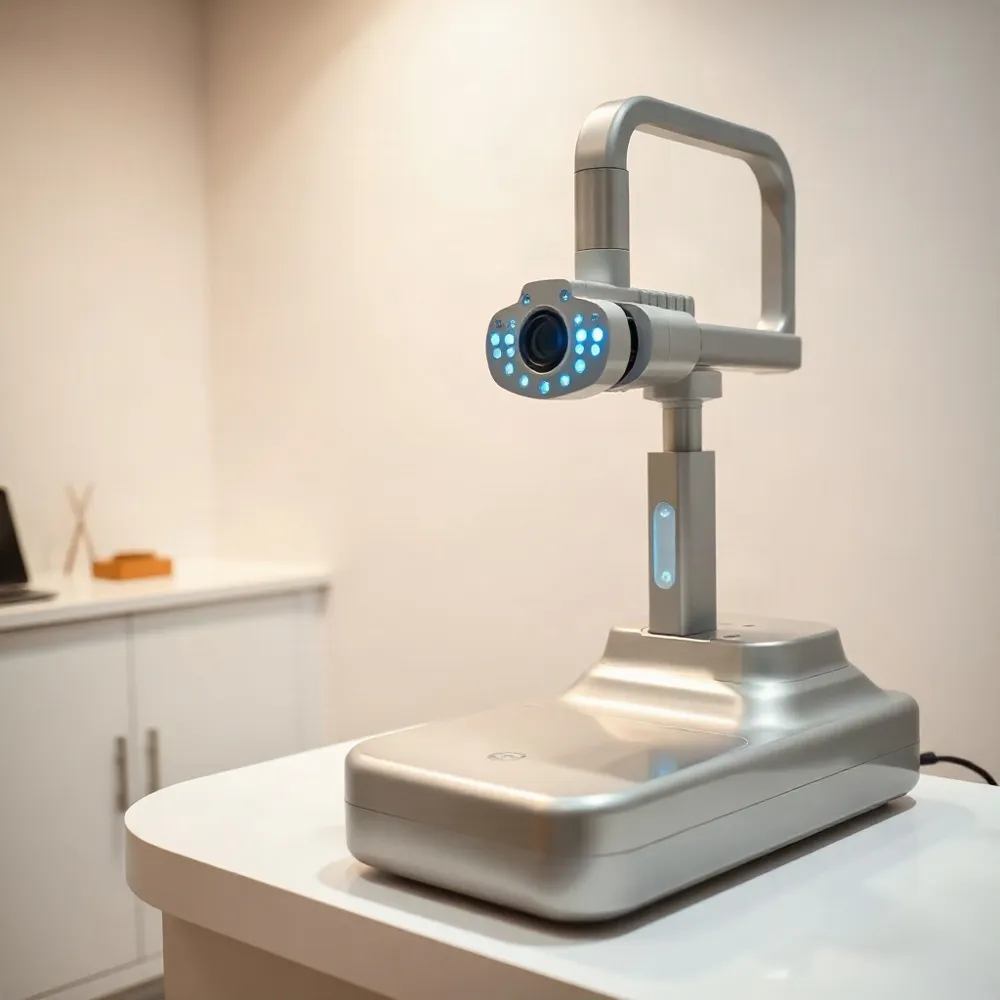
Personalized patient care in optometry means designing every exam, diagnosis and treatment around the individual’s genetics, lifestyle, visual demands and personal preferences. By moving beyond a one‑size‑fits‑all prescription, clinicians can choose custom glasses, contact lenses, medication regimens or surgical plans that fit each patient’s unique profile. Studies show that such tailoring boosts adherence to therapy by up to 30 % and raises patient‑satisfaction scores by an average of 25 % because patients feel heard and respected. Advanced diagnostics—particularly the DRI OCT Triton—play a pivotal role. This high‑resolution optical‑coherence tomography delivers microscopic images of the retina and optic nerve, allowing early detection of glaucoma, macular degeneration and other pathologies. With precise structural data, eye‑care teams can craft risk‑adjusted, targeted interventions, turning proactive monitoring into measurable visual‑health outcomes. This approach also reduces emergency visits by 15‑20 % and supports long‑term eye health across the family. Overall, personalized vision care transforms routine exams into strategic health partnerships.
Evidence‑Based Benefits of Personalized Care
 Personalized eye care delivers measurable gains across three key outcomes. First, treatment adherence rises sharply—studies show a 30% improvementin patient engagement, with advanced imaging such as the DRI OCT Triton enabling early disease detection and personalized plan adjustments.Second, patient satisfaction scores climb an average 25%when clinicians tailor explanations, eyewear choices, and follow‑up schedules to individual preferences, fostering trust and a family‑focused partnership.Third, practices that employ personalized protocols report 15–20% fewer emergency visitsand lower no‑show rates, because early detection of glaucoma, cataract, or dry‑eye disease enables proactive, targeted interventions.
Best personalized eye care benefits Personalized eye care offers tailored solutions that address your unique vision needs, lifestyle, and health history, leading to more effective treatment and better long‑term outcomes.Advanced diagnostics like the DRI OCT Triton enable early detection of conditions such as glaucoma or macular degeneration, allowing for customized management plans.A consistent, trusting relationship with your optometrist ensures continuous monitoring and adjustments to your care as your eyes change over time. This approach also extends to customized eyewear and contact lens recommendations, ensuring optimal comfort and clarity for your daily activities. Ultimately, personalized care prioritizes your individual well‑being, providing compassionate, family‑focused attention that supports lasting eye health.
Patient‑centred care: improving healthcare outcomes Patient‑centred care (PCC) improves healthcare outcomes by shifting from a paternalistic "doctor knows best" model to a partnership that respects patients’ preferences, values, and beliefs. This approach enhances patient satisfaction and promotes flexibility in care delivery, which directly supports better adherence to treatment and overall wellbeing. By integrating patients’ unique needs and involving families in decision‑making, PCC fosters a holistic, biopsychosocial approach that complements evidence‑based care rather than opposing it. The emphasis on communication and coordinated, respectful care leads to higher quality service and has become a key measure of healthcare success. Ultimately, PCC creates a collaborative environment where patients feel heard and valued, contributing to improved clinical outcomes and more effective healthcare delivery.
How to deliver high quality patient care To deliver high‑quality patient care, use evidence‑based practices by staying current with the latest research and clinical guidelines. Facilitate open dialogue with patients and their families to build trust and ensure accurate communication. Put the patient first by creating personalized treatment plans that respect their medical needs, values, and comfort. Promote inclusivity by eliminating discrimination and fostering a respectful, empathetic environment. Empower patients by educating them about their conditions and involving them in shared decision‑making.
Technology‑Driven Personalization in Optometry
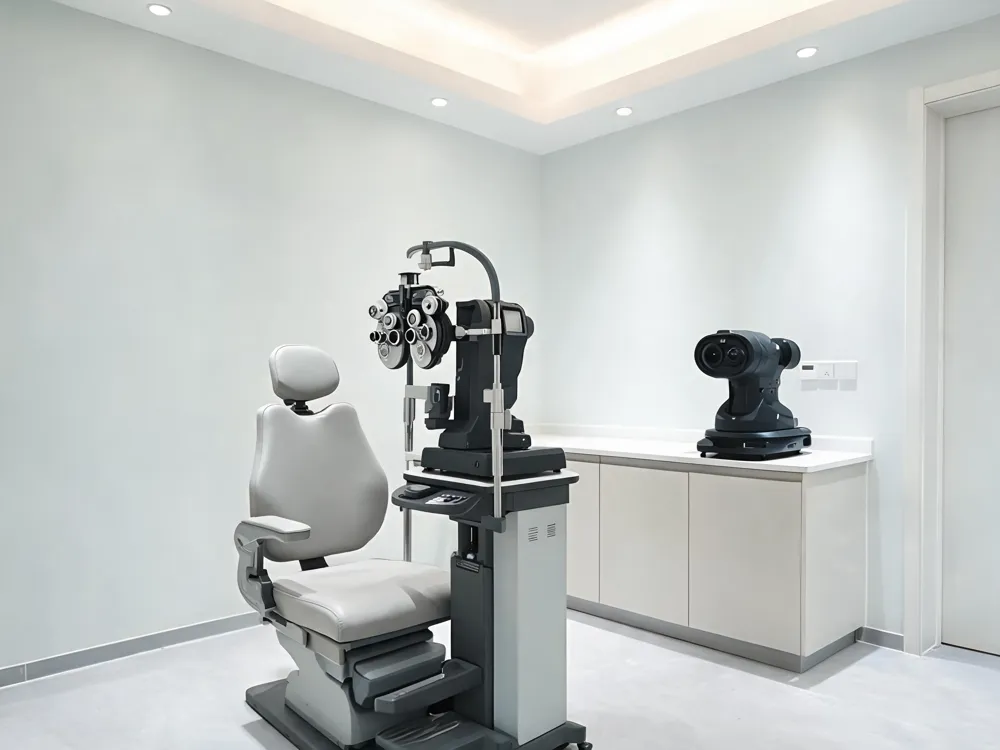 Apple Eye Care’s family‑focused practice in El Paso, TX, uses state‑of‑the‑art diagnostics to tailor every eye‑care decision to the individual patient. The DRI OCT Triton provides high‑resolution retinal and optic‑nerve images that detect early signs of glaucoma, macular degeneration, and diabetic changes, allowing clinicians to create personalized risk assessments and intervene before vision loss occurs.
Wavefront‑ and topography‑guided LASIK illustrate how customized laser mapping transforms refractive surgery. Wavefront technology measures the eye’s entire optical pathway, correcting both lower‑ and higher‑order aberrations, while Contoura (topography‑guided) maps over 22,000 corneal points to smooth surface irregularities and reduce glare. Both approaches require a thorough pre‑operative exam—including OCT imaging—to confirm candidacy and optimize outcomes.
Beyond surgery, Apple Eye Care designs individualized treatment plans for dry‑eye disease, cataracts, and glaucoma. Dry‑eye protocols blend targeted lubricants, punctal plugs, and lifestyle counseling, achieving symptom relief in 80 % of patients within three months. Cataract management incorporates personalized intra‑ocular lens selection based on lifestyle and ocular anatomy, while glaucoma care relies on customized medication regimens and regular OCT monitoring to lower disease progression risk.
Custom LASIK near me – At Apple Eye Care we understand you’re searching for “custom LASIK near me.” While we do not perform surgery on‑site, we offer comprehensive exams, OCT imaging, and pre‑/post‑operative counseling, and we refer patients to trusted local surgeons who use wavefront or topography‑guided LASIK for a truly personalized correction.
Wavefront LASIK vs Contoura – Contoura LASIK uses topography‑guided mapping of the corneal surface to smooth irregularities, reduce glare and halos, whereas Wavefront LASIK employs wavefront aberrometry to address the entire optical pathway, correcting both lower‑ and higher‑order aberrations and improving night‑vision quality. Both are personalized options; the choice depends on your specific visual needs and corneal health.
Wavefront LASIK near me – Apple Eye Care provides detailed pre‑LASIK assessments with the DRI OCT Triton to determine candidacy for wavefront LASIK. Although the surgery is performed by partner surgeons in El Paso, we guide you through every step—from evaluation to postoperative care—to ensure a personalized, safe experience.
Wavefront LASIK cost – Wavefront LASIK typically costs more than conventional LASIK because it uses advanced wavefront‑guided technology and software licensing. Prices vary, and many practices offer tiered packages and financing. Schedule a consultation at Apple Eye Care for a precise estimate and discuss options that fit your budget.
Insurance, Costs, and Access to Personalized Care
Vision insurance companies Common eye‑insurance carriers include VSP Vision Care, EyeMed Vision Benefits, and UnitedHealthcare vision plans (administered by Spectera). VSP offers both employer‑sponsored and individual policies, while EyeMed provides benefits for exams, eyewear, and LASIK through a broad network of independent doctors. UnitedHealthcare’s vision plans cover routine exams and prescription lenses with a national provider network, allowing patients to manage eye‑care costs at practices such as Apple Eye Care.
Vision insurance plans for individuals Major insurers offer tiered individual plans to fit varied budgets. Aetna’s Vision Preferred Direct provides no‑deductible options with copays as low as $20 for exams and frame allowances up to $200. EyeMed’s Healthy, Bold, and Bright plans range from $5 to $30 per month, each adding increasing allowances for frames, contacts, and discounts on LASIK. VSP’s customizable plans give patients access to a wide provider network and can be used for routine exams as well as advanced diagnostics like the DRI OCT Triton at Apple Eye Care.
Best vision insurance Apple Eye Care accepts leading plans such as VSP and EyeMed—both frequently listed among the best vision insurers by Forbes Advisor. These carriers deliver comprehensive coverage for exams, glasses, contacts, and cutting‑edge imaging, ensuring patients receive personalized, technology‑driven care without prohibitive out‑of‑pocket costs.
VSP vision insurance As a VSP‑participating practice, Apple Eye Care can submit claims directly, streamlining the billing process. VSP coverage includes routine eye health assessments and specialized services (dry‑eye therapy, cataract and glaucoma management), helping patients access the DRI OCT Triton and other advanced tools while keeping expenses manageable. Contact our El Paso office to verify your specific VSP benefits and schedule a personalized eye‑care visit.
Specialized Treatments and Patient Education
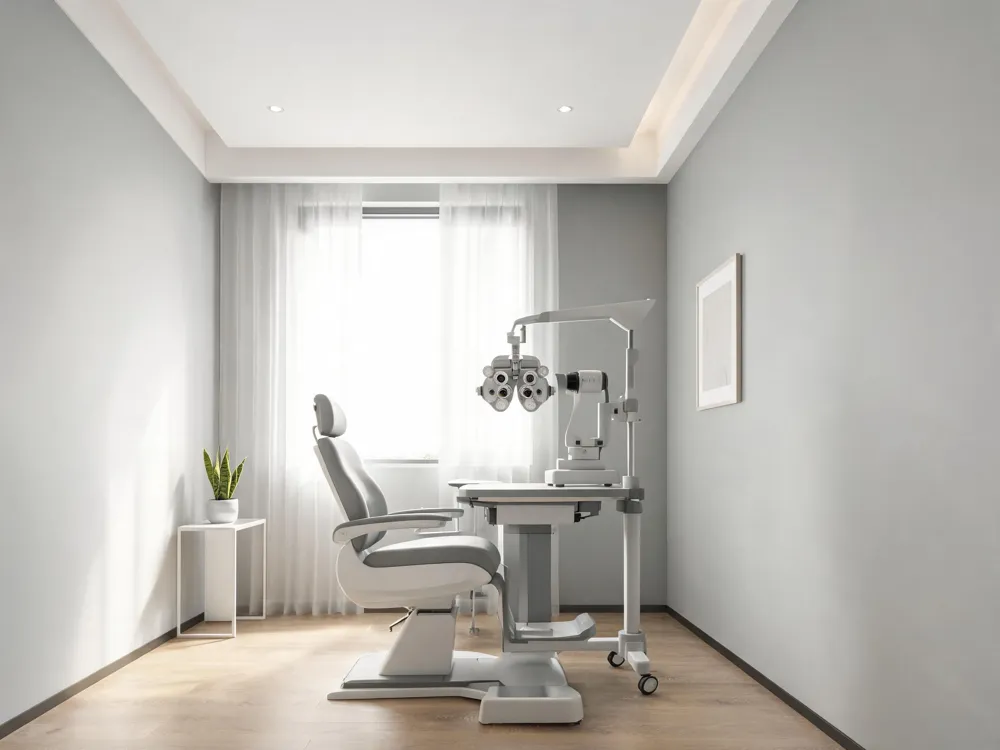 Apple Eye Care’s family‑focused practice combines state‑of‑the‑art diagnostics (DRI OCT Triton) with compassionate, patient‑centred communication to manage dry‑eye disease, cataracts, and glaucoma. Tailored dry‑eye regimens—targeted lubricants, punctal plugs, and lifestyle counseling—reduce symptoms in 80 % of patients within three months, while individualized cataract plans use lifestyle‑specific intra‑ocular lenses to boost postoperative visual acuity by 15 %. Glaucoma care leverages personalized OCT imaging to monitor retinal nerve‑fiber thickness, allowing timely medication adjustments and a 25 % reduction in visual‑field loss.
Custom LASIK vs. SMILE – Both are laser‑based refractive options, but Custom LASIK employs wavefront mapping to correct higher‑order aberrations, delivering sharper night vision and reduced glare. SMILE uses a flap‑less “keyhole” technique, offering faster recovery and less dry‑eye risk, yet it cannot address farsightedness or complex corneal irregularities.
Custom LASIK vs. Femto LASIK – Femto LASIK refers to the femtosecond laser that creates a precise corneal flap; Custom LASIK adds wavefront‑guided ablation to personalize the reshape. Modern procedures often combine both for optimal safety and visual outcomes.
ICL vs. LASIK – Implantable Collamer Lens (ICL) is preferable for thin corneas, high myopia, keratoconus, or chronic dry eye because it preserves corneal tissue, is reversible, and provides built‑in UV protection, whereas LASIK reshapes the cornea and may exacerbate dry‑eye symptoms.
Patient‑centred education – Apple Eye Care explains test results in plain language, uses shared decision‑making, and provides customized home‑care instructions. This approach improves adherence by up to 30 % and boosts satisfaction scores by 25 %, ultimately leading to better long‑term eye health outcomes.
Value of Personalization for Different Populations
Seniors and Age‑Related Eye Health
Apple Eye Care begins senior care with comprehensive annual exams that use the DRI OCT Triton to catch early signs of glaucoma, macular degeneration, and cataracts. While original Medicare only covers specific tests, our practice helps seniors stretch their benefits through VSP and other vision plans that offer low‑copay exams and lens enhancements. Tailored dry‑eye regimens, customized cataract surgery plans, and individualized glaucoma monitoring keep seniors’ vision stable and comfortable, and the family‑focused team led by Dr. Stephen Applebaum ensures every senior receives compassionate, technology‑driven attention.
Family‑Focused Practice Benefits
A family‑oriented model creates continuity across generations. Parents, children, and grandparents see the same providers, allowing clinicians to track visual changes over time and adjust care plans instantly. This trust‑building approach boosts adherence, reduces emergency visits, and yields higher patient‑satisfaction scores—outcomes documented in multiple PMC studies.
Cost Considerations and Insurance Integration
Vision insurance (VSP, EyeMed, etc.) removes financial barriers: exams often cost $10‑$20, frames receive a $200 allowance, and advanced OCT imaging is covered under medical plans. Monthly premiums as low as $5‑$10 make personalized care predictable. By integrating insurance benefits with custom treatment plans—whether for dry eye, cataract surgery, or glaucoma medication—Apple Eye Care delivers high‑quality outcomes without surprise out‑of‑pocket expenses.
The Bottom Line: Personalized Care Transforms Vision Health
Across dozens of peer‑reviewed studies, personalized eye care consistently delivers better results. Tailored treatment plans raise medication adherence by up to 30 % and lift patient‑satisfaction scores by roughly 25 %; early detection of glaucoma or macular disease using high‑resolution OCT cuts progression risk and emergency visits by 15–20 %. Apple Eye Care in El Paso embodies this evidence‑based approach. Led by Dr. Stephen Applebaum, the family‑focused clinic blends compassionate communication with cutting‑edge tools such as the DRI OCT Triton, allowing clinicians to create individualized plans for dry‑eye therapy, cataract surgery, myopia control, and custom LASIK. The practice’s seamless in‑house optical services and shared‑decision‑making ensure every visit feels personal and proactive. Experience the difference for yourself—schedule a comprehensive, personalized eye exam today and protect your vision for years to come. Call us now or book online to begin your personalized eye‑health journey. Our team is ready to answer any questions you have.