Why Early Eye Care Matters
A child may not say that vision is blurry because they may not know what clear vision should look like. Some eye problems also have no obvious signs, so a child can seem comfortable even when one eye is not seeing well.
Vision develops throughout childhood. When a problem goes unnoticed, it can affect visual development as well as learning and social progress, according to research on pediatric vision screening. Early attention can help identify children who need further evaluation.
A comprehensive pediatric eye exam assesses vision and eye health. A screening at school or a well-child visit is a useful early check, but it does not diagnose a condition or replace a full exam when concerns arise. At Apple Eye Care in El Paso, comprehensive optometry services include eye exams and advanced diagnostics, supporting a closer assessment than screening alone.
A Schedule Beyond Screening
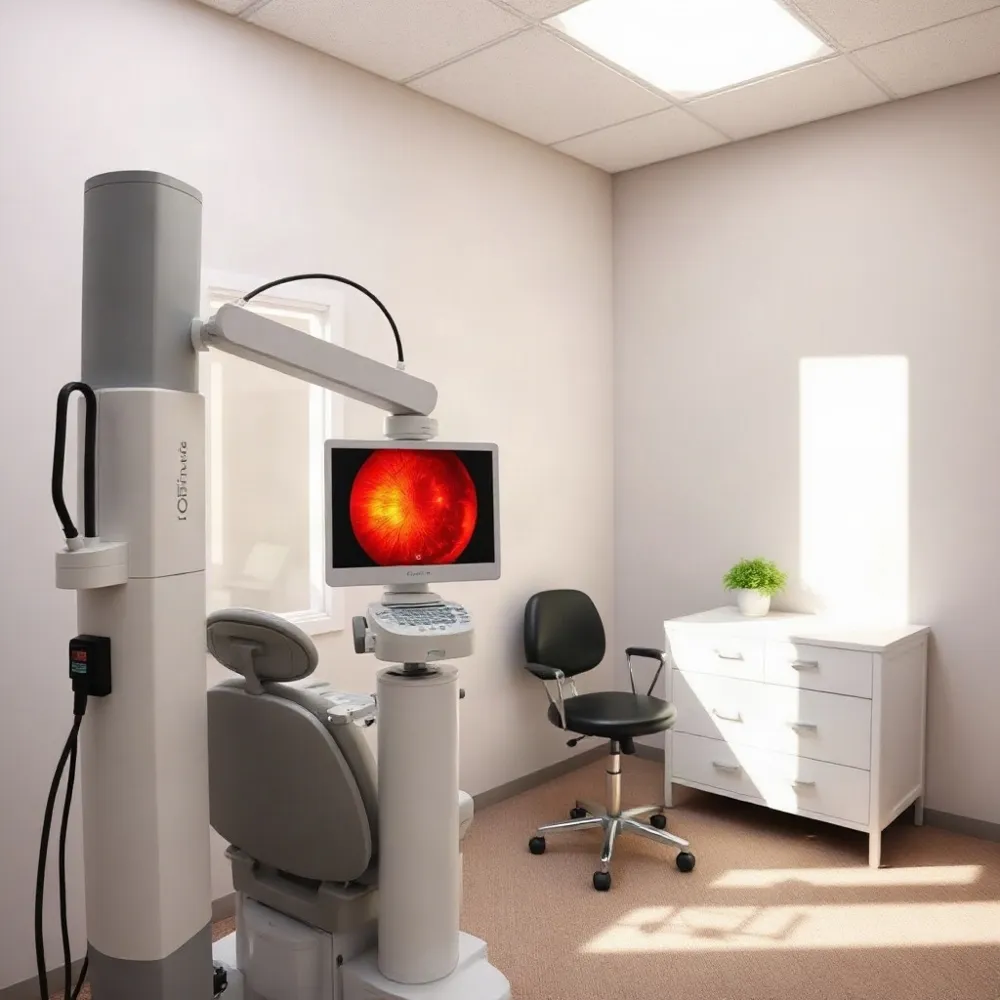 A useful routine pairs age-based comprehensive exams with screenings at health or school visits. The American Optometric Association schedule presented in this article calls for a first comprehensive exam between 6 and 12 months, another between ages 3 and 5, one before first grade, and annual exams during the school years. The American Academy of Ophthalmology’s screening guidance also distinguishes ongoing screening from a full examination.
A screening is a brief check, often focused on distance visual acuity, that flags a possible concern. It does not diagnose a condition or fully assess prescription, near vision, focusing, eye coordination, and eye health. A comprehensive exam evaluates those areas together. At Apple Eye Care in El Paso, a comprehensive eye exam can give families a fuller picture of a child’s vision and eye health.
Passing a screening does not rule out a problem. An abnormal or inconclusive result, symptoms, a family history of eye conditions, or another risk factor may call for an earlier or more frequent comprehensive examination. The American Academy of Ophthalmology advises a comprehensive exam when screening is failed, inconclusive, or cannot be completed.
Screening requirements, methods, and timing vary among states, so the schedule a child encounters may depend on where they live. A recent review reports that screening rates declined between 2016 and 2020, and that children without insurance or with gaps in coverage are less likely to receive screening. Regular comprehensive care helps address what a brief screening cannot establish, while families can ask their child’s clinician about available local access options.
What Happens During the Exam
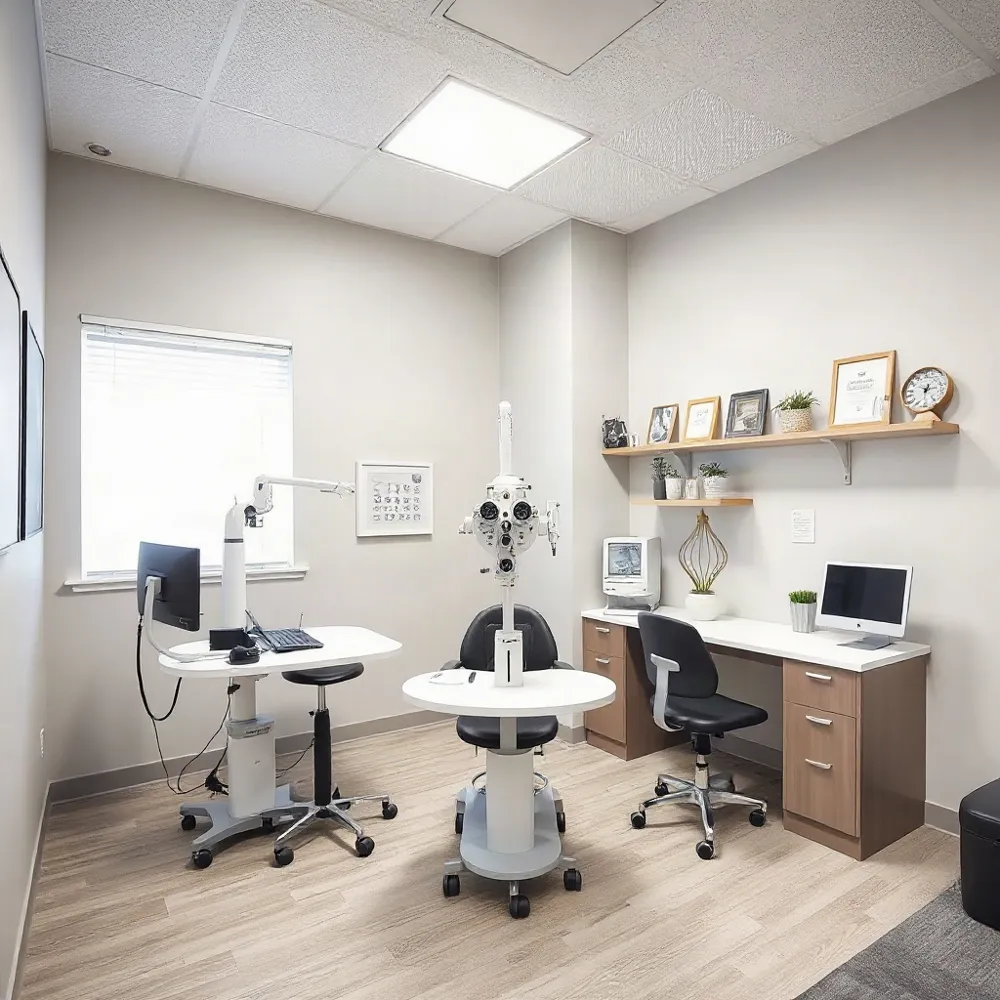 A pediatric eye exam starts with a conversation about your child’s health and vision history, family eye conditions, past screening results, and anything you have noticed, such as squinting, headaches, or difficulty reading. At Apple Eye Care in El Paso, this discussion helps the care team understand your child’s needs before testing begins.
The optometrist checks visual clarity with methods suited to your child’s age and ability. A young child might match pictures or symbols, while an older child may read letters. Testing each eye separately can reveal a difference that may be less obvious when both eyes are open. The exam can also assess eye alignment, tracking, focusing, and how the eyes work together, along with the health of the outer and inner eye. Dilation or other tests may be recommended when appropriate. Apple Eye Care offers comprehensive eye exams and advanced diagnostic technology; the clinician explains findings and next steps in child-friendly language.
What tools are used to screen young children’s vision?
Infant screening may include checking pupils and responses to light, inspecting eye movement, and seeing whether the baby follows a target. For children who cannot yet use a chart, instrument-based screeners can estimate potential focusing or alignment concerns with little cooperation. Preschoolers may match pictures, shapes, or letters, including Lea Symbols or HOTV, and an alignment check such as the cover test may be used. AAPOS screening recommendations describe age-based screening approaches. These tools flag possible risks, not diagnoses; a concerning or inconclusive result may call for a comprehensive examination. Pediatric vision screening guidance explains that screening does not replace an eye-care professional’s examination.
Problems and Clues to Notice
Children’s vision problems can take several forms. Nearsightedness blurs distant objects, farsightedness can make close work difficult, and astigmatism may blur or distort vision at different distances. These refractive errors can affect how comfortably a child reads or sees the classroom board.
Amblyopia is reduced vision that occurs when an eye does not develop normally. Strabismus means the eyes are misaligned. Both can affect visual development if left untreated, so an eye-care professional should assess concerns early. The American Academy of Ophthalmology’s overview of childhood eye conditions describes these and other conditions, including cataracts, which cloud the lens but are less common in children.
Some children have trouble focusing or coordinating their eyes, including convergence insufficiency, when the eyes have difficulty working together for near tasks. Possible effects include blurred or double vision, headaches, tired eyes, and difficulty reading. Apple Eye Care’s comprehensive exams can assess vision and eye health, with advanced diagnostics such as DRI OCT Triton used as part of specialized care when appropriate.
Watch for frequent squinting, covering one eye, tilting the head, holding books or screens close, eyes that turn inward or outward, difficulty following or focusing on objects, eye rubbing, tearing, or sensitivity to light. A child may also mention headaches or blurred vision, or struggle with reading, schoolwork, or hand-eye coordination.
These clues do not establish a diagnosis, and some children show no obvious symptoms. A screening can also miss concerns, so persistent observations or a child’s complaints warrant a comprehensive eye exam. Apple Eye Care provides personalized optometry services for children and can evaluate concerns that arise between routine visits.
Following Up After a Failed Screen
 A failed or inconclusive vision screening is not a diagnosis. It means your child needs further assessment by an eye-care professional, since screening is an early check rather than a substitute for a comprehensive exam. The American Academy of Ophthalmology’s guidance on children’s screening recommends a comprehensive exam when a child does not pass, or when screening cannot be completed.
Arrange an appointment with an optometrist or ophthalmologist, and bring the screening results or referral note. There is no single follow-up deadline for every child, so ask the referring clinician whether the findings call for prompt assessment. Tell the eye-care professional about anything you have noticed, such as squinting, sitting close to screens, headaches, or difficulty seeing the classroom board.
A comprehensive exam can assess each eye separately, focusing, eye alignment, and overall eye health. Apple Eye Care’s optometry services in El Paso include eye exams and advanced diagnostics, allowing the clinician to evaluate a child’s needs beyond a brief screening.
Completing the referral matters: the supplied research describes substantial gaps in follow-up after school screenings. School-based vision programs can help connect children with examinations, glasses when needed, and local eye care for more complex concerns. Families can ask the school or referring provider what support is available.
Screens, Strain, and When to Seek Care
Long stretches of screen use, reading, or other close-up work can leave a child with temporary eye strain. Dry or itchy eyes, blurred vision, and headaches may follow, but these symptoms do not necessarily signal permanent damage.
Near work and less time outdoors may be associated with nearsightedness, but screens alone are not established as the cause. Encourage regular breaks, a comfortable viewing distance, and outdoor play. If symptoms keep returning, an eye exam at a practice such as Apple Eye Care can assess vision and eye health.
Arrange an evaluation when eye discomfort or headaches persist, recur, or interfere with school and daily activities, especially alongside blurred vision, light sensitivity, squinting, eye rubbing, or reading difficulty. These symptoms can have different causes, so an examination helps determine whether further care is needed.
Seek prompt medical care for sudden vision changes, significant eye pain, an eye injury, or a severe headache with neurologic symptoms. An eye doctor can coordinate with the child’s pediatrician when appropriate. The American Academy of Ophthalmology’s guidance on children’s eye screening also recommends a comprehensive exam when a child reports vision problems or shows abnormal visual behavior.
A Strong Foundation for Vision
Screenings can flag possible concerns, while a comprehensive eye exam helps an eye-care professional assess and diagnose them. Both have a place as children grow, and a passed screening does not rule out every problem. The American Academy of Ophthalmology’s screening guidance recommends referral for a comprehensive exam when a child does not pass.
If you notice symptoms, know of risk factors, or receive a referral, discuss next steps with an eye-care professional. At Apple Eye Care in El Paso, Dr. Stephen Applebaum and the family-focused team provide personalized optometry care and advanced diagnostics, including DRI OCT Triton, to support each child’s evaluation.