Prioritizing the Person Behind the Prescription
Modern optometry has moved away from the traditional passive recipient model. Today, patient-centered care prioritizes individual needs and values over simple transactional exchanges. By treating patients as active health partners, practitioners ensure that eye health decisions reflect a person’s unique lifestyle and visual habits, rather than relying on one-size-fits-all solutions.
At Apple Eye Care in El Paso, TX, the clinical philosophy focuses on these foundational human connections. Dr. Stephen Applebaum and his team use a compassionate, family-focused approach to ensure patients feel heard and valued. When a patient understands their diagnostic results, they are more empowered to participate in their own eye care journey.
Advanced technology further supports this commitment to personalized outcomes. For instance, the DRI OCT Triton provides high-resolution data that allows for precise, early intervention. By combining sophisticated diagnostic tools with transparent, clear communication, the team creates a collaborative environment. This shift toward shared decision-making fosters long-term trust, which is just as vital to successful clinical outcomes as technical expertise.
Understanding the Doctor-Patient Relationship in Modern Optometry
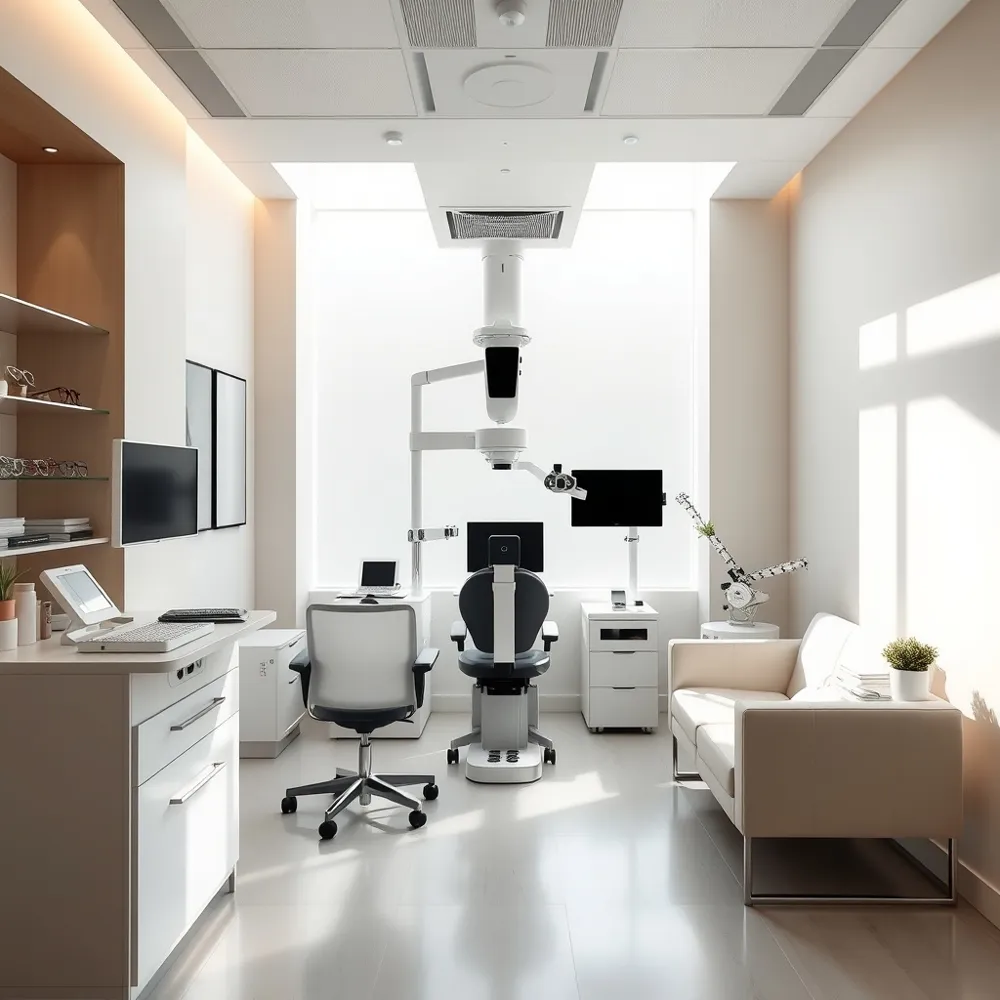 The doctor-patient relationship serves as the foundational element of modern optometry, acting as the primary driver for both effective diagnosis and treatment. Establishing trust through consistent care and transparent communication is as important as the clinical expertise provided during an examination, as it enables patients to feel secure in sharing concerns about their vision and health history October 2024 - Ensuring patient-centred care.
At Apple Eye Care, led by Dr. Stephen Applebaum, this relationship is prioritized through a compassionate, family-focused approach. By using advanced diagnostics like the DRI OCT Triton, the team provides precise data while maintaining a personalized dialogue that addresses each patient's specific lifestyle and habits. This shift toward a shared decision-making model ensures that patients are active partners in their health rather than passive recipients of care.
Why is the doctor-patient relationship fundamental to optometry care?
Effective collaboration relies heavily on the environment within the practice. Patients often experience anxiety caused by unfamiliar diagnostic equipment, but active listening and clear, jargon-free explanations can mitigate these feelings. When providers actively validate patient concerns and mirror their comfort levels, it fosters a stronger sense of rapport Patient Experience Considerations for Doctors of Optometry. Beyond the exam room, clear two-way communication between optometrists and specialists ensures that patients receive coordinated management for complex conditions like glaucoma.
- Active listening allows practitioners to capture critical health details that influence long-term care plans.
- Empathetic communication reduces patient anxiety, which is essential for successful treatment compliance.
- Consistency in team interactions demonstrates professional confidence and helps maintain patient loyalty.
- Transparency in discussing findings empowers patients to take ownership of their visual health.
Essential Pillars of a Positive Patient Experience
 Creating a positive patient experience requires a holistic approach that extends beyond the clinical exam room. Patients often assess the quality of their care from their very first interaction with the practice. At Apple Eye Care, Dr. Stephen Applebaum and his team prioritize a welcoming, family-focused environment that mitigates the anxiety often associated with medical appointments. Small, intentional touches, such as a clean, organized office space and a warm greeting, help patients feel comfortable and valued from the moment they arrive.
Staff training on compassionate communication is a vital component of service delivery. As noted by the Association of Optometrists, team members should be trained to observe body language and tailor their interactions to suit different patient needs, whether that requires additional time for discussion or a swift, efficient check-in. When staff members mirror empathy and practice active listening, they help foster the person-centered environment that defines modern, high-quality eye health services.
Technology acts as a powerful enabler for both efficiency and patient engagement. While tools like the DRI OCT Triton provide essential high-resolution diagnostic data, forward-thinking practices also use tech to open feedback loops. According to the American Optometric Association, clear communication regarding findings and treatment plans is a core pillar of trust. By integrating patient feedback mechanisms and ensuring clinical team members are well-informed, a practice can bridge the gap between technical expertise and meaningful human connection.
First Impressions. The front desk team acts as the primary ambassadors of a practice. Professional, warm, and efficient greetings set the tone for the entire encounter.
Collaborative Care. Patients are more engaged when they are active participants in their treatment. This includes clear explanations of procedures and shared decision-making regarding personal health goals.
Feedback Loops. Continuous quality improvement relies on listening to patients. Systematic collection of feedback allows a practice to resolve concerns and demonstrate a commitment to service excellence.
Distinguishing Between Eye Care Professionals
Navigating the world of vision health starts with understanding that not all eye care providers perform the same functions. The primary difference between an optometrist and an ophthalmologist lies in their level of medical training and the scope of care they provide. Optometrists hold a Doctor of Optometry degree and are your primary partners for routine eye exams, vision correction, and the management of common eye conditions. Ophthalmologists are medical doctors who have completed extensive medical and surgical training, allowing them to diagnose and treat a broader range of complex eye diseases. Because ophthalmologists are licensed to perform surgery, they are typically the ones to handle delicate procedures.
While both are considered eye doctors, choosing between them often depends on whether you require routine maintenance or specialized medical and surgical intervention. Many patients benefit from a collaborative model known as comanagement, where an optometrist serves as the local primary eye health practitioner and coordinates care with an ophthalmologist when surgical needs arise. This collaborative relationship ensures patients receive specialized surgical expertise without losing the convenience of personalized, ongoing monitoring.
At Apple Eye Care in El Paso, TX, Dr. Stephen Applebaum provides comprehensive management for conditions such as dry eye, cataracts, and glaucoma. By utilizing advanced diagnostics like the DRI OCT Triton, the team can identify subtle ocular changes early, often resolving primary issues in-house. This proactive approach to personalized eye care allows for better management of chronic conditions and ensures that if a patient needs a surgical specialist, they are referred with a detailed history to facilitate a seamless transition and 'head start' in their management.
Practical Daily Habits for Sustaining Vision Health
Digital eye strain has become an increasingly common concern for patients who spend extended hours viewing tablets, smartphones, and computers. Symptoms often include a persistent burning sensation, headaches, fatigue, and periods of blurred vision. Rather than accepting these issues as normal consequences of a digital workday, patients can integrate simple habits to protect their ocular comfort.
What is the 20-20-20 rule for eye health?
The 20-20-20 rule is an effective, accessible method to help alleviate strain from prolonged screen use. Every 20 minutes, take a 20-second break to look at an object at least 20 feet away. This action allows your eyes to relax their internal focusing system, which often fatigues when processing digital displays with small fonts or low contrast. At Apple Eye Care, we also recommend reducing screen glare, increasing your device text size, and positioning your monitor at a slightly downward angle to minimize dryness.
- Optimize your workspace lighting to prevent ambient reflections on your display.
- Use screen filters or software settings that adjust color temperature during evening hours.
- Consciously blink more often to keep your ocular surface hydrated during intensive tasks.
If discomfort persists despite these environmental adjustments, it is time for a professional assessment. Chronic symptoms may indicate underlying issues such as dry eye syndrome or subtle refractive shifts. You can schedule an appointment for a comprehensive eye exam with Dr. Stephen Applebaum to ensure your vision remains clear, supported by advanced diagnostic tools like the DRI OCT Triton for precise imaging of your eye health.
Ethical Standards and Professional Boundaries in Care
Professional integrity forms the bedrock of optometry, ensuring that care remains objective and centered on the patient's long-term health. At Apple Eye Care, Dr. Stephen Applebaum and his team maintain these standards by prioritizing patient well-being over any external or personal influence. This commitment ensures that diagnostic insights obtained through high-resolution tools like the DRI OCT Triton remain guided strictly by clinical necessity and the patient's individual vision needs.
Clinical boundaries serve as a vital safeguard for patient safety, preventing conflicts of interest that could cloud professional judgment. When practitioners clearly define their roles, they create a space where patients feel secure and respected. This environment of professional detachment allows the doctor to provide unbiased advice, which is essential for successfully managing recurring conditions like dry eye or glaucoma.
What are the ethical boundaries concerning doctor-patient dating?
Establishing a romantic or sexual relationship with a current patient is strictly unethical, as it exploits the vulnerability of the patient and compromises the physician’s professional objectivity. A practitioner must formally terminate the patient-physician relationship before any such personal involvement can be considered. However, even with a former patient, these relationships remain ethically complicated because they may still be unduly influenced by the previous dynamics of trust and authority. Such interactions are impermissible if the practitioner uses knowledge or influence derived from the clinical setting to exploit the individual or if the relationship would foreseeably cause the patient harm. To maintain the highest standards of integrity, practitioners should avoid any nonclinical contact that could be reasonably perceived as leading toward a romantic entanglement.
Growing a Practice Through Quality and Commitment
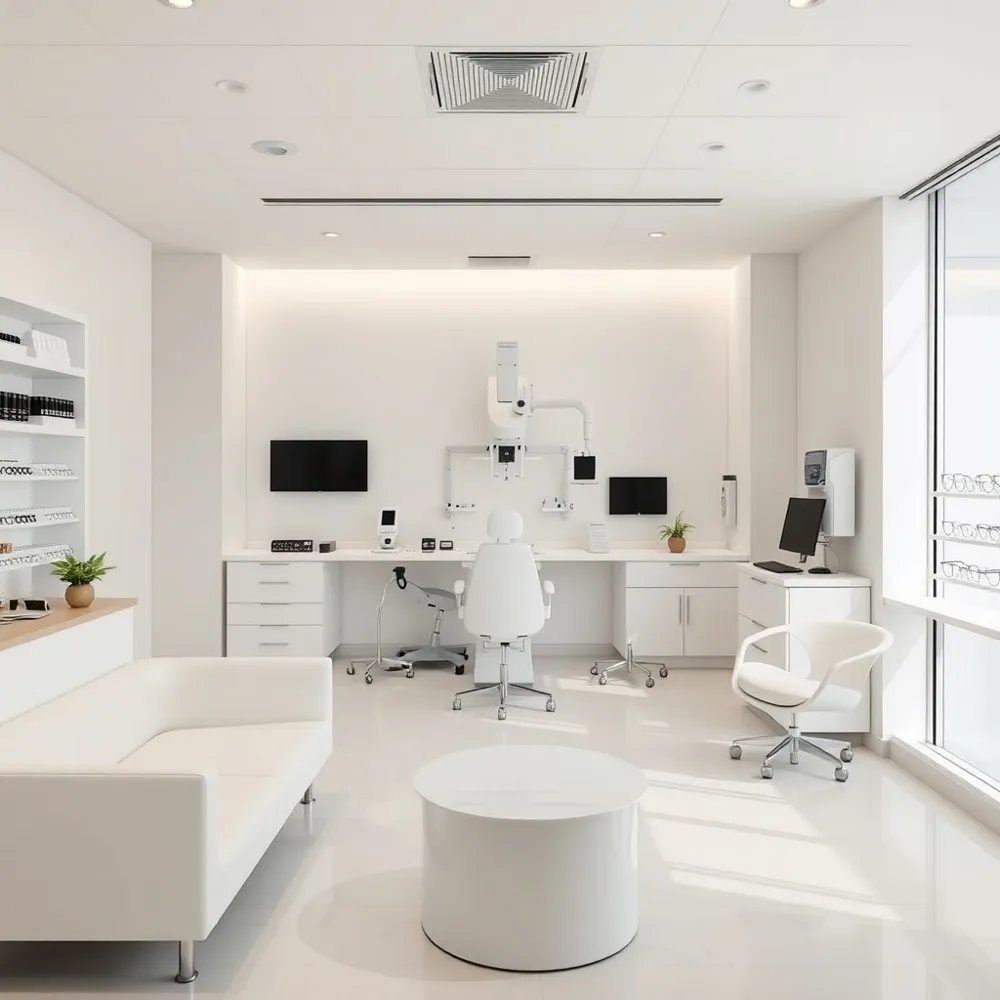 Growing an optometry practice demands a careful balance between scaling operations and maintaining a personalized, family-focused environment. At Apple Eye Care, the approach to expansion centers on the philosophy that clinical excellence is the strongest foundation for long-term health and patient loyalty. By focusing on individualized treatment plans rather than high-volume, impersonal service, the practice ensures that each patient feels prioritized, not processed. This strategy transforms routine eye exams into opportunities for deeper engagement, which helps build the trust necessary to drive professional referrals throughout El Paso and the surrounding community.
How can an optometry practice ensure growth and quality service?
Sustainable growth requires that every member of the team acts as an ambassador for the practice's values. Consistency in team interaction, particularly during patient handoffs, is crucial for demonstrating professional confidence as advocated by Optometry Times. To manage this, leadership must invest in continuous staff training and adopt modern systems that streamline administrative tasks without sacrificing the human element of care. By leveraging advanced internal data from tools like the DRI OCT Triton, providers can deliver precise diagnostic care that allows them to scale, while simultaneously providing the high-touch, personalized attention that defines a community-focused practice.
- Prioritize the patient experience early in the initial phone conversation to establish a welcoming practice personality.
- Use collaborative comanagement models to provide specialized care within a trusted, local network.
- Maintain long-term patient loyalty by ensuring every interaction, from greeting to clinical discharge, is intentionally focused on the individual’s unique visual needs.
- Collect and actively respond to patient feedback to continually bridge the gap between service delivery and patient expectations.
Your Partner in Vision for Life
At Apple Eye Care, we believe that true vision longevity stems from an enduring partnership between you and our compassionate team. Led by Dr. Stephen Applebaum in El Paso, our practice rejects the transactional nature of high-volume clinics in favor of patient-centered care that prioritizes your unique lifestyle and long-term health.
We combine specialized clinical expertise with advanced diagnostics like the DRI OCT Triton to ensure every decision is evidence-based and tailored to you. We invite you to experience a new standard of community-focused optometry where your voice is always heard, your questions are always answered, and your eye health remains our only priority for years to come.