Why Your Eye Care Should Be as Unique as You Are
Modern eye care is shifting away from generic, one-size-fits-all models toward personalized health care that prioritizes individual needs. Rather than following a standard template, Apple Eye Care in El Paso, TX, designs exams and treatments based on your unique health history, lifestyle, and visual demands.
By incorporating advanced diagnostics like the DRI OCT Triton, Dr. Stephen Applebaum and his team gain microscopic insights into your eye health. This precise approach allows for earlier intervention in conditions like glaucoma or cataracts, which research shows can boost treatment adherence by 30% and significantly improve long-term outcomes for patients.
The Evolving Role of an Optometrist
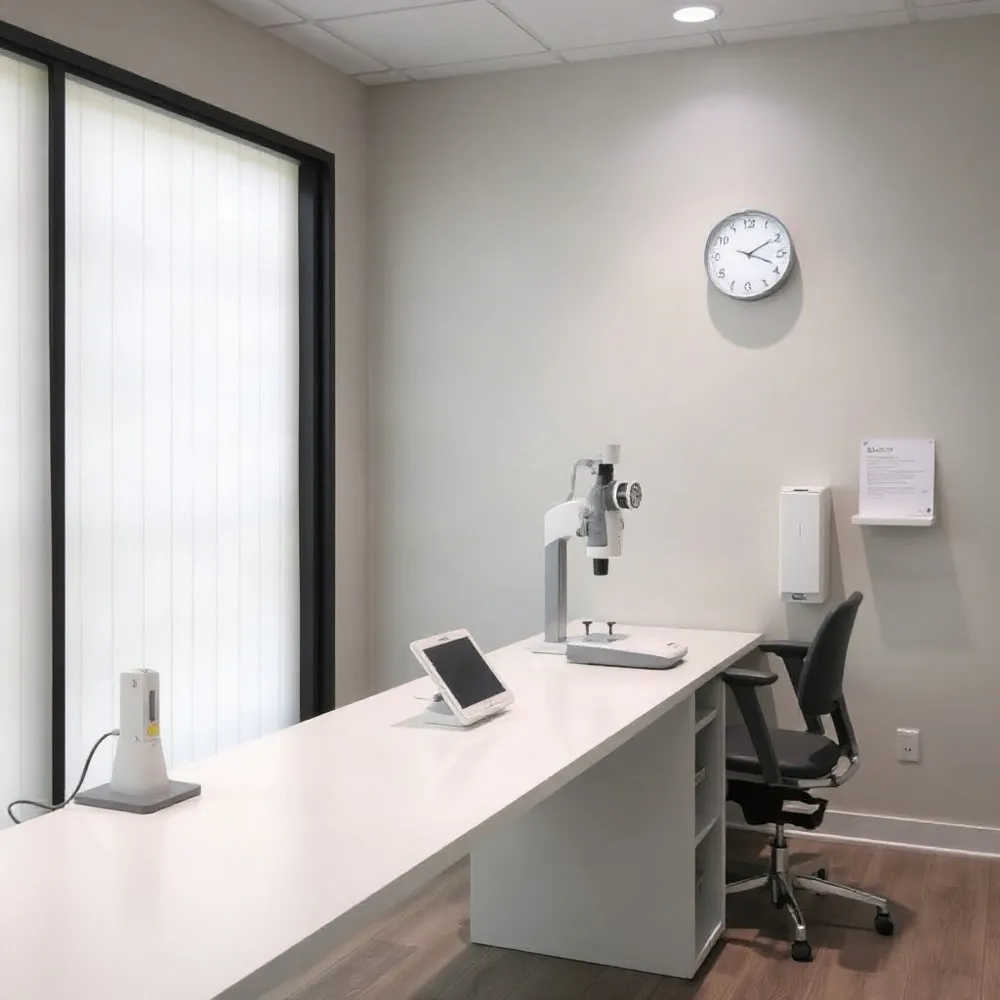 An optometrist serves as a primary healthcare professional for the eye, acting as your first point of contact for vision-related concerns and essential eye health maintenance. Beyond simply prescribing glasses and contact lenses, they utilize advanced diagnostic tools like the DRI OCT Triton to perform comprehensive exams that detect, diagnose, and treat various ocular conditions such as glaucoma, cataracts, and dry eye.
Crucially, optometrists also act as a vital window into your systemic health, screening for undiagnosed issues such as diabetes or hypertension during routine exams. At Apple Eye Care, Dr. Stephen Applebaum and his team integrate these high-resolution imaging capabilities into a compassionate, family-oriented practice that treats the person rather than just the condition. When a condition requires complex surgical intervention, these providers coordinate seamlessly with ophthalmologists to ensure you receive the appropriate level of care, helping to prevent vision loss and maintain independence.
What Personalized Eye Care Really Means
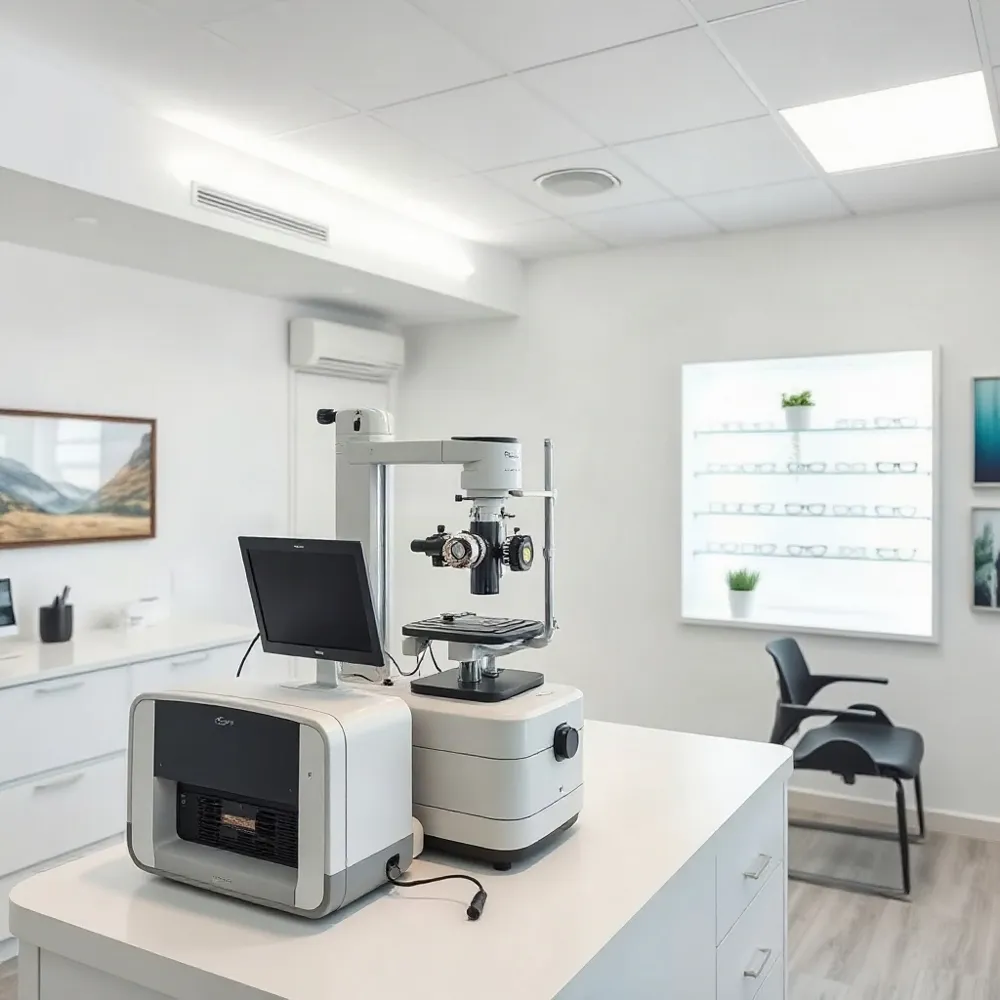 Personalized eye care in a clinical setting moves beyond a transactional, one-size-fits-all model to treat patients as active, informed partners in their own health journey. It involves tailoring diagnostic and treatment plans to an individual's unique lifestyle, visual habits, and medical history rather than relying on standardized protocols.
Practices such as Apple Eye Care in El Paso use advanced diagnostic technology, specifically the DRI OCT Triton, to provide high-resolution imaging that enables earlier and more precise clinical interventions. By combining this technology with clear communication, practitioners can better align decisions with a patient's specific values.
This patient-centered philosophy prioritizes active listening and empathy to mitigate anxiety, a departure from the faster, often rushed models used by many high-volume retail clinics. This collaborative environment ensures that shared decision-making leads to improved long-term health outcomes and deeper trust between the patient and their primary healthcare professional.
Top Benefits of Tailored Vision Plans
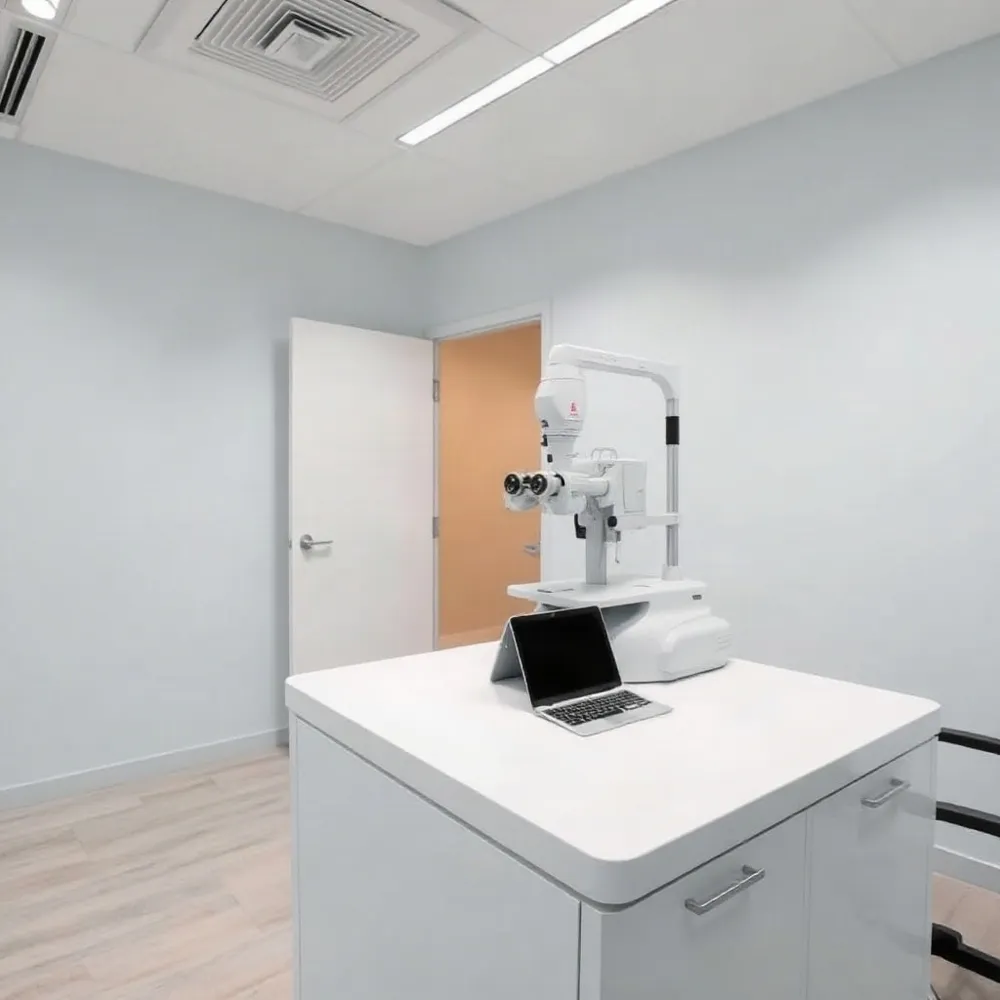 Personalized eye care plans move beyond a one-size-fits-all model by leveraging your unique medical history, lifestyle, and diagnostic data to create a proactive, tailored treatment strategy. At Apple Eye Care, integrating advanced technology like the DRI OCT Triton enables earlier disease detection and more precise risk assessment for conditions such as glaucoma and cataracts. This approach fosters a collaborative partnership between the patient and the team led by Dr. Stephen Applebaum, empowering you to take an active role in your own vision health and daily management.
The measurable impact of this individualized attention is significant for both clinical outcomes and patient experience. Studies indicate that personalized eye care protocols can boost patient adherence to therapy by up to 30% and increase patient-satisfaction scores by an average of 25%. By addressing specific needs such as dry eye relief or custom intra-ocular lens selection for cataract management, these plans also lead to a 15 to 20% reduction in emergency eye-care visits.
- Earlier disease detection through high-resolution imaging and personalized diagnostics.
- Improved medication adherence, notably for patients managing glaucoma.
- Higher patient satisfaction scores due to tailored communication and focused care.
- Reduced necessity for emergency visits through proactive, ongoing monitoring.
- Better long-term outcomes for common conditions, including significant symptom relief for dry eye.
Building a Custom Plan: From Assessment to Action
Effective eye care begins with a comprehensive Health Risk Assessment and a deep understanding of your unique lifestyle. At Apple Eye Care, this process starts by evaluating your medical history, visual demands, and personal goals to move beyond standard routines.
Advanced diagnostics such as the DRI OCT Triton allow for high-resolution imaging of the retina and optic nerve, ensuring early detection of conditions like glaucoma or macular degeneration. By integrating these precision tools with your physical exam, the clinical team establishes a baseline for long-term health.
Collaboration serves as the cornerstone of this model. You will work directly with the team to identify specific health targets, such as managing dry eye or adjusting to age-related vision shifts, rather than receiving a generic template. This partnership often includes actionable preventive strategies like recommendations for UV protection, nutritional habits, or ocular support tailored to your daily environment.
Once assessment data and personal goals are aligned, the team creates a written, evolving care plan. This living document ensures that all aspects of your vision, from routine correction to chronic disease management, are tracked and updated as your needs change over time.
Navigating Insurance for Personalized Care
Understanding how your benefits apply is a fundamental step in accessing high-quality, patient-centered care. Optometrists distinguish between insurance plans by verifying specific network affiliations, such as VSP or EyeMed, to determine exactly how benefits are applied. Practices like Apple Eye Care must confirm if a patient plan is in-network, which ensures the provider has a contracted agreement to offer services at pre-negotiated rates.
These distinctions are critical because out-of-network providers are not obligated to accept standard plan pricing, which can significantly impact your out-of-pocket costs for exams and hardware. It is also important to recognize that vision plans often function as cost-management tools for routine care, while medical eye conditions like cataracts, glaucoma, or dry eye disease are frequently covered under your broader medical health insurance policy.
Insurance products often carry unique rules regarding deductibles, waiting periods, and annual frame or contact lens allowances that vary by the specific plan tier. To minimize surprise expenses, always provide your insurance details to the team at www.appleeyecare.com ahead of your appointment. This allows the staff to verify coverage and help you plan your care in the most cost-effective way possible.
Technology Driving Personalized Eye Care
Modern diagnostic tools are central to building precise treatment plans. At Apple Eye Care in El Paso, the use of the DRI OCT Triton provides microscopic, high-resolution imagery of the retina and optic nerve. This technology enables early detection of conditions such as glaucoma and macular degeneration, allowing for proactive management before vision loss occurs.
Advancements in artificial intelligence now assist clinicians by analyzing complex data sets. Algorithms can scan images to identify subtle markers of diabetic retinopathy or glaucoma, which may remain invisible during traditional examinations. By integrating this real-world data and electronic health records, practitioners can track disease progression with greater accuracy, ensuring that care strategies evolve alongside a patient's specific health needs.
Digital connectivity has further transformed accessibility. Telehealth solutions allow for efficient remote triage and follow-up care, reducing the need for unnecessary office visits. For patients who require ongoing monitoring, these tools ensure that their progress is captured consistently, fostering a collaborative partnership that prioritizes long-term eye health and improved clinical outcomes.
Long-Term Vision: Life Stage and Lifestyle Planning
Eye health needs evolve across a lifetime, requiring strategies that adapt as you grow. At Apple Eye Care, Dr. Stephen Applebaum and his team in El Paso, TX, provide life-stage specific guidance that moves beyond standard screenings. For children, this involves active myopia management through specialized lenses to slow progression, while working adults often require support for digital eye strain and athletes benefit from precision-fit contact lenses.
- Proactive aging care: Consistent monitoring for cataracts, glaucoma, and macular degeneration is vital for those over 60.
- Daily lifestyle adjustments: Protecting eyes from UV exposure and incorporating nutrients like lutein and omega-3 fatty acids support long-term retinal health.
- Systemic health awareness: Because high blood sugar and hypertension directly impact ocular vascularity, your eye exam serves as a window into your total body health.
- Regular baseline testing: Using advanced diagnostic tools like the DRI OCT Triton, providers can detect sub-clinical changes before they impact your daily independence.
Effective long-term planning relies on personalized health planning that addresses your unique environmental and genetic risks. By viewing eye care as a continuous partnership rather than a series of isolated visits, you maintain better control over your visual performance and comfort as you age.
Your Partner in Lifelong Vision Health
Shifting from reactive care to a proactive, personalized model changes how you manage your long-term health. By centering eye care on your unique lifestyle and medical history, you move beyond generic screenings toward a targeted strategy that prioritizes your specific vision goals. This approach fosters a deep partnership where you and your clinician work as collaborators rather than just participants in a standard transaction.
At Apple Eye Care, our team led by Dr. Stephen Applebaum understands that effective health outcomes rely on this meaningful connection. We utilize advanced diagnostics, such as the DRI OCT Triton, to gain precise insights into your ocular health, allowing us to build a custom plan that adapts as your needs evolve. This commitment to individualized care has been shown to improve treatment adherence and overall patient satisfaction, ensuring you remain in control of your vision throughout every life stage.
Taking the next step toward better eye health is simple. We encourage you to visit www.appleeyecare.com to schedule your next comprehensive eye exam. By engaging with a proactive team today, you invest in the clarity and health of your vision for years to come.