Prioritizing Childhood Vision for Long-Term Development
Vision is a critical component of childhood development, as approximately 80% of learning is visual, according to data regarding academic progress. When children struggle with undiagnosed issues like refractive errors or amblyopia, their ability to participate in class and maintain healthy social confidence can decline significantly.
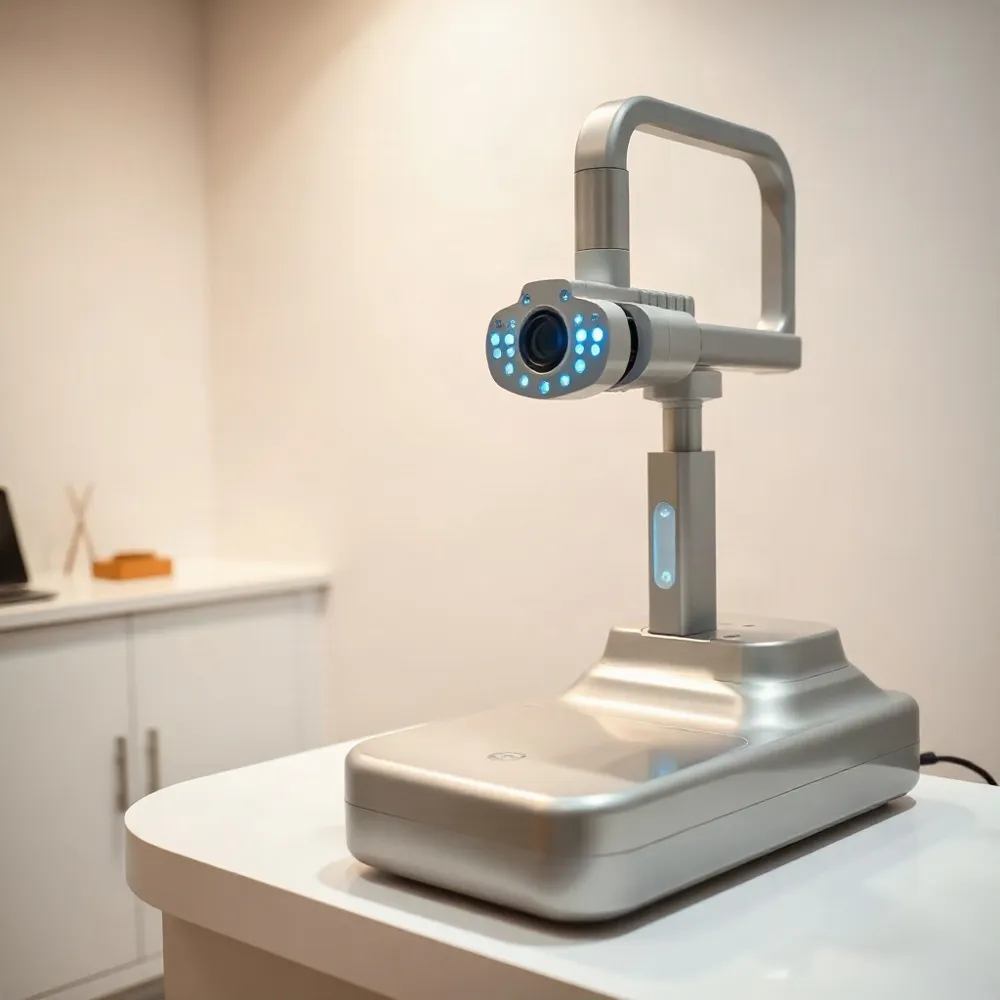
Parents often rely on school-based vision screenings, but these are not comprehensive eye exams. Research indicates that screenings can miss up to 60% of children with vision problems, providing a false sense of security, per American Academy of Ophthalmology guidance. While others rely on these limited assessments, Apple Eye Care prioritizes a more thorough diagnostic process. By utilizing advanced tools like the DRI OCT Triton, the team at this El Paso practice assesses how eyes focus, track, and work together, ensuring that even subtle conditions are identified before they impact long-term development.
Professional care is particularly important during the preschool years when children develop crucial visual perception skills, as outlined by the American Optometric Association. Because children often cannot describe or even realize their vision is abnormal, scheduling a clinical evaluation is the most reliable way to secure their future success.
Understanding Why Developmental Vision Care Matters
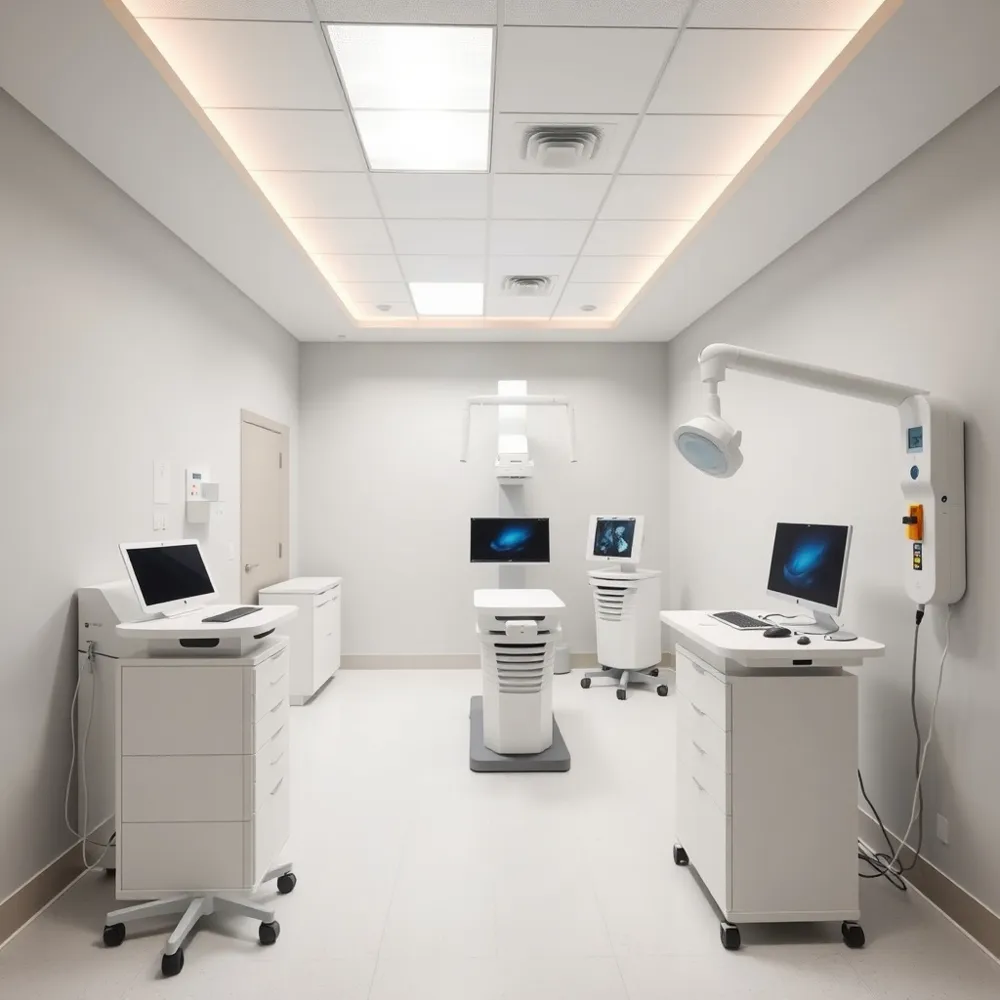 Visual health serves as a fundamental pillar of childhood development, directly influencing how a child learns, plays, and interacts with their surroundings. Because nearly 80% of childhood learning occurs through visual processing, maintaining clear sight is essential for supporting both cognitive and physical maturation.
Why is eye health important for children?
Regular professional care is vital because many children lack the frame of reference to realize their vision is sub-optimal. They often assume their experience is normal, meaning parents and teachers may overlook subtle symptoms until significant academic or behavioral struggles arise. Undiagnosed refractive errors, such as myopia, can impede a child's confidence and performance in the classroom.
Early intervention remains the most effective strategy for managing treatable pediatric conditions. Issues like amblyopia (lazy eye) or strabismus (crossed eyes) are often highly correctable when addressed during critical development windows. If ignored, these conditions can lead to permanent vision loss or long-term structural complications. By prioritizing consistent eye care, you help ensure your child is not hindered by preventable sensory obstacles.
At Apple Eye Care, we emphasize this proactive approach through specialized diagnostics that accommodate younger patients who may not yet be able to read an eye chart. Our practice utilizes the DRI OCT Triton to provide precision care, ensuring that even the most complex eye health needs are identified and managed early. By establishing a routine of comprehensive exams, parents can protect their child’s vision, allowing them to fully engage with the world around them.
Comprehensive Exams Versus Standard Pediatric Screenings
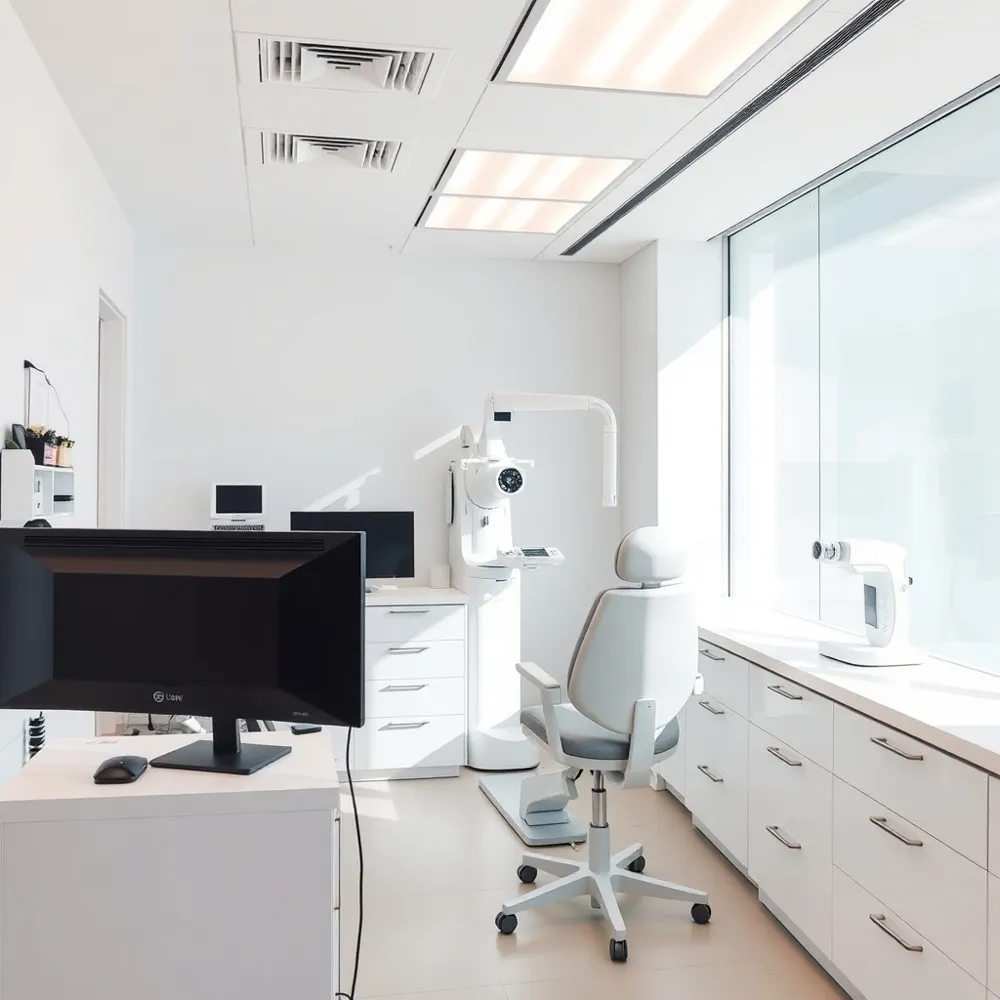 Many parents rely on the vision screenings performed during routine well-child visits at a pediatrician's office. While these checks are useful for identifying major developmental milestones or obvious ocular anomalies, they are not a substitute for a professional eye examination. According to the American Academy of Ophthalmology, a standard screening is simply a tool to identify possible problems, whereas a comprehensive eye exam involves a deeper diagnostic process that includes dilating the pupils to evaluate the internal health of the eye.
The American Optometric Association notes that school or pediatric screenings can miss up to 60% of children with vision problems. This gap often occurs because screenings typically focus on distance vision, while a comprehensive exam assesses the child's ability to focus, track objects, and coordinate eye movements effectively. At Apple Eye Care in El Paso, TX, Dr. Stephen Applebaum and his team prioritize these more detailed examinations, ensuring that subtle issues ranging from refractive errors to binocular vision difficulties are caught during the critical windows of development.
What is the difference between a pediatrician and a pediatric optometrist in terms of eye care?
A general pediatrician performs basic assessments to identify broad health markers, but a pediatric optometrist possesses specialized training in the unique visual systems of growing children. These specialists utilize advanced diagnostic technology, such as the DRI OCT Triton found at Apple Eye Care, to detect potential conditions like infantile glaucoma or retinal anomalies with precision. Unlike a basic screen, these modern tools allow doctors to examine ocular structures in depth without requiring the child to read a traditional eye chart.
To ensure accurate results, pediatric optometrists employ child-friendly, play-based diagnostic techniques that keep young patients engaged and comfortable. This approach is essential because children rarely complain about blurry vision, often assuming their limited sight is completely normal. By utilizing games and specialized equipment tailored for children who cannot yet verbalize their experience, practices like Apple Eye Care guarantee that even the youngest patients receive a thorough assessment that protects their long-term visual health and academic potential.
Establishing a Regular Eye Exam Schedule
 Establishing a routine for professional eye care is essential for supporting a child's rapid development. While general pediatricians often conduct basic screenings during wellness visits, these snapshots cannot replace the precision of a comprehensive exam. Screenings are designed to identify children who may require further care, but they lack the depth to diagnose specific medical or vision conditions.
When should a child have their first comprehensive eye exam?
The American Academy of Ophthalmology recommends a targeted approach to monitoring visual health. Infants should receive an initial assessment for ocular indicators like the red reflex shortly after birth. A follow-up to check for proper alignment and development should occur between 6 and 12 months, fitting within the InfantSEE program criteria. At Apple Eye Care, we emphasize this baseline testing to catch congenital conditions such as cataracts early, while our advanced diagnostics like the DRI OCT Triton allow us to identify subtle issues that might otherwise remain hidden during a standard screening.
As children move into their preschool years, typically between 3 and 5, a formal examination is necessary to test visual acuity and eye teaming. This window is critical because many conditions like strabismus (crossed eyes) or amblyopia (lazy eye) benefit significantly from early intervention. By the time a child approaches first grade, a complete exam should be scheduled to ensure their eyes are ready for the intense near-vision demands of a classroom environment. Dr. Stephen Applebaum and our team focus on making these early visits comfortable, ensuring that young children build positive associations with eye care that last a lifetime.
Navigating Common Symptoms and Pediatric Conditions
Many eye conditions in children go unnoticed because they often assume their blurry vision is typical. While refractive errors such as myopia (nearsightedness), hyperopia (farsightedness), and astigmatism are the most common diagnoses, early identification is essential to prevent permanent impact on visual development. Conditions like amblyopia (lazy eye), where the brain suppresses input from one eye, or strabismus (misaligned eyes), which affects approximately 4% of children, require specialized attention to ensure proper binocular development.
What are the common signs that a child may need glasses?
Persistent squinting or tilting the head to focus on a screen or classroom whiteboard acts as a common behavioral clue that a child may need vision correction. Parents should also watch for children sitting unusually close to the television, holding books near their faces, or covering one eye to improve clarity. Frequent reports of headaches, unexplained fatigue, or avoidance of near-vision activities like reading or puzzles are significant indicators that warrant professional investigation.
What are the most common pediatric eye conditions parents should be aware of?
Awareness of potential issues helps parents secure timely care for their children. Beyond refractive errors, conditions like convergence insufficiency can make reading difficult by straining eye teaming. Serious medical events such as congenital cataracts or infections like cellulitis present with warning signs like cloudy pupils or painful swelling. At Apple Eye Care, the team utilizes advanced diagnostics such as the DRI OCT Triton to detect these conditions early. Unlike the standard vision screenings often offered at schools, which can miss up to 60% of children with vision issues per AOA data, a comprehensive exam ensures that subtle issues are caught before they impact school performance or social development.
Proactive Home Care and Managing Digital Eye Strain
Establishing a supportive home environment is essential for fostering healthy visual development. Parents can actively promote eye health by serving a diet rich in lutein, omega-3 fatty acids, and essential vitamins found in leafy greens, nuts, and fish. In addition to nutrition, balancing indoor screen time with outdoor play is a key strategy for myopia prevention. Exposure to natural sunlight and the ability to focus on distant objects help reduce strain and support better maturation of the ocular system.
How can parents protect and promote their children's vision at home?
Digital eye strain often occurs when screens are held too close or used for extended periods. To manage this at Apple Eye Care, we recommend that parents enforce the 20-20-20 rule: every 20 minutes, a child should look at an object at least 20 feet away for 20 seconds. This simple habit helps rest the focusing muscles. Unlike generic advice, our practice provides personalized plans, ensuring that your child receives ergonomic recommendations tailored to their specific habits and device usage.
At what point does an eye issue become a medical emergency requiring the ER?
While routine care handles most developmental needs, certain situations demand immediate medical intervention. Seek emergency care for a sudden loss of vision, penetrating eye wounds, or chemical exposure. If a foreign object is stuck in the eye, do not attempt removal; cover the eye and head to the emergency room. These protocols protect against permanent damage that requires rapid stabilization. For less urgent concerns, such as persistent redness or suspected infection, contact a professional optometrist who can perform a comprehensive eye exam to diagnose the condition accurately.
Partnering with Apple Eye Care for Your Child's Bright Future
Prioritizing your child's visual health today provides a foundation for success throughout their entire life. At Apple Eye Care in El Paso, we recognize that children often do not realize if their vision is less than ideal, as they lack a baseline for comparison. Our practice takes a different approach than basic school or pediatrician screenings, which can miss up to 60% of vision issues according to the American Optometric Association.
Dr. Stephen Applebaum and our entire team offer a compassionate, family-focused environment designed to make your child feel comfortable during their first visit. By utilizing advanced diagnostics like the DRI OCT Triton, we identify potential concerns early, ensuring your child receives the precise, personalized care they deserve. We invite you to contact us at www.appleeyecare.com to schedule a comprehensive childhood vision assessment. Let us help you safeguard your child's brightest future by catching developmental milestones early.