Leading the Way in Modern Optometric Innovation
Modern optometry has moved beyond simple vision correction to a model centered on active disease management. This shift toward proactive eye care relies on the integration of cutting-edge diagnostic technology, which allows for the detection of ocular conditions such as glaucoma and cataracts long before traditional methods would identify them. By utilizing advanced diagnostic tools, clinicians can map structural changes with high-resolution precision, transforming how we monitor long-term patient health.
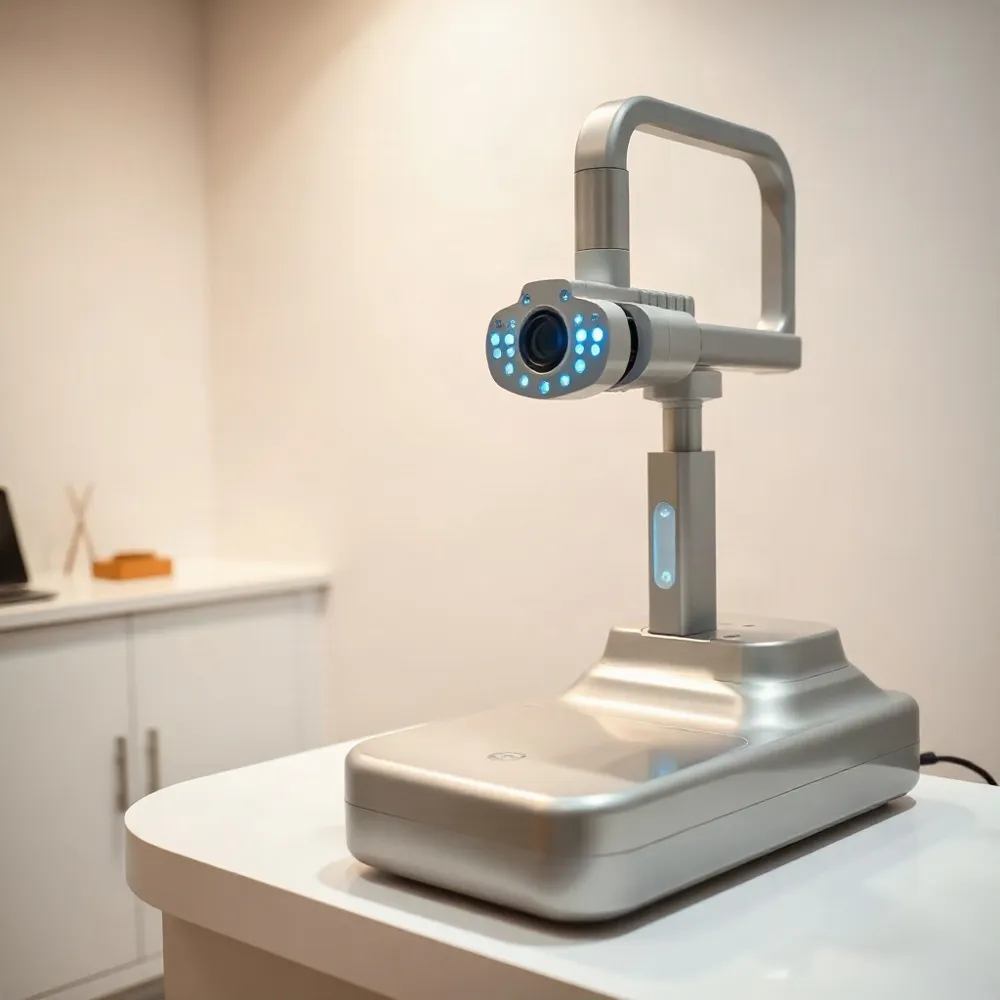
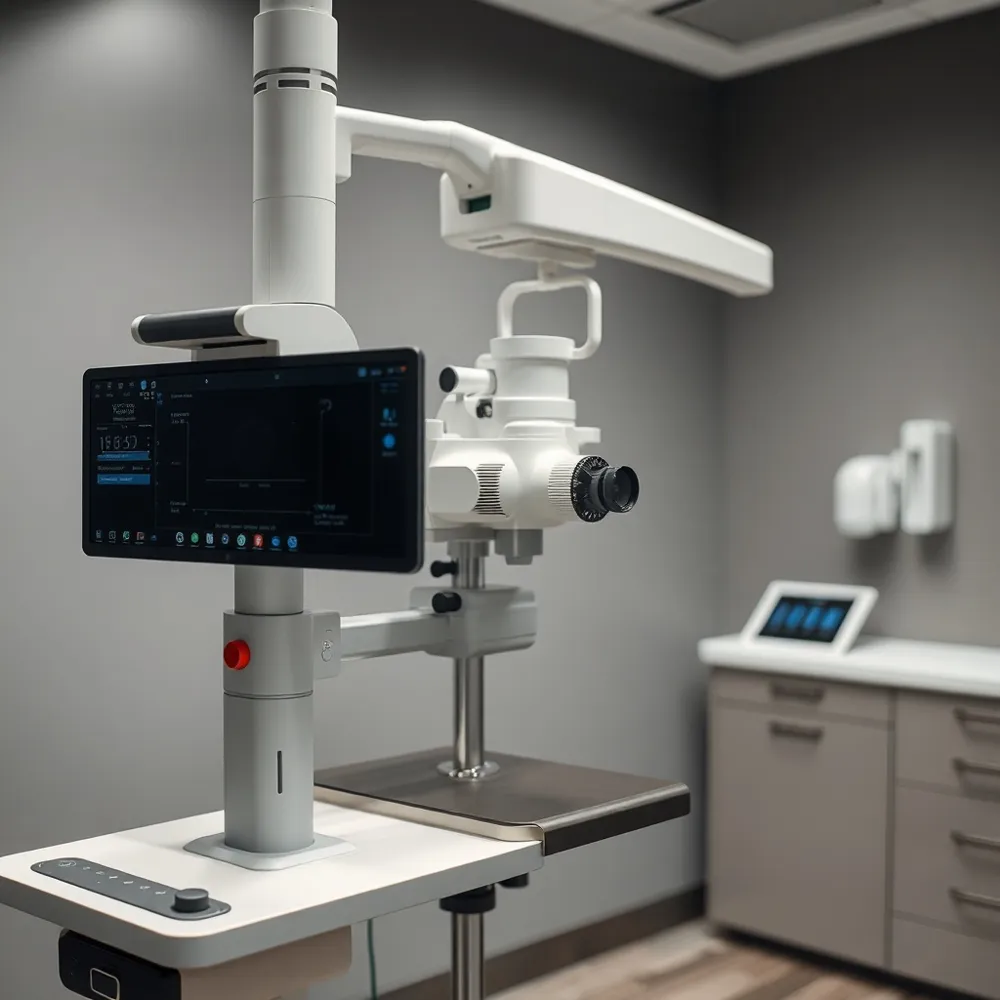
Apple Eye Care represents a standard of this tech-forward approach in El Paso, TX, as the only practice in the state to deploy the DRI OCT Triton. This system utilizes Swept Source OCT technology for deep tissue visualization, surpassing the capabilities of standard imaging equipment found in many clinics. By pairing this high-resolution data with AI-driven diagnostic support, the practice ensures that every treatment plan is grounded in objective, patient-specific data rather than trial-and-error.
This data-driven methodology allows for more personalized medicine, where practitioners address underlying pathologies early and with higher accuracy. Through these investments in modern health systems, the focus of the exam evolves from merely checking for contacts or glasses to ensuring the total wellness of the patient. This commitment to combining innovation with compassionate, localized care remains at the heart of the service provided in Texas.
Understanding Optical Coherence Tomography and Its Clinical Advantages
 An Optical Coherence Tomography (OCT) scan is a sophisticated, non-invasive imaging technique that functions similarly to an ultrasound but specifically utilizes light waves to capture detailed, cross-sectional images of your retina. Because it captures high-resolution views of internal structures, it serves as a critical diagnostic tool that reveals sub-surface layers often invisible during standard screenings.
The primary clinical advantage lies in this depth of visualization. While traditional methods might capture a surface-level view, OCT technology allows clinicians to identify structural abnormalities indicative of glaucoma, macular degeneration, or systemic health issues long before symptoms manifest. By pinpointing these microscopic changes, providers can transition from reactive vision correction to proactive, evidence-based disease management.
Apple Eye Care maintains a technological edge by incorporating the DRI OCT Triton into its patient care workflow. Unlike conventional systems that may struggle with ocular media opacities, this swept-source OCT technology rapidly processes data while maintaining high image clarity. This precision ensures that treatment plans are tailored specifically to the biological reality of each patient's eye health.
Adopting innovative diagnostic tools transforms the patient experience by replacing vague testing with objective, longitudinal data. Through automated layer segmentation and wide-field scanning, the system provides accurate tracking of disease progression. This data-driven approach supports earlier diagnostic intervention, which remains a foundational element in preserving long-term visual function and patient wellness.
The DRI OCT Triton: Unmatched Precision for Early Disease Detection
At Apple Eye Care, our commitment to providing the highest standard of vision care is anchored by the DRI OCT Triton. As the only practice in Texas utilizing this sophisticated diagnostic system, we offer patients a level of precision that traditional imaging methods cannot achieve. By integrating this advanced technology, Dr. Stephen Applebaum and his team can move beyond routine screenings to proactive disease management.
The power of this device lies in its technical specifications. The DRI OCT Triton employs Swept Source OCT technology, which utilizes a 1,050nm wavelength to achieve deep tissue penetration. This allows for clear visualization of structures behind the retina, such as the choroid and sclera, which are often obscured in standard examinations. With a scanning speed of 100,000 A-scans per second, the system captures data with extraordinary efficiency, significantly reducing image artifacts caused by involuntary eye movements or blinking. This rapid acquisition makes the process notably more comfortable for patients.
How does advanced diagnostic imaging contribute to patient diagnosis and treatment planning?
Advanced diagnostic imaging, such as the DRI OCT Triton used at Apple Eye Care, provides high-resolution, cross-sectional views of internal tissues that are otherwise impossible to see. By capturing these detailed images, optometrists can detect eye diseases and structural abnormalities in their earliest stages, often before symptoms become apparent. This clarity allows for a more precise diagnosis, enabling our team to identify the exact cause of vision issues or ocular discomfort. Furthermore, these images serve as a vital roadmap for treatment planning, helping us track the progression of conditions like glaucoma or dry eye over time. Ultimately, this technology allows us to monitor how well a specific treatment is working, ensuring we can provide the most effective, personalized care for your long-term eye health.
The multimodal capabilities of the DRI OCT Triton further enhance our diagnostic workflow by combining OCT, Optical Coherence Tomography Angiography (OCTA), and fundus photography into a single, seamless process. OCTA, in particular, provides non-invasive visualization of retinal and choroidal microvasculature, often eliminating the need for invasive dye tests. By consolidating these tools at www.appleeyecare.com, we ensure that every diagnosis is backed by comprehensive, high-definition data tailored to your unique clinical needs.
Identifying Complex Ocular and Systemic Health Conditions
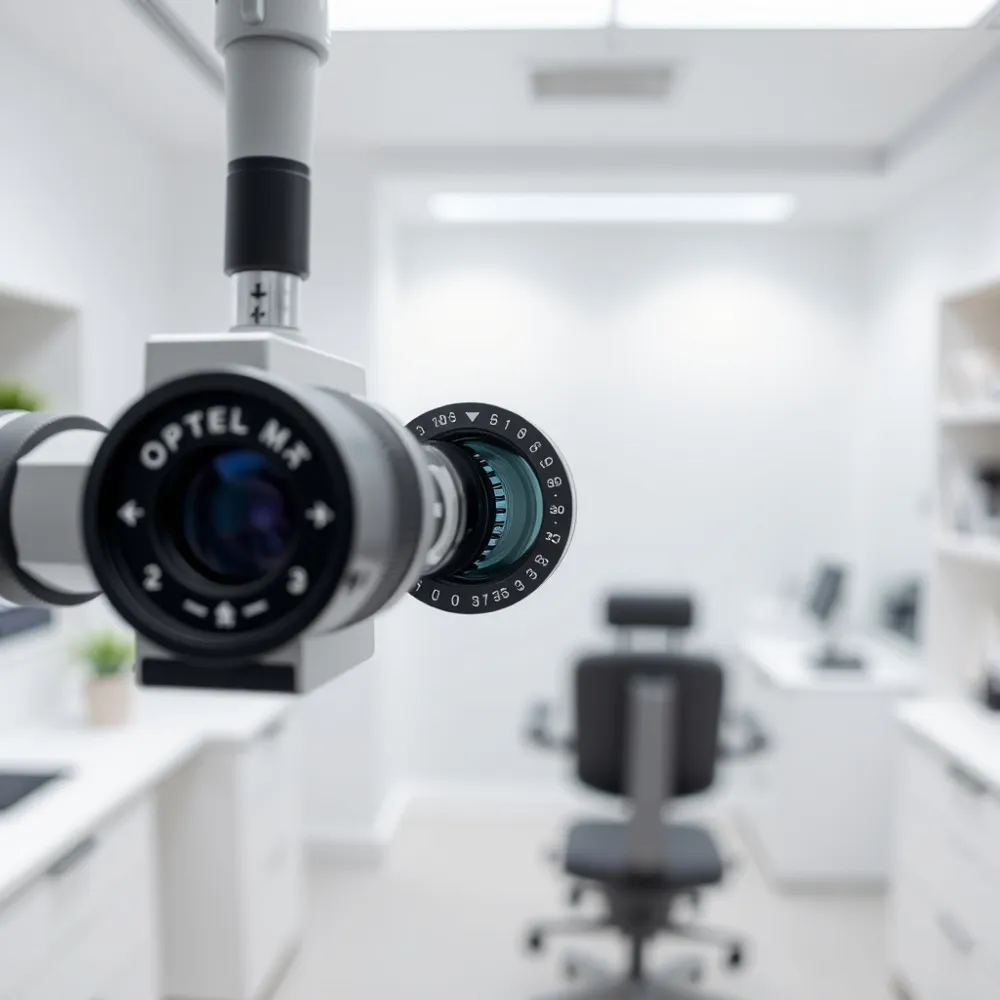 Which eye conditions can be detected using OCT technology? Modern diagnostic imaging provides a non-invasive window into the internal structures of the eye, allowing for early intervention in sight-threatening conditions. At Apple Eye Care, we employ the DRI OCT Triton to map the retina, macula, and optic nerve with unprecedented clarity. This high-resolution visualization is essential for the detection and ongoing management of glaucoma, age-related macular degeneration, and diabetic retinopathy.
Beyond routine screenings, the technology offers granular insights into retinal health that traditional cameras cannot capture. By utilizing OCT-Angiography (OCTA), clinicians can monitor microvasculature without the need for invasive dye injections. This capability is critical for identifying subtle vascular alterations, such as choroidal neovascular membranes or areas of ischemia, which often serve as early warning signs for complex ocular pathologies.
The value of this imaging extends further to the detection of systemic health issues. Because the eye shares a direct vascular connection with the rest of the body, high-resolution scans can reveal markers of conditions like hypertension and chronic vascular disease. By integrating these sophisticated tools into our standard clinical workflow, we move beyond basic vision correction toward a proactive, data-driven model of whole-body wellness that helps safeguard your long-term health.
Integrating Artificial Intelligence into Ocular Diagnostics
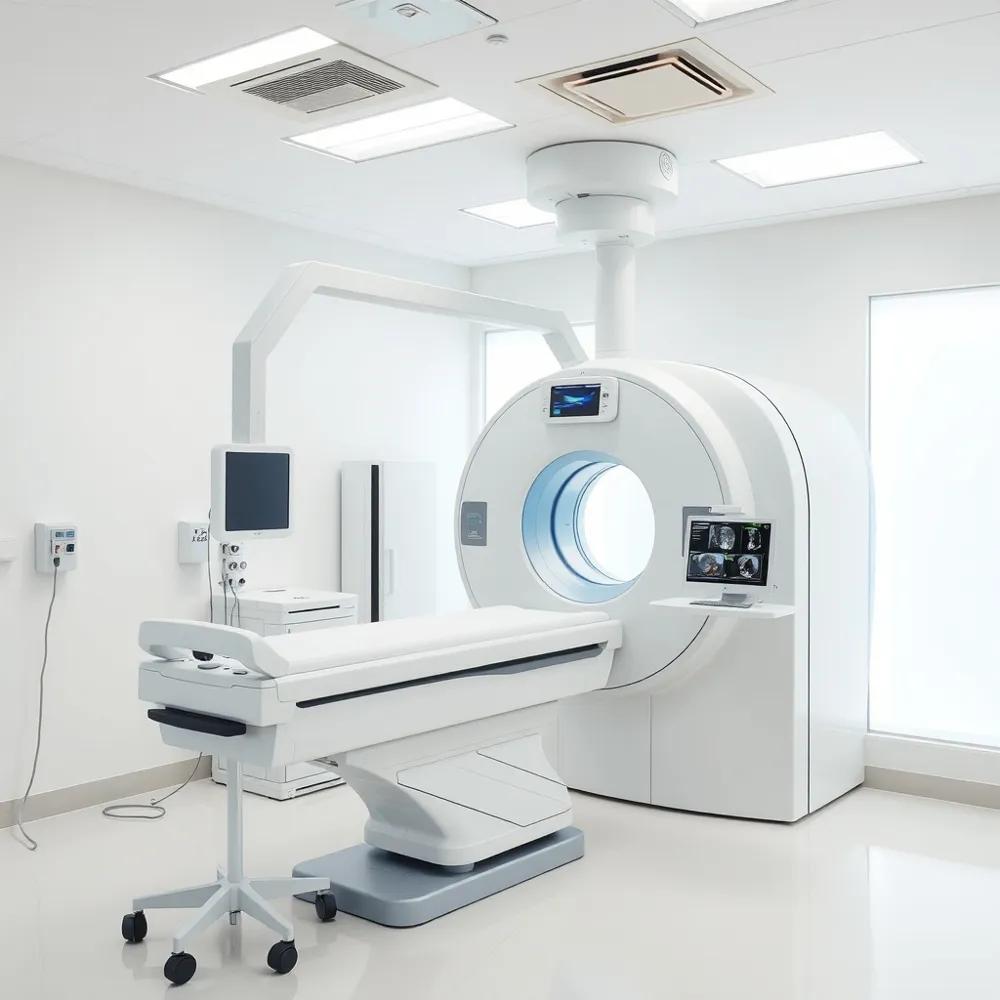 Artificial intelligence is fundamentally transforming medical diagnostics by rapidly collecting and synthesizing vast amounts of patient data to provide actionable clinical recommendations. At Apple Eye Care, this evolution is exemplified by the integration of sophisticated algorithms like Smart Denoise within the DRI OCT Triton. By actively reducing image artifacts and enhancing contrast during scans, this technology ensures that practitioners achieve superior diagnostic clarity compared to equipment that relies solely on standard imaging processes.
Efficiency in diagnosis relies on minimizing manual errors, and AI tools play a critical role in reducing diagnostic miss rates. Modern machine learning algorithms analyze ocular structures to identify subtle anomalies that might otherwise escape human observation. As noted in research on cutting-edge healthcare advances, these digital systems provide essential decision support that allows clinicians to pinpoint specific health risks before they become symptomatic.
Adopting these data-driven insights allows for a transition away from conventional trial-and-error treatment models. Rather than broad, one-size-fits-all strategies, the team at Apple Eye Care uses captured scan data to tailor interventions for individual patients. This high level of precision is essential for the effective management of chronic conditions such as glaucoma.
Despite these technological gains, AI remains a partnership rather than a replacement. Physicians consistently apply professional wisdom and clinical context to interpret AI-generated findings. By combining the speed of automated analysis with the compassionate attention provided at Apple Eye Care, patients receive care plans that are both highly accurate and deeply personal.
The Evolution of Optometry: Beyond Routine Vision Correction
Modern optometry has transformed into a discipline centered on active disease management rather than simple vision correction. At Apple Eye Care, this shift is supported by advanced tools like the DRI OCT Triton, allowing for medical-grade insights during routine visits. This integration of technology provides the high-resolution internal mapping necessary to move from reactive care to a proactive, evidence-based strategy.
What are the primary benefits of using modern diagnostic tools in optometry?
Modern diagnostic tools in optometry, such as the DRI OCT Triton, provide significant benefits by enhancing the precision and reliability of clinical findings. These advancements facilitate early detection of ocular conditions, which is essential for effective disease prevention and the development of proactive management plans. By integrating sophisticated biomedical technology into routine care, practices can achieve higher standards of healthcare quality and more informed decision-making. Furthermore, these diagnostic procedures streamline the patient experience, leading to improved healthcare delivery and better long-term visual outcomes. Ultimately, investing in modern technology ensures that patients receive specialized, personalized attention backed by the most accurate data available.
One central advantage of this approach is the ability to maintain longitudinal patient records. By capturing identical diagnostic scans year over year, clinicians can track even the most subtle structural shifts in eye health. Sharing these high-quality visual data points directly with patients also fosters deeper trust and empowers individuals to take an active role in their treatment plans, a standard of practice consistently prioritized in the El Paso community by Dr. Stephen Applebaum.
A Vision for Personalized and Proactive Eye Wellness
By prioritizing proactive diagnostics, we transform routine eye care into a precise, data-driven journey. The DRI OCT Triton sits at the heart of this evolution, offering high-resolution imaging that detects subtle anomalies in the retina and optic nerve long before physical symptoms emerge research. This early detection helps our team at Apple Eye Care manage conditions like glaucoma and macular degeneration with exceptional confidence.
Technology alone does not define quality care. At our practice, advanced AI-driven diagnostic tools provide the empirical foundation, but the compassionate attention of Dr. Stephen Applebaum ensures those insights translate into effective, personalized wellness strategies. We believe this harmony between sophisticated measurement and patient-centered empathy is essential for long-term health.
Staying ahead of ocular health is a continuous process rather than a one-time event. We encourage you to schedule a comprehensive examination to establish your unique baseline. Monitoring these indicators over time is the most effective way to protect your vision and maintain optimal eye health for years to come.