Why Senior Eye Care Matters More Than Ever
Aging brings natural shifts in how your eyes work, but not every change signals a serious problem. Presbyopia, the gradual loss of near-focus flexibility, typically becomes noticeable in your 40s and progresses with time. This is why many adults find themselves holding menus farther away, a development that adult vision experts say is a normal part of the 41-to-60 age range. The lens also yellows and stiffens, reducing contrast sensitivity and making low-light reading more challenging.
More concerning are changes that warrant prompt attention. Floaters that multiply suddenly, flashes of light, or a gray curtain over your vision can signal a retinal tear or detachment and need emergency evaluation. The National Eye Institute notes that while many age-related conditions develop slowly, others appear quickly and can threaten sight permanently if left untreated.
The four leading age-related eye diseases are cataracts, glaucoma, age-related macular degeneration (AMD), and diabetic retinopathy. Each progresses differently: cataracts cloud the lens, glaucoma damages the optic nerve often with no early symptoms, AMD blurs central vision, and diabetic retinopathy affects blood vessels in the retina. The Cleveland Clinic emphasizes that early detection through regular exams is the single best protection, because many of these conditions are treatable when caught in their earliest stages.
Exam Frequency and Early Warning Signs
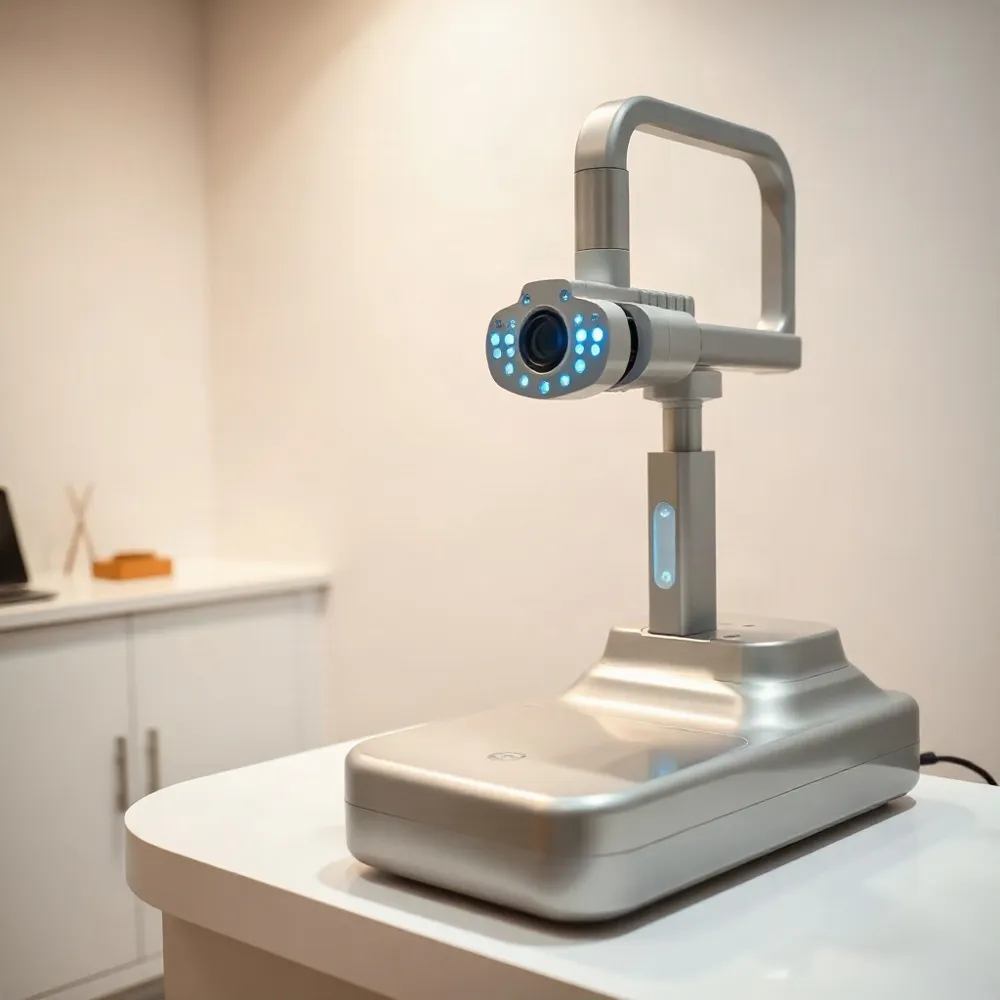
For adults over 60, the American Optometric Association recommends a comprehensive eye exam every one to two years, though your eye doctor may suggest more frequent visits if you have risk factors like diabetes or a family history of glaucoma. The National Institute on Aging reminds seniors that changes in vision often occur gradually, so you might not notice them without regular testing. Apple Eye Care builds this into every visit by combining a thorough refraction with advanced diagnostic imaging using the DRI OCT Triton, which captures detailed cross-sections of the retina and optic nerve.
Watch for these warning signs that should trigger an earlier appointment: sudden vision loss, persistent eye pain, red or swollen eyes, halos around lights, or difficulty adapting to darkness. The Johns Hopkins Medicine advice is straightforward: don't wait for symptoms to disrupt daily life before seeking care. At Apple Eye Care, the team screens for silent conditions like glaucoma and AMD during every comprehensive exam, so you get a baseline that makes future changes easier to spot.
Proactive Eye Health Habits
Beyond exams, lifestyle choices directly affect eye health as you age. A diet rich in leafy greens, omega-3 fatty acids, and vitamins C and E supports retinal function, while wearing UV-blocking sunglasses outdoors reduces cataract and AMD risk. The American Academy of Ophthalmology also highlights controlling blood pressure and blood sugar, since these systemic conditions are closely linked to diabetic retinopathy and other vascular eye problems.
Apple Eye Care incorporates these principles into its care plans, especially for patients managing chronic conditions. The practice's dry eye treatment and glaucoma management programs combine in-office technology with at-home guidance, ensuring that what you do between visits supports long-term vision. Whether you're 55 or 85, taking an active role in your eye health today helps preserve your independence and quality of life tomorrow.
Understanding the Five Most Common Age-Related Vision Changes
 Age does not simply make vision a little blurrier. It triggers physical changes inside the eye that can quietly raise your risk of serious conditions. The lens, a flexible structure that focuses light, gradually hardens and loses its ability to change shape. This process, called presbyopia, is why many people over 40 need reading glasses. The National Institute on Aging notes that by age 60, most adults have some degree of lens stiffening, and the pupil also shrinks and reacts more slowly to changes in light. These shifts are normal, but they set the stage for conditions that deserve attention.
At the same time, the retina and optic nerve face their own wear and tear. The macula, the central part of the retina responsible for sharp reading vision, thins over the years. The gel-like vitreous inside the eye can pull away from the retina, sometimes causing flashes or floaters. The National Eye Institute explains that these anatomical changes are why certain eye diseases become dramatically more common with age. The good news is that regular eye exams can catch many of these changes early, often before you notice any symptoms.
Cataracts: The Clouding That Sneaks Up
Cataracts are the leading cause of reversible vision loss worldwide, and they are almost inevitable with age. The lens becomes cloudy, scattering light and making colors look faded or yellowed. You might find yourself needing brighter lamps or struggling with glare from oncoming headlights. According to the Cleveland Clinic, by age 80, more than half of all Americans either have a cataract or have had cataract surgery. Cataract surgery is one of the safest and most common procedures in medicine, and modern techniques mean recovery is often quick. Apple Eye Care's advanced diagnostics, including the DRI OCT Triton, help detect lens changes early and track their progression.
For many seniors, the decision to treat a cataract depends on how much it interferes with daily life. If reading, driving, or recognizing faces becomes hard, it may be time to talk about options. The American Academy of Ophthalmology's guidance for adults over 65 emphasizes that routine exams are the best way to monitor lens changes. A dedicated care team like Apple Eye Care can assess your candidacy for surgery and coordinate with your surgeon, ensuring you understand each step and what to expect during recovery.
Age-Related Macular Degeneration: The Silent Thief of Central Vision
Age-related macular degeneration (AMD) attacks the macula, gradually destroying the sharp central vision needed for reading, driving, and recognizing faces. It comes in two forms: dry, which progresses slowly and accounts for most cases, and wet, which can cause rapid vision loss when abnormal blood vessels leak under the retina. The National Eye Institute notes that AMD is the leading cause of severe vision loss in adults over 60 in the United States. While there is no cure for dry AMD, early detection can slow its progression, and treatments for wet AMD have advanced significantly in recent years.
Risk factors include age, family history, smoking, and high blood pressure. Early AMD often shows no symptoms, which is why comprehensive dilated eye exams are so important. A dilated exam allows your optometrist at Apple Eye Care to see the macula clearly and spot the drusen deposits that signal early AMD. The American Optometric Association's resources for adults over 60 reinforce that catching these changes early gives you the best chance of preserving vision. If you are diagnosed, your care team can discuss lifestyle changes and, in some cases, injection therapies that can help stabilize the wet form.
Glaucoma: The Disease With No Early Warning
Glaucoma is sometimes called the silent thief of sight because it damages the optic nerve with little or no warning. It typically develops when fluid pressure inside the eye rises to a level that harms the nerve, but it can also occur with normal eye pressure. The Cleveland Clinic reports that the risk of glaucoma rises significantly after age 60, and even more so for African Americans and Hispanics, who can develop it a decade earlier. By the time you notice peripheral vision loss, the disease is often already advanced.
Because glaucoma has no early symptoms, regular comprehensive exams are non-negotiable. During an eye exam at Apple Eye Care, your optometrist measures eye pressure, examines the optic nerve, and may use advanced imaging to assess the nerve fiber layer. The DRI OCT Triton provides high-resolution images that can reveal thinning of the nerve fibers years before visual field loss appears. Treatments such as prescription eye drops, laser procedures, and surgery can slow progression, but they cannot restore vision already lost. That makes early detection at Apple Eye Care the single most important step you can take.
Diabetic Retinopathy: A Complication You Can Manage
If you have diabetes, high blood sugar can damage the tiny blood vessels in the retina, a condition called diabetic retinopathy. It is a leading cause of blindness among working-age adults, but it is also one of the most preventable vision problems. The condition often has no symptoms in its early stages, but as it progresses, you may see dark spots, blurred vision, or a sudden change in vision. The National Eye Institute notes that controlling blood sugar, blood pressure, and cholesterol can significantly reduce your risk of developing or worsening retinopathy.
Annual dilated eye exams are essential for anyone with diabetes, even if you think your vision is fine. During these exams, your optometrist can see the retina and detect early signs of damage. If retinopathy is found, treatments range from laser therapy to injections that prevent further bleeding. Apple Eye Care's diagnostic technology allows for detailed retinal imaging, helping to monitor any changes year over year. Managing your diabetes alongside a trusted eye care team gives you the best chance of preserving your sight for years to come.
Common Age-Related Eye Problems Beyond the Big Five
Beyond cataracts, AMD, glaucoma, and diabetic retinopathy, aging brings other eye issues that deserve attention. Floaters and flashes are common, but a sudden increase in them can signal a retinal tear or detachment, which is a medical emergency. Dry eye syndrome becomes more prevalent with age because tear production declines, leading to a gritty, burning sensation. The Johns Hopkins Medicine resource on age-proofing your vision explains that dry eyes are not just uncomfortable; they can also affect visual quality and increase the risk of infection.
Peripheral vision can also narrow with age, and contrast sensitivity declines, making it harder to see in low light. These changes increase the risk of falls, which is a major concern for older adults. The American Academy of Ophthalmology emphasizes that maintaining good lighting, using anti-glare lenses, and getting regular checkups can help you stay active and independent. Apple Eye Care can recommend specialized options, such as progressive lenses or tinted filters, to address these everyday challenges and help you age well.
Why Regular Eye Exams Are Your Best Defense
The theme running through every condition above is the power of early detection. Many age-related eye diseases are silent in their early stages, causing no pain and no obvious vision changes. That is why the American Optometric Association recommends comprehensive eye exams at least every two years for adults over 60, and more frequently if you have risk factors like diabetes, high blood pressure, or a family history of eye disease. For adults over 65, the National Institute on Aging echoes this advice, noting that exams can catch problems before they affect your daily life.
An eye exam is about more than just a prescription. It is a window into your overall health, revealing signs of high blood pressure, high cholesterol, and even diabetes. At Apple Eye Care in El Paso, TX, the team led by Dr. Stephen Applebaum combines comprehensive eye exams with advanced diagnostic imaging like the DRI OCT Triton. This technology allows for earlier and more accurate detection of glaucoma, AMD, and other conditions. By choosing a practice that prioritizes both technology and personalized attention, you are making a proactive investment in your vision and your quality of life.
| Condition | Early Signs | Why Screening Matters |
|---|---|---|
| Cataracts | Cloudy, faded vision; glare | Surgery can restore vision |
| AMD | Central blur; distorted lines | Early treatment slows progression |
| Glaucoma | Peripheral vision loss (late) | No early symptoms; early detection preserves sight |
| Diabetic retinopathy | Often none until bleeding | Diabetes control and laser can prevent blindness |
| Dry eye / floaters | Gritty feeling; sudden flashes | Treats symptoms; detects retinal tears |
How Aging Eyes Change: From Dry Eyes to Night Driving
 Small daily choices add up when it comes to protecting your vision over 60. Simple routines, like wearing sunglasses that block both UVA and UVB rays, can slow the development of cataracts and reduce your risk of macular degeneration. The National Eye Institute at the NIH notes that protecting your eyes from ultraviolet light is one of the most effective ways to preserve sight as you age.
Nutrition also plays a direct role. Diets rich in leafy greens, omega-3 fatty acids, and antioxidants have been linked to lower rates of age-related eye disease. Your optometrist can help you understand which nutrients matter most for your specific health profile.
Why Regular Eye Exams Become Non-Negotiable
Many eye diseases, including glaucoma and age-related macular degeneration, develop painlessly and silently in their early stages. The American Academy of Ophthalmology recommends that adults over 65 get a comprehensive eye exam every one to two years, even if your vision feels fine. Early detection is your best protection against permanent vision loss.
This is where Apple Eye Care makes a concrete difference. Our practice uses a cutting‑edge imaging system that captures cross‑sectional images of your retina, allowing us to spot early signs of glaucoma, macular degeneration, and diabetic retinopathy that standard tests might miss. Pairing this technology with the expertise of Dr. Stephen Applebaum means you get an accurate baseline of your eye health at every visit, not just when problems appear.
Managing Common Age-Related Eye Problems at Home
Conditions like dry eye, cataracts, and presbyopia become more common after 60. The Cleveland Clinic notes that the lens of the eye stiffens and the tear film thins with age, which is why many seniors notice blurriness and discomfort. Understanding the warning signs helps you seek care early.
- Blurred or distorted vision that doesn't improve with blinking
- Increased sensitivity to glare and light, especially at night
- Frequent changes in eyeglass or contact lens prescriptions
- Floaters, flashes, or a sudden loss of peripheral vision
- Persistent dryness, itching, or a gritty feeling that doesn't resolve
When these symptoms appear, Apple Eye Care offers a full suite of specialized services, including dry eye treatment and cataract and glaucoma management. We combine diagnostic precision with a family‑focused, patient‑centered approach that helps you understand your condition and your options clearly.
Creating an Eye-Healthy Lifestyle
Beyond exams and nutrition, protect your eyes from injury and strain. Wear protective eyewear during home repairs or yard work, and follow the 20-20-20 rule if you spend long hours on screens. The NIH's Aging and Your Eyes guide reinforces that staying active, managing diabetes and high blood pressure, and not smoking are all proven ways to safeguard your vision.
At Apple Eye Care, we don't just treat eye problems; we help you prevent them. Our team, led by Dr. Stephen Applebaum, provides personalized recommendations based on your lifestyle and risk factors, so you can keep seeing clearly for years to come. Whether it's a routine exam or advanced diagnostic testing, we're here to support every stage of your vision journey.
| Routine Care | Apple Eye Care Advantage | Why It Matters |
|---|---|---|
| Standard eye exam | DRI OCT Triton imaging | Catches early signs of disease |
| General screening | Specialized dry eye and cataract management | Addresses root causes, not just symptoms |
| Generic advice | Family-focused, personalized guidance | Treatment fits your lifestyle and risk profile |
The Critical Role of Regular Eye Exams for Seniors
The aging process brings natural changes to the eyes, and by the time you reach your 40s and 50s, your vision often shifts in ways that are easy to overlook. Conditions like presbyopia, the gradual loss of near-focusing ability, become almost universal after 40, and the risk of more serious diseases climbs steadily with each decade. According to the National Institute on Aging, age-related changes can make it harder to see clearly at night, read small print, and distinguish colors. Recognizing the most common problems early is the first step toward preserving your sight.
The five conditions that appear most frequently in senior eye care are cataracts, age-related macular degeneration (AMD), glaucoma, diabetic retinopathy, and dry eye syndrome. Each affects a different part of the eye, but all share one trait: they are more manageable when caught in their earliest stages. A comprehensive dilated eye exam, the kind that Apple Eye Care performs using advanced diagnostic technology like the DRI OCT Triton, can detect these conditions long before you notice symptoms.
Cataracts: Clouding of the Natural Lens
A cataract is a clouding of the eye's natural lens that makes vision look foggy, blurry, or hazy, and it is the leading cause of vision loss in adults over 40. Over time, proteins in the lens clump together, and as they accumulate, less light reaches the retina. The Cleveland Clinic notes that most cataracts develop slowly and may not interfere with vision at first, but eventually they can make it hard to drive at night, read, or see faces clearly.
Early cataracts can often be managed with stronger glasses, brighter lighting, and anti-glare sunglasses. However, when the clouding starts to interfere with daily activities like reading, cooking, or driving, cataract surgery becomes the only effective treatment. During the procedure, the clouded lens is removed and replaced with an artificial intraocular lens, restoring clear vision. Apple Eye Care monitors cataract progression during routine exams and can help you decide when surgical referral is appropriate, coordinating your care every step of the way.
Age-Related Macular Degeneration (AMD)
Age-related macular degeneration affects the macula, the small central portion of the retina responsible for sharp, straight-ahead vision. While AMD rarely causes complete blindness, it can rob you of the ability to see faces, read, drive, or recognize fine details. There are two main forms: the more common dry AMD, which progresses slowly as the macula thins, and the less common wet AMD, which involves abnormal blood vessel growth and can cause rapid, severe vision loss.
There is no cure for AMD, but early detection is critical because treatments can slow progression and preserve remaining vision. Lifestyle choices matter too: not smoking, maintaining a healthy diet rich in leafy greens and omega-3 fatty acids, and controlling blood pressure all reduce risk. Your eye doctor can detect drusen, the hallmark yellow deposits of early AMD, during a dilated exam. Apple Eye Care uses the DRI OCT Triton for high-resolution retinal imaging, which helps identify the earliest signs of AMD so you can take action sooner.
Glaucoma: The Silent Thief of Sight
Glaucoma is a group of eye diseases that damage the optic nerve, usually because fluid builds up inside the eye and raises intraocular pressure. What makes it particularly dangerous is that it has no early warning symptoms; peripheral vision erodes so gradually that many people do not notice until significant vision is already lost. According to the American Academy of Ophthalmology, it is one of the leading causes of blindness in adults over 60, and routine eye exams are the only way to catch it before damage becomes irreversible.
During a comprehensive exam, your eye doctor measures eye pressure, examines the optic nerve head, and tests your field of vision. Elevated pressure does not always mean you have glaucoma, and glaucoma can occur with normal pressure, so these tests are essential. Apple Eye Care checks all these factors and, if signs of glaucoma appear, can recommend pressure-lowering eye drops or discuss other treatment options with you. Regular monitoring is key to preventing vision loss from this sneaky disease.
Diabetic Retinopathy: A Complication of Diabetes
Diabetic retinopathy develops when high blood sugar damages the tiny blood vessels in the retina. Over time, these vessels can leak fluid or blood, swell, and eventually close off, depriving retinal tissue of oxygen. The condition is the leading cause of blindness in working-age adults, but it can also strike seniors, especially those who have had diabetes for many years. Because the early stages often cause no symptoms, a dilated eye exam is the only way to detect it before vision is lost.
Controlling blood sugar, blood pressure, and cholesterol can slow the progression of diabetic retinopathy, but once it advances, laser treatment, injections, or surgery may be needed to preserve vision. That is why the American Diabetes Association and the American Academy of Ophthalmology recommend that people with diabetes get a comprehensive eye exam every year. Apple Eye Care's advanced imaging can reveal tiny retinal changes that are invisible to the naked eye, allowing earlier intervention and better protection of your sight.
Dry Eye Syndrome: More Than a Minor Irritation
Dry eye syndrome occurs when your eyes do not produce enough tears or when tears evaporate too quickly, leaving the surface of the eye dry, irritated, and inflamed. It is one of the most common reasons seniors visit an eye doctor, and it becomes more prevalent with age. Symptoms include stinging, burning, redness, a gritty feeling, or even watery eyes that are actually a reflex to dryness. While it may sound minor, severe chronic dry eye can damage the cornea and affect quality of life.
Treatment ranges from artificial tears and prescription drops to in-office procedures that help retain moisture. Simple habits like taking regular screen breaks, staying hydrated, and using a humidifier can also provide relief. Apple Eye Care offers specialized dry eye evaluation and treatment, tailoring a plan to the cause of your dryness rather than just masking the symptoms. If you have persistent dry eye symptoms, a thorough evaluation can determine the best path to comfortable, clear vision.
| Condition | Primary Effect | Typical Treatment |
|---|---|---|
| Cataracts | Clouded lens, blurry vision | Glasses, surgery |
| AMD | Central vision loss | Diet, injections, laser |
| Glaucoma | Optic nerve damage, vision loss | Drops, laser, surgery |
| Diabetic retinopathy | Retinal blood vessel damage | Blood sugar control, injections |
| Dry eye syndrome | Inflammation and irritation | Artificial tears, procedures |
Early Detection: How Advanced Technology Protects Your Sight
For adults over 60, the annual eye exam is far more than a routine checkup. It is the single most effective way to catch sight-threatening conditions before they steal vision permanently. The American Optometric Association notes that after age 60, everyone should have an eye exam every year or as often as their optometrist recommends, because many common age-related eye problems, including glaucoma, cataracts, and macular degeneration, show few early symptoms.
A comprehensive exam in the senior years is not the same as the quick refraction you may remember. It begins with a review of your medical and family history, then moves through a battery of tests. Your eye care professional will check visual acuity, eye pressure, the health of your retina, and your field of vision. Each step matters: elevated eye pressure can signal glaucoma risk, while changes to the macula can reveal early age-related macular degeneration. The National Eye Institute describes these age-related changes as some of the most common causes of vision loss in older adults.
This is where modern technology changes outcomes. Advanced imaging, such as optical coherence tomography (OCT), allows your eye doctor to see layers of the retina that are invisible during a standard exam. The DRI OCT Triton system used at Apple Eye Care captures high-resolution cross-sections of the macula and optic nerve, making it possible to detect glaucoma and macular disease months or even years earlier than traditional methods. Early detection is everything: many of these conditions are treatable when caught in their earliest stages, but irreversible damage can occur before symptoms appear.
A thorough exam for a senior also includes a check of peripheral vision, which is often the first thing to go in glaucoma. It may test how your pupils respond to light and how well you see at night, both of which decline with age. The Cleveland Clinic highlights that these functional changes are normal parts of aging, but they can also be early warning signs of conditions like cataracts or diabetic retinopathy.
What to Expect During Your Appointment
If it has been a while since your last full exam, the process can feel thorough but gentle. Expect the doctor to ask about your daily habits, such as how much time you spend outdoors, whether you drive at night, and how often you use screens. These details help tailor the exam to your life. For seniors, the doctor may also ask about recent falls or balance issues, which can be linked to vision problems.
The exam itself usually takes about an hour. In addition to the standard tests, the doctor may perform a retinal imaging scan that produces a detailed map of your eye's interior. At Apple Eye Care, this imaging is combined with a doctor's review in the same visit, so you leave with a clear picture of your eye health and a plan for any follow-up care.
Managing Common Senior Eye Conditions: Glaucoma, Cataracts, and AMD
 Aging brings natural changes to the visual system, and some of the most common conditions develop gradually. The National Eye Institute notes that early detection remains the single most effective defense against permanent vision loss. Knowing the five most frequent age-related eye diseases helps you recognize warning signs and seek care promptly.
Age-Related Macular Degeneration (AMD)
AMD damages the macula, the central part of the retina responsible for sharp, straight-ahead vision. Cleveland Clinic explains that it progresses in two forms: dry AMD, which advances slowly as the macula thins, and wet AMD, where abnormal blood vessels leak fluid and cause rapid vision loss. Early stages may show no symptoms, which is why comprehensive dilated exams matter. The National Institute on Aging emphasizes that no cure exists, but treatment can slow progression when caught early.
Cataracts
Cataracts cloud the eye's natural lens, blurring vision and increasing glare. They are so common that the American Academy of Ophthalmology reports more than half of Americans over 80 have them. While age is the primary driver, Johns Hopkins Medicine notes that UV exposure, smoking, and diabetes accelerate their formation. Surgery is highly effective and typically restores vision, but routine exams catch the cataract before it affects daily activities like driving.
Glaucoma
Glaucoma damages the optic nerve, usually from elevated intraocular pressure, and it is often called the "silent thief of sight" because it causes no pain or early symptoms. The American Optometric Association points out that vision loss from glaucoma is irreversible, but early treatment with drops, laser, or surgery can preserve remaining sight. Because open-angle glaucoma has no warning signs, regular pressure checks become increasingly important after age 60.
Diabetic Retinopathy
For people with diabetes, high blood sugar damages the tiny blood vessels in the retina, causing them to leak or close off. The NIH's National Eye Institute states that this condition remains a leading cause of blindness among working-age adults. Unlike other age-related diseases, diabetic retinopathy often produces early symptoms like floaters or blurred vision, but only a dilated exam can confirm it. Tight blood sugar control reduces the risk of vision loss, yet Cleveland Clinic notes that many people are diagnosed only after damage occurs.
Dry Eye Disease
Dry eye is not merely an annoyance; it reflects a chronic imbalance in tear production or composition. Aging and Your Eyes from NIH explains that tear glands produce fewer tears as we age, and certain medications common in older adults worsen the problem. Symptoms include burning, stinging, redness, and a gritty feeling. While not vision-threatening in most cases, severe dry eye can damage the cornea. Treatments range from artificial tears to prescription drops and in-office procedures. The American Optometric Association stresses that chronic dryness should be evaluated because it can interfere with reading, driving, and screen use.
| Condition | Primary Cause | Early Warning Signs |
|---|---|---|
| AMD | Macula degeneration | Distorted or blurred central vision |
| Cataracts | Lens clouding | Glare, halos, faded colors |
| Glaucoma | Optic nerve damage | None (silent) until late stages |
| Diabetic retinopathy | Retinal blood vessel damage | Floaters, blurred vision |
| Dry eye | Tear film insufficiency | Burning, gritty, red eyes |
Each of these conditions has distinct risk factors and treatments, but they share one thing in common: the best way to age-proof your vision is a comprehensive eye exam. For seniors in El Paso, Apple Eye Care offers advanced diagnostic imaging, including the DRI OCT Triton, to detect these diseases at their earliest stages. Unlike a basic vision chart, this technology reveals subtle changes in the retina and optic nerve that would otherwise go unnoticed.
Practical Tips for Seniors: Driving Safety and Daily Eye Care
Aging brings natural changes to every part of the body, and the eyes are no exception. According to the National Institute on Aging, the lens of the eye becomes less flexible and the muscles that control the pupil weaken with age, making it harder to focus on close objects and to adjust to changing light. These changes are normal, but they can also coexist with conditions that threaten vision if left unchecked. Knowing which diseases are most common and what their early warning signs look like is the first step toward protecting your sight.
Cataracts
Cataracts are the leading cause of vision loss worldwide, and the American Academy of Ophthalmology notes that more than half of all Americans over age 65 have some degree of cataract formation. The lens of the eye becomes cloudy, causing blurry or dimmed vision, sensitivity to glare, and faded colors. Early cataracts may require only a stronger prescription or brighter lighting, but as the condition progresses, cataract surgery becomes one of the safest and most effective procedures available. At Apple Eye Care, our comprehensive eye exams include advanced imaging that can detect lens changes before you notice them.
Age-Related Macular Degeneration (AMD)
AMD affects the macula, the central portion of the retina responsible for sharp, straight-ahead vision. The National Eye Institute explains that AMD can progress from dry (drusen deposits) to wet (abnormal blood vessels that leak), and the wet form can cause rapid, severe vision loss. Early AMD often has no symptoms, which is why routine dilation is so important. Apple Eye Care uses the DRI OCT Triton to image the retina in detail, allowing early detection of AMD when treatment has the best chance of preserving central vision.
Glaucoma
Glaucoma damages the optic nerve, usually due to elevated intraocular pressure, and it is a leading cause of irreversible blindness. The Cleveland Clinic notes that by age 60, the risk of developing glaucoma rises sharply, and many forms have no symptoms until significant peripheral vision is already lost. That is why the American Optometric Association recommends an annual eye exam for adults over 60, even for those who think their vision is fine. At Apple Eye Care, we measure eye pressure and assess the optic nerve during every comprehensive exam, so we can catch glaucoma early and slow its progression.
Diabetic Retinopathy
For the more than 30 million Americans living with diabetes, diabetic retinopathy is a serious threat. High blood sugar damages the tiny blood vessels in the retina, leading to bleeding, swelling, and the growth of abnormal vessels. The Johns Hopkins Medicine guidance on aging eyes emphasizes that tight blood sugar control is the single most important factor in preventing retinopathy, but regular eye exams are what allow an ophthalmologist to see the early vascular changes before you notice vision problems. Our imaging technology can document these changes over time, helping your eye doctor and your primary care physician coordinate your care.
Dry Eye and Other Comfort Issues
Not every age-related eye problem threatens permanent vision, but dry eye syndrome can significantly impact quality of life. As we age, tear production declines and the tear film becomes less stable, leading to burning, stinging, redness, and fluctuating vision. The National Institute on Aging notes that dry eye is more common after 50, and certain medications for blood pressure, allergies, or depression can worsen it. We treat dry eye with a range of options, from preservative-free artificial tears and warm compresses to prescription drops that reduce inflammation, depending on the severity of your symptoms.
| Condition | Main Symptom | Key Prevention |
|---|---|---|
| Cataracts | Blurry, dim vision; glare | UV protection, routine exams |
| AMD | Distorted central vision | Early detection with OCT |
| Glaucoma | Often none until advanced | Annual pressure checks |
| Diabetic Retinopathy | Floaters, blurriness | Blood sugar control |
| Dry Eye | Burning, redness, tearing | Tear film management |
Protecting Your Vision for the Years Ahead
After age 60, routine eye exams stop being optional and start acting as a primary line of defense. The National Eye Institute notes that conditions like age-related macular degeneration, cataracts, glaucoma, and diabetic retinopathy often develop without early warning signs, which is why regular dilated exams are the only reliable way to catch them before they quietly steal vision.
The American Optometric Association recommends that adults over 60 receive a comprehensive eye exam at least once a year, even if they notice no changes in their sight. This cadence reflects how quickly aging eyes can shift; subtle pressure changes or microscopic lens clouding may go unnoticed for months, yet a comprehensive exam can flag them early. For seniors, the benefits extend far beyond updated prescriptions, offering a window into both eye health and overall systemic wellness.
What Changes Inside the Aging Eye
Aging affects every part of the visual system. The lens gradually hardens and loses flexibility, making it harder to focus on close objects, a process called presbyopia. The vitreous gel inside the eye may shrink, sometimes pulling away from the retina and causing flashes or floaters. Meanwhile, the risk for chronic conditions climbs: the National Institute on Aging reports that the prevalence of cataracts, glaucoma, and macular degeneration all increase significantly with each decade after 60.
These structural changes also affect everyday function. Reduced contrast sensitivity makes it harder to see curbs or stairs in dim light, and older adults often experience increased glare from oncoming headlights at night. For seniors, these changes translate directly into higher fall risk and a greater chance of medication errors from misread labels. Recognizing these shifts is the first step toward managing them.
The Most Common Age-Related Conditions
A handful of eye diseases dominate senior vision concerns. Each has distinct characteristics, but they share one trait: early detection dramatically improves outcomes. The Cleveland Clinic emphasizes that many of these conditions are treatable when caught in their initial stages, which is why routine screening matters so much.
Cataracts. Clouding of the eye's natural lens, causing blurry vision, faded colors, and increased glare. Surgery remains highly effective when the condition progresses.
Glaucoma. Damage to the optic nerve, often linked to elevated eye pressure. It typically has no early symptoms, and vision loss is irreversible without treatment.
Macular degeneration. Breakdown of the central retina, leading to a loss of central vision. The dry form progresses slowly, while the wet form can cause rapid vision loss.
Diabetic retinopathy. Damage to retinal blood vessels from diabetes, potentially causing bleeding and swelling. It is a leading cause of blindness in working-age adults but can be managed with early intervention.
Floaters and flashes can also signal trouble. While often benign, a sudden shower of new floaters or persistent flashes may indicate a retinal tear or detachment, which requires urgent care. If you experience these symptoms, contact an eye care professional immediately rather than waiting for your next scheduled visit.
Why Annual Exams Are Your Best Defense
For adults over 60, a yearly comprehensive eye exam is not just about checking your prescription. During a dilated exam, the eye care professional evaluates the retina, optic nerve, and lens in detail, looking for early signs of disease. The American Academy of Ophthalmology notes that this examination can also reveal systemic conditions like high blood pressure, high cholesterol, and even diabetes, because blood vessels in the retina are directly visible.
Consider the consequences of skipping even one year: a small cataract may advance, a slow-rising eye pressure may cross into the glaucoma zone, or an early macular change may progress past the point of effective intervention. Each of these carries a more serious outcome and more invasive treatment than if caught earlier. This is why the Mayo Clinic and other major medical organizations consistently stress annual exams for this age group.
How to Prepare for a Senior Eye Exam
A little preparation can make your appointment more effective and less stressful. Bring your current eyeglasses or contact lens prescription, a list of all medications you take (including over-the-counter and supplements), and your family's eye health history. Also, note any recent changes in your vision, such as difficulty driving at night, increased squinting, or frequent headaches.
- Write down questions beforehand, such as whether your current glasses still suit your distance or reading needs.
- Mention any chronic conditions like diabetes or high blood pressure, as these affect eye health.
- Be honest about lifestyle factors like smoking, alcohol use, and screen time, since these influence your risk.
- If you've had a previous eye surgery, bring the date and type of procedure.
Don't wait for symptoms to appear. By the time many eye conditions cause noticeable vision changes, some damage has already occurred. Schedule your next eye exam today to keep your world in focus for years to come.