Modernizing Patient Access at Apple Eye Care
Modern patients increasingly expect the same level of digital convenience in healthcare as they find in retail or travel. Roughly 60% of consumers now prefer online scheduling for their appointments, moving away from traditional phone-based booking. At Apple Eye Care, this digital shift helps support a family-oriented approach directed by Dr. Stephen Applebaum, creating more space for the team to focus on high-quality interactions during each visit.
Technology acts as a bridge, improving the patient-provider relationship by offering a convenient interface for busy individuals seeking professional eye health services. While generic booking tools can sometimes lead to scheduling errors or incomplete intake, the team at Apple Eye Care maintains a personal touch by integrating modern diagnostic tools like the DRI OCT Triton with patient-focused care. This combination ensures that the technology remains a tool for connection rather than a wedge.
Efficiency in the digital age relies on removing administrative friction. By allowing patients to manage their own time, practices can reduce the burden on front-desk staff, who then gain the bandwidth to deliver the personalized attention that family care requires. For comprehensive services, from dry eye treatment to cataract and glaucoma management, using digital systems to capture history and insurance information beforehand ensures that every in-person consultation is grounded in readiness and precision.
Core Benefits of Digital Appointment Scheduling
 Implementing an online appointment scheduling system provides significant benefits for a medical practice, most notably by offering patients 24/7 accessibility to book their own visits. This digital approach drastically reduces the administrative burden on front-desk staff, allowing them to focus on providing personalized, high-quality patient care rather than managing constant phone calls. By automating the scheduling process and utilizing smart reminders, practices can see a substantial decrease in no-show rates. When clinics shift away from manual phone bookings, they reduce the risk of double-bookings and ensure better utilization of the doctor’s time.
Streamlining Operations Through Digital Integration
Modernizing the booking process creates a more accessible, organized, and professional environment. At Apple Eye Care, these systems offer valuable time-saving efficiencies that streamline daily operations. By integrating online portals, practices can capture patient demographics and history before the visit, which directly supports the four S's of clinic flow optimization. This structured scheduling helps staff manage specific service types, such as advanced diagnostics with the DRI OCT Triton, ensuring that equipment and practitioners are ready for each patient upon their arrival. By staggering arrivals and clearly defining appointment slots, the office avoids the bottlenecks that commonly plague manual, paper-based systems.
| Feature | Practice Benefit | Patient Outcome |
|---|---|---|
| 24/7 Access | Reduced phone traffic | Book at convenience |
| Automated Reminders | Fewer no-shows | Improved attendance |
| Data Automation | Efficient intake | Less lobby wait time |
Strategies to Reduce Patient No-Show Rates
 Missed appointments represent a significant burden for clinical practices, with industry estimates suggesting that no-shows cost the healthcare sector as much as $150 billion annually. At Apple Eye Care, managing these absences is a primary objective for protecting our clinicians' time and maintaining consistent care quality for patients seeking specialized services like dry eye treatment or cataract management.
How do online booking systems contribute to reducing patient no-show rates? Online booking systems significantly reduce no-shows by placing the power of scheduling directly in the patient's hands, allowing them to secure a time that aligns with their personal availability. These systems automatically trigger confirmation emails and reminders, which serve as essential prompts that help patients keep their appointments top-of-mind. Furthermore, by enabling patients to easily reschedule or cancel online, the systems provide a convenient alternative to simply not showing up, allowing the practice to reallocate that time to others. This improved communication and flexibility increase patient accountability and commitment to the scheduled slot. Ultimately, these tools transform a static appointment into an active, managed commitment, fostering better reliability for the practice.
Data confirms the effectiveness of these digital interventions. According to reports in Modern Optometry, implementing automated confirmation and reminder triggers can reduce no-show rates by as much as 17 percent. Unlike generic calendars, modern optometry practice management tools enable staff to define specific parameters for exam types and durations, ensuring that the schedule remains structured and efficient even when patient numbers fluctuate.
By shifting the scheduling burden to an automated platform, offices can prioritize Four Steps to A Streamlined Schedule, such as categorizing visit lengths and benchmarking timeframes from arrival to discharge. This focus on operational precision, coupled with intuitive self-service tools, ensures that resources at a clinic like Apple Eye Care are always optimized for the highest caliber of patient attention.
Telehealth and the Evolution of Modern Eye Care
Telehealth serves as a vital tool in modern optometry by expanding patient access to care, particularly for those in remote areas or with limited mobility. By facilitating improved coordination between healthcare practitioners, these platforms allow for more efficient consultation and management of complex conditions. At Apple Eye Care, the team recognizes the value of modern technology in improving patient outcomes and utilizes these digital frameworks to support seamless continuity of care. Ultimately, the integration of remote solutions promotes equitable healthcare delivery, ensuring that patients receive timely professional guidance while maintaining the high standard of clinical excellence expected in professional optometry.
Balancing Virtual Care with In-Person Diagnostics
While remote services enhance communication and convenience, it is important to understand the distinctions between virtual and clinical care. The American Optometric Association recommends comprehensive in-person eye exams every two years for low-risk adults, as these visits remain essential for performing thorough diagnostic assessments. While an online exam can facilitate simple prescription renewals for healthy individuals, it cannot replace the necessity of pupil dilation, glaucoma screenings, or pressure tests.
Apple Eye Care bridges this gap by using digital tools to supplement, rather than replace, essential physical diagnostics. For patients requiring specialized management for conditions like cataracts or glaucoma, telehealth options assist in monitoring stability between scheduled office visits. By combining the convenience of remote updates with high-level clinical diagnostics like the DRI OCT Triton, the practice ensures that every patient receives a comprehensive health assessment that virtual tools alone cannot provide.
Optimizing Clinic Flow and Operational Efficiency
Efficient clinic performance relies on the framework known as the four S's: space, staffing, systems, and scheduling. By optimizing the physical layout to minimize redundant movement and placing diagnostic tools strategically, Modern Optometry notes that practices can prevent the bottlenecks often caused by provider backtracking. At Apple Eye Care, this systemic approach ensures that advanced technology like the DRI OCT Triton is positioned precisely to support clinical movement throughout the day.
Data-driven scheduling begins with a rigorous time audit. This process involves categorizing visits to account for varying requirements, such as comprehensive exams that demand significant duration or progress visits that are faster to complete. As highlighted by Review of Optometry, tracking specific timeframes from arrival to the completion of an exam provides the data necessary to accurately structure an office schedule. Clinics that conduct these audits can identify peak productivity periods, allowing staff to avoid the common mistake of booking more patients than can be effectively managed within a single hour.
Categorizing appointment types is essential for maintaining both equipment and practitioner utilization. By clearly distinguishing between routine refractions, medical management for conditions like glaucoma, and urgent triage needs, practices can avoid the scheduling conflicts that result in physician downtime. Apple Eye Care balances these demands by implementing personalized care strategies that align specific appointment lengths with the necessary diagnostic equipment. This level of intentional planning ensures that practitioners remain focused on patient needs without the disruption of scheduling inaccuracies.
- Use a combination approach by starting the day with a wave of quick progress visits.
- Implement a stream of appointments to maintain consistency for complex procedures.
- Require new patients to complete paperwork via a portal to prevent administrative delays.
- Stagger arrival times to distribute the patient load evenly throughout the morning.
Understanding Online Vision Exams vs. In-Person Care
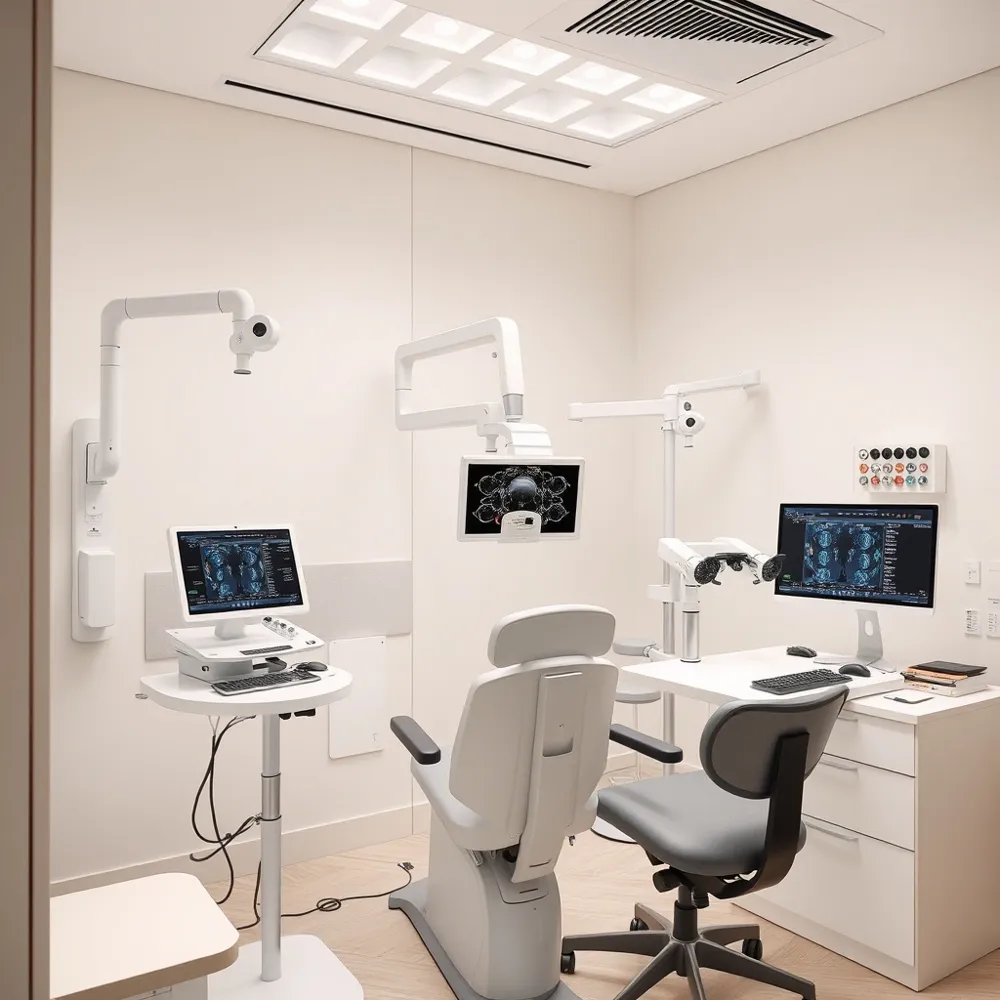 Online vision tests offer a convenient method for renewing existing prescriptions, but they are not a substitute for comprehensive eye examinations. While these digital tools focus primarily on visual acuity and refraction, they cannot assess overall eye health, internal structures, or peripheral vision. Practices like Apple Eye Care conduct full diagnostics using advanced tools like the DRI OCT Triton to evaluate patients for conditions such as cataracts or glaucoma, which online platforms cannot detect.
- Online vision exams generally take 5 to 10 minutes and are suitable for healthy adults aged 18 to 39 looking to renew simple glasses or contact lens prescriptions.
- Individuals with systemic health conditions like diabetes, or those managing eye-specific concerns like glaucoma, require in-person professional care to ensure safety and clinical accuracy.
- The American Optometric Association recommends that low-risk adults undergo professional, in-person eye exams every two years, whereas high-risk groups or those over 65 may need more frequent assessments.
- First-time contact lens wearers must visit a clinic for a physical fitting, as the physical interaction between the lens and the eye cannot be evaluated remotely.
Patients should view digital testing as a supplemental resource rather than a total replacement for preventive care. Periodic in-person eye exams are essential because they allow an optometrist to monitor systemic issues, such as high blood pressure and diabetes, which often present early, detectable signs within the eye.
The Future of Integrated Patient Engagement
Modern optometry practices are moving beyond basic availability by integrating patient records and insurance verification directly into the booking journey. By pulling information from established databases, clinics like Apple Eye Care ensure that patients are matched with the appropriate provider and visit duration before they ever step into the office, minimizing administrative friction.
Advanced triage plays a critical role in this shift. While generic booking tools often fail to distinguish between routine refractions and urgent needs, AI-powered scheduling can identify symptoms like flashes of light or sudden pain, signaling the need for immediate clinical intervention. This intelligence ensures patients receive the correct level of diagnostic care, such as the specialized imaging available through the DRI OCT Triton.
Patient transparency is further enhanced through secure portals that provide real-time access to health records and history. Coupled with two-way communication tools, these digital engagement platforms allow offices to answer questions instantly, fostering a relationship built on accessibility and professional trust.
Empowering Health Through Seamless Digital Integration
The transition to patient-centered digital tools is fundamentally reshaping how individuals interact with their eye care providers. As 60% of consumers now prefer self-service booking options, clinics that embrace these technologies position themselves to better serve their communities. Modern platforms do more than simplify logistics, they build a foundation of transparency and accessibility that encourages consistent health management.
At Apple Eye Care, this digital evolution is central to providing high-quality diagnostics for patients in El Paso. By integrating advanced imaging tools like the DRI OCT Triton with seamless, online-enabled workflows, Dr. Stephen Applebaum and his team ensure that technology serves the goal of compassionate, family-oriented care. This balance of digital convenience and clinical expertise means that scheduling is never a barrier to maintaining long-term eye health.
Modernizing the clinic experience creates a tangible benefit for both the practice and the patient. Whether through automated appointment reminders that reduce no-shows or the ability to access specific diagnostic services tailored to individual needs, these tools ultimately empower patients to take charge of their vision. Providing a modern, efficient environment ensures that the focus remains exactly where it belongs: on preserving sight and improving quality of life for every family member.