The Evolution of Long-Term Eye Health
Effective eye care has shifted from a reactive model focused on immediate symptom relief to a proactive, lifelong strategy. While traditional appointments often centered only on updating prescriptions, modern practices like Apple Eye Care prioritize comprehensive diagnostic screenings to identify subtle, asymptomatic changes in ocular structure long before they impact daily vision.
This evolution relies on a strong partnership between the patient and the optometrist. At Apple Eye Care, this is achieved through advanced technology like the DRI OCT Triton, which allows for micrometer-resolution imaging that guides highly specific, individualized treatment plans. Unlike generic care models that treat patients as one-size-fits-all, this approach uses objective data to account for unique factors such as personal medical history, digital screen habits, and specific family risk profiles.
By integrating these diagnostic findings into a long-term plan, patients gain more than just clarity; they receive a roadmap for maintaining ocular health against age-related conditions like glaucoma, cataracts, and macular degeneration. Regular comprehensive eye exams serve as the foundation of this journey, transforming routine checkups into a coordinated strategy that adapts as lifestyle demands change. This collaborative framework ensures that preventive actions remain consistent, moving the focus from treating illness to sustaining lifelong visual wellness.
Comprehensive Diagnostics as a Gateway to Health
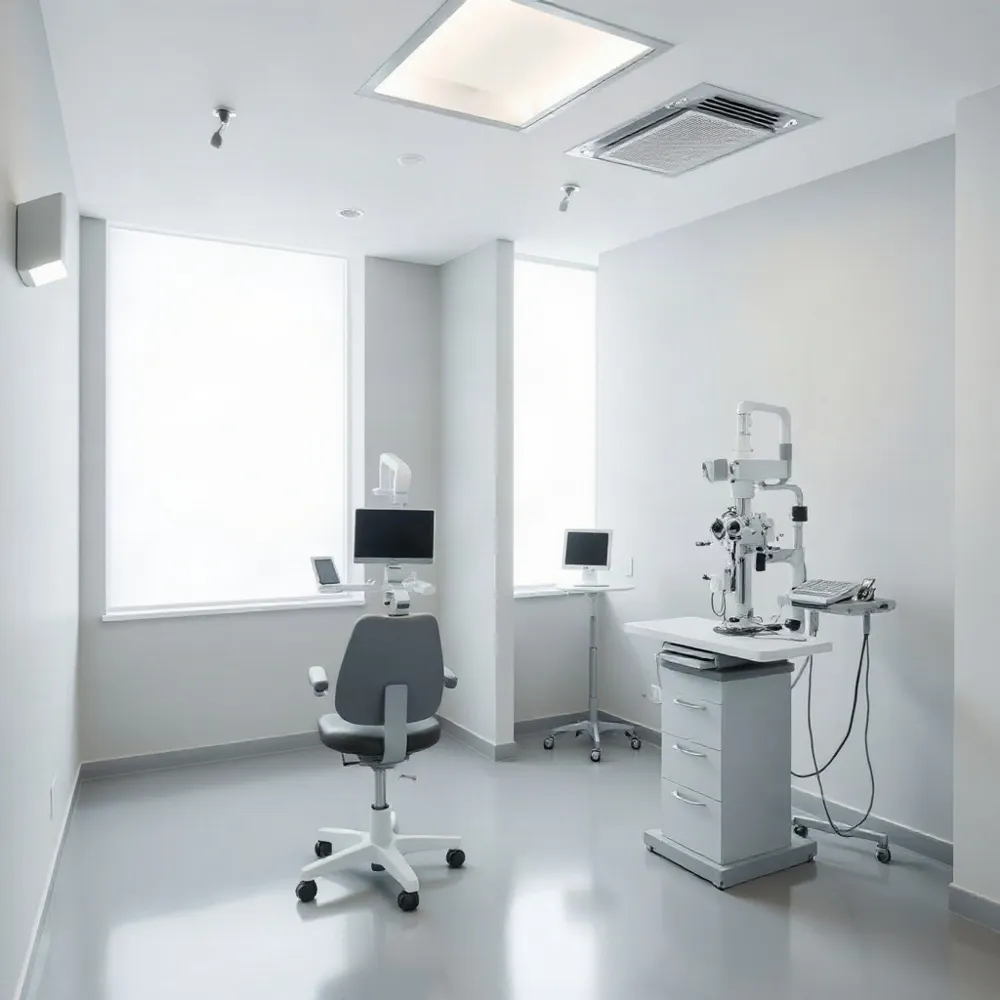 A comprehensive eye assessment involves a series of diagnostic procedures designed to evaluate both your visual clarity and overall ocular health. Per the American Academy of Ophthalmology, these exams typically last between 45 and 90 minutes and cover medical history, visual acuity, pupil response, and eye pressure. Unlike a basic screening, these clinical visits allow for a deep evaluation of eye structures that often harbor silent disease.
What procedures and diagnostics are typically performed during a comprehensive eye assessment?
The process generally begins with a visual acuity test to measure distance clarity, followed by a refraction test to determine precise prescriptions. To look beyond surface-level vision, doctors use a slit-lamp microscope for high-detail examination of the cornea and lens. At Apple Eye Care, patients benefit from an advanced system that captures high-resolution, cross-sectional maps of the retina. This technology allows the team to detect subtle structural changes, such as optic-nerve thinning associated with glaucoma or macular degeneration, long before symptoms emerge.
Many eye conditions, including glaucoma and retinal disorders, progress without noticeable early warning signs. By integrating objective imaging data, providers at Apple Eye Care minimize trial-and-error in treatment planning. This proactive diagnostic approach turns routine visits into a powerful, data-driven strategy for preserving sight and managing long-term ocular wellness.
Vision Exams as a Window to Systemic Wellness
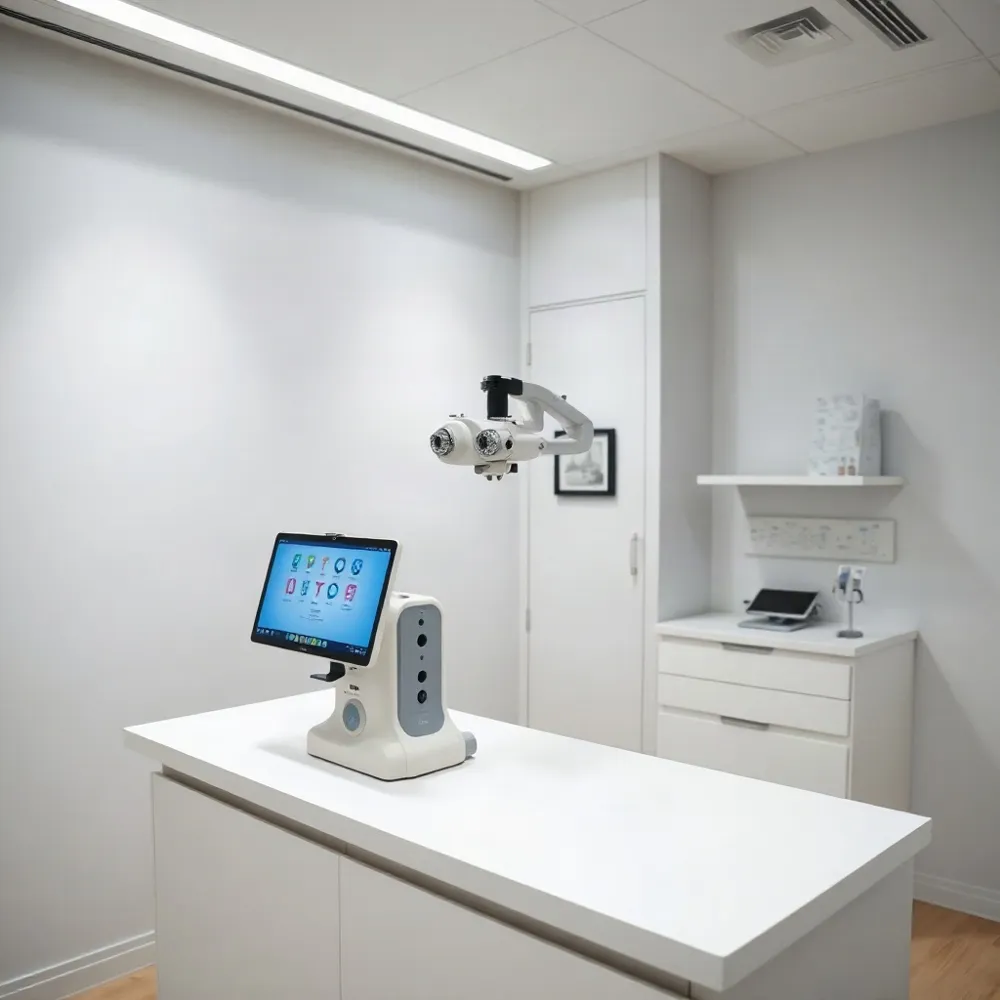 Your eyes offer a unique and direct view into your body, functioning as a window into your systemic health. Because the eye contains delicate blood vessels and nerve tissue, a comprehensive dilated eye exam can reveal early warning signs of chronic conditions long before symptoms surface elsewhere. At Apple Eye Care, we integrate this diagnostic approach into our routine wellness checks, using precise imaging to monitor for systemic indicators.
Why are regular eye check-ups important for your overall health?
Regular eye exams are essential because they provide a window into your overall health, allowing optometrists to detect signs of systemic diseases early. During a comprehensive exam, specialized technology can identify indicators of serious conditions like diabetes and hypertension, often before other symptoms appear. By catching these issues early, you can take proactive steps toward effective treatment and improved long-term health outcomes. Beyond diagnosing systemic issues, these exams are critical for managing eye-specific conditions like glaucoma and cataracts, which are easier to address in their initial stages. At Apple Eye Care, our commitment to personalized, modern care ensures that every exam protects both your vision and your broader well-being.
What common eye diseases and conditions can be detected during a standard eye exam?
A comprehensive eye exam is essential for detecting common eye conditions such as glaucoma, cataracts, age-related macular degeneration, and diabetic retinopathy. Because many of these diseases often progress silently without early symptoms, regular checkups allow for timely intervention to prevent permanent vision loss. Beyond eye-specific issues, a professional examination can also reveal signs of broader systemic health conditions. By evaluating the retina, optic nerve, and blood vessels, your eye doctor can identify indicators of diseases that may be lurking elsewhere in the body. At Apple Eye Care, we use advanced technology to provide a detailed assessment of your overall eye health and help you maintain clear, lasting vision.
- Adults with high-risk factors such as diabetes, high blood pressure, or a family history of glaucoma should maintain an annual exam schedule.
- The US Preventive Services Task Force highlights the importance of early screenings to prevent long-term vision loss in vulnerable populations.
- Consistent follow-up care allows for tracking ocular changes over time, helping your provider adjust treatment plans for conditions like dry eye or nerve fiber loss.
Tailoring Frequency and Care to Your Unique Needs
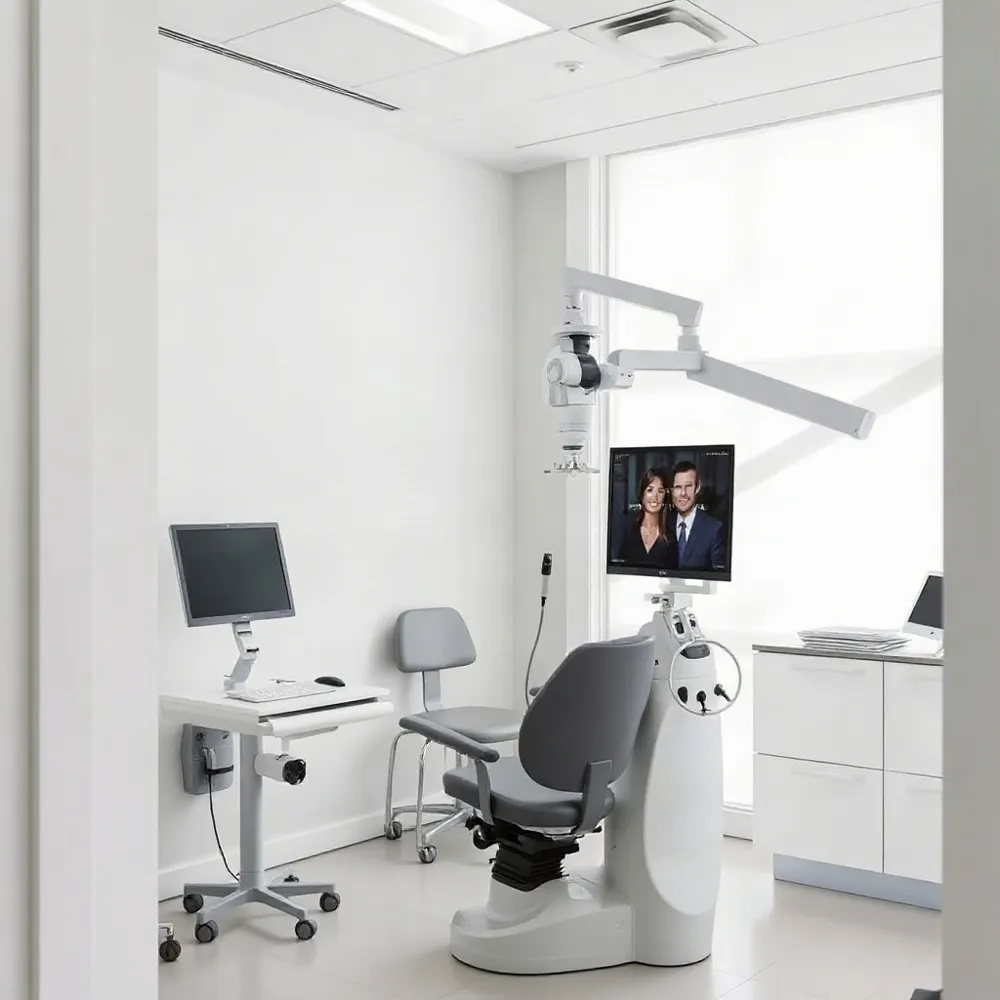 Your optimal eye examination schedule depends on your visual aids, age, and systemic health profile. While American Academy of Ophthalmology guidelines suggest that healthy adults under 40 can often wait five to ten years between exams, those wearing contact lenses require a different approach. Because contact lenses sit directly on the cornea, annual exams are necessary to confirm lens fit and monitor for potential surface irritation. At Apple Eye Care, our team emphasizes this distinction to ensure that corrective wear supports, rather than compromises, your ocular surface health.
How often should you schedule an eye examination if you wear corrective lenses or have specific conditions like astigmatism?
If you wear prescription glasses, a comprehensive exam every two years is typically sufficient to verify prescription accuracy and detect early changes. However, patients with astigmatism or other refractive concerns may require more tailored intervals based on symptom progression. Regular check-ups are essential because many eye conditions are asymptomatic in their early stages. We work with patients to establish a personalized schedule that accounts for these individual factors, ensuring that your vision correction evolves alongside your needs.
What is the recommended follow-up schedule for patients managing chronic conditions like diabetic retinopathy?
Systemic health issues like diabetes or high blood pressure necessitate more frequent monitoring, as these conditions can damage retinal blood vessels and the optic nerve, according to the CDC. Patients with diabetes should undergo an annual dilated eye exam to screen for diabetic retinopathy. If signs of retinopathy appear, we adjust the follow-up frequency to track disease progression. By utilizing advanced diagnostics like the DRI OCT Triton, our practice provides precise, micrometer-resolution mapping of the retina. This high-resolution imaging allows for tighter control and earlier intervention than traditional screening methods, helping to prevent permanent vision loss.
- Children aged 3 to 5: At least one comprehensive exam to screen for amblyopia.
- Adults 65 and older: Annual or biennial exams to monitor for age-related macular degeneration, glaucoma, and cataracts.
- High-risk individuals: Those with a family history of glaucoma or other chronic diseases require specialized screening schedules starting by age 40.
Navigating Daily Habits and Environmental Protection
Consistency in your daily routine serves as the foundation for long-term vision preservation. While medical screenings establish your health baseline, personal habits determine how effectively you mitigate environmental stressors that cause cumulative eye strain.
What is the 20-20-20 rule and how does it help maintain eye health?
The 20-20-20 rule is a simple practice designed to combat digital eye strain. Every 20 minutes, you should look at an object at least 20 feet away for 20 seconds. This break helps relax the focusing muscles that tire during prolonged screen use. At Apple Eye Care, we integrate this guidance into personalized care plans to help manage symptoms like fatigue, though we remind patients that professional diagnostics are necessary if you experience persistent discomfort.
What are the most effective daily habits to prevent vision loss and keep your eyes healthy as you age?
Prioritizing ocular nutrition is essential for long-term function. A diet rich in lutein, zeaxanthin, and omega-3 fatty acids found in leafy greens and fish can support retinal health and tear production. Beyond nutrition, protecting your eyes from UV radiation is critical; choose sunglasses that block 99 to 100 percent of both UVA and UVB rays to reduce the risk of cataracts.
- Commit to smoking cessation, which significantly lowers your risk of age-related macular degeneration.
- Maintain proper sleep hygiene to allow your eyes to recover and replenish moisture overnight.
- Wear protective eyewear during sports or home-maintenance tasks to prevent physical injury.
- Manage chronic systemic health conditions like high blood pressure, which can damage delicate retinal vessels.
Apple Eye Care emphasizes that these lifestyle changes are most effective when paired with objective imaging data from tools like the DRI OCT Triton. By aligning your daily habits with professional monitoring, you create a sustainable strategy for eye health that adapts to your needs as you age.
Understanding Financial Planning for Your Vision Journey
Managing long-term ocular health requires a consistent strategy that accounts for both clinical requirements and financial planning. At Apple Eye Care, we prioritize clear communication regarding financial options, ensuring that patients can focus on their wellness journey without the confusion often caused by complex billing structures or unexpected out-of-pocket costs.
What is the difference between a vision discount plan and comprehensive vision insurance?
While the terms are often used interchangeably, vision insurance functions like traditional health insurance by requiring premiums, deductibles, and copays to cover a portion of costs for routine eye exams and eyewear. In contrast, a vision discount plan is a membership program where you pay an annual fee in exchange for immediate, fixed-percentage discounts on services and products at the point of sale. Vision insurance plans typically include annual benefit limits, whereas discount plans can generally be used as often as needed without such caps. Importantly, vision insurance is structured to provide broad coverage for routine preventative care, while discount plans simply lower the out-of-pocket price you pay at the register. Because these structures differ, it is essential to understand your specific plan's approach to coverage for exams, frames, and lens enhancements.
Beyond traditional insurance, many patients manage ongoing expenses through tax-advantaged accounts. Flexible Spending Accounts (FSAs) and Health Savings Accounts (HSAs) allow you to set aside pre-tax dollars specifically for medical expenses, including comprehensive eye exams, corrective lenses, and even specialized treatments like dry eye therapy. Utilizing these accounts acts as a powerful tool in your long-term wellness strategy, effectively reducing the net cost of care.
Budgeting for consistent follow-up care is equally vital. Many chronic conditions or early-stage eye diseases require regular monitoring that goes beyond a standard biennial visit. By working with your optometrist to map out a personalized schedule for diagnostics like retinal imaging or glaucoma pressure checks, you can anticipate costs early in the year. Proactive planning eliminates the barrier of sudden expense, ensuring that you maintain the continuity of care necessary to protect your vision for a lifetime.
Safety and Recovery After Your Eye Assessment
Following a comprehensive diagnostic session at Apple Eye Care, your recovery process begins the moment you leave the clinic. If your pupils were dilated, your eyes will temporarily struggle to adjust to changes in light, making it essential to prioritize safety during your transition back to daily activities.
What should you avoid doing immediately after undergoing an eye exam, particularly if your pupils were dilated?
After dilation, avoid driving or operating heavy machinery until your vision stabilizes, as sensitivity to light and blurriness can impair your reaction times. You should wear sunglasses to shield your eyes from UV rays, as they will be unable to constrict naturally to protect themselves from bright environments. National Eye Institute guidelines emphasize that you should avoid reading or intense digital device use until the drops wear off. Arranging for a driver is the safest way to travel home following your appointment.
When is it necessary to seek urgent professional care?
Not all vision changes are temporary side effects. You must contact a professional immediately if you experience sudden symptoms such as flashes of light, a shower of new floaters, eye pain, double vision, or a persistent shadow in your field of vision, as the CDC notes these can indicate retinal complications. At Apple Eye Care, Dr. Stephen Applebaum emphasizes that clear communication and strict adherence to post-exam instructions are vital, ensuring that any urgent symptom is addressed before it impacts your long-term ocular health.
Committing to a Lifetime of Clear Vision
Your eye health is a continuous journey that thrives on the partnership between you and your optometrist. At Apple Eye Care, we believe that effective long-term management begins with a personal vision statement, which helps you align your lifestyle goals with specific ocular health needs. This collaborative approach ensures that your care is not just reactive, but built around your unique medical history and individual preferences.
Dr. Stephen Applebaum and the team focus on maintaining consistent, high-quality monitoring to prevent age-related issues from advancing. While some practices rely on generic standards, our commitment to personalized care allows us to integrate advanced technology like the DRI OCT Triton with your personal wellness values. We encourage you to schedule your next preventative visit to establish your baseline and ensure your sight remains clear for years to come.